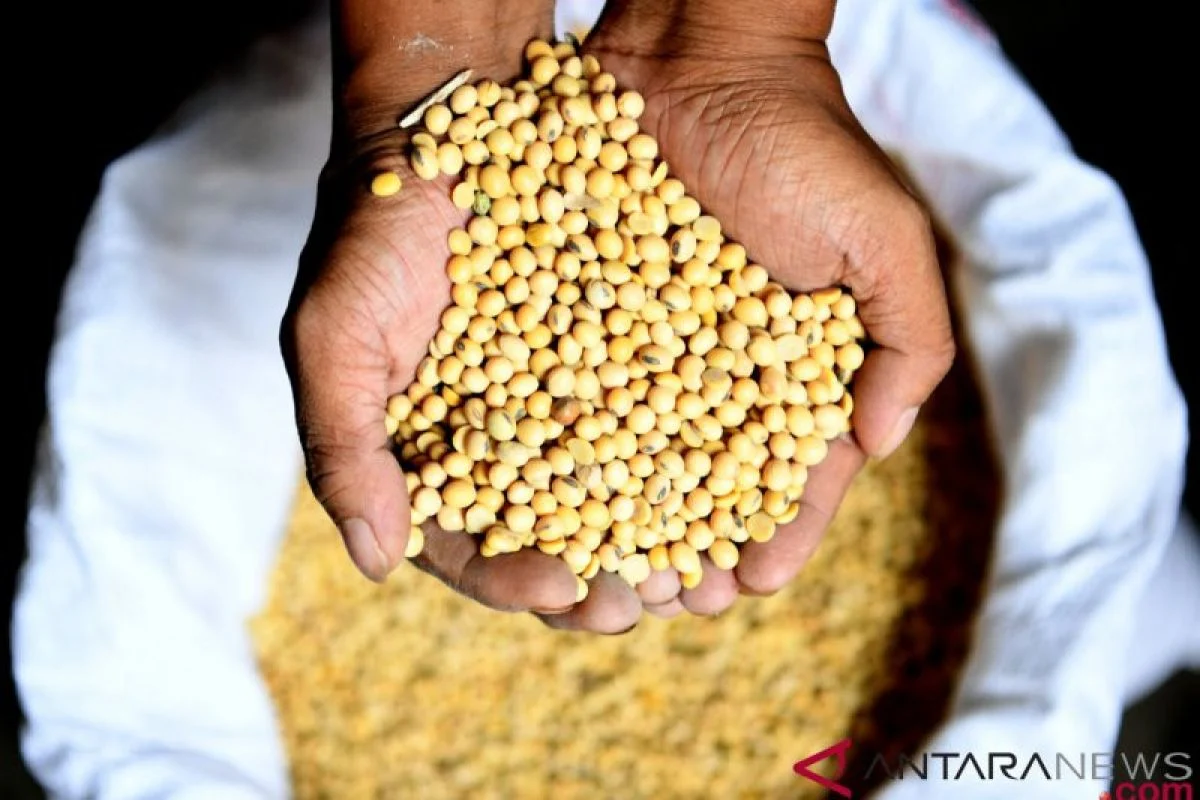
Jakarta (ANTARA) – Plant-based milk alternatives have witnessed an unprecedented surge in global consumer demand over the past decade, shifting rapidly from niche dietary products into mainstream grocery staples. Among the vast array of plant beverages—ranging from almond and oat to rice and coconut—soy milk has historically maintained its position as a nutritional powerhouse. Derived from the humble soybean (Glycine max), this traditional beverage has undergone a modern renaissance, driven by rising health consciousness, lactose intolerance awareness, and the global transition toward sustainable plant-based diets. Beyond its distinctive nutty flavor and widespread commercial availability, soy milk delivers a dense matrix of essential nutrients, including high-quality plant proteins, complex vitamins, vital minerals, and unique bioactive compounds that actively support human physiology.
As modern populations increasingly seek alternatives to animal-derived dairy—whether driven by ethical considerations, environmental concerns, or medical restrictions such as cow’s milk protein allergy and lactose intolerance—understanding the precise biochemical profile of soy milk becomes paramount. Nutritionists, dietitians, and food scientists worldwide continue to study the long-term health implications of regular soy consumption, consistently validating its role as a functional food. This comprehensive report examines the manufacturing processes, detailed nutritional breakdown, evidence-based health benefits, potential clinical implications, and expert recommendations for selecting the healthiest commercial soy milk products available on the market today.
The Historical Context and Manufacturing Evolution of Soy Milk
The origins of soy milk trace back more than two millennia to ancient China, where historical records attribute its accidental invention to Liu An, a Han dynasty prince and philosopher, around 164 BCE. Initially developed as an easily digestible nutritional supplement for the infirm and elderly, the traditional method involved soaking dried soybeans, wet-grinding them with water, filtering the resulting slurry through cloth, and boiling the liquid to eliminate raw bean flavors and anti-nutritional factors. Over centuries, this rudimentary technique spread across East Asia, evolving into a fundamental dietary component in countries such as Japan, Korea, and Vietnam.
In the contemporary commercial landscape, large-scale industrial manufacturing has refined this age-old process to maximize nutrient retention, improve flavor profiles, and extend shelf life. Modern production facilities utilize automated soaking vats, high-shear industrial grinders, vacuum deodorizers to eliminate beany off-notes, and ultra-high-temperature (UHT) pasteurization or sterilization systems. Furthermore, advanced industrial fortification processes have transformed soy milk from a simple home-brewed bean broth into a nutritionally optimized beverage capable of matching or exceeding the micronutrient density of bovine milk.
Deep Dive into the Nutritional Profile of Soy Milk
The nutritional composition of commercial and homemade soy milk is remarkably complex, though exact values fluctuate depending on bean quality, processing parameters, water-to-bean ratios, and whether the product has undergone industrial micronutrient fortification. According to standard dietary databases, a standard one-cup serving (approximately 240 milliliters) of unfortified, unsweetened commercial soy milk typically provides between 7 and 8 grams of complete protein, closely mimicking the protein content found in standard dairy milk.
In addition to macronutrients, a standard serving contains approximately 4 grams of total fat—primarily composed of heart-healthy polyunsaturated and monounsaturated fatty acids with very low levels of saturated fat—along with 3 to 4 grams of carbohydrates and roughly 80 to 100 calories. The beverage is also a notable dietary source of vital minerals, including potassium, magnesium, phosphorus, and iron, alongside several B-complex vitamins, notably riboflavin (vitamin B2) and folate (vitamin B9).
Crucially, leading commercial manufacturers frequently fortify their products with critical micronutrients to bridge nutritional gaps for consumers replacing dairy milk. Fortified varieties are routinely enriched with calcium (often matching or exceeding the 300 mg per cup found in cow’s milk), vitamin D2 or D3, vitamin A, and vitamin B12—a crucial vitamin natively absent in unfortified plant foods that is essential for neurological function and red blood cell formation.
Furthermore, soybeans contain a unique class of bioactive compounds known as isoflavones, primarily genistein, daidzein, and glycitein. These phytochemicals belong to a broader category of molecules called phytoestrogens. Structurally resembling human 17-beta-estradiol, isoflavones can bind weakly to human estrogen receptors throughout the body, though their biological potency is significantly lower than endogenous human hormones. This unique chemical structure forms the foundation of much of the scientific inquiry surrounding soy’s physiological impacts.
Evidence-Based Health Benefits of Regular Soy Milk Consumption
Extensive clinical research conducted over the past thirty years has highlighted numerous physiological advantages associated with the regular inclusion of soy milk and soy-based foods in human diets.
1. High-Quality Protein Delivery and Muscle Maintenance
Proteins are fundamental building blocks required for tissue repair, enzymatic synthesis, immune function, and the preservation of skeletal muscle mass. A major nutritional advantage of soy milk over other plant-based milks—such as almond, rice, or coconut milk, which are naturally protein-deficient—is its status as a complete protein source.
Soy protein contains all nine essential amino acids that the human body cannot synthesize independently and must acquire through dietary intake. This places soy protein in the same high-quality category as animal-derived proteins like meat, eggs, and dairy, making unfortified or protein-enhanced soy milk an exceptional dietary staple for vegetarians, vegans, athletes, and older adults seeking to prevent age-related muscle wasting (sarcopenia).
2. Cardiovascular Support and Cholesterol Regulation
Cardiovascular disease remains a leading cause of mortality globally, prompting intensive research into dietary interventions that improve lipid profiles. Soy protein has long been recognized by health authorities for its potential to support heart health. Clinical trials demonstrate that substituting animal proteins high in saturated fat with soy protein can help reduce serum total cholesterol and low-density lipoprotein (LDL) cholesterol—commonly referred to as "bad" cholesterol.
The American Heart Association and the U.S. Food and Drug Administration (FDA) have previously highlighted that incorporating 25 grams of soy protein per day as part of a diet low in saturated fat and cholesterol can contribute to a modest reduction in cardiovascular disease risk. The presence of unsaturated fatty acids and plant sterols in soy milk further enhances its cardiovascular profile, though researchers emphasize that soy consumption must be viewed as part of an overall balanced lifestyle rather than a standalone medical cure.
3. Skeletal Health and Bone Mineral Density Support
Maintaining optimal bone density throughout the lifespan is vital for preventing osteopenia and osteoporosis, particularly in postmenopausal women who experience rapid bone resorption due to declining estrogen levels. Fortified soy milk serves as a valuable ally in skeletal health management.
Because commercial soy milk is routinely fortified with bioavailable calcium carbonate and vitamin D, it provides the essential dual-nutrients required for bone matrix formation and calcium homeostasis. While calcium provides the structural mineral framework for bones, vitamin D acts as a regulatory hormone that drastically enhances intestinal calcium absorption. For individuals suffering from cow’s milk allergies or severe lactose intolerance, fortified soy milk offers a direct, highly effective dietary replacement to safeguard skeletal integrity.
4. Alleviation of Menopausal Symptoms
Menopause triggers significant hormonal fluctuations that often manifest as vasomotor symptoms, most notably sudden, intense sensations of internal heat known as hot flashes, along with night sweats, mood disturbances, and sleep disruptions. Because soy isoflavones are phytoestrogens capable of interacting weakly with human estrogen receptors, researchers have extensively studied their efficacy in mitigating these symptoms.
While results across clinical trials remain somewhat heterogeneous—due to variations in individual metabolism, gut microbiome composition, and dosage—numerous studies indicate that regular consumption of soy protein rich in isoflavones can reduce the frequency and severity of hot flashes in menopausal women. The physiological mechanism suggests that isoflavones may act as weak estrogen agonists in estrogen-deficient environments, helping to modulate thermoregulatory centers in the brain.
5. Safe and Natural Solution for Lactose Intolerance
Lactose intolerance—the inability of the small intestine to produce sufficient quantities of the enzyme lactase needed to break down lactose, the primary sugar in mammalian milk—affects a vast majority of the global population, particularly Asian, African, and Hispanic demographics. Consuming dairy products under these conditions leads to uncomfortable gastrointestinal distress, including abdominal bloating, cramping, flatulence, and osmotic diarrhea.
Because soy milk is naturally 100 percent lactose-free, it provides a safe, highly digestible alternative that completely bypasses the enzymatic deficiencies associated with lactose malabsorption. This allows individuals to enjoy creamy beverages, coffees, and cereals without experiencing adverse digestive symptoms.
6. Comprehensive Micronutrient Supplementation
Beyond protein and macro-minerals, fortified commercial soy milk functions as an effective vehicle for broad-spectrum micronutrient delivery. Vitamins such as B12, crucial for preventing megaloblastic anemia and neurological degeneration, and vitamin A, essential for optimal ocular health and epithelial tissue maintenance, are routinely incorporated into advanced dairy alternatives. Consequently, regular consumption helps sustain daily metabolic equilibrium and reinforces innate immune defenses.
Critical Analysis of Potential Health Implications and Misconceptions
Despite the extensive catalog of documented health benefits, soy products have periodically been the subject of controversy and public health debates, largely driven by misconceptions regarding phytoestrogens and potential hormonal disruption.
Public health organizations and endocrinological societies have extensively investigated whether dietary soy intake increases the risk of hormone-sensitive cancers, such as breast cancer, or negatively impacts male reproductive health by lowering testosterone levels. Comprehensive systematic reviews and meta-analyses published by major oncology and endocrinology institutions have consistently concluded that moderate, regular dietary soy consumption does not adversely affect testosterone levels in men, nor does it increase breast cancer recurrence or incidence in women. In fact, epidemiological data from Asian populations with traditionally high lifetime soy intake suggest potential protective correlations against certain chronic pathologies.
However, researchers emphasize two primary clinical caveats. First, individuals diagnosed with diagnosed soy protein allergies—an immune-mediated adverse reaction to specific soybean proteins such as glycinin and beta-conglycinin—must strictly avoid soy milk and all derived soybean products to prevent severe allergic manifestations, ranging from urticaria and gastrointestinal distress to systemic anaphylaxis. Second, individuals suffering from diagnosed hypothyroidism must monitor their iodine and thyroid medication intake when consuming very high quantities of soy, as isoflavones can occasionally interfere with thyroid hormone absorption if iodine status is compromised.
Practical Guidelines for Selecting Healthy Commercial Soy Milk
With supermarkets offering an expansive array of commercial plant-based beverages, navigating the dairy aisle requires careful consumer literacy. Not all commercial soy milks share equal nutritional value; significant disparities exist regarding processing levels, additive content, and caloric profiles.
- Prioritize Unsweetened and Plain Varieties: Many commercial manufacturers add substantial amounts of cane sugar, cane juice evaporate, high-fructose corn syrup, or artificial flavorings to improve palatability. For daily consumption, dietitians strongly recommend selecting products labeled "unsweetened" or "plain" to minimize unnecessary empty calorie intake and prevent adverse metabolic spikes.
- Examine Nutritional Labels for Fortification: Consumers transitioning away from dairy milk should meticulously inspect nutrition facts panels to ensure the chosen brand is fortified with essential micronutrients. An ideal product should provide comparable calcium levels to cow’s milk (approximately 300 mg per serving), alongside adequate vitamin D and vitamin B12 supplementation.
- Verify Protein Content: Authentic soy milk naturally maintains a high protein threshold (7–8 grams per cup). Shoppers should cross-reference ingredient decks to ensure that water has not been excessively diluted, which severely degrades the protein integrity of the beverage.
- Consider Organic and Non-GMO Options: Given that a significant percentage of global commercial soybean agriculture involves genetically modified organisms (GMOs) treated with glyphosate-based herbicides, health-conscious consumers frequently opt for certified organic or non-GMO verified soy milk brands to minimize chemical exposure.
Broader Economic and Environmental Implications
The rising prominence of soy milk extends far beyond individual nutritional choices, reflecting broader economic shifts within the global agricultural and food processing sectors. The transition toward plant-based diets is increasingly recognized as a vital component of sustainable food systems. Compared to conventional bovine dairy farming, industrial soybean cultivation and processing generally demand significantly less freshwater, generate lower greenhouse gas emissions, and require substantially reduced land footprints per gram of usable protein produced.
Economic analysts project sustained, robust expansion for the global plant-based milk market over the coming decade. Food technology innovators continue to invest heavily in refining extraction techniques, improving mouthfeel, and enhancing flavor profiles to capture growing consumer demographics across both developed and emerging economies.
Conclusion
Soy milk has firmly transitioned from an ancient regional staple into a scientifically validated, globally consumed functional food. Backed by a robust nutritional profile characterized by complete plant proteins, heart-healthy unsaturated fats, vital minerals, and bioactive isoflavones, this versatile beverage offers extensive health advantages. Whether serving as a reliable dietary solution for individuals managing lactose intolerance, providing crucial support for postmenopausal women, or acting as an ethical, sustainable source of daily protein, soy milk continues to secure its place as a cornerstone of modern nutritional science. By exercising discernment through careful label reading and selecting unfortified or fortifying variants free of excessive added sugars, consumers can successfully harness the profound health-promoting properties of the humble soybean.