The contemporary landscape of Indonesian arts, culture, and governance has once again found itself at the center of a national dialogue following recent restrictions placed on live musical performances. At the heart of this discussion is the controversy surrounding the limitations imposed on concerts by Dongker, an independent punk rock band hailing from Bandung, West Java. The incident has reignited debates regarding the delicate balance between state security, public order, and the constitutional rights of artists to express themselves freely through creative mediums.
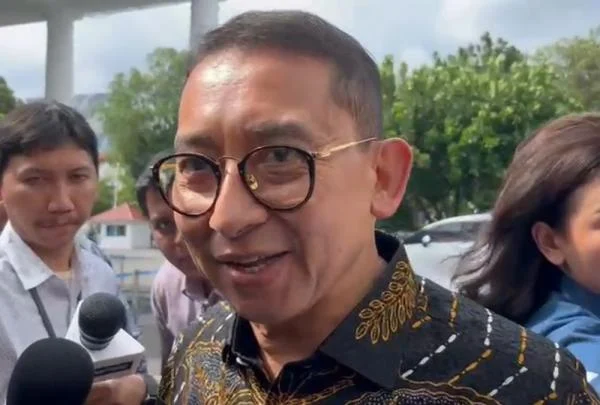
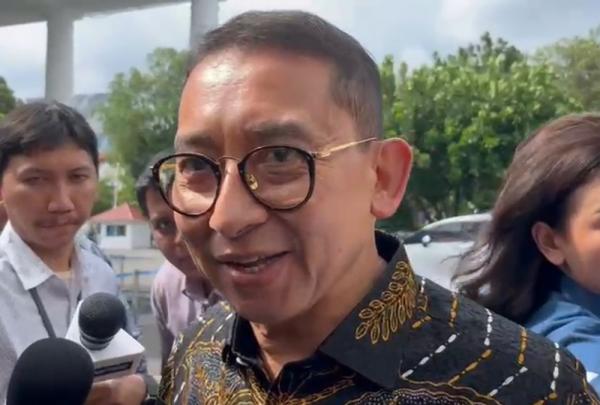
Addressing the controversy directly, Minister of Culture Fadli Zon articulated the government’s stance during a media briefing at the Ministry of Culture headquarters in Jakarta. Minister Fadli firmly underscored that Indonesia operates as a robust democratic nation, one where the foundational rights of citizens to engage in creative expression—including music, literature, and the performing arts—are constitutionally guaranteed and protected.
The remarks from the Minister of Culture come at a crucial juncture for Indonesia’s creative economy and underground music scenes. Independent bands, particularly within genres historically associated with counter-culture and social critique such as punk and rock, have frequently navigated complex regulatory environments, permit acquisition hurdles, and localized community pushback when attempting to stage live performances.
Background Context of the Dongker Controversy and Independent Music in Indonesia
To fully understand the weight of Minister Fadli’s comments, it is essential to examine the socio-cultural positioning of Dongker within the broader Indonesian independent music ecosystem. Originating from Bandung—a city historically celebrated as a creative incubator and the birthplace of numerous influential independent acts—Dongker has built a dedicated following through high-energy performances, raw lyricism, and a DIY (Do-It-Yourself) ethos characteristic of the global punk movement.
In recent months, however, the band and several other independent musical groups have encountered administrative obstacles and outright cancellations or restrictions of their scheduled concert tours. These hurdles typically stem from a combination of local permit denials, pressure from specific community organizations, and preemptive actions by local security apparatuses citing concerns over potential crowd control issues, public disturbances, or ideological friction.
For decades, the relationship between underground subcultures and official authorities in Indonesia has been marked by negotiations over space and safety. While mainstream commercial events generally navigate standard administrative pathways with relative ease, independent and underground acts often face heightened scrutiny due to misconceptions surrounding genre aesthetics, perceived anti-establishment sentiments, or fears of public disorder. The recent restrictions placed on Dongker served as a flashpoint, mobilizing fans, civil society organizations, and prominent cultural figures to demand greater clarity and protection for artistic freedom across the archipelago.
Ministerial Perspective: Balancing Freedom with Public Order
During his address at the Ministry of Culture, Minister Fadli Zon sought to delineate the boundaries of artistic freedom within a democratic framework. While strongly affirming the government’s commitment to safeguarding freedom of expression, the Minister also acknowledged the practical responsibilities held by state apparatuses regarding public safety and national security.
According to Minister Fadli, the restriction, postponement, or cancellation of any artistic or cultural activity should never occur arbitrarily or without substantial, evidence-based justification. He emphasized that censorship or administrative bans ought to be treated as absolute exceptions rather than routine governance tools. Such measures, the Minister explained, should exclusively be enacted when concrete, verifiable threats to public security or public order exist.
"We are a democratic country, yes," Minister Fadli stated when questioned by reporters at the Ministry of Culture. "Matters of that nature—restrictions on events—should not happen unless there is a direct link to security concerns, or connections to issues that the security apparatus deems dangerous to public order and related matters."
This nuanced perspective attempts to bridge the gap between creative communities demanding unfettered expression and law enforcement agencies tasked with maintaining civil stability. By tying permissible restrictions strictly to demonstrable security risks rather than subjective content evaluation, the Ministry of Culture signals a preference for objective administrative criteria over ideological gatekeeping.
Comparative Analysis of Democratic Openness and Historical Context

Expanding his analysis of the current socio-political climate, Minister Fadli asserted that the contemporary landscape of free expression under the administration of President Prabowo Subianto offers a significantly broader and more open environment compared to previous governmental eras. He suggested that civil liberties have matured, allowing for a more dynamic and less restrictive public sphere.
To contextualize the evolution of freedom of expression in post-reformasi Indonesia, the Minister drew comparisons to notable historical legal cases involving public figures and artists who faced severe punitive measures for their public commentary or artistic outputs. Specifically, he referenced the high-profile case of prominent musician and politician Ahmad Dhani, who was sentenced to and served a prison term of 11 months following legal actions related to statements made in the public domain.
The invocation of historical precedents highlights the ongoing evolution of Indonesia’s legal framework concerning speech, defamation, and creative liberty. While Indonesia has made immense strides since the democratic transition in 1998, artists, activists, and public intellectuals have periodically navigated restrictive statutory instruments, such as the Electronic Information and Transactions (ITE) Law, which historically presented challenges to open discourse.
By acknowledging past friction points while advocating for a more permissive present, the Ministry’s commentary reflects a broader governmental recognition that cultural vitality requires a high tolerance for diverse viewpoints, edgy aesthetics, and critical artistic output.
Implications for the Creative Economy and the Music Industry
The stance articulated by the Minister of Culture carries profound implications for Indonesia’s burgeoning creative economy, particularly the live music sector. Following the disruptions of the COVID-19 pandemic, the live entertainment industry has fought hard to recover, serving as a vital engine for local economies, tourism, hospitality, and employment across multiple provinces.
When bands like Dongker face operational restrictions, the economic ripple effects extend far beyond the artists themselves. Independent concert production involves a vast network of local promoters, venue owners, sound engineers, lighting technicians, merchandise vendors, and security personnel. Unpredictable permit revocations introduce high financial risks, discouraging investors and organizers from staging events in various regions.

Furthermore, cultural analysts note that heavy-handed restrictions on independent youth culture can inadvertently stifle innovation. Subcultures like punk have historically provided an outlet for marginalized youth to channel socioeconomic frustrations into constructive, artistic endeavors. Suppressing these avenues can drive expressions underground, alienating communities from formal civic engagement.
By establishing a clear ministerial baseline that prioritizes open expression and demands stringent, safety-based criteria for any event limitations, the government provides a framework that local authorities and security forces are expected to respect. Industry stakeholders have expressed cautious optimism that such high-level alignment will translate into smoother administrative processes for future tours and festival permits across West Java and nationwide.
Moving Forward: Constructive Dialogue and Regulatory Clarity
As the controversy surrounding the Dongker concert restrictions subsides into broader policy discussions, cultural observers emphasize the need for continued dialogue between artists, local governments, and law enforcement agencies. Clearer standard operating procedures (SOPs) regarding event permitting are frequently cited by industry associations as the most effective solution to prevent arbitrary cancellations.
The Ministry of Culture faces the ongoing task of harmonizing regional bureaucratic practices with national democratic ideals. Ensuring that local police departments and regional administrators understand the constitutional protections afforded to artists will be crucial in fostering a predictable, supportive environment for Indonesia’s diverse cultural expressions.
Ultimately, the remarks made by Minister Fadli Zon reaffirm that while public safety remains a paramount duty of the state, it must be balanced against the indispensable value of artistic freedom. In a pluralistic democracy like Indonesia, the freedom to play, create, and be heard remains a vital barometer of national maturity and cultural confidence.