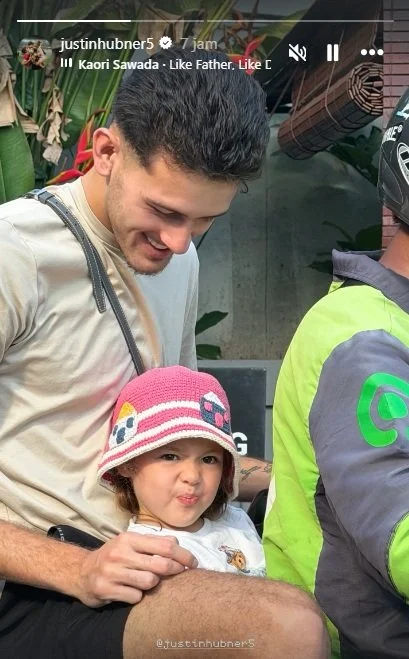
The professional football landscape often paints a picture of players as distant, high-earning celebrities sequestered in luxury estates and high-performance training centers. However, for Indonesian national team defender Justin Hubner, the ongoing FIFA Matchday window has provided a rare, candid glimpse into a more grounded side of his life. During his current break from international duty, the Wolverhampton Wanderers-affiliated defender has been spotted embracing the quintessential Indonesian lifestyle, most notably through a viral social media moment featuring a casual motorcycle taxi (ojek) ride alongside the popular toddler, Kamari.
A Departure from the Pitch
The month of November 2026 marks a specific period in the international football calendar known as the FIFA Matchday window. While many national teams across the globe are engaged in high-stakes competitive fixtures or international friendlies, the Indonesian national team—affectionately known as the "Garuda"—has opted for a different strategy. Instead of competing, the squad is currently undergoing an intensive training camp (TC) based in Bali to refine tactical cohesion and physical conditioning.
Justin Hubner, a cornerstone of Indonesia’s defensive line, was not included in the current training camp roster. This decision has allowed the 23-year-old defender to spend his mandatory break away from the rigors of professional football. Rather than retreating to European hotspots, Hubner chose to immerse himself in the local culture of Indonesia. His presence in the country has not gone unnoticed, as fans have documented his sightings across various locations, ranging from urban centers to relaxed leisure spots.
The Viral "Melokal" Moment
The term "melokal"—a colloquial Indonesian expression describing a foreigner or public figure adapting seamlessly to local habits—has trended across social media platforms in reference to Hubner’s recent activities. The most prominent of these sightings involved Hubner navigating the notoriously busy streets of Indonesia via an ojek, a common local method of transport.
The scene was further highlighted by the presence of Kamari, the young daughter of celebrity parents Jennifer Coppen and the late Dali Wassink, who has become a social media sensation in her own right. The sight of the imposing, six-foot-plus center-back riding on the back of a motorcycle with a toddler became an instant viral hit, garnering hundreds of thousands of interactions on platforms such as Instagram and TikTok. For observers, the image represented a refreshing humanization of a player who is usually seen engaged in aggressive defensive battles or high-pressure defensive blocks on the pitch.
Justin Hubner: Professional Profile and Background
To understand the public fascination with Hubner, one must consider his trajectory in the sport. Born in the Netherlands, Hubner’s journey to the Indonesian national team is part of a broader, strategic naturalization program initiated by the Football Association of Indonesia (PSSI). Since acquiring Indonesian citizenship, he has become a pivotal figure in the team’s recent successes, including historic runs in the AFC Asian Cup and the FIFA World Cup qualification rounds.
His playing style is defined by a physical, no-nonsense approach to defending. In the Premier League’s development structures and international arenas, Hubner is known for his tactical intelligence and willingness to engage in physical duels. This professional intensity makes his recent display of "simple living" all the more stark. By choosing to ride an ojek—an activity that requires patience and vulnerability—rather than opting for high-end private transport, Hubner has endeared himself to a fan base that values humility as much as athletic prowess.
Contextualizing the FIFA Matchday Break
The current state of Indonesian football is at a historical high, with the team pushing for greater representation on the global stage. The decision to hold a training camp in Bali rather than scheduling exhibition matches is a strategic move by the coaching staff. By focusing on internal development, the team aims to address structural issues and improve the stamina and tactical awareness of players who have been subject to back-to-back domestic and international seasons.

For Hubner, the break serves a dual purpose. Beyond physical recovery, it provides a mental reset. The life of a modern professional footballer involves immense pressure, constant travel, and the scrutiny of millions of fans. Engaging with local culture in a non-formal setting allows athletes to reconnect with the roots of their support base. This phenomenon is not unique to Indonesia; however, the fervor with which Indonesian fans engage with their national team players creates a unique atmosphere where even the most mundane daily chores of a player can become a topic of national discussion.
Sociological Implications of the "Celebrity Athlete"
The viral nature of the ojek ride illustrates the evolving relationship between professional athletes and their audience in the digital age. In previous decades, the private lives of sports stars were shielded by media relations departments and private security. Today, via social media, the barrier between "hero" and "fan" has effectively evaporated.
When a player like Hubner engages in an activity as culturally synonymous with Indonesian urban life as taking an ojek, it signals a deeper level of cultural integration. It suggests that the player is not merely a guest in the country for a match, but someone who genuinely respects and participates in the local rhythm of life. This perception has a tangible impact on fan morale. Studies in sports sociology have frequently shown that when players demonstrate cultural empathy, the collective loyalty of the fan base increases, leading to higher engagement and a more sustainable "brand" identity for the player.
Analysis of the PSSI’s Developmental Strategy
While the public enjoys the lighthearted content coming from the training camp period, the behind-the-scenes reality of the Indonesian national team remains focused on long-term growth. The PSSI has been working aggressively to bridge the gap between Indonesian football and international standards.
- Infrastructure Improvements: The concentration of training in specialized facilities in Bali indicates a move toward professionalizing the off-field environment.
- Player Welfare: Allowing players like Hubner the autonomy to manage their recovery time is a sign of a more modern approach to athlete management, acknowledging that mental health and personal downtime are as vital as physical conditioning.
- Public Engagement: The open nature of the players during these breaks helps maintain the momentum of the "Garuda" movement, keeping public interest high even during periods where there are no active matches.
Looking Ahead
As the November 2026 FIFA Matchday concludes, the focus will shift back to competitive fixtures. For Justin Hubner, the return to professional intensity will be the next step in his career progression. Whether he is back in the colors of his club or wearing the red-and-white jersey of Indonesia, the expectations remain high.
However, the images of his time in Indonesia—simple, unscripted, and candid—have left a mark. They serve as a reminder that underneath the kit and the professional accolades, athletes are individuals who thrive on the same simple experiences as their supporters. As the Indonesian national team prepares for the next phase of its international campaign, the bond formed between the players and the public through these small, human moments will likely continue to be a source of strength for the team.
The incident has also provided a boost to the local tourism and cultural scene, as the "melokal" trend encourages fans to look at their own surroundings with a sense of pride. By embracing the ojek culture, Hubner has inadvertently become an ambassador for the charm of everyday Indonesian life, proving that sometimes, the most memorable moments are those that occur far away from the spotlight of the stadium.
In conclusion, while the football world awaits the next tactical masterclass from Justin Hubner, the current focus remains on his role as a relatable figure within the Indonesian sports community. His ability to balance the demands of a high-level professional career with the warmth of local interactions underscores the evolving nature of celebrity in sports. As the team moves forward, the "Garuda" will continue to rely on players like Hubner not just for their defensive prowess, but for their ability to connect with the heart of the nation.