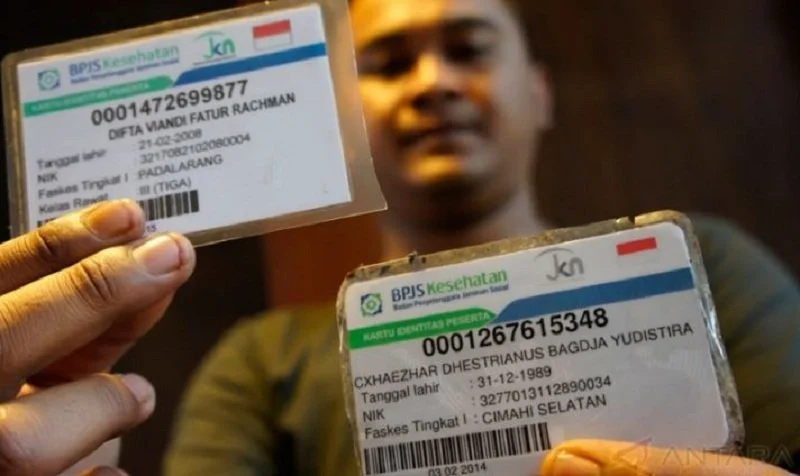
The landscape of public administration in Indonesia underwent a significant transformation in 2026, marking a pivotal shift in how citizens access essential documents. Since May 20, 2026, the Indonesian National Police (Polri) has implemented a new policy requiring applicants for the Police Record Certificate (SKCK) to possess an active National Health Insurance (BPJS Kesehatan) membership. This regulatory change, codified under the Indonesian National Police Regulation (Perpol) Number 1 of 2026, represents a broader governmental effort to integrate social security participation across various public services, ensuring that citizens remain covered by the national health safety net.
The Legislative Framework and Legal Basis
The mandate originates from the government’s strategic push to achieve Universal Health Coverage (UHC), a goal that has been a priority for the Indonesian administration for several years. By linking the issuance of the SKCK—a document frequently requested for employment, education, and administrative purposes—with BPJS Kesehatan compliance, the state aims to increase the number of active contributors to the health insurance system.
According to the provisions outlined in Article 2, paragraph 4 of Perpol Number 1 of 2026, every individual—whether an Indonesian citizen or a foreign national—must be a registered and active participant in the Jaminan Kesehatan Nasional (JKN) system to successfully apply for an SKCK. The regulation is explicit in its intent to ensure that public service accessibility is contingent upon civic compliance with national social security obligations.
Understanding the SKCK: A Vital Administrative Document
To appreciate the weight of this policy, one must understand the role of the SKCK in Indonesian society. The SKCK, formerly known as the Surat Keterangan Kelakuan Baik (SKKB), serves as an official statement issued by the police, certifying that an individual has no criminal record within the jurisdiction of the Republic of Indonesia.
The document acts as a critical prerequisite for:
- Employment: Most private and public sector companies require an SKCK as part of the background check process for new hires.
- Education: Students applying for scholarships, state universities, or specialized civil servant training (Kedinasan) are required to submit it.
- Administrative and Legal Processes: Individuals applying for visas, starting a business, or seeking specific government permits often find the SKCK on their checklist.
Given its ubiquity, the integration of BPJS Kesehatan requirements into the SKCK application process effectively turns the police station into a touchpoint for social security verification.
Timeline of Implementation
The rollout of this policy was not sudden but followed a period of administrative preparation and inter-agency coordination between the Indonesian National Police and the Social Security Agency for Health (BPJS Kesehatan).
- Early 2026: Discussions between the National Police and the Ministry of Health regarding the integration of databases began to intensify.
- April 2026: Public announcements were made regarding the upcoming changes to the SKCK application process to allow citizens time to update their insurance status.
- May 20, 2026: The official enforcement of Perpol Number 1 of 2026 commenced nationwide.
- Post-May 2026: The police began utilizing the "JKN Mobile" application and the BPJS Kesehatan database to verify the status of applicants in real-time at service counters.
Exemptions and Exceptions
Despite the strict nature of the regulation, the government recognized that not all citizens fall under the same circumstances. Perpol Number 1 of 2026 provides specific exemptions for three distinct groups. While the exact definitions of these groups are categorized under internal police directives, they are generally intended to protect vulnerable populations who may face systemic barriers to maintaining active insurance status.
These exemptions ensure that the policy does not inadvertently prevent individuals from obtaining work or education due to temporary financial hardships or specific legal status. The police have emphasized that the verification process at the service desk includes a protocol to check if an applicant falls within these exempt categories before rejecting an application due to an inactive BPJS status.
Impact Analysis: A Strategy for Universal Health Coverage
From a policy analysis perspective, the move is a classic example of "nudge" theory applied to public administration. By making a high-demand service dependent on insurance status, the government incentivizes compliance without resorting to punitive measures for the sake of punishment.

Data from the Ministry of Health indicates that as of late 2026, the number of active BPJS Kesehatan participants has seen a steady uptick in regions where the SKCK policy has been rigorously enforced. The logic is straightforward: when a citizen realizes their insurance is inactive while standing at a police service window, they are prompted to pay their arrears or reactivate their account immediately, often via digital payment platforms, thereby reducing the number of "dormant" members in the BPJS database.
Challenges in Execution
The transition has not been without its logistical hurdles. In the initial months following the May 20 implementation, police precincts reported an increase in processing times. This was primarily due to the need for staff to navigate the verification system and, in some cases, assist applicants who were unaware of their membership status.
Furthermore, issues regarding data synchronization between the National Police’s database and the BPJS Kesehatan system occasionally led to discrepancies. Applicants who had recently paid their premiums sometimes found that the system still showed them as "inactive" due to processing delays. In response, the police have adopted a flexible stance, allowing applicants to provide proof of payment or a digital receipt from the BPJS application to proceed with their request while the central system updates.
Official Responses and Public Sentiment
The Indonesian National Police have defended the policy as a necessary step toward digitizing and streamlining administrative services. By cross-referencing databases, the police argue they are moving toward a more "interconnected" government ecosystem, where citizens do not have to provide redundant information to different agencies.
On the other hand, civil society groups have raised concerns about the potential for administrative overreach. Critics argue that linking basic administrative rights—like the right to seek employment—to insurance status could disproportionately affect the informal sector, where income is inconsistent, and maintaining regular BPJS contributions is financially difficult.
However, authorities maintain that the inclusion of the aforementioned exemption categories is sufficient to mitigate these risks. They argue that the primary goal is to ensure that when citizens encounter an emergency, they are protected by the national health system, preventing medical bankruptcy—a major contributor to poverty in Indonesia.
Broader Implications for Indonesian Public Services
The integration of BPJS Kesehatan into the SKCK application process is part of a larger trend in Indonesia. Similar requirements have been discussed or implemented for other services, such as renewing driving licenses (SIM) and land title transfers.
This trend suggests that the Indonesian government is moving toward a "unified identity" model, where an individual’s social security and tax identification numbers serve as the keys to all public services. For the average citizen, this means that maintaining one’s BPJS status is no longer just a personal health choice but a foundational requirement for participating in the formal economy.
Future Outlook and Recommendations
As the policy matures toward the end of 2026, the focus for the authorities will likely shift from enforcement to service optimization. Key areas for improvement include:
- System Latency: Reducing the time required for the BPJS database to reflect payment updates.
- Public Awareness: Continuing education campaigns to ensure citizens understand why the requirement exists and how they can check their status online before heading to the police station.
- Cross-Agency Support: Strengthening the digital link between the police and BPJS to eliminate the need for paper receipts, moving toward a fully paperless and automated verification process.
In conclusion, while the requirement for an active BPJS Kesehatan membership to obtain an SKCK represents a significant change in bureaucratic procedure, it is a calculated effort to institutionalize social security. By embedding this requirement into the fabric of daily administrative tasks, the government is signaling a long-term commitment to UHC. Citizens are advised to verify their BPJS Kesehatan status via the JKN Mobile application well in advance of their SKCK appointment to ensure a seamless process. As Indonesia continues to modernize its public services, such inter-agency integrations are expected to become the new standard, requiring citizens to stay updated on their administrative compliance.