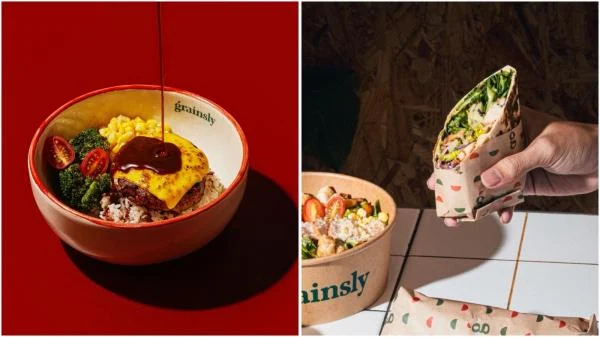
The landscape of healthy eating is undergoing a significant transformation, moving away from the traditional, narrow definition of "diet food" toward a more diverse, nutrient-dense culinary reality that prioritizes both physiological benefit and gastronomic satisfaction. For decades, the public perception of healthy eating was largely confined to restrictive calorie-counting and repetitive bowls of raw green salads. However, current market data and consumer behavior patterns indicate a departure from this limited perspective, as high-protein sandwiches, sophisticated rice bowls, and nutrient-packed smoothies redefine what it means to eat well.
This shift is not merely a fleeting culinary trend but a fundamental change in the relationship between consumers and their food. Driven by a more health-literate demographic—most notably Generation Z—the modern approach to dining emphasizes transparency in ingredients, the functionality of macronutrients, and the accessibility of healthy options in fast-paced environments.
The Changing Paradigm of Nutritional Awareness
The contemporary consumer, particularly within the younger demographic, is arguably the most informed generation regarding dietary science. Access to digital information, social media health influencers, and wearable fitness technology has catalyzed a transition from "dieting" to "lifestyle optimization." According to recent global nutrition surveys, nearly 65% of adults under the age of 30 actively research the caloric and macro-nutrient content of their meals before purchasing, a stark increase from the estimated 30% reported a decade ago.
This heightened awareness has forced the culinary industry to pivot. Restaurants and food startups are no longer just competing on taste; they are competing on the "value-add" of their dishes. The objective is to provide convenience without compromising on nutritional integrity. This has led to the proliferation of "functional foods"—products that provide health benefits beyond basic nutrition.
The Rise of Protein-Centric Dining
Central to this dietary evolution is the increasing focus on protein intake. Once primarily associated with bodybuilding culture and gym-goers, protein has moved into the mainstream consciousness as a vital component for metabolic health, satiety, and muscle preservation.
Data from the International Food Information Council (IFIC) suggests that protein remains the most sought-after nutrient among health-conscious consumers. The industry has responded by integrating high-quality protein sources into everyday meal formats that were previously considered "unhealthy" or "carbohydrate-heavy."
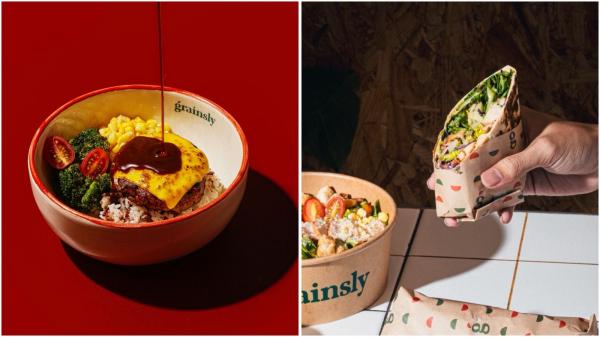
For instance, the transformation of the humble sandwich is a prime example. Modern iterations utilize sourdough or sprouted-grain breads, layered with lean proteins such as roasted turkey, wild-caught salmon, or plant-based proteins like tempeh and seitan. This turns a simple lunch option into a balanced macronutrient profile that supports muscle recovery and sustained energy levels throughout the work day.
Chronology of the Shift: From Salads to Smart Bowls
To understand this transition, it is helpful to look at the timeline of dietary evolution over the past twenty years:
- 2000–2010: The Era of Restriction. The culinary focus was largely on low-fat and low-calorie options. "Healthy" meant removing ingredients—no butter, no dressing, no carbohydrates. The "Side Salad" was the standard representation of health.
- 2010–2018: The Superfood Boom. The market shifted toward adding "superfoods" to diets. The emergence of kale, quinoa, and acai bowls dominated the industry. This era prioritized ingredient quality but still struggled to integrate these foods into mainstream, affordable convenience formats.
- 2019–Present: The Era of Functional Convenience. The current phase prioritizes "Smart Food." The focus is on the "Rice Bowl" or "Grain Bowl" concept—a modular, customizable, and balanced approach that ensures a mix of complex carbohydrates, lean protein, and healthy fats in every single serving.
Official Perspectives and Industry Response
Leading figures in the culinary and nutrition sectors have noted that this change is a direct response to the "time-poverty" of modern society. Dr. Elena Richards, a senior researcher in nutritional science, notes: "Consumers are no longer willing to choose between their busy schedules and their health goals. The industry is responding by creating food that is inherently healthy, rather than asking the consumer to modify an unhealthy meal."

Major hospitality groups, such as the Hyatt hotel chain, have begun integrating these nutritional philosophies into their high-end dining experiences. By incorporating regional, fresh ingredients—often inspired by Mediterranean or Riviera-style diets—these establishments are demonstrating that gourmet dining can be intrinsically healthy. This reflects a broader trend where fine dining is no longer an excuse to abandon dietary goals, but an opportunity to enjoy high-quality, nutrient-dense food.
The Economic Implications of Health-Conscious Dining
The economic impact of this shift is profound. The global healthy food market is projected to reach a valuation exceeding $1 trillion by 2027. This growth is bolstered by the increasing availability of healthy options in food delivery apps and fast-casual restaurant chains.
The integration of health-focused culinary options has created a "health premium" in the food industry. Restaurants that can successfully market their dishes as both healthy and delicious are seeing higher customer retention rates. Furthermore, the rise of the "Smart Rice Bowl" has disrupted the fast-food sector, with traditional quick-service restaurants scrambling to introduce grilled protein options and vegetable-heavy sides to remain relevant.
Analysis: Beyond the Plate
The implication for public health is significant. By normalizing healthy eating as a standard feature of the culinary landscape, the barrier to entry for the general public is lowered. When a quick, healthy, and protein-dense meal is as accessible as a processed burger, the societal pressure to maintain a healthy weight and metabolic profile becomes easier to manage.
However, challenges remain. The issue of "health-washing"—where products are marketed as healthy despite containing high levels of hidden sodium, sugars, or processed seed oils—is a growing concern. Nutritionists advise that while the variety of options has improved, consumers must remain vigilant about reading nutritional labels, even in trendy or "healthy-looking" establishments.

Conclusion: The Future of Nourishment
As we look toward the future, the integration of technology and culinary arts will likely deepen. Personalized nutrition, where meals are tailored to an individual’s genetic markers or real-time glucose monitoring data, is the next frontier. Yet, the current trend toward balanced, protein-rich, and vegetable-forward dining represents a robust and positive step forward.
The days of viewing health as a sacrifice are effectively coming to an end. As Gen Z and subsequent generations continue to exert their influence on the market, the demand for transparency, quality, and functional value will only increase. Whether it is a high-protein breakfast sandwich or a nutrient-dense rice bowl, the modern consumer is proving that the path to a healthier life is best traveled through a diverse, delicious, and well-informed plate. The culinary world is listening, and for the first time, the industry is aligning its profit motives with the long-term health of the global population.