Hotel Salak The Heritage stands proudly at Jalan Ir. H. Juanda Nomor 8, Bogor, offering travelers a unique blend of historical significance and modern hospitality. As a four-star accommodation nestled against the backdrop of the refreshing West Java mountain range, this establishment is far more than just a place to rest. It is a living monument that has witnessed the dramatic shifts of Indonesian history—from the Dutch East Indies colonial era and the Japanese occupation to the birth of an independent Indonesia and the modern era of international diplomacy.
With its distinctive European architectural styling, strategic location, and extensive lineage, Hotel Salak The Heritage remains one of the most culturally rich hospitality landmarks in the region. Its enduring legacy is a testament to Bogor’s evolution from a colonial administrative retreat into a vibrant modern cultural and tourism hub.
Historical Evolution and Chronology
The origins of Hotel Salak The Heritage trace back to 1856 during the height of the Dutch colonial administration in the archipelago. Originally established under the name Bellevue-Dibbets Hotel, the property was owned by the family of Governor-General Charles Ferdinand Pahud, who governed the Dutch East Indies from 1856 to 1861. During this period, Bogor—then known as Buitenzorg—served as the official residence of the Governor-General, functioning as an escape from the heat and humidity of Batavia (now Jakarta).
The hotel was initially constructed to accommodate high-ranking officials, dignitaries, and wealthy planters affiliated with the Vereenigde Oostindische Compagnie (VOC) and the colonial government who frequently traveled to Buitenzorg for official business or leisure. The architecture reflected the classical European aesthetic adapted to the tropical climate, featuring high ceilings, wide verandas, and sturdy pillars designed to maximize natural ventilation.
The outbreak of World War II and the subsequent invasion of the Japanese imperial forces in the early 1940s marked a turbulent chapter for the property. Like many European-owned assets in Southeast Asia, the Bellevue-Dibbets Hotel was requisitioned by the Japanese military. During the occupation, the historic building functioned as a strategic military headquarters, shifting its purpose from elite leisure to wartime operations.
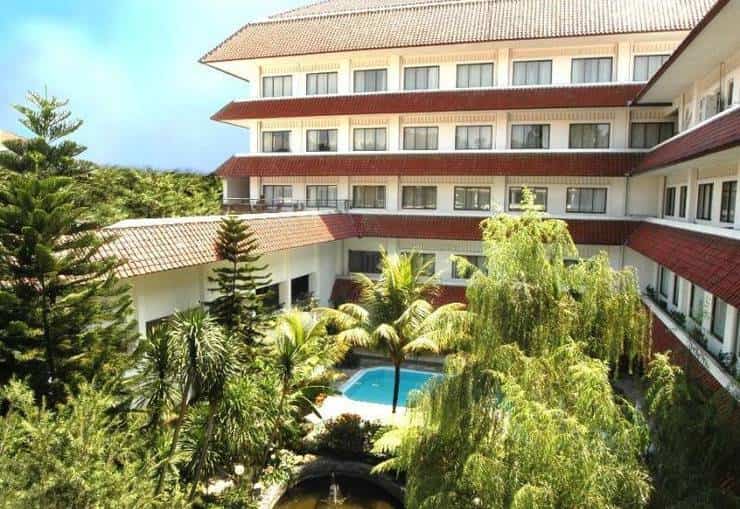
Following the proclamation of Indonesian independence in 1945 and the subsequent recognition of sovereignty, the property underwent significant transitions. Nationalization and shifting ownership models led to a rebranding, with the property eventually adopting the name Hotel Salak, inspired by the nearby majestic Mount Salak. Over the decades, the hotel underwent several rounds of modernization and expansion to meet evolving hospitality standards while meticulously preserving its foundational colonial architecture. Today, the complex boasts 140 well-appointed rooms and 16 versatile meeting spaces, balancing historical preservation with contemporary comfort.
Prime Location and Accessibility
Strategically positioned in the administrative and cultural heart of Bogor, Hotel Salak The Heritage offers unmatched accessibility for both heritage tourists and business travelers. The property is deeply integrated into Bogor’s urban landscape, surrounded by landmarks that define the city’s historical and ecological identity.
The hotel’s immediate vicinity includes several national and historical treasures. The renowned Kebun Raya Bogor (Bogor Botanical Gardens), spanning over 87 hectares and housing thousands of plant species, is located a mere 710 meters away. Adjacent to the gardens is the Istana Bogor (Bogor Palace), one of the six presidential palaces of Indonesia and a prominent symbol of national heritage, situated just 550 meters from the hotel’s entrance.
For science and nature enthusiasts, the Museum Zoologi, which houses an extensive collection of Indonesian fauna specimens, is located 630 meters away. Furthermore, the sprawling expanses of the Mount Halimun Salak National Park are accessible within a short distance of approximately 520 meters, providing visitors with immediate access to eco-tourism, mountain trekking, and conservation areas.
For travelers arriving from outside the region, the hotel provides efficient logistical support, including airport shuttle services available upon request, ensuring seamless connectivity to and from major transportation hubs such as Soekarno-Hatta International Airport in Jakarta and Halimandan Perdanakusuma.
Comprehensive Amenities and Modern Infrastructure
While Hotel Salak The Heritage takes pride in its historical identity, its operational standards align with contemporary four-star hospitality requirements. The property seamlessly integrates modern conveniences into its classic framework to cater to a diverse clientele ranging from corporate groups to families on weekend staycations.
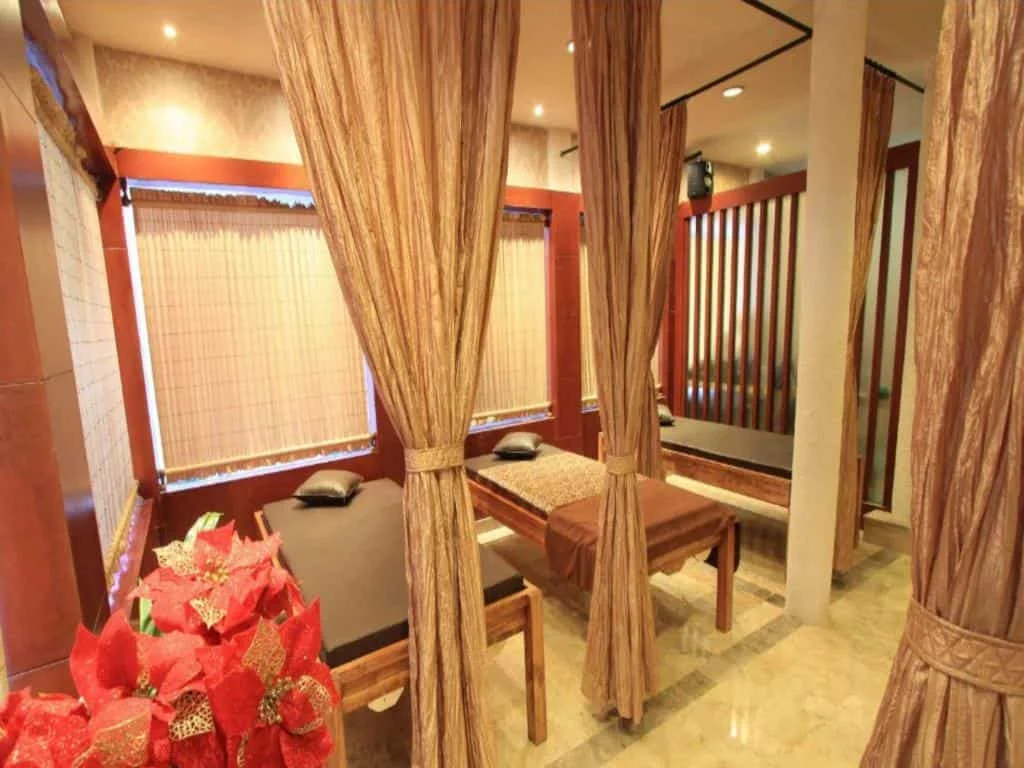
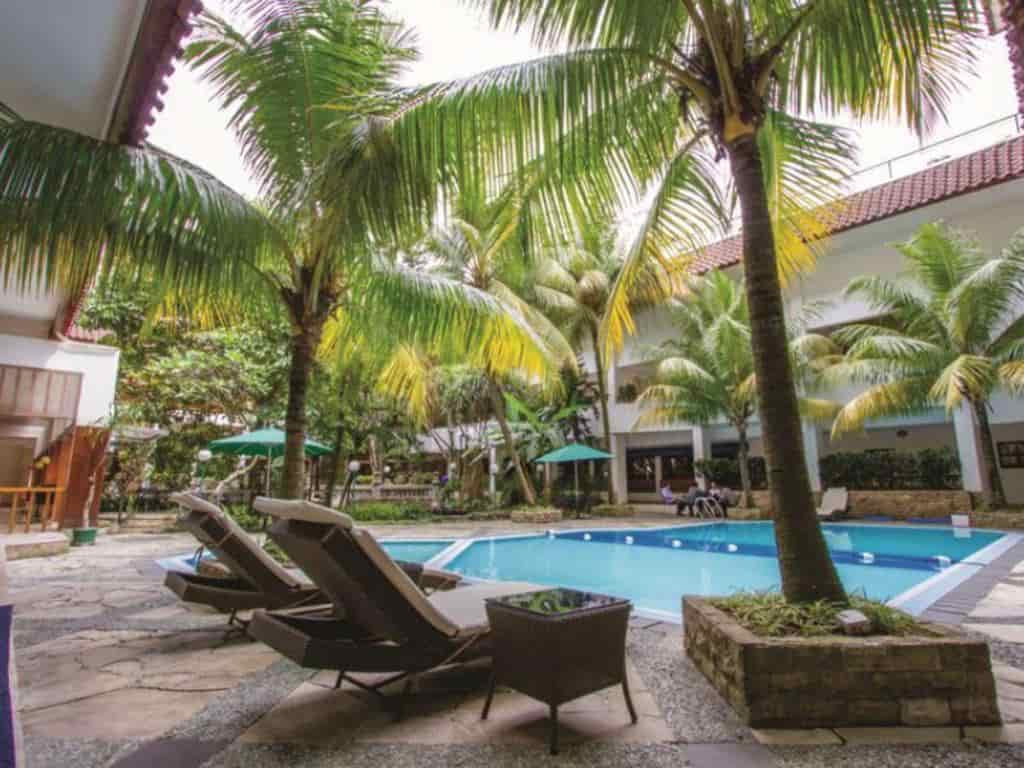
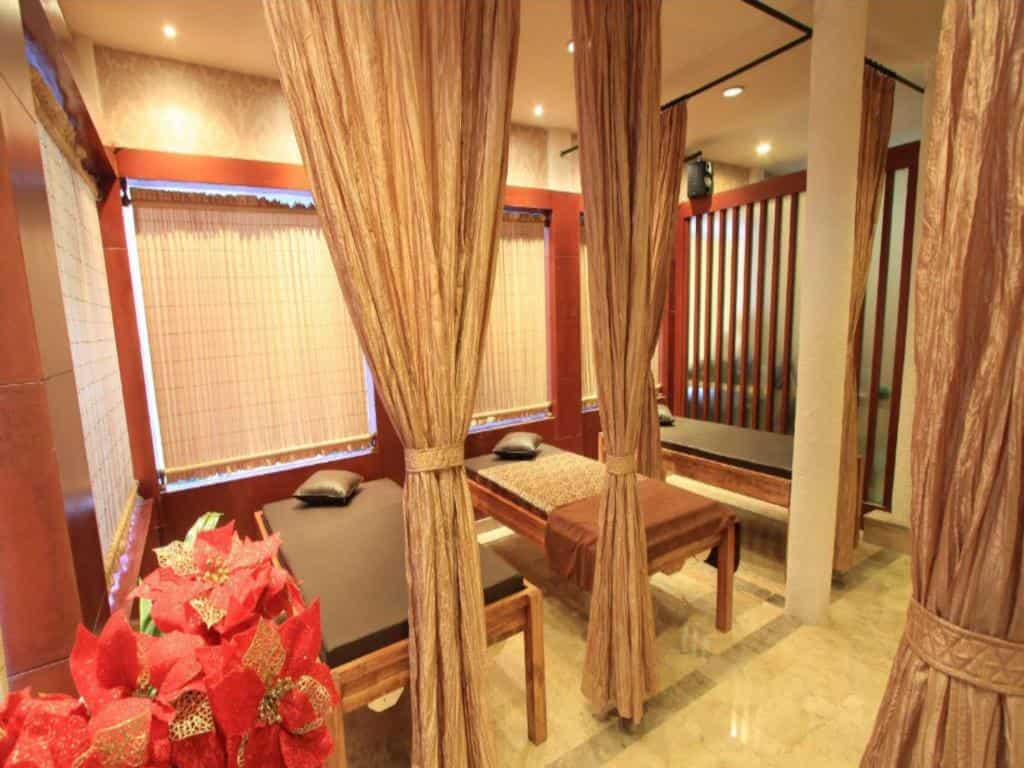
Recreational and wellness facilities are a central feature of the property. Guests have access to a fully equipped fitness center, a comprehensive spa offering traditional Indonesian wellness treatments, an outdoor swimming pool, and a dedicated library. For entertainment, the hotel provides karaoke facilities and billiard tables.
Culinary needs are met through a diverse selection of dining venues, including a main restaurant serving a mix of Indonesian archipelago cuisine and international classics, an atmospheric bar, and a specialized coffee shop highlighting local Indonesian coffee beans. Business travelers benefit from robust communication infrastructure, featuring high-speed Wi-Fi coverage across all public spaces and guest rooms, alongside 24-hour front desk operations, concierge services, and round-the-clock check-in capabilities. Room rates generally begin around Rp 509,171 per night, varying by seasonal demand and room category.
International Recognition and Diplomatic Milestones
Throughout its long operational history, Hotel Salak The Heritage has hosted numerous prominent figures, cementing its reputation for elite service standards. The pinnacle of its modern diplomatic prestige occurred in 2006, when the hotel played a critical logistical and hosting role during the historic state visit of United States President George W. Bush to Indonesia.
During this high-security international event, President Bush met with then-Indonesian President Susilo Bambang Yudhoyono at the Bogor Palace. Hotel Salak The Heritage was selected to support the extensive entourage, security details, and media personnel accompanying the US delegation. The rigorous security, operational precision, and culinary excellence demonstrated by the hotel staff during this high-stakes diplomatic visit earned the establishment formal international recognition.
Notably, the hotel was awarded a prestigious Certificate of Appreciation from the White House Communications Agency. This commendation underscored the property’s ability to meet stringent international standards of security, discretion, and service quality, validating its status as a premier institution in Indonesia’s hospitality sector.
Broader Economic and Cultural Implications
The enduring presence of Hotel Salak The Heritage highlights broader trends in urban heritage tourism across Indonesia. As historic cities like Bogor experience rapid modernization and commercial development, the preservation of colonial-era structures serves as an essential anchor for cultural identity and urban tourism economies.
Properties like Hotel Salak demonstrate that historical preservation can be economically viable when combined with adaptive reuse strategies. By maintaining its architectural heritage while upgrading interior infrastructure, the hotel contributes significantly to Bogor’s tourism ecosystem. It attracts not only leisure tourists seeking nostalgic aesthetics but also the Mice (Meetings, Incentives, Conferences, and Exhibitions) sector, which values unique historical venues over standardized modern business hotels.
Furthermore, the hotel acts as a cultural bridge, educating domestic and international guests on the complex historical transitions of the region through its physical presence. As local governments increasingly emphasize heritage conservation as part of sustainable urban development plans, institutions such as Hotel Salak The Heritage provide a functional blueprint for how historical properties can thrive in the 21st century without sacrificing their foundational character.