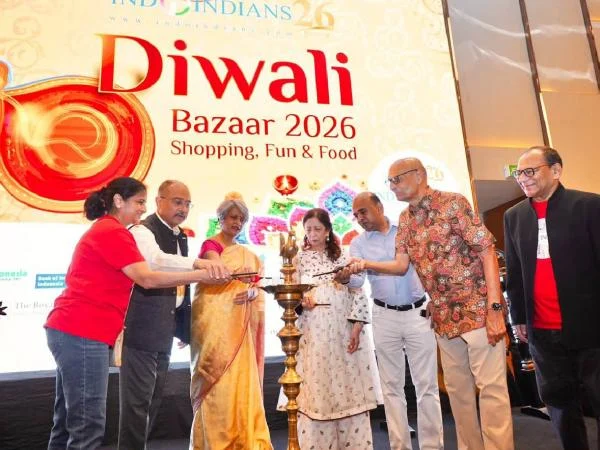
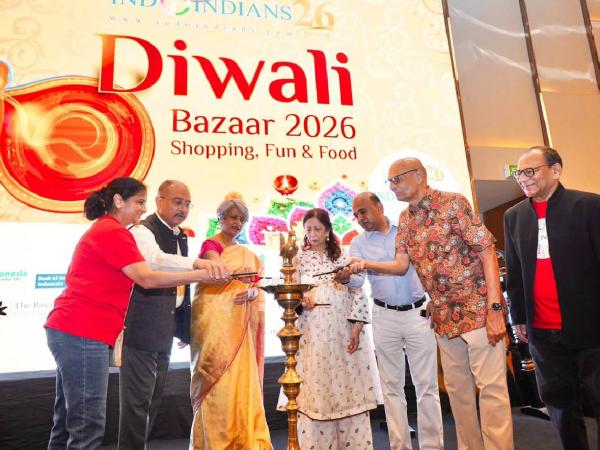
The Java Ballroom and Denpasar Room at The Westin Jakarta, Kuningan, transformed into a microcosm of Indian heritage on Sunday, September 27, 2026. As the city hummed with its typical metropolitan rhythm, the 12th annual Diwali Bazaar offered a stark, colorful contrast, inviting thousands of attendees to step into a sensory-rich environment that bridged the cultural divide between Indonesia and India. This year’s edition stood as a milestone, marking over a decade of consistent engagement, diplomacy, and community building.
A Decade of Cultural Diplomacy
The Diwali Bazaar, often referred to as the "Festival of Lights" showcase, has evolved significantly since its inception. What began as a smaller gathering of the Indian diaspora in Jakarta has blossomed into one of the most anticipated cross-cultural events in the Indonesian capital. The event serves as a platform for cultural exchange, where the philosophies of ‘Unity in Diversity’—shared by both Indonesia and India—are put into practice.
The 2026 iteration was particularly notable for its scale. With more than 3,000 visitors passing through the doors, the event highlighted the deepening economic and social ties between the two nations. The presence of the Indian Ambassador to Indonesia, Sandeep Chakravorty, underscored the diplomatic importance of the gathering. His attendance was not merely ceremonial; it served to validate the role of the Indian community as a vital pillar in Jakarta’s diverse social fabric.
The Anatomy of the Event
The layout of the bazaar was meticulously designed to offer a holistic experience. By utilizing both the Java Ballroom and the Denpasar Room, organizers provided ample space for a multifaceted program. The event was segmented into several key zones:
- The Bazaar Floor: This was the heartbeat of the event. Vendors offered an array of authentic Indian goods, ranging from intricately embroidered traditional garments like sarees and kurtas to modern lifestyle products. Beauty and wellness products, often sourced directly from Ayurvedic traditions, saw high demand, as did the display of ornate gold and silver jewelry.
- Wellness and Spiritual Corner: A dedicated space for wellness activities allowed visitors to participate in workshops related to yoga and meditation, reflecting the global trend of prioritizing mental and physical well-being.
- Culinary Showcase: No Indian cultural event is complete without its food. The bazaar featured stalls offering regional delicacies, ranging from North Indian savory snacks like samosas and chaat to the aromatic spices of South Indian curries, providing a literal taste of India to the Jakarta public.
- Artistic and Cultural Performances: Throughout the day, the stage was occupied by performances that showcased the diversity of Indian dance, music, and storytelling, providing an educational element for those unfamiliar with the nuances of Indian festivities.
Historical Context and Chronology
The festival of Diwali, or Deepavali, signifies the victory of light over darkness and good over evil. In India, the celebration involves the lighting of lamps (diyas), the exchange of gifts, and family gatherings. Adapting this for a cosmopolitan city like Jakarta requires a delicate balance between authenticity and local integration.
Since its first edition twelve years ago, the event has faced the challenge of translating deep-rooted traditions into an urban, expatriate-friendly format. The 2026 edition represents the pinnacle of this process. In previous years, the focus was primarily on retail. However, the 2026 event shifted toward an "experience-first" model, where the interaction between the Indian community and the local Indonesian public became the primary objective.
The logistics involved in hosting such a large-scale event at a premier venue like The Westin Jakarta require months of preparation. From coordinating with international vendors to ensuring local safety compliance, the organizing committee has refined its operational framework over the past decade to ensure that the event functions seamlessly within Jakarta’s strict urban event guidelines.

Economic and Social Implications
The economic impact of the Diwali Bazaar is twofold. For local vendors, it represents a significant opportunity to reach a high-spending demographic. For the Indian diaspora, it is an essential commercial link to their homeland. Beyond the transaction of goods, the event acts as a soft-power initiative. The exposure to Indian arts, fashion, and cuisine fosters a better understanding of Indian civilization among Indonesians.
Furthermore, the participation of Indonesian business owners in the bazaar signifies a growing interest in Indian trade. With India and Indonesia both being members of the G20 and sharing historical maritime trade routes dating back centuries, such events serve as a modern-day continuation of these long-standing relationships.
Perspectives from Stakeholders
While the event is a joyous occasion, it is also a platform for community leaders to reflect on the migrant experience. During his address, Ambassador Sandeep Chakravorty emphasized the importance of the Indian community in Jakarta as "cultural ambassadors." He noted that the success of the Diwali Bazaar is proof that cultural barriers can be dismantled through shared experiences, food, and celebration.
Exhibitors, many of whom have participated for several consecutive years, reported that the 2026 crowd was the most diverse yet. There was a notable increase in the number of local Indonesian visitors who were not affiliated with the Indian community, suggesting that the event has moved beyond a niche gathering and into the realm of mainstream Jakarta lifestyle events.

Addressing Cultural Nuances
It is important to note that while festivals like Diwali are celebrated with immense solemnity and joy in India, they also encompass a wide range of regional traditions. Some of these, such as the unique agricultural-based rituals found in rural India—like those involving cattle or specific harvest-time customs—are often misunderstood or sensationalized in international reporting. The Jakarta event, however, strictly adheres to the urban, traditional, and aesthetic aspects of Diwali, ensuring that the presentation remains accessible and respectful to the sensibilities of the local Indonesian host culture.
Looking Ahead
The 12th annual Diwali Bazaar has set a high benchmark for future iterations. As Jakarta continues to solidify its status as a global city, the role of community-led cultural festivals will only grow in importance. The organizers are already looking toward 2027, with preliminary plans to expand the event to include more interactive workshops and potentially a broader range of artistic collaborations with local Indonesian artists.
The success of this year’s bazaar provides a clear roadmap: when cultural events are curated with a balance of commerce, education, and entertainment, they resonate deeply with the public. For those in Jakarta, the Diwali Bazaar has become a permanent fixture on the cultural calendar, a day where the distance between the two nations feels significantly smaller, and the light of Diwali serves to illuminate the shared values of two great, historic cultures.
As the lights dimmed at The Westin Jakarta on the evening of September 27, the sentiment among attendees was one of profound connection. The bazaar was more than just a marketplace; it was a testament to the fact that in a globalized world, traditions are not meant to be static, but are meant to be shared, adapted, and celebrated in every corner of the globe. The 2026 Diwali Bazaar will be remembered as a high-water mark for cultural exchange in Jakarta, leaving a lasting impression on the thousands who attended and setting the stage for even more robust engagement in the years to come.