

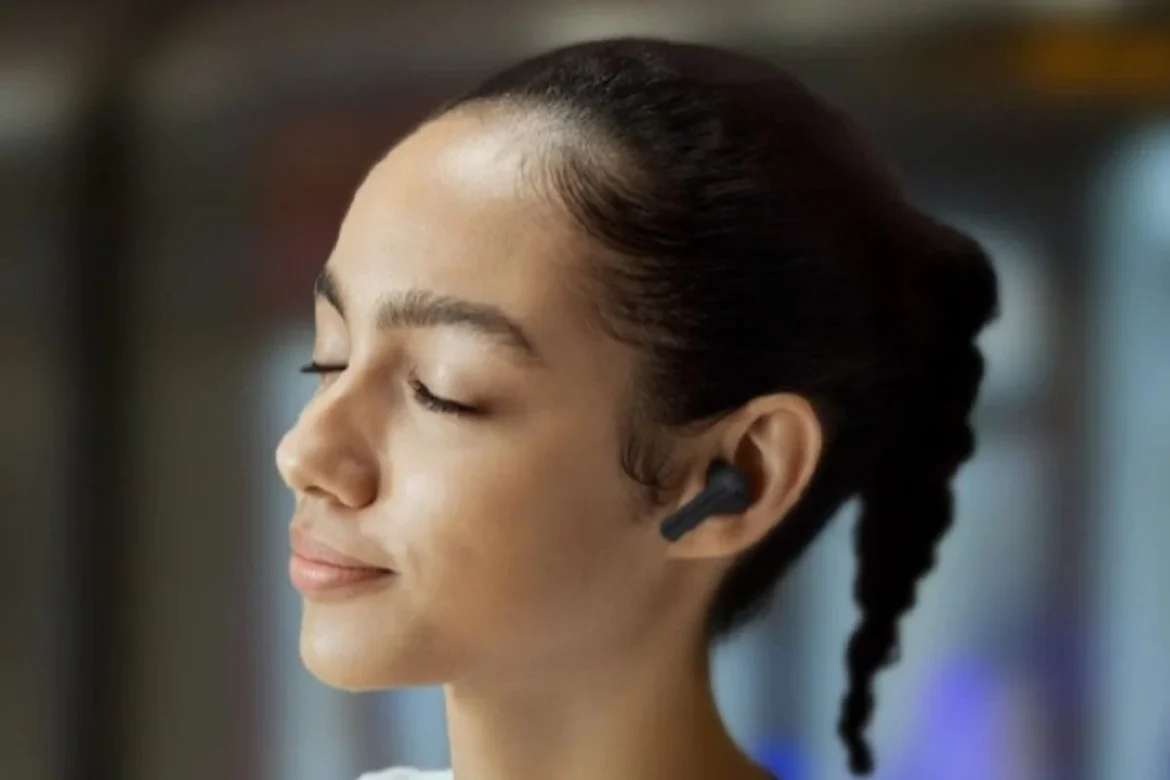
The ubiquitous presence of wireless audio technology has redefined how modern society consumes media, communicates, and navigates daily routines. From bustling commuter trains in metropolitan hubs to quiet home offices and high-intensity fitness centers, Bluetooth earbuds have seamlessly transitioned from a novel luxury to an essential accessory of daily life. Yet, as global adoption reaches unprecedented heights, this profound reliance on wearable audio tech has inevitably ignited widespread public discourse regarding its long-term safety profile. Consumers are increasingly forced to balance the undeniable convenience of untethered listening against persistent anxieties concerning potential health hazards, ranging from catastrophic electromagnetic radiation fears to debilitating hearing loss. To address these concerns responsibly, it is essential to examine the physiological realities of wireless audio, separating internet-fueled myths from clinically documented medical phenomena.
Demystifying Electromagnetic Radiation and the Cancer Myth
The most pervasive and anxiety-inducing rumor surrounding Bluetooth earbuds involves the persistent fear that placing a wireless transmitting device directly inside the ear canal exposes the human brain to dangerous levels of radiofrequency (RF) radiation, which many fear could eventually trigger oncological developments such as brain tumors. To understand why this fear is scientifically unfounded, one must examine the fundamental physics governing wireless communication.
Bluetooth technology operates via low-power radiofrequency waves falling strictly within the non-ionizing segment of the electromagnetic spectrum. Unlike ionizing radiation—which encompasses high-frequency waves such as X-rays, gamma rays, and even a portion of ultraviolet rays—non-ionizing radiation possesses a vastly lower frequency and energy level. According to authoritative documentation published by the World Health Organization (WHO) and corroborated by global health agencies, non-ionizing radiation lacks the necessary quantum energy to break chemical bonds, ionize atoms, or directly damage cellular DNA structures within the human body.
Furthermore, regulatory bodies worldwide, including the Federal Communications Commission (FCC) in the United States and comparable international safety standardization boards, enforce strict limitations on the Specific Absorption Rate (SAR) of any consumer electronic device sold to the public. The SAR metric quantifies the precise rate at which radiofrequency energy is absorbed by human tissue when operating a device at maximum power output. Contemporary Bluetooth earbuds exhibit SAR values that reside thousands of times lower than the safety thresholds mandated by international regulatory frameworks. Extensive epidemiological evaluations and rigorous clinical studies conducted over the past two decades have consistently failed to establish any credible causal link between normal, daily consumer usage of Bluetooth audio peripherals and the onset of brain cancer or other radiation-induced malignancies.
The Real Medical Risks: Beyond Radiation Anxieties
While consumers remain fixated on invisible electromagnetic fields, medical professionals emphasize that the genuine health threats associated with modern earbuds are far more tangible, mechanical, and behavioral. Because the public imagination is often captured by dramatic, high-tech myths, everyday physiological hazards are frequently overlooked until clinical symptoms manifest.
Foremost among these legitimate medical concerns is Noise-Induced Hearing Loss (NIHL). The human ear is a delicate biological apparatus comprising microscopic hair cells within the cochlea that translate acoustic vibrations into neural signals interpreted by the brain as sound. Unlike certain cells in other parts of the human body, these sensory hair cells possess a strictly limited capacity for regeneration. When exposed to excessive sound pressure levels over prolonged periods—a common occurrence when users crank up the volume on in-ear monitors to drown out ambient environmental noise—these hair cells suffer irreversible structural damage or complete destruction. Audiologists across the globe report a rising demographic trend of younger patients exhibiting high-frequency hearing loss and chronic tinnitus, a persistent ringing in the ears, directly attributable to the misuse of personal audio devices.
In addition to auditory degradation, the anatomical positioning of earbuds creates an ideal microenvironment for dermatological and microbiological complications. The human ear canal is naturally self-cleaning, utilizing cerumen (earwax) to trap dust, foreign particles, and dead skin cells while maintaining an acidic pH that inhibits bacterial and fungal colonization. Inserting a silicone- or foam-tipped earbud deep into the canal disrupts this delicate ecological balance. Prolonged wear prevents adequate air circulation, trapping moisture, elevating local temperatures, and pushing accumulated earwax deeper toward the tympanic membrane. This mechanical obstruction frequently leads to impaction, conductive hearing loss, and conditions such as otitis externa, commonly known as swimmer’s ear, characterized by severe localized inflammation, itching, pain, and bacterial infection.
The Evolution of Personal Audio: Convenience Meets Innovation
The anxiety surrounding wireless earbuds exists within a rapidly expanding industrial landscape characterized by aggressive technological innovation and shifting consumer preferences. The journey of personal audio began decades ago with bulky, wired headphones tethered permanently to stationary stereos and cassette players. The subsequent introduction of portable compact disc players and MP3 devices popularized smaller wired earbud designs, which, while eliminating bulk, plagued users with the perpetual frustration of tangled cords.
The definitive paradigm shift occurred in the late 2010s, catalyzed by major technology manufacturers removing traditional 3.5mm headphone jacks from flagship smartphone lineups and simultaneously introducing advanced true wireless stereo (TWS) ecosystems. Devices such as Apple’s AirPods, introduced initially in 2016, transformed personal audio from a utilitarian necessity into a major fashion and lifestyle statement. Over the ensuing years, market competition intensified dramatically, with industry giants like Samsung, Huawei, Sony, and countless audio-specialized brands flooding the global market with iterations featuring active noise cancellation (ANC), spatial audio processing, biometric health sensors, and AI-assisted sound tuning.
Recent market developments indicate that the industry is continuing to diversify beyond traditional in-ear canal occlusion models. Manufacturers are increasingly exploring open-ear architectures, clip-on designs, and bone-conduction alternatives aimed at mitigating the exact physiological drawbacks associated with traditional earbuds. For instance, recent product rollouts from Samsung and Huawei feature innovative open-ear and clip-on mechanisms that allow ambient environmental sound to pass naturally into the ear canal while simultaneously delivering high-fidelity audio. These design evolutions reflect a growing responsiveness within the consumer electronics sector to medical critiques regarding ear health and situational awareness.
Clinical Guidelines and Best Practices for Safe Listening
To enjoy the undeniable benefits of wireless audio technology without compromising long-term auditory or dermatological health, medical experts and audiologists advocate for the strict implementation of sensible usage protocols. Adopting proactive habits can dramatically mitigate the likelihood of developing noise-induced hearing loss or localized infections.
First and foremost, consumers are strongly advised to adhere to the universally recognized "60/60 rule." This clinical guideline dictates that users should limit their continuous listening time to a maximum of 60 minutes per session, after which they should take a mandatory listening break of at least 10 to 15 minutes to allow the delicate structures of the inner ear to rest. Furthermore, volume levels should never exceed 60 percent of the device’s maximum output capacity. For individuals operating in notoriously loud environments, such as airplanes, subways, or busy urban streets, utilizing earbuds equipped with advanced Active Noise Cancellation (ANC) is preferable to simply increasing the playback volume, as ANC electronically dampens background noise, enabling clear listening at significantly lower volume decibels.
Hygiene represents the second critical pillar of safe usage. Because earbuds accumulate microscopic debris, facial oils, and bacterial spores with every use, routine maintenance is non-negotiable. Users should clean and disinfect the silicone tips, mesh grilles, and charging cases of their audio peripherals on a weekly basis using specialized cleaning kits or soft, dry, lint-free cloths lightly dampened with isopropyl alcohol. Sharing personal earbuds with friends or family members should be strictly avoided to prevent the cross-contamination of pathogenic bacteria and fungi capable of precipitating severe otological infections.
Finally, individuals experiencing early warning signs—such as persistent dullness in hearing following removal of the devices, localized ear pain, unusual discharge, or the onset of ringing, buzzing, or hissing sounds in the ears—should immediately suspend all earbud usage and schedule a comprehensive diagnostic evaluation with a certified otolaryngologist or audiologist.
Broader Implications for Public Health and the Consumer Tech Industry
As wireless audio continues to saturate global markets, the intersection of consumer technology and public health demands ongoing, transparent collaboration between engineers, regulatory bodies, and medical researchers. The myth-busting consensus regarding non-ionizing radiation provides reassuring clarity, confirming that the physical existence of Bluetooth technology does not inherently threaten human cellular integrity. However, the documented risks associated with behavioral misuse—namely, noise-induced hearing loss and chronic ear canal infections—underscores the necessity for heightened public health education.
The burden of responsibility is shared across multiple stakeholders. Technology manufacturers must continue to refine ergonomic designs, improve open-ear and bone-conduction alternatives, and integrate intuitive software-based volume warnings and automated listening duration trackers directly into operating systems. Meanwhile, consumers must transition from passive users to mindful participants in their own health maintenance. By respecting the physiological limitations of the human ear and adopting disciplined listening habits, society can continue to embrace the remarkable connectivity and mobility afforded by modern wireless audio without sacrificing long-term sensory wellbeing.