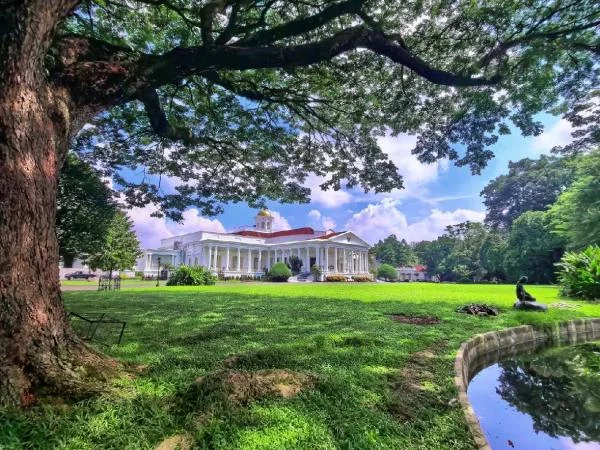
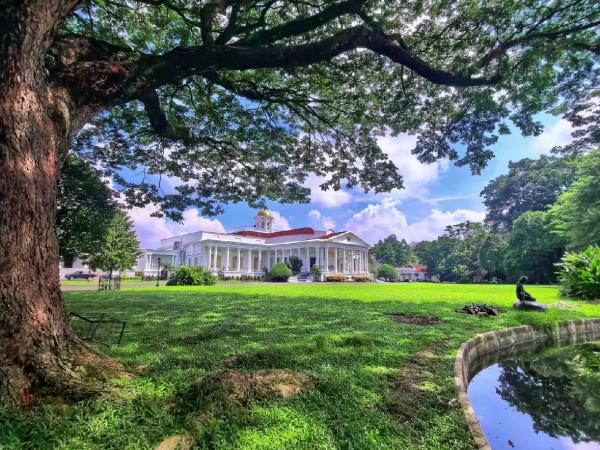
The Bogor Presidential Palace, one of Indonesia’s most iconic and historically significant landmarks, has officially opened its doors for public visitation, providing citizens with a unique opportunity to explore the grounds that have served as a center for national governance and diplomacy for decades. In a recent announcement disseminated through its official Instagram account, @istanakepresidenanbogor, the administrative body governing the palace confirmed that public tours are available free of charge. This initiative seeks to bridge the gap between the historic institution and the general public, allowing visitors to appreciate the architectural majesty and the lush biodiversity that defines the palace estate.
While the prospect of visiting this highly guarded and prestigious site is now a reality for many, the process is strictly regulated. Interested parties are required to submit formal applications and adhere to a specific set of administrative guidelines to ensure security and the preservation of the site. This development represents a significant shift in the accessibility of state assets, fostering a culture of transparency and public engagement with the national heritage.
Historical Context and Architectural Significance
The Bogor Presidential Palace is not merely a residence for heads of state; it is a repository of Indonesian history. Originally constructed in 1745 as a country house for the Dutch Governor-General Gustaaf Willem van Imhoff, the palace has undergone numerous transformations, including extensive renovations following the earthquake of 1834. It has served as a sanctuary for various leaders throughout the colonial and post-colonial eras, most notably as a favorite residence of Indonesia’s first President, Sukarno.
Spanning over 28 hectares, the estate is renowned for its expansive botanical gardens, which are home to a diverse array of flora and a famous population of spotted deer imported from Nepal. The architecture reflects a blend of European Neoclassical style and tropical aesthetics, specifically designed to adapt to the humid climate of Bogor, a city historically known for its high rainfall. By allowing public access, the government is inviting citizens to engage with this architectural legacy, effectively transforming the palace from a strictly administrative fortress into a site of national education and cultural tourism.
Navigating the Visit: Scheduling and Logistics
For those planning to visit, the palace has instituted a structured schedule to accommodate groups while maintaining the sanctity of the environment. The visiting hours are strictly confined to the standard workweek, running from Monday through Friday. Each day follows an identical hourly rotation, beginning at 08:00 WIB and concluding at 13:00 WIB. This predictable schedule allows for orderly visitor management, ensuring that tours do not interfere with the ongoing administrative and diplomatic duties that remain the primary function of the facility.
The breakdown of the daily schedule is as follows:
- 08:00 WIB
- 09:00 WIB
- 10:00 WIB
- 11:00 WIB
- 12:00 WIB
- 13:00 WIB
Potential visitors are advised to coordinate their applications well in advance. Given the high demand for access to such a prestigious location, slots are subject to availability and are often booked in cycles. Failure to adhere to the designated time slots or the established code of conduct can result in the denial of entry, as the facility remains a high-security area managed by the Presidential Security Force (Paspampres).
Security Protocols and Visitor Requirements
The Bogor Presidential Palace remains an active site for state meetings, formal receptions, and executive briefings. Consequently, the opening to the public is balanced by rigorous security protocols. Visitors are expected to undergo standard screening procedures, similar to those required at international airports or other high-profile government institutions.
Official guidelines emphasize the necessity of respectful conduct. As a site of national significance, visitors are prohibited from restricted areas, and photography may be limited to specific designated zones to protect the privacy of state officials and the integrity of sensitive architectural or archival items within the building. These rules are non-negotiable, and the palace management reserves the right to terminate visits should any breach of protocol occur.

Economic and Social Implications
The decision to open the Bogor Presidential Palace to the public has broader implications for the local economy and social cohesion. By integrating the palace into the public sphere, the government is likely to see an increase in local tourism traffic within Bogor. This "palace tourism" acts as a catalyst for local businesses, including hospitality, transportation, and culinary sectors, which serve the surrounding areas.
Furthermore, this move serves as a form of "soft diplomacy" by the state. When citizens are granted access to the seats of power, it fosters a sense of ownership and connection to the national narrative. It demystifies the political process and humanizes the institutions that govern the country. Educational institutions, in particular, are expected to benefit from this policy, as it provides a tangible, real-world classroom for students studying history, politics, and architecture.
Comparative Analysis: Public Access to State Institutions
When compared to other presidential palaces globally, such as the White House in the United States or the Élysée Palace in France, the Bogor Presidential Palace occupies a unique position. While many nations strictly limit access to their executive headquarters due to security concerns, the trend of allowing guided tours has become a hallmark of modern democratic governance.
In Indonesia, the opening of the Bogor Palace aligns with a broader push by the current administration to modernize the image of the state. By digitizing the application process and providing clear information via social media platforms, the Palace administration is demonstrating a commitment to efficiency and accessibility. This digital-first approach ensures that information is readily available to all segments of the population, regardless of their location, provided they have internet access.
Challenges and Future Considerations
While the opening is a positive development, it brings with it the challenge of preservation. Managing a steady stream of visitors while protecting delicate historical artifacts, furniture, and the surrounding natural ecosystem is a complex task. The palace management must balance the public’s right to access with the duty to preserve the site for future generations.
Future considerations may include the implementation of a more robust digital booking platform, the development of virtual tour options for those unable to visit in person, and the introduction of historical guides who can provide deep-dive narratives into the events that shaped Indonesia within these walls. The current model serves as a pilot program of sorts; its success will likely determine whether other presidential palaces, such as the Merdeka Palace in Jakarta or the Tampaksiring Palace in Bali, will follow suit with similar, or perhaps more expanded, public access policies.
Conclusion: A Milestone for National Engagement
The opening of the Bogor Presidential Palace to the public is a landmark event that signifies a more open and inclusive approach to the management of Indonesia’s historical assets. It provides a rare opportunity for citizens to stand where history was made and to appreciate the aesthetic and historical depth of one of the nation’s most storied buildings.
By adhering to the established rules and respecting the sanctity of the palace, visitors can ensure that this privilege remains available for years to come. For the curious citizen, the student of history, or the casual tourist, a visit to the Bogor Presidential Palace is now an accessible reality—an experience that promises to enrich one’s understanding of the Indonesian state and its evolving relationship with the people it serves. Those interested in experiencing this slice of history are encouraged to monitor the official social media channels and follow the stipulated application procedures carefully to secure their place in the next rotation of public visitors.