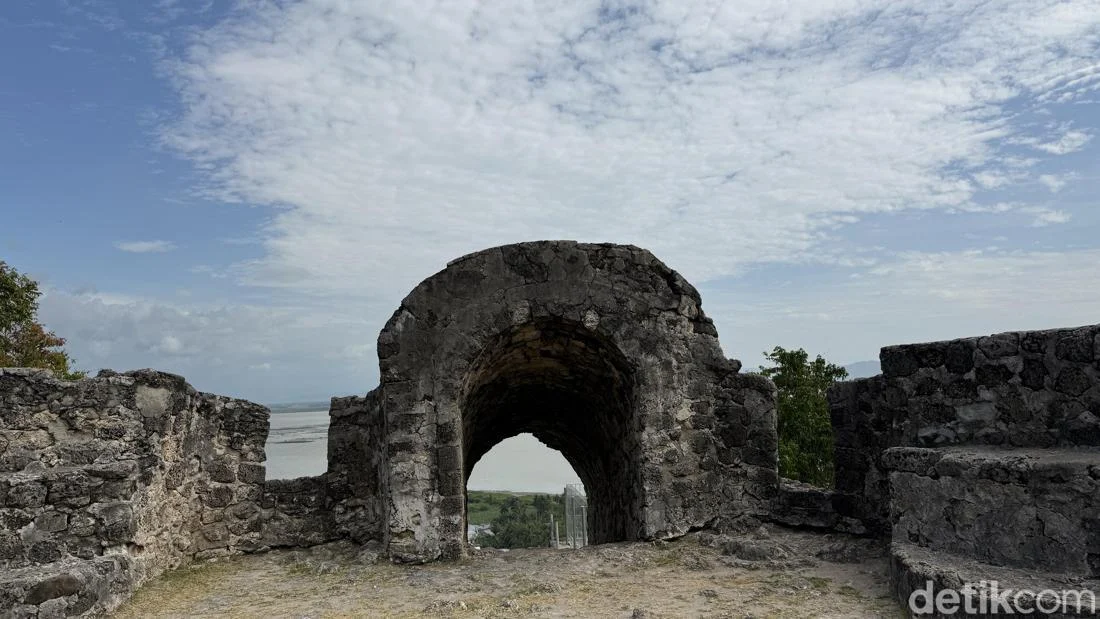
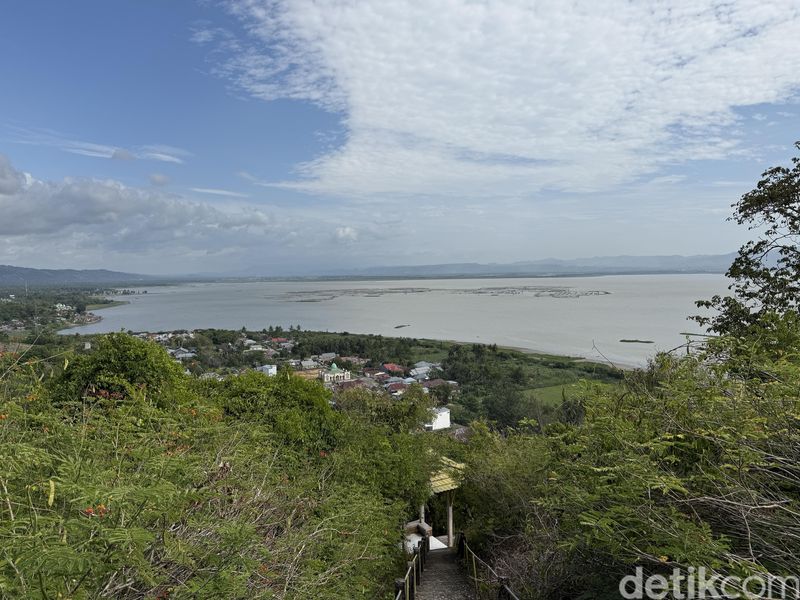
Otanaha Fort stands as a testament to the complex historical tapestry of Gorontalo, a province on the northern peninsula of Sulawesi, Indonesia, known for its rich maritime heritage and unique cultural landmarks. While Gorontalo is frequently celebrated for its pristine marine tourism, particularly its whale shark sightings and coral reefs, Otanaha Fort offers a different kind of allure—one rooted in 16th-century diplomacy, tragic family legends, and architectural mysteries. Located in the Dembe I sub-district of Kota Barat, Gorontalo City, the fort complex is perched atop a strategic hill, providing visitors with a panoramic vista of Lake Limboto. Beyond its visual appeal, the site is a designated cultural heritage zone that continues to spark debate among historians and locals alike, particularly regarding the long-standing myth that its walls were bound together using the white of Maleo bird eggs.
The Historical Genesis: A 16th-Century Strategic Alliance
The origins of Otanaha Fort date back to approximately 1522, a period when European powers were aggressively expanding their influence across the Indonesian archipelago in search of the lucrative spice trade. During this era, the Portuguese Empire, having already established a firm foothold in Malacca and the Moluccas, sought to secure safe passage and replenishment points along the northern Sulawesi coast. The construction of the fort was the result of a unique diplomatic agreement between the Portuguese explorers and the local ruler, King Ilato.
According to historical records and local oral traditions, the Portuguese requested permission to dock and establish a presence in Gorontalo. King Ilato, recognizing the superior military technology of the Europeans but also wary of the rising threat of piracy in the Celebes Sea, proposed a quid pro quo. He agreed to the construction of three defensive structures on the hills overlooking the bay and Lake Limboto, provided that the Portuguese assisted the kingdom in defending its waters against marauding pirates. Arief Setiawan, a dedicated guardian and conservator of the fort from the Gorontalo Cultural Preservation Office, notes that the construction was likely completed or significantly progressed by 1525. The fort served a triple purpose: it was a defensive stronghold, a security outpost, and a strategic observation point to monitor movements on both the land and the water.
The Three Pillars of Defense: Otanaha, Otahiya, and Ulupahu
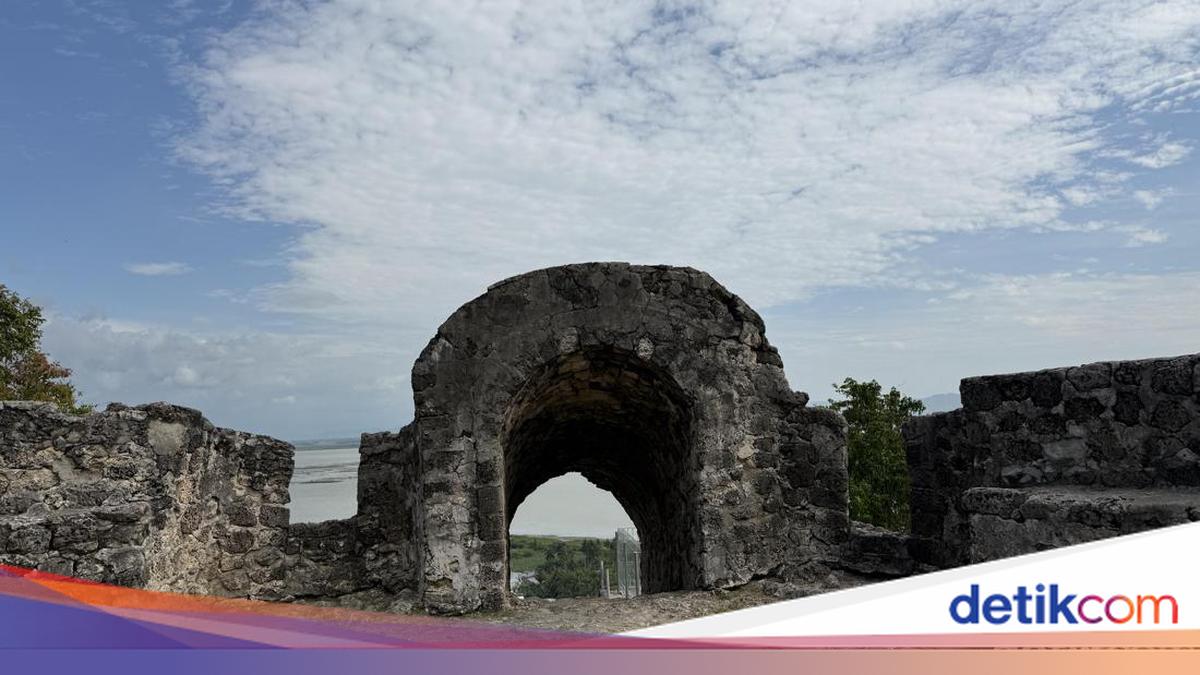
The complex is not a single monolithic structure but rather a series of three distinct circular fortifications. Each tower was strategically positioned to face different wind directions, ensuring that no blind spots remained for potential invaders. These three towers are known individually as Otanaha, Otahiya, and Ulupahu. While their architectural design is relatively simple—cylindrical structures with thick walls—their naming carries deep emotional and historical weight for the people of Gorontalo.
The nomenclature is tied to the tragic legend of the Naha family. As the story goes, King Ilato had a son named Naha, a prince known for his adventurous spirit. After traveling extensively, Naha returned to Gorontalo and rediscovered the forts that had been built during his father’s reign. He eventually married a woman named Ohihiya, and the couple had two sons, Pahu and Limono. The peace of the kingdom was eventually shattered by a conflict with a rival leader named Hemuto, who sought to expand his territory into the Gorontalo heartland. In the ensuing bloody battle to defend the realm, both Naha and his son Pahu were killed.
The survival of the kingdom fell to the remaining son, Limono, who managed to rally the local forces and defeat Hemuto, avenging his father and brother. In honor of his family’s sacrifice, the three forts were renamed. Otanaha (the "Fort of Naha") was named after the fallen prince; Otahiya was named after his wife, Ohihiya; and Ulupahu was named after the son who died in battle. This narrative has transformed the site from a mere military relic into a monument of familial loyalty and regional resilience.
Debunking the Myth: The Mystery of the Mortar
For generations, one of the most persistent stories surrounding Otanaha Fort is the "egg white" theory. Local folklore suggests that because the fort was built in an era before modern cement was available in the region, the builders used a mixture of sand, lime, and thousands of egg whites from the Maleo bird (Macrocephalon maleo)—a megapode endemic to Sulawesi—to act as a binding agent. This myth is not unique to Gorontalo; similar stories exist regarding the Great Wall of China and various colonial-era structures in India and the Caribbean.
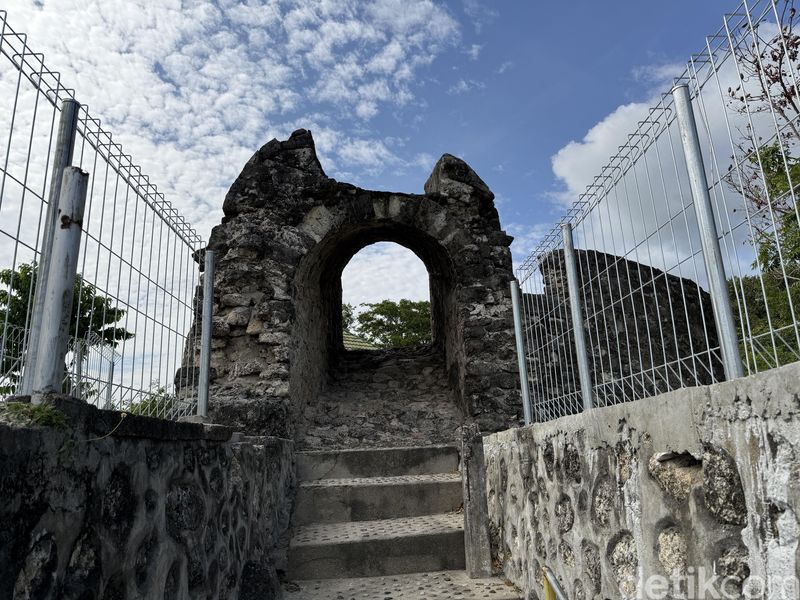
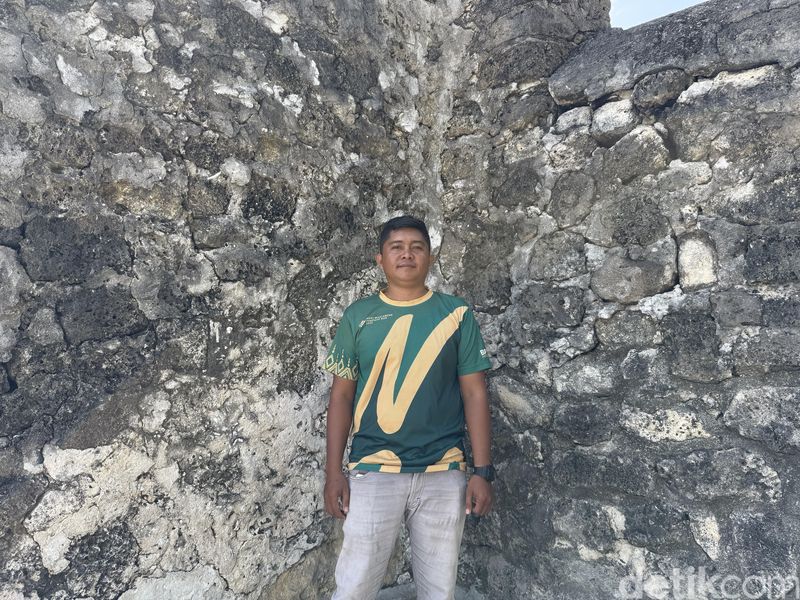
However, recent scientific investigations and physical analyses conducted by the Gorontalo Cultural Preservation Office have sought to separate fact from fiction. Arief Setiawan explains that while the narrative is popular on social media and among tour guides, the geological evidence suggests a more practical, albeit less romantic, reality. The fort’s walls are primarily composed of sedimentary rocks, including coral limestone and andesite—a type of volcanic rock common in the region.
"When we examine the mortar or the adhesive material on the surface of the fort’s structure, we find a high concentration of crushed coral and shell fragments," Setiawan explained. Researchers believe the actual binding agent was a traditional mortar made from pulverized limestone (lime) mixed with water and perhaps local organic resins, but not necessarily egg whites. The carbonated nature of the sedimentary rocks used in the construction allowed them to act as both fragments and a matrix, naturally bonding over centuries through a process of calcification. While the use of organic additives in ancient mortar is a recognized historical practice, there is currently no empirical evidence to confirm that Maleo eggs were used at Otanaha. The preservation of the Maleo bird today also makes the myth a sensitive topic, as the species is now endangered and protected by law.
Architectural Preservation and Modern Challenges
Otanaha Fort has undergone two major restoration phases in the modern era. The first took place between 1978 and 1979, focusing on stabilizing the crumbling walls of the main towers. The second phase followed shortly after, from 1980 to 1981, which aimed to improve the surrounding infrastructure to accommodate visitors. Despite these efforts, the fort has faced challenges in achieving the highest level of official recognition.
Currently, the Gorontalo provincial government and cultural experts are in the process of reapplying for the site to be designated as a National Cultural Heritage site (Cagar Budaya Nasional). A previous application was reportedly rejected due to technical documentation issues and the need for more comprehensive archaeological mapping. Securing this status is vital for the fort’s long-term survival, as it would unlock federal funding for advanced conservation techniques and international promotion.
Conservationists also emphasize the importance of visitor behavior. Although the fort walls are only about three meters high, authorities strictly advise against climbing on the structures. The ancient stones are susceptible to erosion and structural fatigue, and maintaining the integrity of the site is a priority over "perfect" social media photographs.
The Visitor Experience: The "1,000 Steps" and Lake Limboto
For modern travelers, Otanaha Fort offers a blend of physical challenge and aesthetic reward. Traditionally, the only way to reach the hilltop fortifications was by climbing a steep staircase known locally as the "1,000 steps." In reality, the climb consists of 358 steps, punctuated by four resting gazebos where visitors can catch their breath and enjoy the intensifying view.
For those less inclined toward a strenuous hike, the local government has developed a paved access road that allows cars and motorcycles to drive nearly to the top, where a spacious parking area is available. This accessibility has made the fort a popular spot for local families and photographers, particularly during the "golden hour." As the sun sets over the horizon, the fort provides an unobstructed view of Lake Limboto, the largest lake in the province. The lake itself is a site of ecological importance, though it faces its own challenges with sedimentation and shrinking water levels. Seeing the lake from the heights of Otanaha serves as a reminder of the interconnectedness of Gorontalo’s history and its environment.
Economic and Cultural Impact
The tourism surrounding Otanaha Fort provides a modest but consistent boost to the local economy in the Dembe I area. With ticket prices set at an affordable Rp 10,000 for domestic tourists and Rp 25,000 for international visitors, the site remains accessible to a wide demographic. The revenue generated is funneled back into the maintenance of the grounds and the employment of local staff and guides.
Beyond economics, the fort serves as an educational hub. Local schools frequently organize field trips to the site, ensuring that the younger generation of Gorontalo residents understands the 16th-century history of their region. It stands as a physical link to a time when Gorontalo was a significant player in regional maritime politics, capable of negotiating with European powers on its own terms.
Conclusion: A Sentinel of the Past
Otanaha Fort remains one of the most significant historical landmarks in Northern Sulawesi. It is a place where history, legend, and science converge. While the romantic notion of egg-white mortar may eventually be fully displaced by geological facts, the fort’s true value lies in its role as a silent witness to five centuries of change. From the arrival of Portuguese ships to the modern-day efforts of conservationists, Otanaha continues to stand guard over Gorontalo, offering a unique perspective on the resilience of a people and the enduring legacy of their ancestors. As it seeks national heritage status, the fort is poised to remain a cornerstone of Indonesian history, inviting the world to look beyond the beaches and discover the deep-rooted stories etched into its ancient stones.