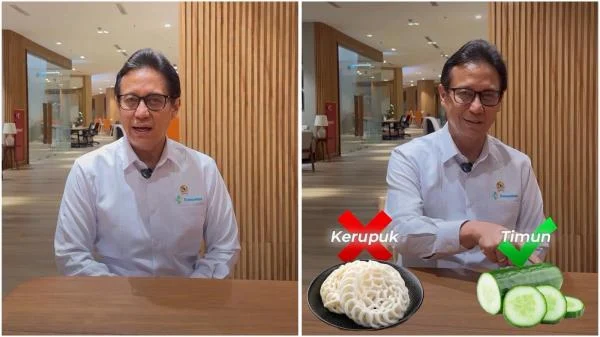
Jakarta, Indonesia – Minister of Health Budi Gunadi Sadikin has underscored that embracing a healthy lifestyle does not necessitate self-deprivation or the complete abandonment of beloved foods. Instead, he emphasizes a strategic approach to managing cravings, advocating for the selection of more nutritious alternatives to satisfy desires without derailing health goals. This message was disseminated through the Minister’s “Budi Gemar Sharing” (BGS) content, shared on his Instagram platform, offering practical advice for individuals struggling with the persistent urge to consume specific, often less healthy, foods.
The core of Minister Budi’s philosophy lies not in suppressing cravings, but in consciously choosing food options that are both satisfying and beneficial for overall well-being. This nuanced perspective aims to make healthy eating more accessible and sustainable for the general population, acknowledging the psychological and practical challenges many face when transitioning to healthier habits.
The Challenge of Cravings in Modern Diets
The prevalence of highly palatable, often ultra-processed foods in contemporary diets has significantly contributed to the rise of chronic diseases worldwide. These foods are engineered to be intensely rewarding, triggering pleasure centers in the brain and fostering a cycle of craving and consumption. For many, the initial enthusiasm for healthy eating often wanes when confronted with these ingrained food preferences. The perception that a healthy diet equates to bland, restrictive eating can be a major deterrent.
Minister Budi’s initiative directly addresses this widespread concern. By reframing the concept of healthy eating from one of restriction to one of smart substitution, he empowers individuals to make informed choices that align with their health objectives. His approach acknowledges that complete abstinence from desired foods can be unsustainable and may even lead to binge eating or a sense of failure.
Minister Budi’s Five Smart Swaps for Healthier Cravings
In his Instagram post, Minister Budi provided five concrete examples of food swaps that can help curb cravings while offering nutritional benefits:
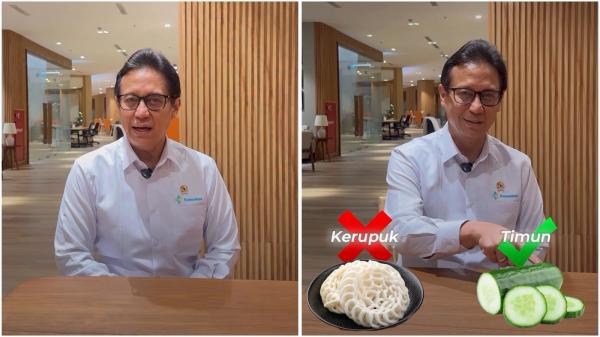
1. Satisfying Crunch: Cucumber Over Crackers
For individuals who crave the satisfying texture of crunchy foods, Minister Budi recommends opting for cucumber instead of traditional crackers. Cucumbers offer a refreshing crunch, are high in water content, and are remarkably low in calories. This makes them an excellent choice for weight management and hydration, providing a guilt-free alternative to processed snacks that are often high in refined carbohydrates and unhealthy fats. The crisp, watery nature of cucumber can effectively address the sensory aspect of the craving for something to bite into.
2. Sweet Indulgence: Fruit Over Candy
When a sweet craving strikes, the Minister suggests reaching for fresh fruits as a primary alternative to candies and sugary confections. Fruits naturally contain sugars, but they also come packaged with essential vitamins, minerals, dietary fiber, and antioxidants. The fiber in fruits helps to slow down sugar absorption into the bloodstream, preventing sharp spikes and subsequent crashes that can lead to further cravings. Furthermore, the variety of flavors and textures found in fruits can offer a more complex and satisfying sweetness compared to the one-dimensional sugary hit of candy. Examples like berries, apples, or bananas can provide sustained energy and a wealth of nutrients.
3. Creamy Texture: Avocado or Greek Yogurt Over Ice Cream
For those who yearn for the smooth, creamy texture often associated with ice cream or other rich desserts, Minister Budi proposes avocado or plain Greek yogurt as superior alternatives. Avocado, rich in healthy monounsaturated fats, offers a decadent creaminess and is packed with nutrients like potassium and folate. It can be used in various dessert preparations or even blended into smoothies. Plain Greek yogurt, on the other hand, is a powerhouse of protein, which promotes satiety and can help regulate appetite. Its creamy texture can be enhanced with a drizzle of honey or a sprinkle of cinnamon for added flavor without excessive sugar. These options provide the desired mouthfeel while delivering substantial nutritional value.
4. Savory Satisfaction: Nuts and Seeds Over Fried Snacks
When the craving is for something savory and perhaps a bit salty, Minister Budi advises turning to a handful of nuts and seeds instead of fried snacks like chips or processed savory biscuits. Nuts and seeds are excellent sources of healthy fats, protein, fiber, vitamins, and minerals. They offer a satisfying chew and can help curb hunger effectively. However, moderation is key due to their calorie density. Opting for unsalted or lightly salted varieties is also recommended to manage sodium intake. Examples include almonds, walnuts, pumpkin seeds, and sunflower seeds, which provide a range of beneficial nutrients and can be incorporated into various healthy snacks.

5. Comforting Warmth: Herbal Tea or Broth Over Sugary Beverages
For those seeking comfort in a warm drink, often associated with a desire for something sweet or indulgent, Minister Budi suggests herbal teas or clear broths as healthier alternatives to sugary sodas or sweetened coffee drinks. Herbal teas, such as peppermint, chamomile, or ginger tea, can be naturally flavorful and offer various health benefits without any calories or sugar. They can also have a calming effect. Clear broths, particularly vegetable or bone broth, can provide hydration and a sense of warmth and satiety, especially when made with low-sodium ingredients. These options satisfy the desire for a comforting, warm beverage without contributing to excessive sugar intake or empty calories.
The Broader Context: Public Health Initiatives and Nutritional Education
Minister Budi Gunadi Sadikin’s proactive approach aligns with global efforts to combat the growing burden of non-communicable diseases (NCDs), such as diabetes, heart disease, and certain types of cancer, which are heavily influenced by dietary habits. The Indonesian Ministry of Health has consistently promoted various public health campaigns aimed at improving the nutritional status and overall health of its citizens.
The “Budi Gemar Sharing” initiative can be seen as a modern and accessible extension of these efforts, leveraging social media platforms to reach a wider audience, particularly the younger demographic who are active online. The use of relatable content, such as addressing common cravings, makes health advice more palatable and actionable.
Expert Reactions and Public Health Implications
Nutritionists and public health experts have generally welcomed Minister Budi’s pragmatic advice. Dr. Anya Sharma, a public health nutritionist not directly involved with the Ministry’s initiatives, commented, "The Minister’s emphasis on smart substitutions is crucial. For years, public health messaging has sometimes been perceived as overly restrictive, leading to burnout and non-adherence. By providing concrete, appealing alternatives, he is empowering individuals to make gradual, sustainable changes. This is far more effective in the long run for promoting a healthier population."

The implication of such advice extends beyond individual health. A healthier population generally leads to a reduced burden on the healthcare system, increased productivity, and improved quality of life. By making healthy eating less intimidating and more integrated into daily life, the Ministry of Health is investing in the long-term well-being of the nation.
Looking Ahead: The Future of Healthy Eating in Indonesia
The success of Minister Budi’s approach will likely depend on continued reinforcement and the availability of healthier food options in the market. As consumer demand shifts towards healthier choices, it is anticipated that food manufacturers and retailers will respond by offering more nutritious alternatives. Furthermore, ongoing educational efforts that simplify complex nutritional information and provide practical guidance will be vital.
The underlying message from Minister Budi Gunadi Sadikin is clear: a healthy lifestyle is not an all-or-nothing proposition. It is a journey of mindful choices, where small, consistent adjustments can lead to significant improvements in health and well-being. By demystifying the process of managing cravings and offering practical, everyday solutions, the Ministry of Health is fostering a more positive and sustainable relationship with food for the Indonesian populace. The focus remains on building a foundation of good health through informed decisions, ensuring that healthy eating becomes a delicious and achievable reality for everyone.