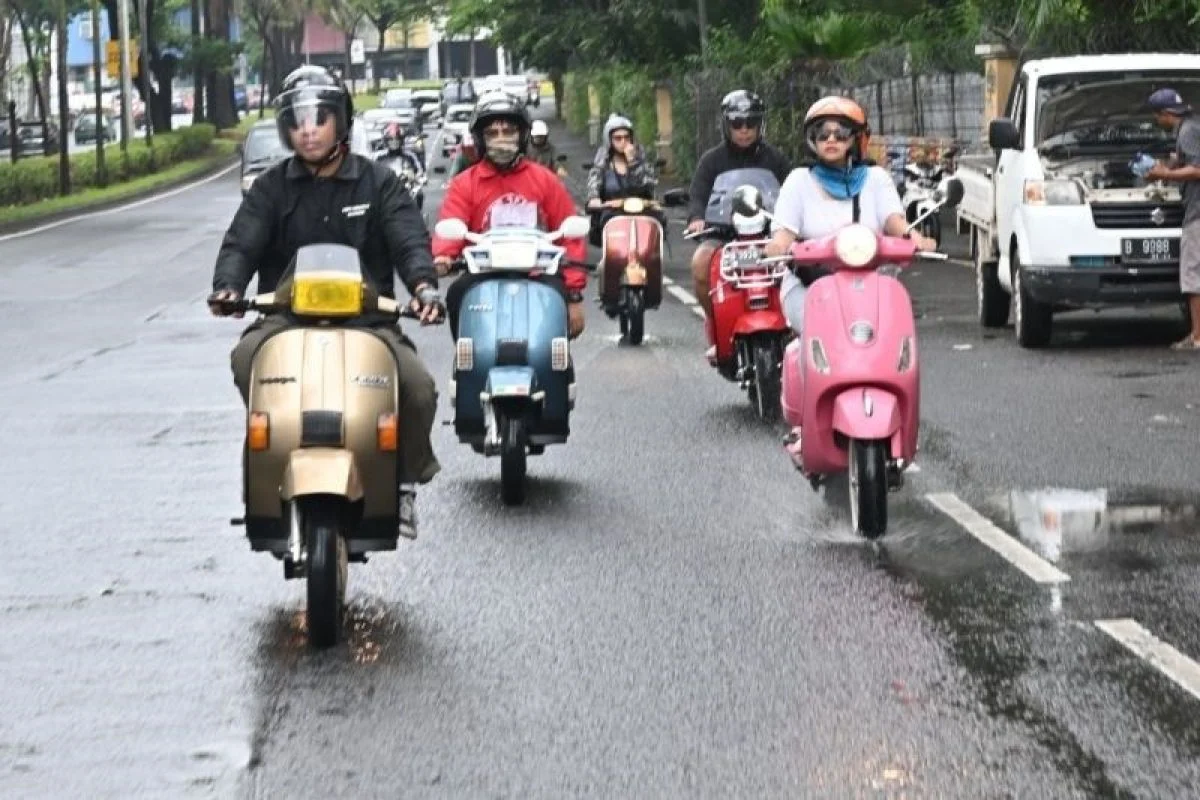
Jakarta, Indonesia – The Vespa matic, a celebrated icon blending timeless Italian design with contemporary technology, has solidified its position as one of Indonesia’s most coveted scooters, particularly among the nation’s vibrant youth and urban commuters. Revered for its stylish aesthetics and comfortable ride, it offers an ideal solution for navigating the bustling streets of metropolitan areas. However, like all sophisticated machinery, these modern classic scooters demand diligent maintenance to sustain optimal engine performance and a smooth riding experience. Despite regular upkeep, a recurring frustration reported by many Vespa matic owners is the phenomenon known as "brebet," or engine hesitation and stuttering upon throttle engagement. This condition not only detracts from the scooter’s otherwise enjoyable acceleration but can also disrupt daily commuting and, in some instances, raise safety concerns.
The "brebet" issue, characterized by an inconsistent power delivery or a feeling of the engine struggling to respond smoothly, can stem from a variety of underlying problems. Generally, these issues can be categorized into four primary systems: the ignition system, the fuel delivery system, the air intake system, and, uniquely for automatic scooters, the Continuously Variable Transmission (CVT). Understanding the root causes is paramount for effective diagnosis and resolution, ensuring that the beloved Vespa matic continues to perform as intended. Drawing upon insights from automotive experts, including specialists from Vestigo and various automotive media outlets, this comprehensive guide delves into the most common culprits behind engine hesitation, offering preventative measures and expert advice.
The Enduring Appeal of Vespa Matic in Indonesia
Vespa’s legacy in Indonesia dates back decades, evolving from manual transmission models to the widespread adoption of its automatic counterparts. The Vespa matic range, encompassing models like the Primavera, Sprint, GTS, and LX, has successfully captured the imagination of a new generation of riders. Its appeal is multifaceted: a distinctive retro-modern aesthetic, nimble handling suitable for congested urban environments, and a robust community of enthusiasts that fosters a unique subculture. This popularity is reflected in strong sales figures, with Vespa consistently being a significant player in the premium scooter segment. For many owners, a Vespa is more than just a mode of transport; it’s a statement of style and a lifestyle choice. Consequently, maintaining the pristine performance and reliability of these scooters is not merely a practical necessity but also a matter of pride and preserving the brand’s esteemed reputation. When a Vespa matic experiences "brebet," it’s not just a mechanical fault; it’s a disruption to an cherished riding experience.
Understanding the "Brebet" Phenomenon: A Common Rider Frustration
The term "brebet" is an colloquial Indonesian descriptor for an engine that sputters, hesitates, or misfires, particularly noticeable during acceleration or when attempting to maintain a steady speed. It signifies an imbalance in the delicate combustion process, where the precise mixture of air and fuel, ignited at the opportune moment, is compromised. Modern Vespa matic scooters, equipped with electronic fuel injection (EFI) systems, rely on a complex interplay of sensors and actuators to achieve optimal combustion. Any disruption in this sophisticated chain – be it a faulty sensor, a blocked fuel line, or an ignition issue – can manifest as "brebet." While frustrating, this symptom is often a warning sign that, if addressed promptly, can prevent more severe and costly engine damage.
Deep Dive into Ignition System Culprits
The ignition system is the spark that brings an engine to life. Its proper functioning is critical for consistent power delivery. Even minor faults within this system can lead to significant performance issues like "brebet."
1. Damaged Spark Plug Cap: A Hidden Problem
Often overlooked during routine maintenance, the spark plug cap, or "cangklong busi," plays a vital role in the ignition circuit. This component connects the high-voltage electricity from the ignition coil to the spark plug. In Vespa matic scooters, these caps are typically made from rubber or a similar polymer, materials that are susceptible to degradation over time. Prolonged exposure to engine heat, humidity, and general wear and tear can cause the material to harden, crack, or become brittle. Such damage compromises its insulating properties and its ability to maintain a secure connection.
Furthermore, improper installation or frequent removal can dislodge the internal spring contact, which is crucial for a stable electrical connection. When this spring contact shifts out of position, the electrical current flow to the spark plug becomes erratic and unstable. This instability directly translates to a weakened or inconsistent spark at the combustion chamber. An inadequate spark prevents the complete and efficient combustion of the air-fuel mixture, leading to the tell-tale signs of engine hesitation, especially during acceleration. Mechanics often report this as a relatively inexpensive fix that can dramatically improve engine smoothness, yet it is frequently diagnosed only after ruling out more obvious issues.
2. The Critical Role of the Spark Plug: Wear and Tear
The spark plug is arguably the most fundamental component of the ignition system, responsible for generating the precise spark required to ignite the compressed air-fuel mixture. Over time, spark plugs naturally succumb to wear. The constant exposure to extreme temperatures and pressures within the combustion chamber leads to the accumulation of carbon deposits on the electrode tip. These deposits can foul the plug, impeding its ability to create a strong, clean spark.
Beyond carbon buildup, the electrodes themselves experience erosion, causing the spark gap to widen beyond manufacturer specifications. An incorrect spark gap, whether too wide or too narrow, directly impacts the quality and consistency of the spark. When the spark is weak or intermittent, the combustion process becomes inefficient and incomplete. This results in a noticeable loss of engine power, rough idling, increased fuel consumption, and, critically, the sensation of "brebet" when the throttle is applied. Most manufacturers recommend spark plug replacement every 10,000 to 15,000 kilometers, though riding conditions and fuel quality can influence this interval. Ignoring a worn spark plug not only causes immediate performance issues but can also place undue strain on other ignition components.
3. Ignition Coil and Cable Integrity: Powering the Spark
Working in conjunction with the spark plug, the ignition coil is responsible for transforming the low voltage from the scooter’s electrical system into the thousands of volts necessary to create a spark. The ignition cable, in turn, transmits this high voltage to the spark plug cap. Both components are susceptible to wear and tear. Over extended periods of use, particularly in challenging tropical climates, the insulation on the ignition cable can degrade, leading to resistance or even intermittent short circuits. Similarly, the ignition coil itself can weaken internally, reducing its ability to generate sufficient voltage.
When either the coil or the cable is compromised, the high-voltage current delivered to the spark plug is diminished. A weak spark, as previously discussed, leads to incomplete combustion. This inefficiency manifests as a noticeable reduction in engine power, particularly under load, and can cause the engine to stutter or hesitate. Diagnosing a failing coil or cable often requires specialized tools to measure resistance and voltage output, highlighting the importance of professional servicing. Automotive technicians report that while less frequent than spark plug issues, a failing coil or cable can be a significant cause of persistent "brebet."
Fuel System Faults: The Lifeblood of the Engine
The fuel system is responsible for delivering a precisely metered quantity of clean fuel to the engine. Any interruption or contamination within this system can severely impact performance.
4. Contaminated Fuel Filter and Weak Fuel Pump: Starving the Engine
Modern Vespa matic scooters rely on a sophisticated fuel delivery system, beginning with the fuel pump and filter. The fuel filter’s primary function is to prevent impurities and particulate matter from reaching the fuel injectors and the engine itself. Over time, especially with varying fuel quality, this filter can become clogged with sediment and debris. A restricted fuel filter impedes the smooth flow of fuel, reducing the pressure at the injectors.
Concurrently, the electric fuel pump, located within the fuel tank, is responsible for maintaining a consistent fuel pressure. Like any mechanical component, fuel pumps can weaken over time or become partially clogged by contaminants. When the fuel pump’s output pressure drops below the engine’s requirements, or if the fuel filter is severely restricted, the engine receives an insufficient and inconsistent supply of fuel. This "starvation" leads to a lean air-fuel mixture, causing the engine to struggle, lose power, and experience significant hesitation, particularly during acceleration. Regular replacement of the fuel filter, typically every 20,000-30,000 kilometers, is a key preventative measure.
5. Clogged Injectors and Throttle Body: Precision Undermined
Vespa matic scooters utilize electronic fuel injection (EFI) systems, which demand meticulous precision in fuel delivery. The fuel injector is a finely tuned solenoid valve that atomizes fuel into a fine mist directly into the engine’s intake manifold or combustion chamber. The throttle body regulates the amount of air entering the engine. Over time, carbon deposits and varnish from fuel can accumulate on the injector nozzles and within the throttle body.
When injectors become clogged, their spray pattern is compromised, leading to an uneven and less efficient atomization of fuel. This results in an incorrect air-fuel mixture. Similarly, deposits in the throttle body can interfere with the smooth flow of air and the accurate readings from sensors like the Throttle Position Sensor (TPS). The engine’s Electronic Control Unit (ECU) then struggles to maintain the ideal stoichiometric ratio for combustion. The consequences are immediate: rough idling, poor fuel economy, reduced power output, and a pronounced "brebet" sensation, especially when the rider attempts to accelerate rapidly. Professional injector cleaning, often using ultrasonic methods or specialized chemical treatments, and throttle body cleaning are essential maintenance procedures.
6. The Peril of Water Contamination in Fuel
Fuel quality is paramount for engine health. One of the most detrimental contaminants is water, which can enter the fuel tank through various means: condensation, improper storage at fuel stations, or a poorly sealed fuel cap. Unlike gasoline, water does not combust, and its presence in the fuel mixture can have severe repercussions.
When water is drawn into the fuel lines and reaches the combustion chamber, it disrupts the ignition process, causing misfires and incomplete combustion. Even small amounts of water can lead to noticeable hesitation, reduced power, and a rough-running engine. In significant quantities, water can prevent the engine from starting altogether and can also cause corrosion within the fuel system components, including the fuel pump and injectors, leading to more extensive damage. To mitigate this risk, owners are strongly advised to refuel at reputable service stations and ensure their fuel tank cap is always securely closed. Fuel additives designed to absorb water can also provide an additional layer of protection.
Air Intake Challenges: Breathing Life into the Engine
Just as critical as fuel, a clean and consistent supply of air is essential for efficient combustion.
7. The Impact of a Dirty Air Filter: Choking Performance
The air filter acts as the engine’s lungs, preventing dust, dirt, and other airborne particulates from entering the combustion chamber. A clean air filter ensures a steady supply of clean air, which is crucial for maintaining the precise air-fuel ratio required by the EFI system. Over time, the air filter media becomes saturated with accumulated debris, restricting the airflow into the engine.
When airflow is compromised, the engine "chokes" for air, leading to a rich air-fuel mixture. This imbalance hinders complete combustion, resulting in a noticeable drop in engine power, reduced fuel efficiency, and the unpleasant sensation of "brebet." Furthermore, a severely clogged air filter can put additional strain on the engine and accelerate wear on internal components. Regular inspection and replacement of the air filter, typically every 5,000 to 10,000 kilometers depending on riding conditions (e.g., dusty urban environments), are simple yet vital maintenance tasks that directly impact engine performance and longevity.
CVT System: Beyond the Engine, Affecting Acceleration
While often attributed to engine issues, "brebet" or inconsistent acceleration can also originate from the Continuously Variable Transmission (CVT) system, a hallmark of automatic scooters.
8. Worn or Deformed CVT Rollers: Disrupting Smooth Power Delivery
The CVT system in a Vespa matic is responsible for seamlessly varying the gear ratio to match engine speed and load, providing smooth and continuous acceleration. A critical component within the variator assembly are the CVT rollers. These small, cylindrical weights move outwards due to centrifugal force as engine RPM increases, pushing the variator plates closer together and effectively changing the gear ratio.
Over extended use, these rollers can wear down, become flattened on one side (often referred to as "peyang" in Indonesian), or even crack. When rollers are no longer perfectly round or have inconsistent weights, their movement becomes erratic. This disrupts the smooth engagement and disengagement of the variator, leading to jerky acceleration, vibrations, and a sensation similar to engine "brebet." Instead of a fluid power delivery, the rider experiences a stuttering or inconsistent pull. While not directly an engine issue, the feeling of compromised acceleration is indistinguishable to the rider. CVT components, including rollers and the drive belt, typically have recommended inspection and replacement intervals, often around 15,000 to 20,000 kilometers. Neglecting these components can lead to not only uncomfortable riding but also premature wear on other, more expensive CVT parts.
Expert Insights and Prevention Strategies
Addressing the "brebet" issue in Vespa matic scooters requires a combination of diligent maintenance, informed riding habits, and timely professional intervention. Automotive experts universally emphasize the principle of preventative care.
The Importance of Adhering to Service Schedules
"Many owners overlook the simple things like a spark plug cap, but these small components can have a disproportionately large impact on performance," states Mr. Andi Pratama, a veteran motorcycle mechanic specializing in scooters in Jakarta. "Regular servicing at authorized workshops ensures genuine parts and expert diagnostics, which is crucial for maintaining the sophisticated engine and CVT systems of modern Vespas."
Manufacturer-recommended service intervals are not arbitrary; they are meticulously developed to ensure the longevity and optimal performance of the scooter. These schedules typically include checks and replacements for spark plugs, air filters, oil, gear oil, fuel filters, and CVT components. Adhering to these schedules helps in identifying potential issues like worn spark plugs or dirty filters before they escalate into significant performance problems like "brebet." A comprehensive service log can also aid technicians in tracing recurring issues.
Fuel Quality and Riding Habits: Owner’s Role
The quality of fuel used is a direct determinant of engine health. "Automotive analyst, Dr. Budi Santoso, noted, ‘The "brebet" phenomenon isn’t exclusive to Vespas but is a common complaint across many scooter brands, often stemming from the delicate balance required by modern fuel-injected engines. Using the manufacturer-recommended octane fuel is vital.’" Using lower-octane fuel than recommended can lead to pre-ignition or knocking, affecting combustion efficiency. Furthermore, avoiding letting the fuel tank run consistently near empty helps prevent condensation buildup and ensures the fuel pump remains adequately submerged and cooled. Periodic fuel system cleaners can also help mitigate carbon deposits in injectors and the throttle body.
When to Seek Professional Help: Early Intervention is Key
"I initially thought it was a major engine problem, but it turned out to be just a clogged fuel filter. Getting it checked quickly saved me a lot of hassle and expense," recounted Maria, a daily commuter who relies on her Vespa Primavera. Her experience underscores a crucial point: while basic checks can be performed by owners, persistent or worsening "brebet" symptoms warrant immediate professional diagnosis. Modern EFI systems are complex, and pinpointing the exact cause often requires specialized diagnostic tools that can read fault codes and monitor sensor data. Authorized Vespa dealerships or trusted, independent scooter specialists are equipped with the knowledge and tools to accurately diagnose and rectify these issues. Early intervention can prevent minor problems from escalating into major, costly repairs, safeguarding both the scooter’s performance and the owner’s investment.
Broader Implications: Safety, Economy, and Environmental Responsibility
The "brebet" phenomenon extends beyond mere inconvenience, carrying broader implications for safety, economy, and environmental responsibility. From a safety perspective, unpredictable engine hesitation during acceleration can be dangerous, especially when navigating heavy traffic or attempting overtakes. A rider’s ability to respond quickly and predictably to changing road conditions is compromised, increasing the risk of accidents.
Economically, ignoring "brebet" can lead to significantly higher operational costs. Inefficient combustion caused by these issues results in increased fuel consumption, directly impacting the owner’s wallet. Furthermore, minor, unaddressed problems can eventually lead to more severe damage to critical engine components, necessitating expensive repairs or even premature engine overhauls. A well-maintained scooter not only performs better but also retains a higher resale value.
Environmentally, incomplete combustion leads to higher emissions of pollutants. Modern scooters are designed to meet stringent emission standards, but a "brebet" engine will invariably produce more unburnt hydrocarbons and carbon monoxide. By ensuring their Vespa matic runs smoothly and efficiently, owners contribute to cleaner air and a reduced environmental footprint. Ultimately, maintaining a Vespa matic in optimal condition is a holistic approach that benefits the rider, the scooter’s longevity, and the broader community.
Copyright © ANTARA 2026