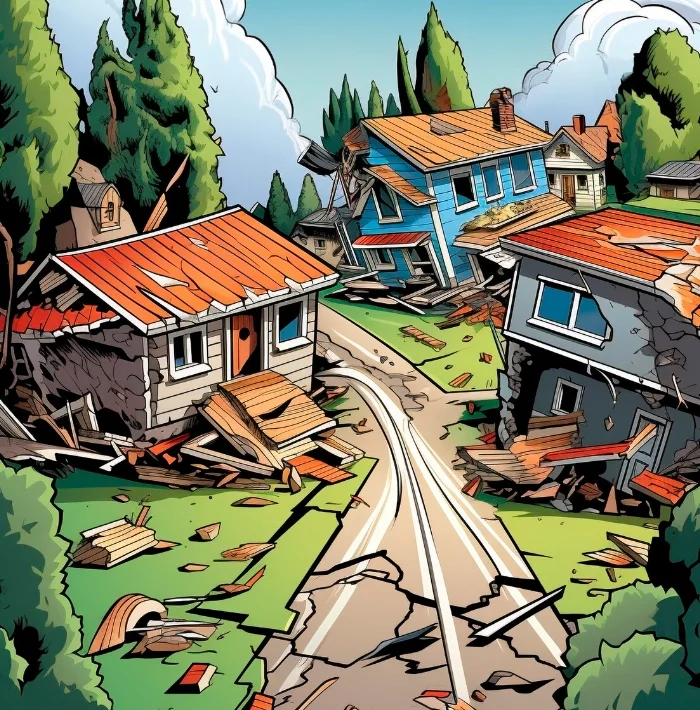
In a decisive move to address the long-term repercussions of the recent seismic activity in Nusa Tenggara Timur (NTT), the Indonesian Ministry of Health has deployed a specialized contingent of 160 Reserve Health Personnel (Tenaga Cadangan Kesehatan/TCK) to the region. This mission marks a strategic shift from immediate emergency response to comprehensive recovery, prioritizing the mental health and psychosocial well-being of survivors who have endured significant trauma following the devastating earthquake that struck the Flores region earlier this month.
The deployment, which took place on Monday, September 7, 2026, involves personnel specifically trained to manage trauma, acute stress disorders, and the psychological fallout of large-scale natural disasters. These professionals are now stationed across four critical districts: Ngada, Manggarai, Manggarai Barat, and Manggarai Timur, where the tremors left both structural devastation and widespread anxiety among the local population.
Chronology and Context of the Seismic Event
The earthquake, which triggered the current mobilization of human resources, occurred in the early days of September 2026. While the physical damage was concentrated across the mountainous and coastal regions of Flores, the secondary effects—such as displacement, the loss of livelihoods, and the destruction of ancestral homes—have created a volatile environment for the mental health of residents.
In the hours immediately following the initial tremors, the Indonesian government, through the National Disaster Management Agency (BNPB) and the Ministry of Health, initiated standard operating procedures for emergency triage. Search and rescue operations were prioritized, followed by the establishment of makeshift field hospitals to treat injuries ranging from fractures to respiratory issues caused by dust and debris.
By the end of the first 48 hours, it became clear that the humanitarian crisis was shifting. While acute injuries were being managed, reports from local health clinics indicated a surge in patients presenting with psychosomatic symptoms, insomnia, and severe anxiety. The Ministry of Health’s decision to dispatch the TCK team is a direct response to these evolving needs, ensuring that the recovery process encompasses the "invisible wounds" of the disaster.
The Strategic Shift: Addressing Mental Health in Disaster Zones
Sumarjaya, the Acting Head of the Ministry of Health’s Center for Crisis Health, highlighted the unique nature of this deployment. Unlike typical medical missions focused solely on surgical intervention or infectious disease control, this operation is fundamentally anchored in the provision of psychosocial support.
"The approach here is distinctly different from previous disaster responses," Sumarjaya stated in an official briefing on September 9, 2026. "We are focusing on the psychosocial dimension—how we provide mental health services to the communities in the Flores region. The trauma caused by the loss of property, the displacement of families, and the sheer terror of the earthquake event cannot be treated with medication alone. It requires human connection and specialized psychological intervention."
The 160 TCK members include psychologists, trauma-informed counselors, and psychiatric nurses, alongside general practitioners to ensure a holistic approach to patient care. They are operating in tandem with existing medical infrastructure, including the recently established field hospitals in Ruteng and Ngada, to ensure that mental health services are integrated into primary healthcare delivery.
Data and Demographic Vulnerabilities
Data from the affected districts suggests that children, the elderly, and individuals with pre-existing medical conditions are at the highest risk of developing Post-Traumatic Stress Disorder (PTSD) or secondary depressive episodes. The Ministry of Health has identified these demographics as the primary focus for the incoming TCK teams.
In the districts of Manggarai and Ngada, schools have been significantly disrupted, and communal shelters have become the primary living spaces for thousands. The lack of privacy and the constant uncertainty regarding aftershocks have exacerbated the stress levels of the displaced population.
Preliminary assessments indicate that:

- Over 15,000 people have been temporarily displaced across the four affected districts.
- Infrastructure damage includes approximately 2,000 residential units and 45 public facilities, including schools and clinics.
- Mental Health Demand: Local health centers reported a 300% increase in requests for stress-related consultations within the first 72 hours of the disaster.
The integration of these 160 health personnel allows for a "mobile clinic" model. By moving through temporary shelters and affected villages, the teams can reach individuals who may be too traumatized or physically restricted to seek help at the central hospitals in Ruteng.
Official Responses and Operational Challenges
The deployment of the TCK is part of a larger national framework designed to professionalize disaster response in Indonesia. The TCK system allows the government to call upon a pre-vetted, trained pool of medical professionals who can be mobilized within 24 hours of a crisis.
Local government officials in NTT have welcomed the arrival of the team. The Head of the District Health Office in Manggarai noted that while the initial medical response was effective, the mental health burden was threatening to overwhelm the limited local resources. "Our local nurses and doctors are also survivors; many of them lost their own homes," the official stated. "Having these reinforcements arrive from Jakarta is not only a boost to our capacity but a significant relief for our local staff, who were reaching the limits of their emotional and physical endurance."
However, the mission faces significant logistical hurdles. The geography of the Flores region, characterized by rugged terrain and often unpredictable weather, complicates the transport of supplies and personnel. Furthermore, the stigma surrounding mental health in rural, traditional communities remains a barrier that the TCK teams must navigate with cultural sensitivity.
Broader Implications for Disaster Management
This deployment underscores a critical evolution in Indonesia’s disaster management policy. Historically, the focus of the Indonesian government during post-disaster phases has been on reconstruction—rebuilding roads, homes, and schools. While essential, this "hardware" approach often neglects the "software" of recovery: the mental health of the survivors.
The inclusion of mental health services as a primary pillar of the emergency response suggests that the Ministry of Health is adopting a more comprehensive public health strategy. Experts in disaster psychology argue that early intervention is key to preventing long-term societal disruption. If the trauma of the 2026 NTT earthquake is not addressed, it could lead to long-term social instability, decreased productivity, and intergenerational trauma.
Furthermore, this mission serves as a pilot program for the future of the TCK. If successful, the model of embedding specialized psychosocial units within standard emergency medical teams could become a mandatory component of all future national disaster relief efforts.
The Path Forward: Long-Term Recovery
As the TCK teams begin their work, the challenge shifts toward sustainability. Psychological recovery is not an overnight process; it requires sustained support over weeks and months. The Ministry of Health has indicated that the current deployment is expected to last for an initial period of one month, with the possibility of extension depending on the evolving situation on the ground.
The transition from emergency response to community-based recovery will likely involve training local health workers to continue providing psychological support long after the TCK teams have returned to their home bases. By building local capacity, the government aims to ensure that the mental health infrastructure in NTT is more resilient to future environmental shocks.
In the coming weeks, the Ministry of Health is expected to release a detailed report on the findings of the TCK teams. This data will be instrumental in shaping future disaster mental health policies and will likely be used to refine the training modules for the next generation of Reserve Health Personnel.
For the people of NTT, the presence of these teams is a symbol of national solidarity. While the path to reconstruction remains long, the acknowledgment of their psychological suffering—and the commitment to addressing it with the same urgency as physical injuries—is a vital step toward restoring normalcy in a region that has faced more than its share of adversity. As the teams work through the valleys of Flores, their mission is clear: to ensure that while the earth may have shaken, the resilience of the community remains unshaken, bolstered by the support of a nation committed to the holistic healing of its people.