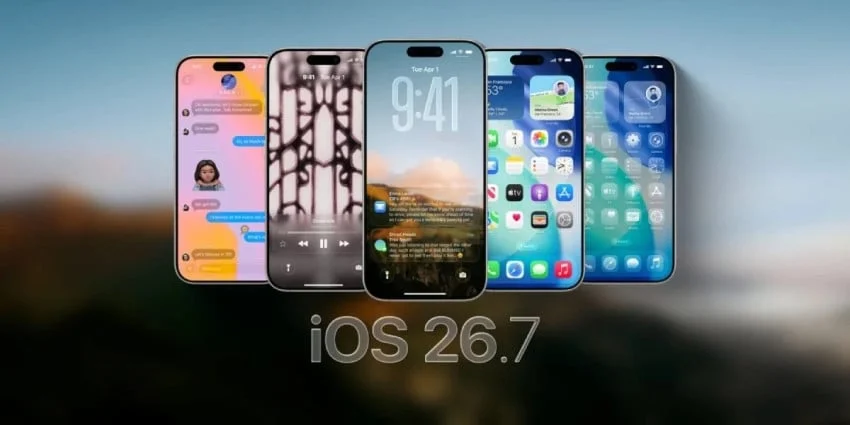
In a strategic move to prioritize system integrity and user protection, Apple has officially rolled out iOS 26.7 for a wide range of compatible iPhone models. While the global technology community remains largely fixated on the cutting-edge features and architectural shifts introduced in iOS 27, this latest update serves as a vital safeguard for users who, for professional or personal reasons, have chosen to remain on the previous iteration of Apple’s mobile operating system. By decoupling security maintenance from major feature deployments, Apple is reinforcing its commitment to the long-term viability and data privacy of its vast installed user base.
The Scope of iOS 26.7: A Security-First Mandate
Unlike traditional software updates that typically introduce aesthetic refinements, new functionalities, or user interface (UI) enhancements, iOS 26.7 is exclusively an engineering response to identified security threats. The decision to forgo new features is a deliberate choice intended to minimize the "attack surface" of the operating system. By focusing entirely on the underlying architecture, Apple developers have successfully patched critical vulnerabilities that could have potentially been exploited by malicious actors.
In the current digital landscape, where the frequency and sophistication of cyberattacks are reaching unprecedented levels, the role of "out-of-band" security updates has become paramount. These patches are designed to mitigate risks that cannot wait for the next major OS release cycle. By deploying these fixes now, Apple provides a robust shield for devices that contain sensitive personal data, corporate communications, and financial information, effectively neutralizing potential zero-day exploits before they can be weaponized in the wild.
Chronology of the Release and Strategic Positioning
The release of iOS 26.7 follows a period of rapid development within Apple’s software division. The company typically maintains a bifurcated update strategy during the transition between major OS versions. Historically, Apple provides support for the previous version for several months following the launch of a new major iteration to ensure that enterprise clients and individual users have sufficient time to test their apps and workflows against the new environment.
The chronology of this release highlights Apple’s tiered approach to software lifecycle management:
- Initial Discovery Phase: Security researchers and Apple’s internal threat intelligence teams identify a series of vulnerabilities within the core kernel and web-rendering engines of the iOS 26 architecture.
- Development and Testing: Engineers prioritize the development of a patch that addresses these vulnerabilities without altering the existing API structure, ensuring that the stability of the system remains uncompromised.
- Deployment Strategy: Apple implements a UI change within the "Software Update" settings menu, positioning iOS 26.7 as the primary, recommended update for devices still running the legacy software, while relegating the upgrade to iOS 27 to a secondary, optional position.
- Public Rollout: The update is pushed to global servers, allowing millions of users to secure their devices with minimal disruption to their daily usage patterns.
The Importance of Patch Management in Modern Computing
The cybersecurity landscape of the mid-2020s is defined by the rapid emergence of vulnerabilities. Data from industry analysts indicates that the time between the discovery of a vulnerability and the development of an exploit is shrinking. Consequently, the onus is on hardware manufacturers to deliver timely patches.
For corporate environments, where thousands of iPhones may be deployed across a workforce, the ability to maintain a stable, secure environment while delaying a move to a new major OS—which may require significant IT validation—is invaluable. iOS 26.7 provides this stability. By addressing critical bugs that could lead to unauthorized access or remote code execution, Apple ensures that the transition period between OS versions does not become a period of heightened risk for its users.
Analyzing the User Experience and UI Adjustments
A notable aspect of this update is how Apple has modified the user experience within the Settings application. By listing iOS 26.7 as the default recommended update, Apple is implicitly acknowledging that not every user is ready to migrate to the next major version of iOS. This design choice is rooted in data-driven user behavior analysis, which shows that a significant percentage of users prefer to defer major OS updates to avoid potential compatibility issues with specialized enterprise applications or to wait for the first "point-one" release of a new OS to ensure stability.
By creating a clear, two-track update system, Apple is effectively providing a "safety lane" for its users. This serves as a testament to the maturity of the iPhone ecosystem, where the company recognizes that security is a universal requirement, while feature adoption is a matter of user preference and timing.
Implications for the Broader Apple Ecosystem
The release of iOS 26.7 also has implications for the broader Apple hardware lifecycle, particularly as newer devices like the iPhone 18 begin to dominate the market. As Apple introduces more sophisticated hardware features, the demand on the software to support those features grows. However, the maintenance of legacy software ensures that older devices remain functional and secure for as long as possible.
This approach has profound benefits for:
- Enterprise Security: IT departments can maintain a consistent security posture across their entire device fleet.
- Device Longevity: By keeping older phones secure, Apple encourages a longer device replacement cycle, which aligns with the company’s environmental sustainability goals.
- Consumer Trust: When users know that their devices will continue to receive critical security updates even after a new major OS is released, the value proposition of the iPhone as a long-term investment is solidified.
Technical Perspectives on Zero-Day Protection
Security experts emphasize that the vulnerabilities addressed in iOS 26.7 are not merely theoretical. They represent the type of "zero-day" flaws that are highly sought after in the private exploit market. These flaws often reside in low-level system components—such as the memory management unit or the network stack—where they can bypass standard user-level permissions.
By issuing this patch, Apple is demonstrating its capacity to respond to advanced persistent threats. The update likely includes hardening measures that make it significantly more difficult for malicious actors to chain multiple vulnerabilities together to achieve a full system compromise. While the specific details of these vulnerabilities are often kept under embargo until a significant majority of the user base has updated, the necessity of the patch is underscored by the urgency with which it was pushed to the public.
The Balancing Act: Security vs. Feature Innovation
The release of iOS 26.7 is a perfect case study in the balancing act of modern software engineering. Innovation is the engine that drives interest in new devices like the iPhone 18, but stability and security are the foundations that maintain customer loyalty.
Industry analysts suggest that Apple’s ability to manage two parallel software development tracks—the development of iOS 27 features and the maintenance of iOS 26 security—is a core competency that differentiates it from competitors. It requires a significant allocation of engineering resources to backport security fixes to an older branch of code, a task that many smaller manufacturers often fail to perform adequately.
Future Outlook and Recommendations for Users
Looking ahead, as Apple continues to advance its software capabilities, it is expected that this dual-track update policy will remain a staple of the iOS ecosystem. Users are strongly encouraged to navigate to their Settings menu to verify their current version.
For those who rely on their iPhones for critical tasks—such as accessing sensitive company data, banking, or storing proprietary information—the installation of iOS 26.7 is not merely a recommendation; it is a necessity. Even if one intends to eventually upgrade to iOS 27, ensuring the current system is fortified against known threats is a best practice in digital hygiene.
In conclusion, the release of iOS 26.7 underscores a fundamental truth about the modern smartphone era: a device is only as secure as its most recent update. Apple’s dedication to providing a secure environment for legacy users, even while the spotlight shines on newer iterations of its hardware and software, highlights a responsible and forward-thinking approach to product management. By prioritizing security through this targeted update, Apple has once again affirmed its position as a leader in maintaining the integrity of the personal computing experience. As the digital landscape continues to evolve, the ability to deliver such precise, effective, and timely interventions will remain a critical metric of success for technology leaders globally.