A groundbreaking leap in neurotechnology has emerged from the University of California, San Francisco (UCSF), where researchers have successfully developed a brain-computer interface (BCI) capable of simultaneously translating both spoken language and physical gestures into digital outputs. This dual-modality system represents a significant milestone in the quest to restore naturalistic communication for individuals living with severe paralysis, effectively bridging the gap between internal neurological intent and external expression. By decoding neural signals into both text and the movements of a digital avatar, the technology addresses a long-standing limitation in the field: the reductionist nature of current BCI systems that focus solely on speech or cursor control.
The Evolution of Neural Decoding
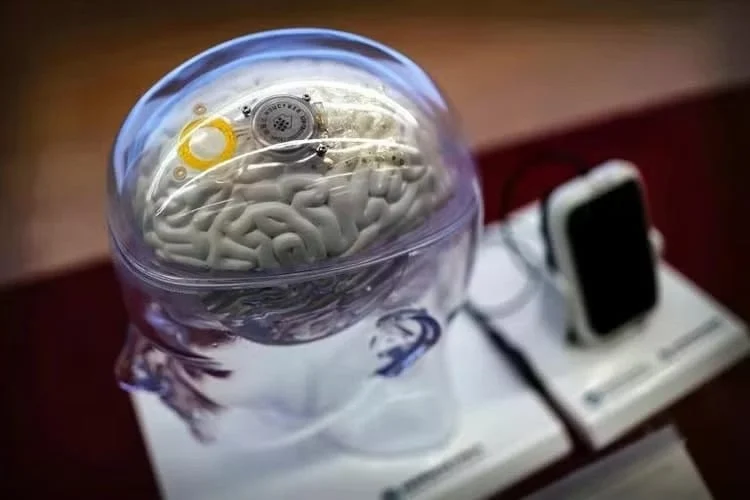
For decades, the field of neuroprosthetics has sought to restore autonomy to those suffering from conditions such as amyotrophic lateral sclerosis (ALS), stroke, or traumatic brain injuries. Early iterations of BCIs focused primarily on simple binary switches or basic cursor movement. In the last decade, advancements in high-density electrode arrays—specifically Electrocorticography (ECoG)—have allowed researchers to capture complex neural firing patterns directly from the surface of the brain.
The UCSF project builds upon the foundational research of the past twenty years. Historically, the primary challenge for neuroscientists has been the "bandwidth" of neural data. Speech is a high-speed, multi-layered process involving the rapid coordination of the vocal tract, while gestures add a spatial and emotional dimension to communication. By utilizing high-density ECoG grids placed over the motor cortex—the region responsible for planning and executing movement—the UCSF team has managed to isolate the specific electrical signatures that correspond to both the intent to speak and the intent to gesture.
Technical Architecture and Methodology
The system utilizes two distinct Artificial Intelligence (AI) decoders working in parallel. When a participant attempts to speak or move, the ECoG array captures the electrical impulses and streams them into the processing unit. The first decoder specializes in linguistic patterns, converting neural intent into phonemes and, eventually, coherent text. The second decoder interprets the spatial and motor commands intended for the upper limbs and facial muscles.
Crucially, the system does not require the participant to physically move or speak. It relies on the "phantom" motor commands generated by the brain when a person merely visualizes an action. This is a vital distinction, as it allows individuals with complete motor loss to utilize the device without the physical fatigue or impossibility of executing the actual movement. The output is then mapped onto a personalized, full-body avatar, which replicates the user’s intended movements and speech in real-time, creating a cohesive, immersive communication experience.
Chronology of the Research
The path to this achievement was paved by a series of incremental successes in the neuro-engineering space:
- 2010–2015: Initial trials focused on decoding simple vowel sounds and basic cursor control using stationary, lower-density arrays.
- 2017: Researchers demonstrated the ability to decode full sentences, though the latency remained high, and the system was prone to frequent errors.
- 2021: A landmark study from UCSF demonstrated the successful translation of "word-level" neural signals into text, marking the first time a BCI could predict full words rather than just individual letters.
- 2023–2024: The current phase of research introduced the integration of gesture recognition. By coupling linguistic intent with gestural intent, the system achieved a level of human-like fluidity that had previously been considered unattainable.
Supporting Data and Performance Metrics
According to data released by the UCSF research team, the system’s performance metrics indicate a significant improvement in communication speed compared to traditional spelling-based BCIs. While conventional assistive devices—such as eye-tracking software—often allow for the typing of 5 to 10 words per minute, the new BCI system has demonstrated the potential to reach speeds upwards of 60 to 80 words per minute, depending on the complexity of the sentence structure.
Furthermore, the error rate in decoding has dropped significantly. By utilizing a "co-adaptive" AI model, the decoders learn the specific neural "accent" of the participant over time, refining their accuracy with every interaction. Clinical testing with the two initial participants showed that the system maintained a high degree of fidelity even during multi-tasking scenarios, such as when the user gestured while speaking.
Expert Perspectives and Implications
The scientific community has reacted with cautious optimism regarding these developments. Dr. Edward Chang, a lead investigator at UCSF, has emphasized that the goal is not merely to restore the ability to communicate, but to restore the "personhood" of the patient. "Communication is not just about data transfer; it is about social connection," Dr. Chang stated in a summary of the project’s findings. "By including gestures, we are allowing patients to convey nuance, emphasis, and intent—the very things that make human interaction meaningful."
Ethicists, however, have raised important questions regarding the long-term implications of such technology. The integration of high-density electrodes into the brain requires invasive neurosurgery, which carries inherent risks. Furthermore, the storage and processing of neural data raise significant privacy concerns. If an AI can decode the "intent" of a user, what safeguards are in place to ensure that this data is not misused or accessed without consent?
Broader Impact on Neuroprosthetics
The implications of this research extend far beyond the laboratory. If the technology can be miniaturized and made more accessible, it could revolutionize the standard of care for patients with "locked-in" syndrome. Currently, many of these patients rely on slow, cumbersome interfaces that isolate them from the nuance of daily life. A fully integrated BCI could allow a person with paralysis to participate in video calls, professional meetings, and personal interactions with a level of agency previously unavailable.
Beyond the medical field, this research serves as a cornerstone for the future of Human-Computer Interaction (HCI). As AI models continue to grow in sophistication, the ability to "bridge" the brain directly to the digital world will become a central theme in technological development. While the current focus is purely on therapeutic applications, the methodology developed at UCSF provides a roadmap for how we might eventually interface with more complex virtual environments and augmented reality systems.
Addressing Technical and Regulatory Hurdles
Despite the success of the initial trials, the path to widespread clinical adoption remains steep. Regulatory bodies such as the FDA require rigorous, long-term safety studies to ensure that the hardware components, such as the electrode arrays, do not cause neural inflammation or signal degradation over years of use. There is also the issue of calibration; currently, the system requires a baseline training period where the AI must "learn" the specific neural pathways of each user. Reducing this setup time is a primary focus for the next generation of the technology.
Moreover, the cost of such advanced neuro-interfacing hardware is currently prohibitive. For this technology to reach the population that needs it most, significant investment in manufacturing efficiency and insurance-based medical coverage models will be required.
Conclusion
The work conducted by the researchers at the University of California, San Francisco, is a testament to the convergence of neuroscience, computer science, and engineering. By treating communication as a holistic act—incorporating both the linguistic and the physical—the team has moved the field of brain-computer interfaces from the realm of science fiction into a tangible, life-altering reality. While challenges regarding safety, privacy, and accessibility persist, the successful synchronization of speech and gesture decoding marks a definitive shift in how we perceive the limits of the human body and the potential of the human mind. As the research moves toward larger clinical trials, the promise of a more inclusive, communicative future for those with severe physical disabilities grows brighter, setting a new benchmark for the next decade of neuro-technological innovation.