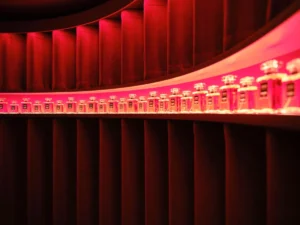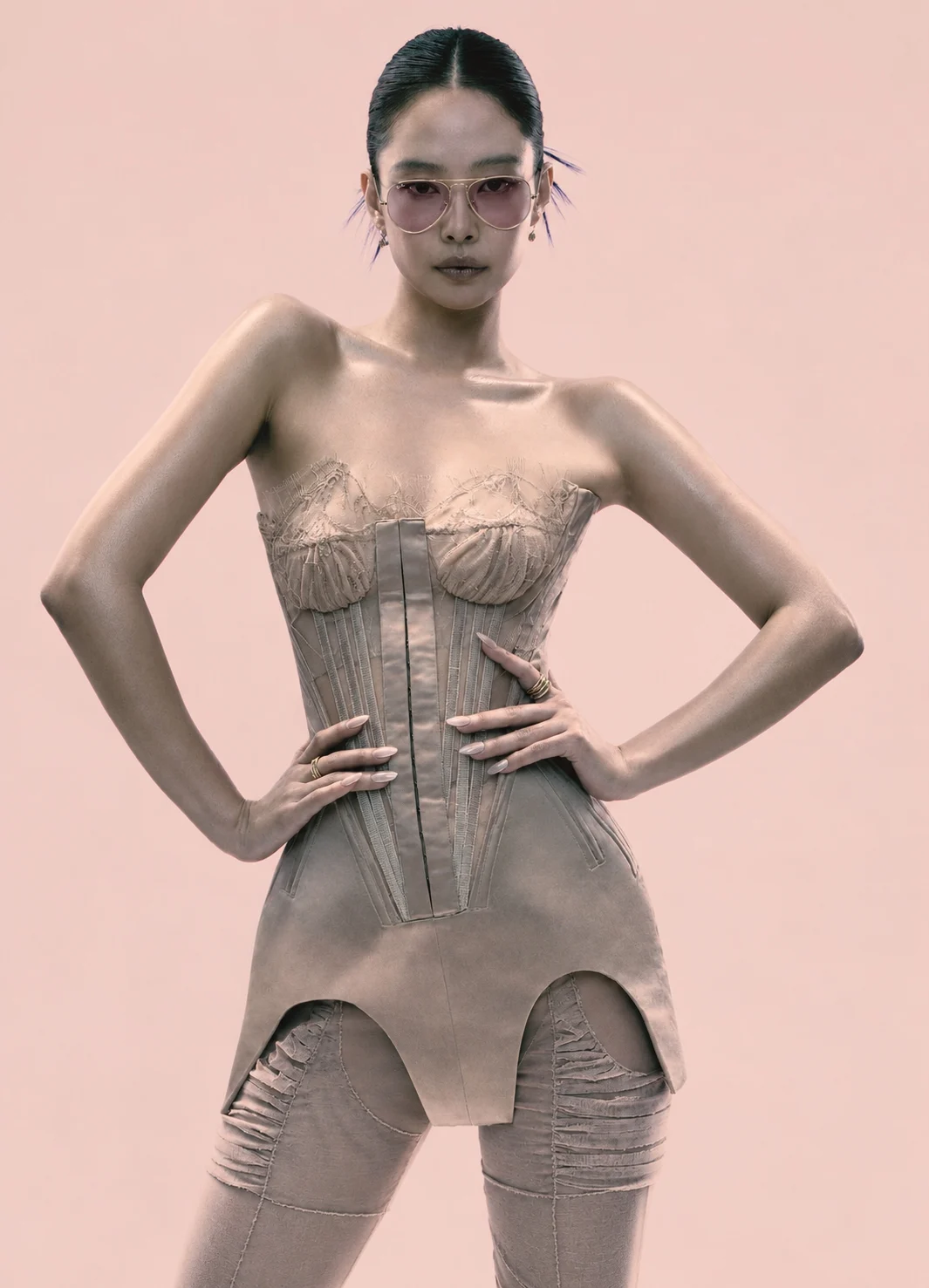
The intersection of optical innovation and high-end fashion reached a new milestone in late August with the debut of the Ray-Ban x Transitions Color Touch collection. Unveiled during an exclusive private launch at Optik Seis Signature in Grand Indonesia West Mall, Jakarta, the collection marks a departure from the traditional perception of photochromic lenses. Rather than functioning solely as a corrective utility, these lenses represent a paradigm shift, positioning eyewear as a dynamic canvas for personal expression that adapts to both environmental lighting and aesthetic preference.
The Technological Evolution of Photochromic Lenses
To understand the significance of the Color Touch line, one must analyze the trajectory of photochromic technology. Historically, the primary objective of such lenses was to maintain a near-transparent state while indoors, transitioning to a darkened, sunglass-like state only upon exposure to ultraviolet (UV) radiation. Products like Transitions GEN S and XTRActive have long set the industry standard for this rapid, clear-to-dark transition.
However, the Transitions Color Touch technology introduces a different philosophy. Unlike its predecessors, which prioritize neutrality, Color Touch lenses maintain a visible hue even in indoor settings. This design choice addresses a growing consumer demand for "fashion-forward" functional eyewear. By keeping the color present at all times, the lenses ensure that the user’s personal style remains consistent regardless of the lighting environment. As the wearer transitions from an indoor office setting to outdoor sunlight, the lens darkens automatically, intensifying the tint to provide the glare reduction and comfort expected of premium sunglasses. This dual-action mechanism—maintaining style indoors and providing performance outdoors—effectively bridges the gap between prescription glasses and high-fashion eyewear.
A Curated Palette for Diverse Identities
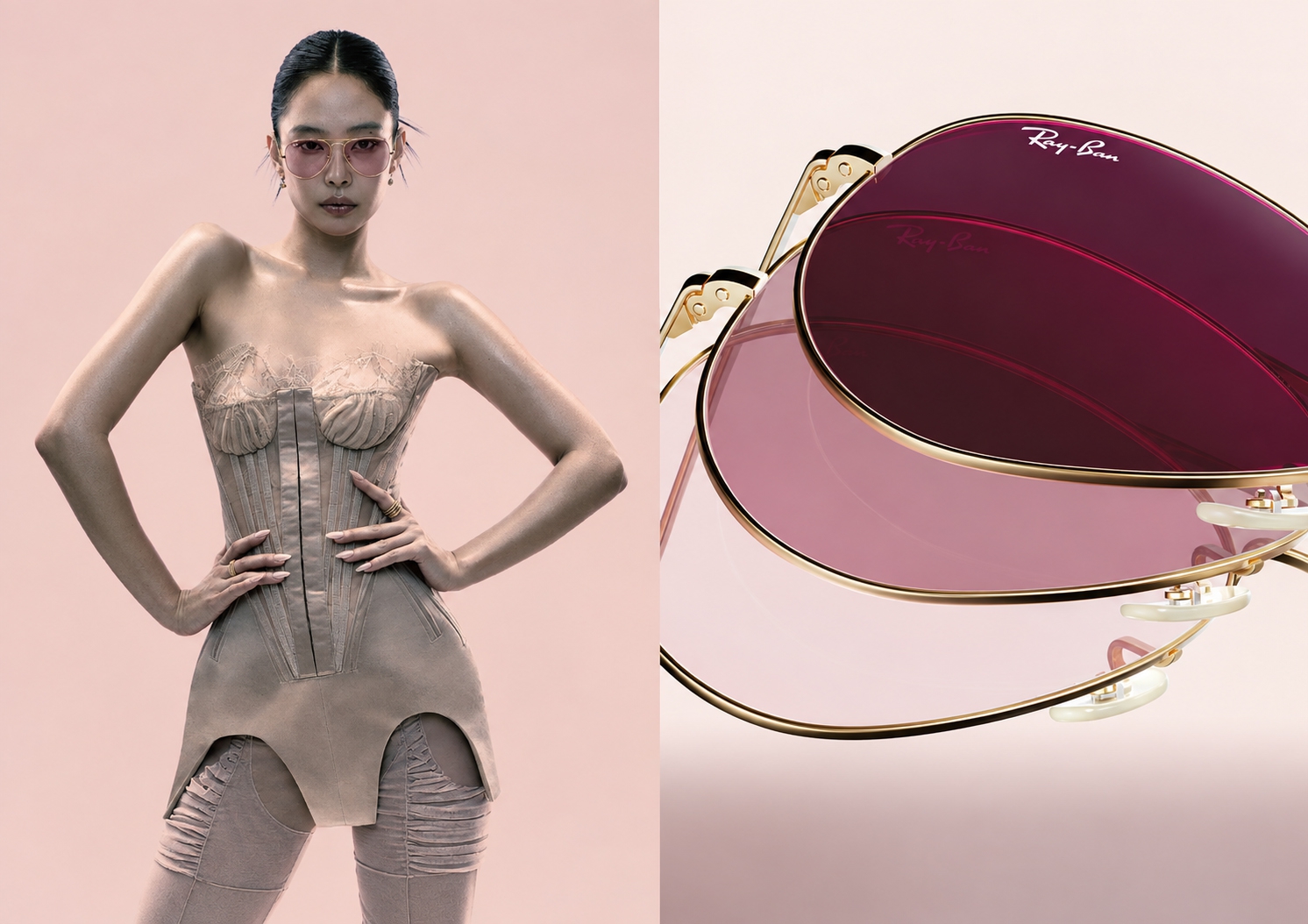
The collection offers five distinct colorways: Ruby, Emerald, Sapphire, Amethyst, and Amber. Each color is engineered to offer versatility, further enhanced by two distinct tint application techniques: Gradient and Washed. The Gradient tint provides a subtle transition from a deeper tone to a lighter one, creating a sophisticated, multifaceted look. In contrast, the Washed effect offers a softer, more uniform distribution of color, appealing to those who prefer a more understated aesthetic.
This customization capability allows for a synergy between the lens color and the frame design. Whether paired with a classic Ray-Ban Wayfarer, an Aviator, or a modern geometric frame, the ability to tailor the lens color to one’s skin tone, hair color, or personal wardrobe signifies a movement toward hyper-personalization in the luxury goods sector.
The Jennie Influence and Strategic Marketing
A pivotal component of the current campaign is the association with global icon Jennie, whose collaboration with Ray-Ban has brought unprecedented visibility to the brand’s latest innovations. The Ruby colorway, in particular, has become the face of the campaign, serving as a powerful visual statement. By featuring a high-profile figure, the campaign reinforces the idea that eyewear is a defining element of one’s identity rather than a secondary accessory.
The pop-up installation at Optik Seis serves as a tactical hub for this engagement. It is not merely a retail display but an experiential space where consumers can witness the interplay between optical frames and the Color Touch lenses. By creating an environment where the "Ray-Ban x Jennie" collection meets the "Color Touch" technology, the brand encourages a tactile and visual exploration of style, moving beyond the static limitations of traditional online shopping.
Digital Integration: The Color Match Tool
Modern consumer behavior necessitates a seamless integration of digital and physical retail, a requirement met by the Transitions Color Match tool. Available at Optik Seis, this interactive interface allows users to simulate how different lens colors and tint styles will appear on their own faces.
The significance of this tool lies in its ability to reduce the "decision paralysis" often associated with bespoke optical purchases. By providing a virtual preview of the lens behavior in both indoor and outdoor lighting, the tool offers a predictive experience. Data from similar retail-tech implementations suggest that such interactive elements increase consumer confidence, leading to higher satisfaction rates and a reduction in returns, as customers can visualize the final product before committing to a prescription.
Industry Implications and Future Trends
The introduction of Color Touch reflects a broader trend in the global eyewear market, which is projected to grow significantly as consumers prioritize both eye health and fashion. Market research indicates that the "smart eyewear" segment is evolving from purely tech-focused wearables (such as AR glasses) to enhanced optical solutions that improve the quality of life through aesthetic customization.
The move by Ray-Ban and Transitions signifies a departure from the "one-size-fits-all" approach to lens technology. By treating the lens as an accessory, the industry is acknowledging that modern consumers view their eyewear as a key component of their personal branding. This trend is further supported by the increased focus on blue light management and UV protection, which remain the functional pillars of the Transitions brand, even as they expand into the lifestyle sector.
Furthermore, the collaboration highlights the role of retail partners like Optik Seis. In an era where e-commerce dominates, the physical store remains vital for high-end optical products that require precise fitting and professional consultation. The ability to test the lenses under varied lighting conditions within the store is an experience that cannot be replicated digitally, reinforcing the importance of the brick-and-mortar luxury experience.
Broader Impact on Personal Expression
Ultimately, the Ray-Ban x Transitions Color Touch collection serves as a case study in how heritage brands can remain relevant through innovation. The fusion of the iconic Ray-Ban design language with the adaptive capabilities of Transitions lenses creates a product that is both timely and timeless.
As the industry moves forward, we can expect to see more emphasis on the "customization-at-scale" model. Consumers are increasingly seeking products that offer a sense of exclusivity and individual expression, and by providing a spectrum of colors and tints, the brand is tapping into this psychological driver. The success of this launch will likely encourage other players in the optical industry to re-evaluate their portfolios, moving away from purely functional, clear lenses toward options that offer a vibrant, visual identity.
The feedback from the launch event in Jakarta suggests that the market is ready for this shift. Early adopters, particularly those in the fashion and tech-savvy demographics, have responded positively to the versatility of the lenses. For many, the ability to transition from a professional setting to a social one without switching glasses—while maintaining a curated look—is a tangible value proposition.
Conclusion
The Ray-Ban x Transitions Color Touch collaboration represents a sophisticated integration of engineering and style. By focusing on the user experience—from the digital consultation tools to the physical versatility of the lenses—the initiative sets a new benchmark for what consumers should expect from their eyewear. As technology continues to bridge the gap between utility and fashion, the lines between medical necessity and personal style will continue to blur, allowing for a more creative and expressive approach to vision correction. The collection is not merely an update to an existing product line; it is a declaration that the future of eyewear is bright, colorful, and entirely personal.