
The phenomenon of "self-editing"—a subconscious psychological adjustment where individuals, particularly women, modify their behavior, opinions, or physical presence to gain social acceptance—has long been a subtle yet pervasive force in modern life. From muting one’s voice in professional meetings to adopting performative social mannerisms, the act of shrinking one’s personality to fit into predefined molds has become a common survival mechanism. Challenging this status quo, the activewear brand Ryse & Shyne has launched its latest campaign, "Ryse As You Are," a multifaceted initiative designed to dismantle the pressure to conform and encourage a return to individual authenticity.
Understanding the Psychology of Self-Editing
Self-editing is often rooted in the human need for belonging, a fundamental psychological pillar. However, when the price of belonging is the erasure of one’s true nature, it leads to a fragmented sense of self. Research in behavioral psychology suggests that "masking" or editing one’s traits can lead to increased cognitive load and emotional exhaustion. When a person spends their daily energy navigating social environments by curating their identity, the long-term impact is often a loss of self-confidence and a disconnect from personal values.
The "Ryse As You Are" campaign positions itself as a direct intervention against this trend. By fostering a brand philosophy that prioritizes individual identity over external validation, Ryse & Shyne aims to shift the narrative within the fitness and lifestyle industry—a sector that has historically been criticized for promoting monolithic beauty and behavioral standards.
The Evolution of the Campaign: A Chronological Overview
The roots of this campaign are deeply embedded in the one-year trajectory of Ryse & Shyne. Following its successful launch last year, the brand spent its inaugural year building a community, colloquially known as the "Risers." During this time, the leadership team observed a recurring theme among their consumers: a desire for clothing that not only performs in high-intensity settings but also serves as a canvas for self-expression.
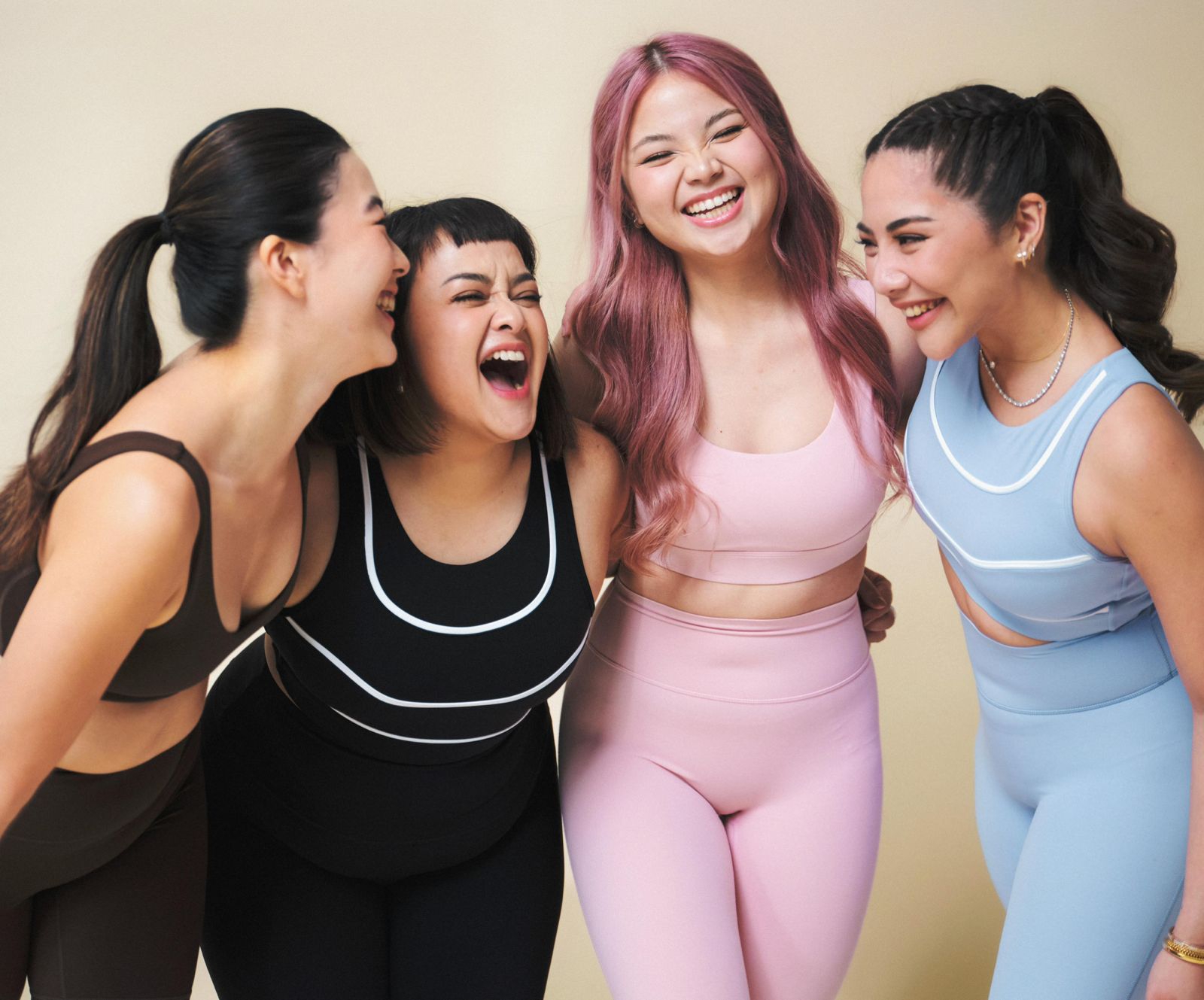
The campaign rollout is divided into two thematic pillars: "Back to Your Nature" and "Back to the Roots." This dual approach allows the brand to address both the internal psychological state of the wearer and the external community-building efforts that define the label’s growth.
Back to Your Nature: The Pine Collection
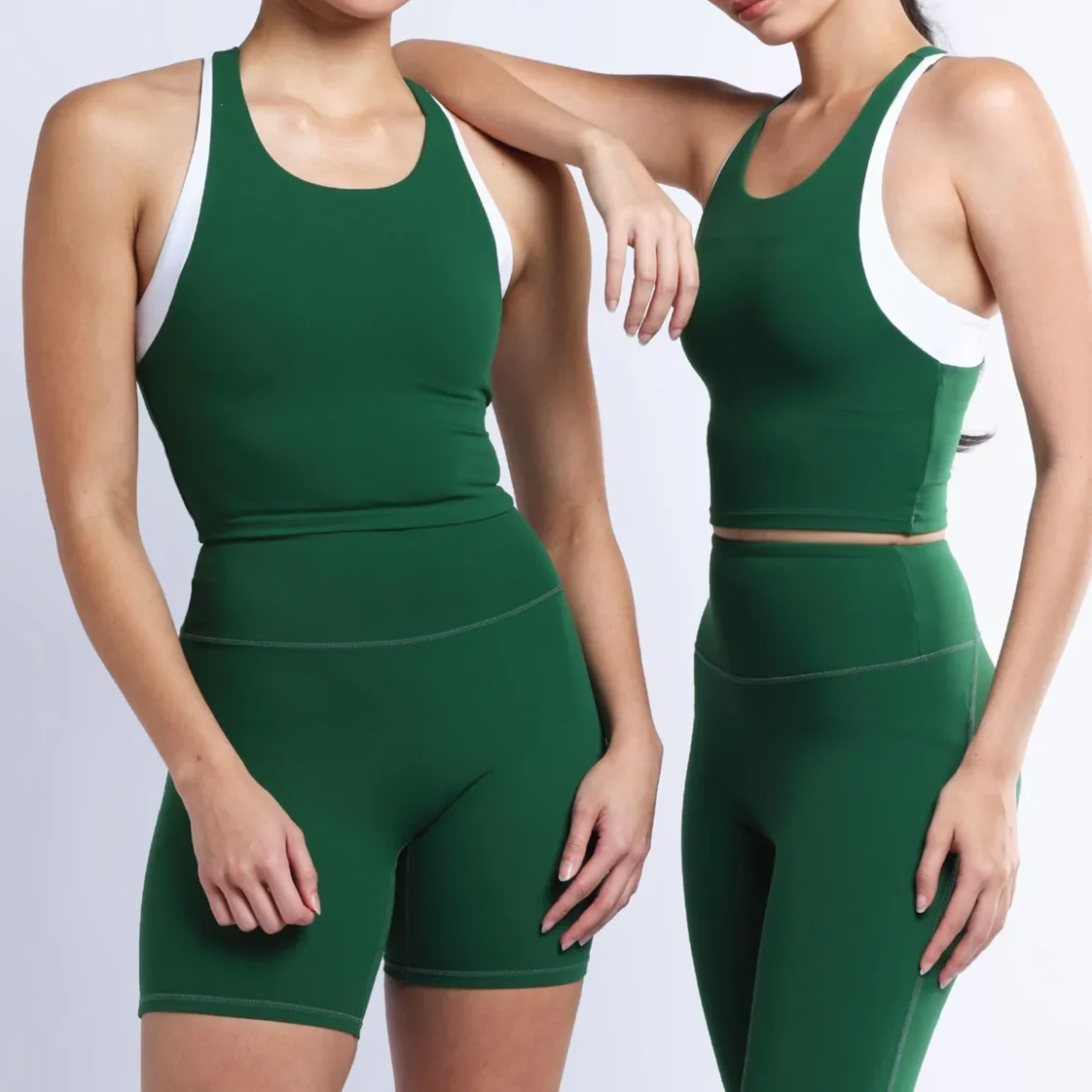
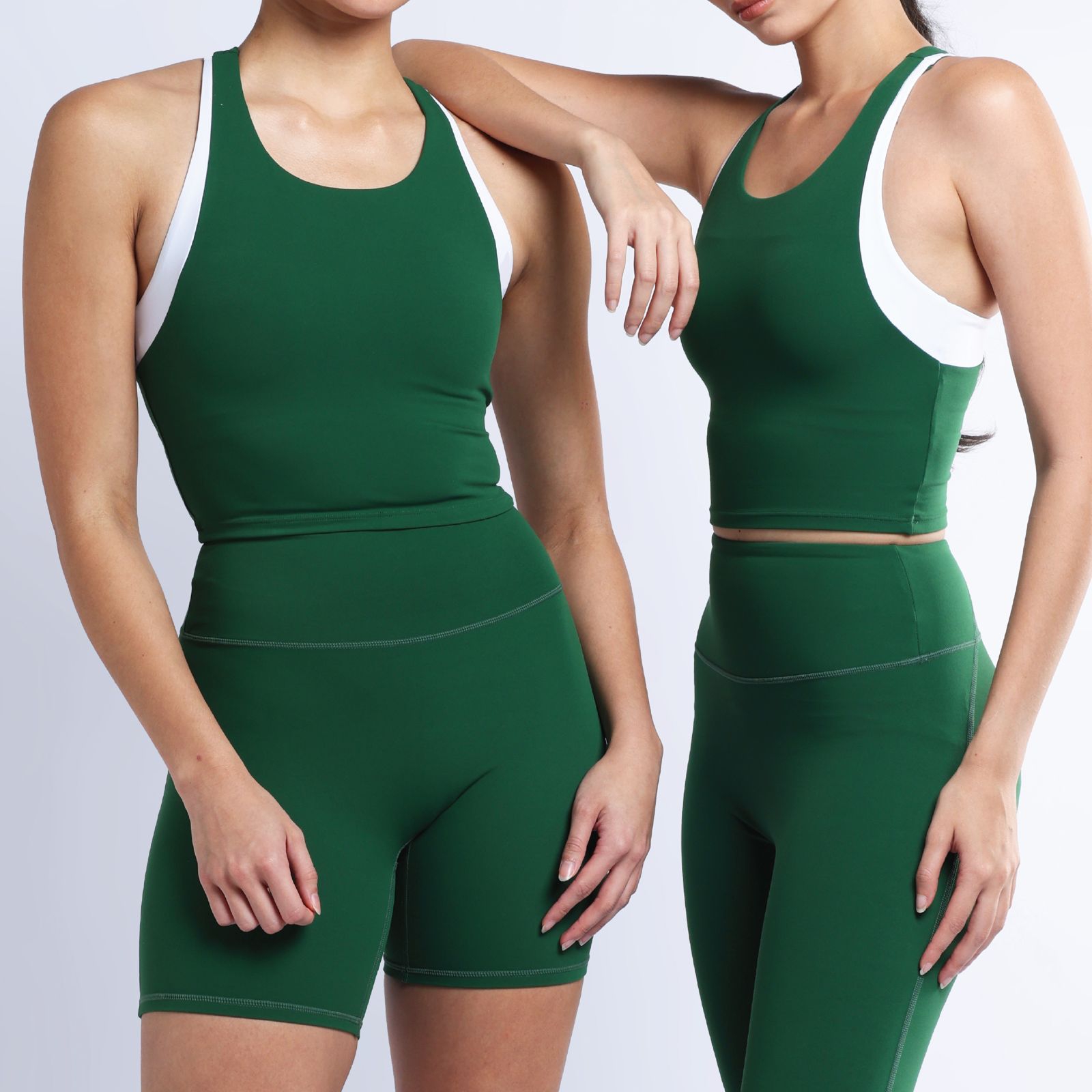
The "Back to Your Nature" pillar is manifested through the launch of the "Pine" collection. Utilizing a muted, earthy green palette, the collection serves as a visual metaphor for authenticity. Nature, by its very design, does not attempt to be anything other than what it is; it requires no external validation to exist.
The collection includes essential activewear silhouettes such as tank tops, motion shorts, and "rise leggings." According to Felicia Kawilarang, founder of Ryse & Shyne, the color choice was deliberate. "It is not about making a loud statement or being flashy," Kawilarang noted in a press statement regarding the design process. "It is about the comfort that only comes with honesty. It is the color I choose when I refuse to edit myself for the benefit of others." By opting for understated aesthetics, the brand invites the wearer to focus on their performance and their presence, rather than their outward image.
Back to the Roots: Strengthening Community Foundations
The second pillar, "Back to the Roots," serves as an homage to the brand’s origins. Throughout the past twelve months, Ryse & Shyne has partnered with various fitness studios across Jakarta, creating spaces where women can train without the pressure of perfectionism. This portion of the campaign focuses on reinforcing the core values established at the brand’s inception: creating an environment where individuals are encouraged to show up as they are.
By engaging with the "Risers" community, the brand has created a support network that extends beyond the retail experience. This community-first approach is increasingly common among modern direct-to-consumer brands, which recognize that long-term loyalty is built on shared values rather than mere product utility.
Take Your Place: The Cinematic Narrative
A central component of the campaign is the "Take Your Place" film. The project features a diverse group of influential figures, including founder Felicia Kawilarang, beauty entrepreneur Lizzie Parra, and creative voices Kimberly and JC Dawn. The film is structured as a series of candid reflections, where each participant answers the same inquiry: "What parts of yourself are you learning to accept?"
The film does not rely on high-production theatrics; instead, it utilizes a minimalist aesthetic to highlight the vulnerability of the subjects. By showcasing how these women physically "stand" in a room—demonstrating the difference between a posture of compliance and a posture of confidence—the film provides a visceral look at the impact of self-editing. It serves as a call to action for viewers to evaluate their own spaces and consider how they might stop shrinking their presence.
Market Implications and Social Impact
The fashion industry has undergone a significant transformation, moving from the "aspirational" marketing of the early 2000s toward the "relatable" and "authentic" marketing of the 2020s. The "Ryse As You Are" campaign is a prime example of this transition. By centering the conversation on the psychological wellbeing of the consumer, Ryse & Shyne is aligning itself with the growing demand for brands that contribute to mental and emotional health.
Data from the activewear market indicates that consumers—particularly Gen Z and Millennials—are increasingly gravitating toward brands that articulate a clear social purpose. A report from a leading consumer insights firm noted that nearly 70% of female activewear consumers prioritize "self-confidence" and "inclusivity" when choosing a brand, compared to just 30% who focus solely on technical performance specifications.
By addressing the systemic issue of self-editing, Ryse & Shyne is not just selling apparel; they are selling a mindset. This strategic positioning allows the brand to differentiate itself in an oversaturated market where price and fabric technology are often commoditized.
Future Outlook and Sustaining the Movement
As the "Ryse As You Are" campaign continues to gain traction, the question remains how the brand will sustain this momentum. The challenge for many lifestyle labels is moving beyond the initial marketing push and integrating these values into the actual product lifecycle.
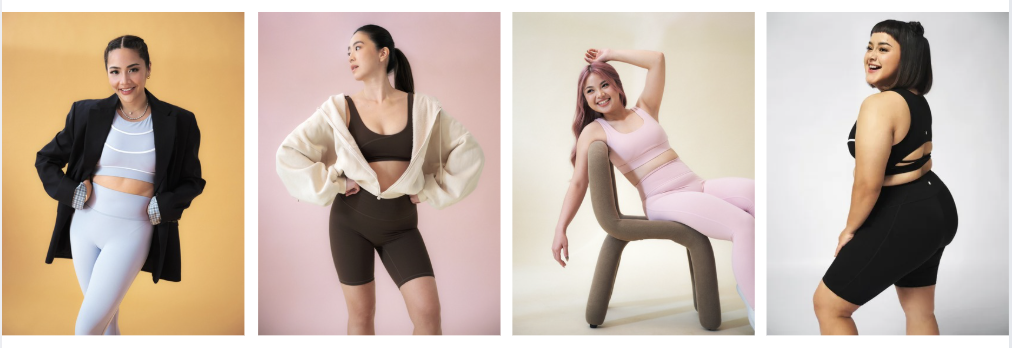
For Ryse & Shyne, the path forward appears to be one of deeper community integration. By continuing to hold space for the "Risers" in local studios and expanding their range to accommodate diverse body types and needs, the brand is positioning itself as more than just a fleeting trend. The success of the "Pine" collection, which emphasizes simplicity and honesty, suggests that the market is ready for a move away from the "loud" fitness culture that has dominated the last decade.
Ultimately, the campaign is an invitation to pause. In a world that is constantly demanding adjustment, compromise, and editing, the simple act of "being" is a radical one. Whether through the color of a pair of leggings or the shared experience of a community workout, Ryse & Shyne is attempting to build a culture where the goal of every interaction is not to be accepted, but to be authentic.
Conclusion
"Ryse As You Are" represents a significant pivot in how activewear brands communicate with their audience. By identifying a common human struggle—the desire to fit in—and offering a counter-narrative of self-acceptance, Ryse & Shyne has created a campaign that resonates on an emotional level. As the brand continues to evolve, its focus on "Back to Your Nature" and "Back to the Roots" serves as a reminder that the most important space one can occupy is the space that is already theirs by right. Through the "Take Your Place" film and the thoughtful design of the "Pine" collection, the message is clear: the era of the edited self is waning, and the era of the authentic self is here to stay.