The rapid evolution of artificial intelligence (AI) has fundamentally altered the operational landscape for Indonesian enterprises. According to the "Unlocking Indonesia’s AI Potential 2026" report published by Strand Partners in August 2026, the adoption of AI-driven solutions within the country has surged by 40 percent over the past 12 months. This marks a significant acceleration from the 28 percent growth recorded in the preceding year, reflecting a compound annual growth rate that underscores the urgency with which local businesses are pivoting toward automation and data-driven decision-making.
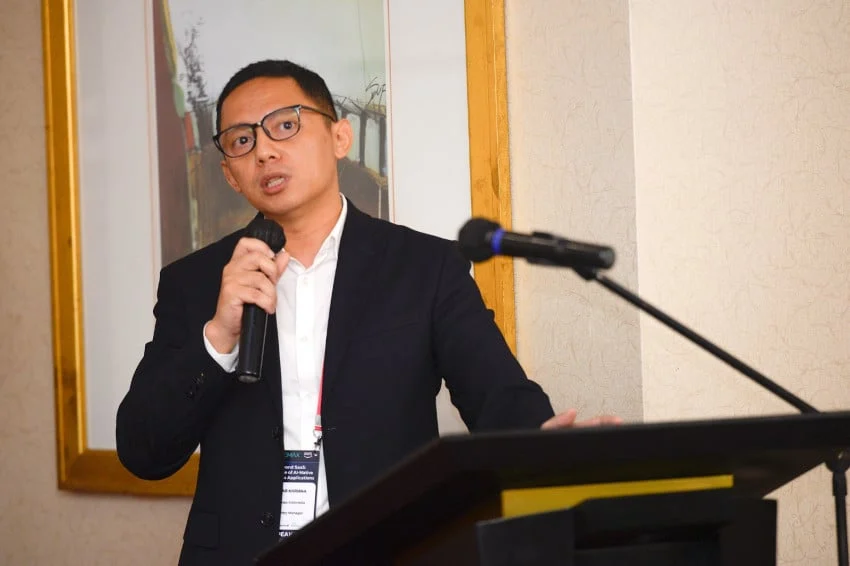
This surge in adoption was the central theme of the "Beyond SaaS: The Rise of AI-Native Business Application" forum held in Jakarta on Thursday, November 19, 2026. Hosted by Xtremax, the event brought together industry leaders and technology practitioners to discuss the shifting paradigm of business software. Despite the clear momentum behind AI integration, a persistent structural tension remains: the binary choice between adopting standardized "off-the-shelf" Software-as-a-Service (SaaS) products or investing in the arduous process of bespoke, custom-built software development.
The Evolution of Adoption: A Quantitative Perspective
The data presented by Strand Partners paints a clear picture of a market in transition. Beyond the headline 40 percent growth figure, the report highlights that 75 percent of early and mid-stage adopters have reported tangible increases in operational productivity. This statistic is critical, as it bridges the gap between theoretical AI utility and practical business outcomes.
Historically, the Indonesian tech ecosystem has relied heavily on imported software solutions. However, the 43 percent annual growth rate in domestic AI implementation suggests a maturing market that is no longer satisfied with generalized tools. Companies are increasingly moving past the "experimentation phase"—where AI was used primarily for chatbots or basic data entry—into the "integration phase," where AI is embedded into the core logic of business processes. This shift is not merely technological; it is an economic imperative for companies aiming to remain competitive in the burgeoning Southeast Asian digital economy.
The Binary Dilemma: Standardization vs. Customization
During the Jakarta forum, Country Manager of Xtremax, Akbar Khrisna, articulated the fundamental tension currently paralyzing many corporate digital transformation strategies. This dilemma, often described as the "Buy vs. Build" paradox, has remained a fixture in boardroom discussions for the last two years.
The first path, the "off-the-shelf" SaaS model, offers speed, cost-predictability, and established security frameworks. However, this model forces companies to mold their internal operations to fit the rigid workflows dictated by the software vendor. When a business relies on a standardized platform, it often finds itself struggling with "feature bloat" or, conversely, a lack of specific functionality that distinguishes its operations from competitors.
The second path, custom development, offers total control. A bespoke application is engineered to mirror the precise nuances of a company’s internal workflow, potentially providing a sustainable competitive advantage. Yet, this path is fraught with risk. It requires massive upfront capital expenditure, prolonged development cycles, and a continuous commitment to maintenance—a burden that many companies, particularly those outside the traditional tech sector, are ill-equipped to manage.
Khrisna compared the choice to the difference between ready-to-wear apparel and bespoke tailoring. While ready-to-wear is convenient, it rarely provides the perfect fit; bespoke clothing fits perfectly but demands constant measuring, fitting, and adjustment. The critical question posed at the event was whether the current generation of AI-native applications could effectively bridge this divide, offering the rapid deployment of SaaS with the granular flexibility of custom-built software.

The Rise of AI-Native Business Applications
The emergence of "AI-native" applications represents a fundamental shift in software architecture. Unlike traditional SaaS, which was built on static rules and manual workflows, AI-native applications are designed to learn from the data flowing through them.
Bayu Adianto Prabowo, Product Manager at Xtremax, elaborated on how his firm is responding to this market need. "We are moving away from the era where software is a static container for business processes," Prabowo noted. "The objective is to deploy applications that treat the business context as an input, allowing the AI to adapt its logic based on the feedback loops and specific requirements of the organization."
This adaptability is achieved through the integration of Large Language Models (LLMs) and predictive analytics that sit beneath the user interface. Rather than requiring a programmer to rewrite code when a business process changes, an AI-native system can be "re-trained" or guided through natural language interactions. This effectively reduces the "maintenance debt" typically associated with custom software, as the system itself absorbs the logic of the business as it evolves.
Chronology of the Transformation
To understand the current state of AI adoption in Indonesia, one must look at the progression of the last three years:
- 2024: The market witnessed a widespread "AI awakening," characterized by the experimental use of generative AI for content creation and marketing. Adoption rates hovered around 20-25 percent, primarily driven by IT departments and early adopters.
- 2025: A period of "Operational Integration." Companies began moving AI from marketing departments into back-office functions such as HR, finance, and supply chain management. The growth rate hit 28 percent, as businesses recognized that siloed AI tools were insufficient.
- 2026 (Year to Date): The focus shifted to "AI-Native Ecosystems." The current 40 percent growth rate reflects a move toward enterprise-wide integration. The "Beyond SaaS" forum highlights that the conversation is no longer about whether to use AI, but how to deploy it in a way that respects the individuality of the business.
Broader Economic and Industrial Implications
The implications of this shift are profound for the Indonesian economy. As businesses increasingly rely on AI-native applications, the demand for local talent capable of managing these systems will skyrocket. The transition away from rigid SaaS also hints at a burgeoning market for local "AI-Systems Integrators"—consultancies that specialize in tailoring AI models to specific industry needs, such as agriculture, logistics, and retail.
Furthermore, the data suggests that the "productivity gap" between digital-native firms and traditional enterprises is widening. Companies that successfully navigate the "Buy vs. Build" dilemma by adopting flexible, AI-native solutions are likely to see significant improvements in operational margins. Conversely, those that remain tethered to outdated, rigid software frameworks may find themselves unable to pivot as the market demands.
Strategic Considerations for Leadership
For business leaders, the takeaway from the Jakarta forum is clear: the era of static software is drawing to a close. The strategic focus must now shift toward "Architectural Agility." When evaluating new software investments, leaders should prioritize platforms that offer modularity and AI-learning capabilities.
The "Unlocking Indonesia’s AI Potential" report underscores that the growth in adoption is not merely a trend; it is a fundamental reconfiguration of how business is conducted. As companies look toward 2027, the ability to integrate AI into the fabric of their operations will define their success.
As Xtremax and other industry players continue to push the boundaries of what is possible, the Indonesian market serves as a bellwether for emerging economies. The success of these AI-native applications depends not only on the sophistication of the algorithms but on the industry’s ability to move past the traditional constraints of software procurement. By embracing a model where applications are both rapid to deploy and capable of learning, Indonesian businesses are positioning themselves at the forefront of the global digital transformation, turning the dilemma of "buy vs. build" into a resolved challenge of "adapt and thrive."