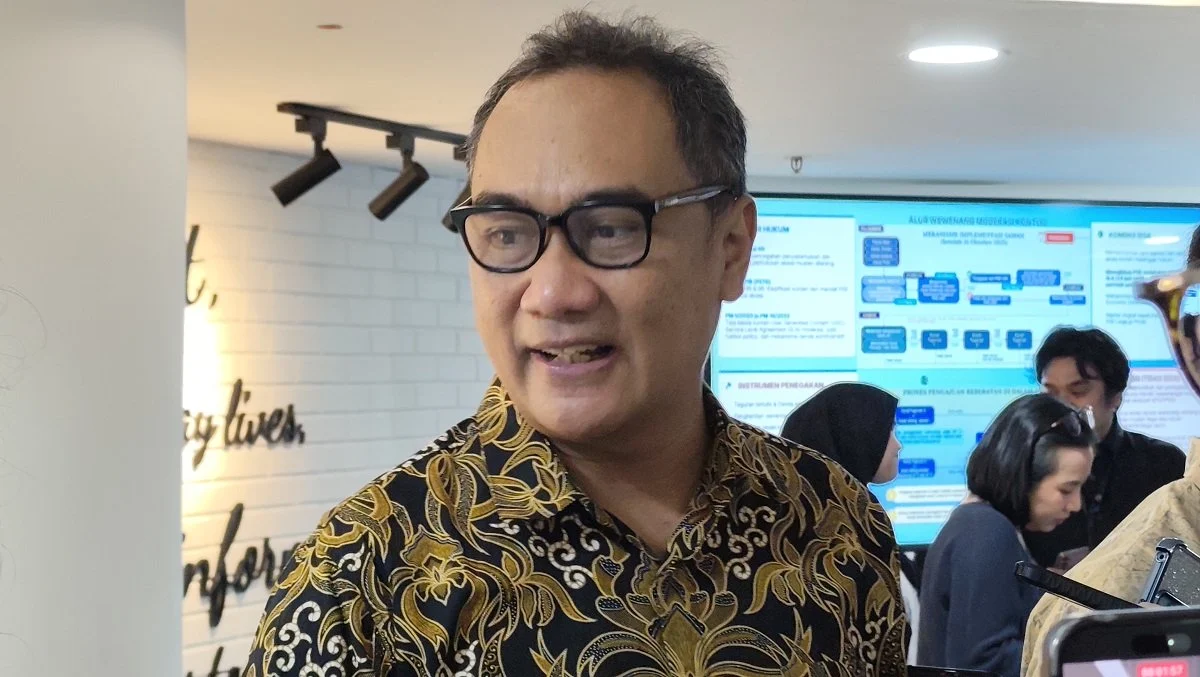
The Indonesian Ministry of Communication and Digital (Komdigi) has announced a significant milestone in its national telecommunications security initiative, revealing that 41.49 million mobile subscribers have successfully completed biometric registration as of October 2026. This figure, disclosed by the ministry’s Director of Digital Ecosystem Control, Dany Swardani, marks a substantial over-achievement of the government’s initial goals, signaling a robust shift toward high-security identity verification in the digital age.
Surpassing Strategic Targets
During a briefing at the Komdigi headquarters in Jakarta on Friday, November 13, 2026, Swardani provided an updated assessment of the program’s trajectory. The government had originally set a conservative target of 18 million biometric registrations to be achieved by the end of December 2026. However, the data recorded from January through October indicates that the ministry has reached 127 percent of that goal, effectively more than doubling the anticipated adoption rate.
This rapid acceleration in adoption highlights a growing public awareness and a more efficient deployment of infrastructure by telecommunications providers. The data suggests that the integration of biometric checks is not merely a bureaucratic hurdle but a functioning system that has been seamlessly incorporated into the customer acquisition cycle for mobile operators across the archipelago.
The Technology Behind the Verification
The cornerstone of this initiative is the deployment of sophisticated face recognition technology, bolstered by "liveness detection" systems. Unlike static image uploads, which are susceptible to spoofing through photographs or digital manipulations, liveness detection requires the user to perform real-time actions—such as blinking or turning their head—to prove they are physically present before the camera.
This layer of security is designed to bridge the gap between physical identity and digital representation. By ensuring that the individual registering the SIM card is indeed the person identified by the national population database (Dukcapil), the ministry aims to create an immutable link between the SIM card and its legitimate owner. This is particularly crucial in a country where mobile connectivity is the primary gateway to the digital economy, banking, and government services.
Chronology and Implementation Strategy
The push toward biometric verification was not an overnight transition. It represents the culmination of a multi-year effort to sanitize the mobile ecosystem.
- Early 2026: The Ministry of Communication and Digital initiated the rollout, focusing on integrating their systems with the national biometric database.
- Q1-Q2 2026: Initial testing phases were conducted with major telecommunications carriers to ensure the latency of the face recognition API was low enough to support high-volume registrations.
- Q3 2026: Public awareness campaigns were intensified, emphasizing the importance of securing digital identities against unauthorized usage.
- October 2026: Total registrations officially crossed the 41 million mark, validating the government’s investment in digital infrastructure.
Currently, the mandate is applied strictly to two categories: new mobile subscribers and existing users who are performing a SIM card replacement. This phased approach allows the ministry to manage the transition without overwhelming the customer service centers of telecommunications companies, ensuring that the system remains stable as it scales.
Curbing Digital Crime
The primary impetus for this policy shift is the alarming rise in digital crimes, particularly those facilitated by "mule" accounts and identity theft. For years, the Indonesian telecommunications sector struggled with the proliferation of anonymous or improperly registered SIM cards, which were frequently exploited by cybercriminals for phishing, online gambling, and fraudulent digital loan schemes.
By mandating biometric verification, the government is effectively raising the cost of entry for bad actors. When a SIM card is tied to a verified biometric profile, the accountability of the subscriber increases. This is expected to significantly reduce the frequency of automated bot attacks and mass-scale spam operations that plague the national network.
Broader Industry and Economic Implications
Industry analysts view this development as a critical step in Indonesia’s digital transformation roadmap. The ability to verify identities securely is the backbone of the "Trusted Digital Ecosystem" that the government aspires to build.
For the telecommunications industry, while the implementation of such technology requires initial capital expenditure for hardware and software upgrades, the long-term benefits are substantial. A more secure network enhances consumer trust, which is essential for the expansion of digital banking and e-commerce. As mobile wallets and digital payments become ubiquitous, the security of the underlying SIM card becomes the first line of defense against financial fraud.
Furthermore, the data collected provides a cleaner audit trail for law enforcement agencies. When a crime involving a mobile device is reported, the ability to trace the verified identity of the user via biometric logs allows for faster investigations and higher prosecution rates.
Challenges and Future Outlook
Despite the success, experts caution that technology alone is not a panacea. The security of the biometric database itself remains a subject of ongoing debate. As the Ministry of Communication and Digital continues to aggregate millions of facial templates, the responsibility to safeguard this sensitive data becomes paramount. Cybersecurity experts have emphasized that the integration of such large-scale databases requires world-class encryption standards and rigorous adherence to personal data protection laws.
Dany Swardani and his team at Komdigi have signaled that they are cognizant of these challenges. Future phases of the project are expected to focus on data privacy protocols and the expansion of the technology to other sectors beyond just telecommunications.
As the program moves toward the end of 2026, the ministry is likely to evaluate the feasibility of expanding the biometric mandate to existing long-term subscribers, though no formal timeline for this has been released. The goal remains to create a seamless, secure, and resilient digital identity framework that supports the country’s growing digital-first population.
Public and Stakeholder Reception
The reception from telecommunications providers has been largely cooperative. Having seen the negative impact of high-churn, fraudulent accounts on their bottom lines, carriers are increasingly viewing biometric registration as a tool for customer retention and network integrity.
Consumers, meanwhile, have shown a mixed but generally accepting response. While some have expressed concerns regarding data privacy, the convenience of digital registration—which can often be performed via mobile apps from home—has largely mitigated friction. The government’s ability to communicate the benefits, particularly regarding the prevention of identity theft, has been instrumental in maintaining public cooperation.
In conclusion, the milestone of 41.49 million registrations stands as a testament to Indonesia’s commitment to digitizing its administrative and security processes. As the nation marches toward 2027, the success of this biometric initiative serves as a model for other developing nations seeking to balance rapid digital adoption with the necessary security controls to protect their citizens in an increasingly interconnected world. The task ahead for Komdigi will be to maintain this momentum, ensuring that the system remains inclusive, secure, and scalable as the digital ecosystem continues to evolve.