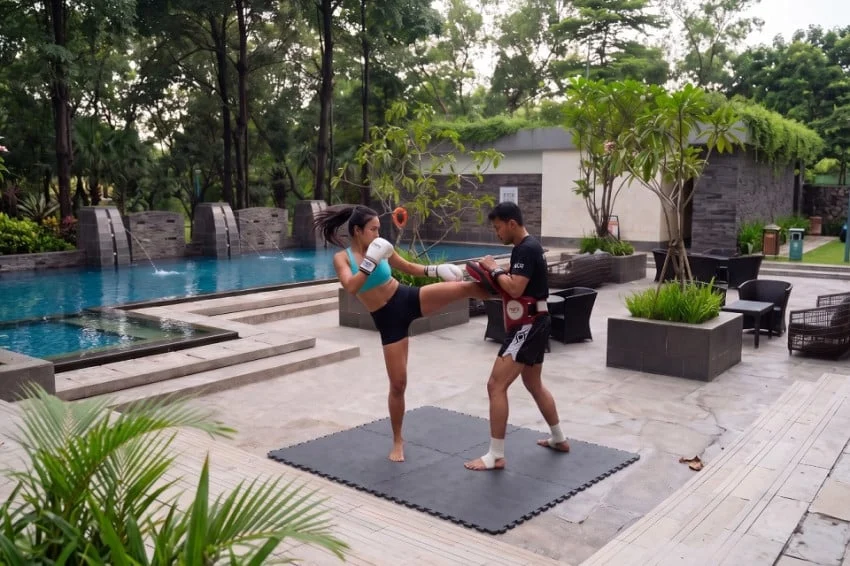
The hospitality landscape in the industrial hub of Karawang is witnessing a paradigm shift as Delonix Hotel Karawang introduces a series of curated wellness programs throughout November 2026. By integrating high-intensity physical training with meditative practices, the establishment is positioning itself as a sanctuary for professionals seeking to mitigate the physical and psychological toll of modern corporate life. This strategic initiative, conducted in partnership with local health and fitness experts, represents a broader trend in the hospitality sector where hotels are transitioning from mere lodging providers to holistic wellness hubs.
The Evolution of Business-Centric Hospitality
Karawang, often recognized as the industrial heartland of Indonesia due to its high concentration of manufacturing plants and multinational corporations, has historically been a destination defined by transit-oriented business travel. However, the demographic profile of visitors to the region is evolving. As corporate entities increasingly prioritize employee mental health and physical fitness as pillars of talent retention, hotels within these hubs are responding with specialized programming.
The Delonix Hotel wellness initiative is designed to address the "weekend burnout" phenomenon, where expatriates and local professionals alike seek a transition from the intense demands of the workweek to a period of active recovery. By offering structured fitness classes on-site, the hotel eliminates the logistical barriers that often prevent busy individuals from maintaining their health routines while traveling.
Chronology of the November Wellness Series
The program for November 2026 is structured into two primary pillars, reflecting a balance between intensity and tranquility.
Phase One: High-Intensity Physical Conditioning
The inaugural event, scheduled for Saturday, November 7, 2026, marks the introduction of the Private Muay Thai sessions. Commencing at 07:00 WIB, this session is tailored for guests seeking an outlet for stress through cardiovascular exertion. The choice of Muay Thai—a sport known for its rigorous demands on coordination, stamina, and mental focus—is particularly relevant for the professional demographic that spends the majority of their week in sedentary environments.
The hotel has secured partnerships with Sejiwa Wellness Studio and the Makkay Training Camp to ensure the instruction meets professional safety and efficacy standards. This session is exclusively available to guests with check-in dates between November 6 and November 7, 2026. The integration of this activity into the direct room booking process via specific promotional codes signifies a move toward "all-inclusive" service models that provide added value beyond traditional room amenities.
Phase Two: Mindfulness and Recovery
Following the high-energy start to the month, the focus shifts toward restoration and flexibility. On Sunday, November 15, 2026, at 15:00 WIB, the hotel will host a yoga session in collaboration with Emina and Svarasthi Space, prominent figures in the Karawang fitness community. Unlike the Muay Thai session, the yoga program emphasizes a slower, meditative pace, focusing on breathwork, flexibility, and the reduction of cortisol levels. This duality—pairing high-intensity interval training with low-impact restorative movement—demonstrates a comprehensive understanding of the physiological needs of the modern workforce.
Strategic Partnerships and Community Integration
A significant aspect of the Delonix Hotel wellness strategy is its commitment to the local ecosystem. By partnering with Sejiwa Wellness Studio, Makkay Training Camp, Emina, and Svarasthi Space, the hotel is not merely importing external consultants but is actively integrating with established Karawang-based fitness institutions.
Industry analysts note that such partnerships serve a dual purpose. For the hotel, it ensures the quality of instruction and provides a credible link to the local community. For the local fitness partners, it offers a platform to reach a high-net-worth demographic that might otherwise be inaccessible. This collaborative model is increasingly viewed as a best practice in hospitality, as it fosters local economic development while enhancing the guest experience.
Analytical Perspective on Wellness Tourism in Industrial Zones
The "Wellness Staycation" model is becoming a critical differentiator in the competitive Indonesian hospitality market. Recent data from the Global Wellness Institute suggests that the wellness economy is growing significantly faster than the global economy, with wellness tourism accounting for a substantial portion of this growth. In the context of Karawang, the implications of this shift are twofold.
First, from an economic standpoint, hotels are diversifying their revenue streams. By offering curated activities, they are increasing the average length of stay and encouraging guests to spend more time on the property, which directly impacts the ancillary revenue generated through food and beverage services and wellness packages.
Second, from a public health perspective, the movement toward corporate wellness programs within hotels addresses a critical gap. The World Health Organization (WHO) has repeatedly emphasized the importance of workplace health promotion, noting that physical activity reduces the risk of non-communicable diseases. By providing accessible platforms for exercise, Delonix Hotel is inadvertently participating in a broader public health effort, making physical activity an attainable part of the travel experience rather than an optional afterthought.
Operational Framework and Guest Accessibility
The logistics behind these sessions are designed for seamless integration into the guest journey. By embedding the access to these classes within direct booking channels, Delonix Hotel is incentivizing direct reservations, which is a common strategic goal for hospitality brands aiming to reduce reliance on third-party online travel agencies (OTAs).
The use of specific promo codes for the November program allows the hotel management to accurately track the conversion rate of their wellness initiatives. This data-driven approach is essential for future programming. If the Muay Thai and yoga sessions achieve high participation rates, the hotel will likely move toward a permanent wellness calendar in 2027. This iterative process allows management to tailor future activities based on guest feedback and engagement metrics, ensuring that the services provided remain relevant to the target audience.
The Future of the Wellness-Infused Business Stay
As we look toward the conclusion of 2026, the success of the Delonix initiative may serve as a blueprint for other hotels in Indonesia’s industrial corridors. The expectation for hotel amenities has evolved from high-speed internet and ergonomic chairs to include comprehensive health and wellness solutions.
The serene environment described at the hotel—where yoga practitioners move against a backdrop of tranquil water and lush greenery—contrasts sharply with the bustling industrial nature of the surrounding Karawang region. This contrast is the core value proposition of the wellness staycation: the ability to exist within a high-pressure environment while simultaneously maintaining a sanctuary of peace.
Furthermore, the integration of these activities suggests that the hotel is moving toward a "lifestyle hospitality" model. In this model, the hotel acts as a mediator between the guest’s professional requirements and their personal well-being. By managing the logistics of the fitness sessions, the hotel removes the "decision fatigue" that often prevents busy professionals from exercising, effectively automating the wellness component of their trip.
Conclusion and Outlook
The November 2026 wellness series at Delonix Hotel Karawang is an example of strategic agility. By addressing the specific needs of the local corporate demographic, the hotel is effectively carving out a niche that transcends traditional hospitality. The combination of local expertise, carefully scheduled programming, and a commitment to both physical and mental restoration underscores a sophisticated approach to guest satisfaction.
As industry stakeholders observe these developments, the focus will likely remain on the scalability and sustainability of these programs. Whether such initiatives become a permanent feature of the business travel experience in Indonesia depends on the continued demand for, and the operational success of, these integrated wellness offerings. For the guests at Delonix this November, however, the primary benefit is clear: a rare opportunity to recalibrate amidst the demands of a high-paced professional life. The hotel’s efforts in this area represent a thoughtful contribution to the evolving narrative of modern Indonesian tourism, where the focus is increasingly shifting toward the health and holistic experience of the guest.