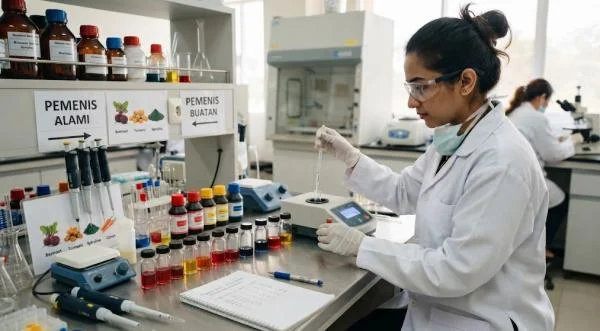
JAKARTA — The global food and beverage industry has experienced a significant shift over the past decade as consumer demand for reduced-sugar products surges. In response to public health crises such as obesity, diabetes, and cardiovascular diseases linked to excessive sugar consumption, manufacturers increasingly turn to alternative sweeteners. These ingredients are broadly categorized into natural and artificial sweeteners, both of which serve as substitutes for traditional sucrose. Despite achieving a similar primary goal—imparting a sweet flavor profile to consumable goods—they possess distinct chemical compositions, botanical or synthetic origins, and physiological characteristics.
In Indonesia, the utilization of these substances is strictly governed by state authorities to ensure consumer safety and product standardization. The Indonesian Food and Drug Authority, widely known as Badan Pengawas Obat dan Makanan (BPOM), maintains regulatory oversight over all food additives utilized within the country. According to institutional guidelines, the incorporation of sweetening additives in commercial products is legally anchored in BPOM Regulation Number 11 of 2019 concerning Food Additives (Bahan Tambahan Pangan). This regulatory framework sets definitive boundaries for the food industry, categorizing sweetening agents and dictating their safe application parameters across various commercial sectors.
Regulatory Standards and the BPOM Framework
BPOM Regulation Number 11 of 2019 serves as the primary legal instrument controlling how food and beverage manufacturers formulate their products for the Indonesian market. The regulation establishes a dual classification system, separating sweetening agents into natural and artificial categories. However, classification alone does not grant blanket approval for unrestricted use.
Under the provisions of the regulation, both natural and artificial sweeteners are permitted for use in food production only if they strictly comply with specific statutory conditions. These conditions mandate adherence to approved substance types, strict categorization of food products eligible for sweetening additives, compliance with established maximum usage limits, and adherence to transparent labeling standards. By enforcing these parameters, BPOM aims to protect consumers from potential health risks associated with the overconsumption or misuse of chemical and plant-derived additives.
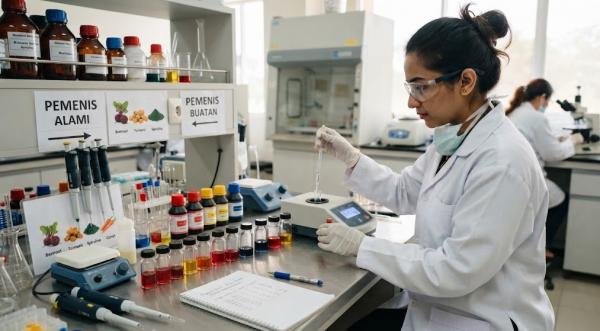
The regulatory approach acknowledges that while alternatives to sugar offer substantial benefits in calorie reduction, their introduction into the food supply chain must be carefully monitored. The maximum usage limits are determined through comprehensive toxicological evaluations conducted by international scientific bodies, such as the Joint FAO/WHO Expert Committee on Food Additives (JECFA), and subsequently adopted or adapted by national regulatory bodies to fit local consumption patterns.
Approved Natural Sweeteners under Indonesian Regulation
Within the context of BPOM regulations, natural sweeteners are typically derived from botanical sources or occur naturally as sugar alcohols (polyols). These substances are often marketed as healthier alternatives due to their lower glycemic index and reduced caloric contribution compared to table sugar.
According to BPOM guidelines, the list of permitted natural sweeteners and sugar alcohols includes sorbitol, isomaltitol, manitol, maltitol, laktitol, silitol, eritritol, thaumatin, and steviol glycosides. Each of these compounds possesses unique characteristics that dictate its suitability for specific food applications. For instance, sugar alcohols like sorbitol and xylitol are frequently utilized in sugar-free confectionery, chewing gums, and pharmaceuticals because they provide a cooling sensation and do not promote tooth decay. However, excessive consumption of certain polyols can lead to gastrointestinal discomfort, a factor that underscores the importance of the maximum usage limits enforced by regulatory authorities.
Among the permitted natural options, one particular substance has gained substantial traction among Indonesian consumers and manufacturers alike: stevia. Derived from the leaves of the botanical species Stevia rebaudiana, a perennial shrub native to South America, stevia extracts are renowned for their intense sweetening capacity. The active compounds responsible for this sweetness are known as steviol glycosides, which can be hundreds of times sweeter than regular sugar yet contribute zero calories to the human diet.
The widespread adoption of stevia in products ranging from bottled teas to table-top sweeteners reflects a broader global consumer preference for clean-label ingredients derived from natural botanical sources rather than chemical synthesis.

Chronology and Historical Context of Food Additive Regulation in Indonesia
The formalization of strict oversight regarding food additives in Indonesia did not occur overnight; it represents a progressive evolution in national consumer protection and public health policy. To understand the current landscape governed by the 2019 regulations, it is necessary to examine the historical trajectory of food safety governance in the archipelago.
In the early decades of modern Indonesian food regulation, oversight primarily focused on basic hygiene, prevention of microbial contamination, and the eradication of overtly toxic adulterants. As the domestic food processing industry expanded rapidly through the 1980s and 1990s, processed foods containing various chemical additives flooded the market. This period saw the initial introduction of synthetic sweeteners such as aspartame, acesulfame potassium, and saccharin, which offered extreme cost-efficiency and high sweetening power for industrial applications.
However, the lack of centralized, comprehensive guidelines often led to inconsistent application and monitoring. Recognizing the potential long-term health implications for a growing population, BPOM progressively tightened its standards. The milestone transition occurred with the enactment of overarching food safety laws in the early 2000s, followed by periodic revisions of additive regulations.
By 2019, the regulatory environment reached a more sophisticated milestone with the issuance of BPOM Regulation Number 11. This decree consolidated scattered provisions, established clear harmonization with international Codex Alimentarius standards, and provided a definitive legal basis for distinguishing, testing, and approving both natural and artificial sweeteners entering the Indonesian market.
Scientific and Industrial Implications of Sweetener Classification
The distinction between natural and artificial sweeteners carries profound implications for both food scientists and public health advocates. From a formulation standpoint, replacing sucrose with an alternative is rarely a simple one-to-one substitution. Sugar provides not only sweetness but also bulk, texture, moisture retention, and browning properties in baked goods. Consequently, food technologists must carefully balance natural polyols or high-intensity sweeteners with bulking agents to replicate the sensory experience expected by consumers.

From a public health perspective, the ongoing transition toward regulated alternatives is a critical component of the national strategy to combat non-communicable diseases (NCDs). Indonesia, like many developing nations, faces a rising tide of type 2 diabetes and obesity. The World Health Organization (WHO) and national health ministries have continually emphasized the need to reduce free sugar intake. By regulating the types and quantities of both natural and artificial sweeteners permitted in commercial products, BPOM plays a frontline defensive role in shaping the nutritional environment.
Furthermore, the economic implications for the agricultural and manufacturing sectors are substantial. The growing demand for natural options like stevia has opened new avenues for agricultural diversification and supply chain development, potentially positioning local farmers to engage in the cultivation of high-value crops. Conversely, producers of synthetic sweeteners must continuously prove the safety of their products through rigorous toxicological dossiers to maintain compliance with stringent domestic and international standards.
Future Outlook and Ongoing Monitoring
As consumer awareness continues to evolve, the market for low-calorie and sugar-free products in Indonesia is projected to expand further. This growth necessitates continuous vigilance from regulatory bodies like BPOM. Scientific research into the metabolic effects of both natural extracts and synthetic compounds is an ongoing global endeavor, with health authorities periodically reviewing acceptable daily intake (ADI) levels in light of newly published clinical data.
Ensuring that food and beverage manufacturers adhere to BPOM Regulation Number 11 of 2019 remains paramount. Through routine market surveillance, laboratory testing of commercial samples, and rigorous pre-market evaluations, regulatory authorities strive to balance industrial innovation with consumer safety. Ultimately, the structured classification and monitoring of natural and artificial sweeteners ensure that Indonesian consumers can make informed dietary choices while enjoying a diverse array of safe, palatable food and beverage products.