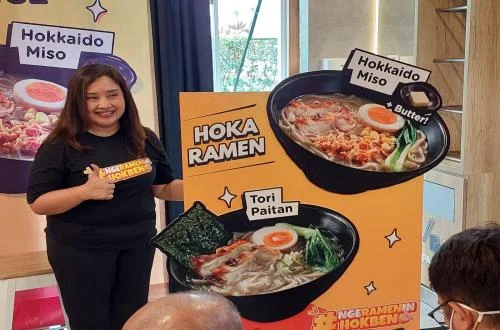
HokBen, the prominent Indonesian-based Japanese-style fast-food chain operated by PT Eka Bogainti, has officially expanded its "Hoka Ramen" product line with the introduction of Spicy Ramen, a move designed to align the brand’s offerings with the pervasive local preference for pungent and spicy flavor profiles. This strategic product launch, announced on February 14, 2023, represents a significant step in the company’s ongoing efforts to diversify its menu beyond its traditional bento-style staples and capture a larger share of the burgeoning ramen market in Indonesia. The introduction of Spicy Ramen follows the successful debut of the Hoka Ramen series in late 2022, signaling a long-term commitment to establishing the brand as a serious contender in the casual Japanese noodle segment.
Francisca Lucky, General Manager of Marketing at PT Eka Bogainti (HokBen), emphasized that the development of the Spicy Ramen variant was a direct response to comprehensive market research regarding Indonesian consumer habits. Speaking at the launch event in Jakarta, Lucky noted that the spicy flavor profile was inspired by the culinary predilections of the majority of the Indonesian population, who historically favor heat and bold seasoning in their daily meals. By integrating these local preferences with traditional Japanese noodle concepts, HokBen aims to provide a localized gastronomic experience that remains accessible to a wide demographic.
Product Composition and Pricing Strategy
The Spicy Ramen is characterized by its robust chicken-based broth, infused with a proprietary blend of spices to achieve its signature heat. The dish is served with a comprehensive array of traditional and localized toppings (pugasan), including thinly sliced chicken chasiu, ni tamago (a marinated soft-boiled egg), pakcoy (bok choy), sliced green onions, and wood ear mushrooms (jamur kuping). This combination is designed to provide a balance of textures—from the chewiness of the noodles and the crunch of the mushrooms to the tenderness of the chicken chasiu—while maintaining a cohesive flavor profile that emphasizes umami and spiciness.
To cater to different appetite levels and price sensitivities, HokBen has implemented a dual-tier pricing and portioning strategy. The Spicy Ramen is available in two sizes: the Regular portion, priced at IDR 38,000, and the Large portion, priced at IDR 48,000. This pricing structure positions the product competitively within the "affordable premium" segment of the Indonesian F&B market, making it more accessible than specialized ramen houses while offering a more elevated experience than instant noodle alternatives or lower-tier street food.
The Evolution of Hoka Ramen: A Chronological Context
The launch of Spicy Ramen is the latest chapter in HokBen’s broader strategy to reinvent its menu for a modern audience. The journey into the ramen sector began in the final quarter of 2022 when the company introduced its initial "Hoka Ramen" line. This debut featured two distinct variants: Hokkaido Miso Ramen and Tori Paitan Ramen.
The Hokkaido Miso Ramen offered a rich, fermented soybean paste base, characteristic of northern Japanese soul food, while the Tori Paitan provided a creamy, collagen-rich white chicken broth. These initial offerings served as a proof-of-concept for the brand, testing whether a chain traditionally associated with fried "egg chicken rolls" and beef teriyaki could successfully pivot into the specialized world of Japanese noodles. The positive market reception of these two variants provided the necessary momentum for the company to develop the Spicy Ramen variant, which bridges the gap between authentic Japanese techniques and the Indonesian palate.
Market Analysis: The "Pedas" Culture and Strategic Localization
The decision to prioritize a spicy variant is grounded in the sociological and economic realities of the Indonesian food industry. In Indonesia, the "pedas" (spicy) flavor is more than just a taste preference; it is a cultural staple. Data from various consumer behavior studies in Southeast Asia indicate that Indonesian consumers have one of the highest tolerances and demands for chili-based products in the region. By incorporating this into their ramen line, HokBen is practicing a "Glocal" (Global-Local) strategy—taking a global product like Japanese ramen and tailoring it to local sensibilities.
Furthermore, the ramen market in Indonesia has seen exponential growth over the last decade. Once a niche delicacy found only in high-end hotels or specific enclaves like Little Tokyo in Blok M, Jakarta, ramen has now entered the mainstream. However, many specialized ramen outlets operate at a price point that remains prohibitive for the general middle-class population. HokBen’s entry into this space with a sub-IDR 50,000 product utilizes their massive supply chain and nationwide presence to democratize access to Japanese-style ramen.
Quality Assurance and Brand Integrity
A critical component of HokBen’s value proposition is its commitment to quality and Halal integrity. As the largest Japanese-style fast-food chain in Indonesia, HokBen has long held Halal certification from the Indonesian Ulema Council (MUI). In a country with the world’s largest Muslim population, this certification is a prerequisite for mass-market success. The Spicy Ramen, like all other Hoka Ramen variants, is prepared using ingredients that strictly adhere to Halal standards, ensuring that the chicken-based broth and chasiu meet religious requirements without compromising the "juicy" texture and "authentic" taste associated with Japanese cuisine.
The company claims that the raw materials used in the ramen are of premium quality, processed with specialized seasonings to ensure that the flavors penetrate deep into the protein and noodles. The goal is to create a "sensasi rasa khas Jepang" (a signature Japanese taste sensation) that feels premium despite the fast-food setting.
Industry Implications and Competitive Landscape
The expansion of the Hoka Ramen line signifies an intensifying competition in the Indonesian casual dining sector. HokBen is no longer just competing with other fast-food chains like KFC or McDonald’s; it is now positioning itself against casual Japanese dining brands such as Ichiban Sushi, Gokana Ramen & Teppan, and even international chains like Marugame Udon.
From a business perspective, adding ramen to the menu allows HokBen to increase its "Average Transaction Value" (ATV). Ramen is often perceived as a "complete meal" compared to individual bento components, and the option for a "Large" size encourages upselling. Additionally, ramen is a highly "Instagrammable" food item, which aids in organic social media marketing—a crucial factor in attracting the Gen Z and Millennial demographics who drive much of the out-of-home dining expenditure in urban centers like Jakarta, Surabaya, and Bandung.
Broader Economic Context
The timing of this product launch also reflects the post-pandemic recovery of the Indonesian Food and Beverage (F&B) sector. Throughout 2022 and into 2023, there has been a significant resurgence in "dine-in" traffic as mobility restrictions were lifted. However, inflationary pressures on raw materials have forced many operators to innovate with their menus to maintain margins. By focusing on chicken-based ramen (Tori), HokBen manages to keep production costs more stable compared to beef-based dishes, while still offering a product that consumers perceive as high-value.
Conclusion and Future Outlook
The introduction of Spicy Ramen by HokBen is a calculated move that leverages brand heritage, local taste preferences, and strategic pricing. By evolving from a bento-centric model to a more diversified Japanese eatery, PT Eka Bogainti is ensuring the longevity of the HokBen brand in an increasingly crowded market.
As the Hoka Ramen line continues to grow, industry observers expect the chain to continue experimenting with seasonal variants and perhaps even plant-based options, following global culinary trends. For now, the Spicy Ramen stands as a testament to the power of localization in the global food industry, proving that for a brand to thrive in Indonesia, it must eventually embrace the heat. With its competitive pricing and established reputation for quality, HokBen’s latest offering is poised to become a staple for Indonesian ramen lovers seeking a balance of Japanese tradition and local fire.