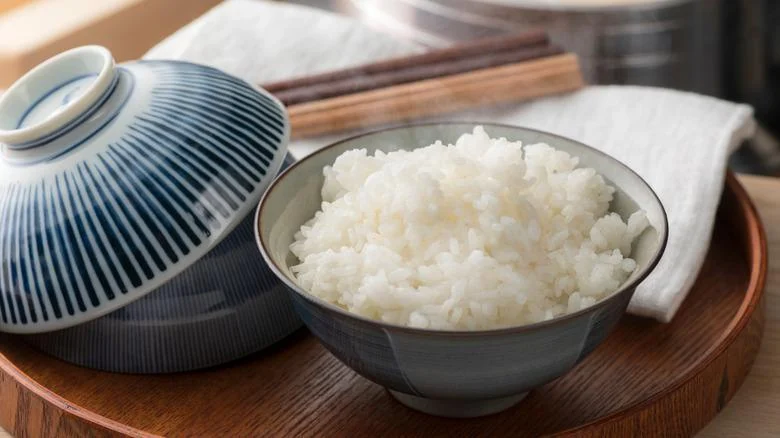
Rice remains the cornerstone of the culinary landscape in Indonesia and much of Asia, serving as the primary source of caloric intake for millions. However, as lifestyle-related diseases such as Type 2 diabetes and insulin resistance continue to rise across the archipelago, rice consumption has increasingly come under scrutiny. Often vilified as a primary contributor to weight gain and blood glucose spikes due to its high glycemic index (GI), rice is frequently eliminated from the diets of those attempting to lose weight or manage metabolic conditions. Yet, recent nutritional research suggests that it is not necessarily the rice itself that poses the danger, but rather the preparation methods and the dietary context in which it is consumed. By applying evidence-based culinary techniques, consumers can continue to enjoy this staple while mitigating its metabolic impact.
The Metabolic Challenge of Refined Carbohydrates
The primary concern regarding white rice is its high glycemic index. The GI is a measurement that ranks carbohydrates on a scale from 0 to 100 based on how quickly they raise blood sugar levels after consumption. White rice, which has been stripped of its bran and germ, is rapidly digested and absorbed, leading to a quick surge in blood glucose. For individuals with diabetes, this rapid spike necessitates an immediate insulin response from the pancreas. Over time, frequent spikes can lead to insulin resistance, a condition where the body’s cells stop responding effectively to insulin, eventually leading to metabolic syndrome.
According to data from the International Diabetes Federation (IDF), the prevalence of diabetes in Indonesia is among the highest in the world, with millions of undiagnosed cases. Given that rice provides a significant portion of daily energy for the average Indonesian, a complete abandonment of the grain is often culturally and practically difficult. Therefore, shifting the focus from total elimination to modification—a concept known as glycemic load reduction—is a more sustainable approach to public health.
Expert Recommendations for Glycemic Control
Nutritionist Khushi, whose insights were recently highlighted in Food NDTV, emphasizes that the nutritional profile of a meal is dictated by its overall composition. In a recent analysis posted on her social media platforms, she argues that eating plain white rice in large portions is where the metabolic danger lies. Instead, she advocates for the "dilution" of rice with fiber-rich ingredients.
"White rice alone has a high glycemic index, but cooking it in tandem with nutrient-dense grains, legumes, or shredded vegetables effectively lowers the glycemic load of the entire meal," Khushi explains. This strategy increases the satiety index of the dish, ensuring that the consumer feels fuller for longer periods, which inherently limits the total volume of rice consumed.
Strategic Pairings for Better Health
The strategy involves shifting the macronutrient balance of the bowl. By incorporating ingredients that are high in fiber, protein, or healthy fats, the speed at which glucose enters the bloodstream is significantly slowed. Khushi suggests two primary methods:
- Legume and Grain Integration: Mixing white rice with quinoa or mung beans is highly recommended. Legumes are rich in plant-based protein and soluble fiber, both of which are known to improve glycemic control. Quinoa, a pseudo-cereal, offers a complete protein profile, providing essential amino acids that white rice lacks.
- Vegetable Infusion: Incorporating shredded vegetables directly into the cooking process serves two purposes. First, it adds essential micronutrients. Second, the water content and fiber in vegetables like pumpkin and carrots help improve the overall nutritional density of the meal. Khushi notes that pumpkin-infused rice can be excellent for hydration and weight management, while carrot-infused rice provides antioxidant benefits, specifically contributing to skin health and anti-aging properties.
The Science of Resistant Starch: The Cooling Effect
Perhaps the most compelling evidence for altering rice consumption lies in the chemistry of "resistant starch." A study published in the National Library of Medicine has provided a revolutionary insight into how the temperature of cooked rice affects its digestibility.
When starch is cooked and then cooled, it undergoes a process called retrogradation. This process transforms a portion of the digestible starch into resistant starch—a type of starch that the human body cannot easily break down into glucose in the small intestine. Instead, it passes into the large intestine, where it acts as a prebiotic, feeding beneficial gut bacteria.
The specific protocol involves cooking white rice and subsequently cooling it at 4°C for 24 hours. The research indicates that rice treated in this manner, then reheated, contains approximately 1.65 grams of resistant starch per 100 grams, compared to only 0.64 grams in freshly cooked, hot rice. This shift in molecular structure leads to a significantly lower glycemic response, making it a safer option for those managing blood glucose levels. This scientific finding validates traditional dietary practices in many cultures where cold rice salads or leftovers are consumed, demonstrating that the "reheating" method is not just a matter of convenience, but a valid health intervention.
Chronology of Nutritional Awareness
The conversation around rice consumption has evolved significantly over the last decade.
- 2015-2018: Early public health campaigns focused on portion control, suggesting that consumers limit their rice intake to "one fist-sized portion" per meal.
- 2019-2021: Increased focus on "low-GI" rice varieties, such as brown, black, and red rice, gained traction, though adoption was hindered by price points and taste preferences.
- 2022-2024: Nutritionists began focusing on the "food synergy" approach—how the combination of ingredients impacts blood sugar, rather than demonizing a single food item.
- 2025-2026: Scientific studies regarding resistant starch and meal preparation techniques (such as the cooling method) have moved from academic journals to mainstream public health advice, providing practical, cost-effective solutions for the average household.
Economic and Cultural Implications
In the Indonesian context, rice is more than just food; it is a symbol of food security and cultural identity. Policies that encourage the consumption of alternatives like corn or cassava have seen mixed success due to ingrained culinary habits. Therefore, the approach of "modifying" rice rather than "replacing" it is arguably the most viable path forward.
From an economic standpoint, the cost of managing diabetes and its associated complications—such as cardiovascular disease, kidney failure, and neuropathy—imposes a massive burden on the national healthcare system. By educating the public on simple, low-cost culinary modifications, there is a potential to lower the incidence of secondary health issues. The emphasis on adding legumes and vegetables is also aligned with local food production, as these ingredients are readily available in traditional markets across the country.
Broader Health Impact: Beyond Diabetes
While the primary focus of these dietary adjustments is glycemic control, the broader health implications are significant. The shift toward fiber-rich, nutrient-dense rice dishes promotes better gut health, improved weight management, and reduced systemic inflammation.
The inclusion of fiber-rich vegetables and legumes contributes to better cardiovascular markers, including improved cholesterol profiles. Furthermore, the "resistant starch" method of cooking aligns with modern understandings of the gut-brain axis, where a healthy microbiome, fostered by resistant starches, is increasingly linked to improved mental health and immune function.
Conclusion: A Balanced Approach to the Future
The narrative surrounding rice consumption is shifting from a paradigm of restriction to one of intelligent preparation. For those managing diabetes or insulin resistance, the evidence is clear: the way rice is prepared, paired, and served can make a substantial difference in metabolic outcomes. By adopting the practice of cooling rice to increase resistant starch, and by enriching the rice bowl with legumes, grains, and vegetables, consumers can continue to honor their dietary traditions while actively protecting their long-term health.
As public awareness continues to grow, it is essential that healthcare providers, nutritionists, and culinary experts collaborate to disseminate these evidence-based practices. With simple adjustments in the kitchen, the national staple can remain a source of sustenance that supports, rather than compromises, the health of the population. The future of nutrition in Indonesia does not lie in the elimination of the cultural diet, but in the sophisticated, science-backed evolution of how that diet is prepared.