
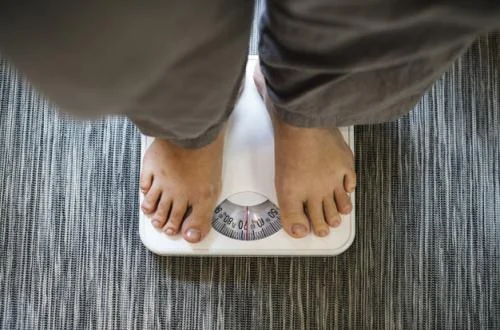
For many individuals, crossing the threshold of 50 years old marks a significant physiological shift, often characterized by a frustratingly rapid increase in body weight despite maintaining previous eating habits. This phenomenon is not merely a matter of willpower but is rooted in complex biological and lifestyle changes that converge during middle age. Dr. Caroline Apovian, a weight loss specialist at Boston University Medical Center, emphasizes that weight gain in the fifth decade of life and beyond is primarily driven by two foundational factors: a marked decrease in physical activity and a progressive loss of muscle mass, known medically as sarcopenia. As the body’s composition shifts, the metabolic rate begins to falter, creating a caloric surplus that manifests as increased adipose tissue, particularly in the abdominal region.
While the prospect of weight gain may seem inevitable, medical professionals and fitness experts suggest that it is entirely possible to maintain a healthy weight and robust metabolic profile through targeted interventions. The challenge lies in adapting one’s lifestyle to meet the body’s changing requirements. Beyond the primary drivers of inactivity and muscle loss, Dr. Apovian identifies secondary factors such as metabolic deceleration and age-related sleep disturbances as significant contributors to the struggle. These factors create a "perfect storm" for weight gain, yet they also provide clear targets for prevention and management.
The Biological Chronology of Metabolic Aging
To understand why weight management becomes more difficult after 50, it is essential to examine the chronology of physiological changes that begin decades earlier. Starting as early as age 30, the human body begins to lose muscle mass at a rate of approximately 3% to 8% per decade. This rate often accelerates after the age of 60, but the cumulative effect becomes most noticeable during the 50s. Because muscle tissue is more metabolically active than fat tissue—meaning it burns more calories at rest—the loss of muscle directly leads to a lower basal metabolic rate (BMR).
By the time an individual reaches 50, their daily caloric requirement may be significantly lower than it was in their 20s. For example, a sedentary 50-year-old woman may require approximately 200 to 400 fewer calories per day than she did in her youth to maintain the same weight. If dietary habits remain stagnant while activity levels and muscle mass decline, the resulting energy imbalance leads to gradual but persistent weight gain. This is often exacerbated by hormonal shifts; in women, the onset of menopause leads to a decline in estrogen, which is linked to an increase in visceral fat. In men, a gradual decline in testosterone can contribute to reduced muscle synthesis and increased fatigue.
Supporting Data on Sarcopenia and Sedentary Lifestyles
Recent data from the Centers for Disease Control and Prevention (CDC) and various longitudinal aging studies highlight the scale of this issue. Research indicates that physical activity levels tend to drop sharply in the 50s, often due to career peaks that demand more sedentary hours or the onset of minor joint pains that discourage exercise. A study published in the journal Nutrients suggests that nearly 30% of adults over 50 do not engage in any physical activity outside of their work environment.
Furthermore, the "sleep-weight" connection is backed by substantial evidence. As people age, the architecture of their sleep changes, leading to shorter durations of deep sleep and more frequent awakenings. Sleep deprivation has been shown to disrupt hunger hormones—specifically increasing ghrelin (the hunger hormone) and decreasing leptin (the satiety hormone). For the 50-plus demographic, poor sleep quality becomes a metabolic hurdle that makes resisting high-calorie, processed foods increasingly difficult.
Strategic Intervention: The Role of Low-Impact Activity
In addressing these challenges, fitness experts like personal trainer Tyler Read advocate for a shift in how older adults approach movement. The primary objective is to find sustainable, consistent forms of exercise that do not place undue stress on aging joints. Low-impact activities are defined as movements that keep at least one foot on the ground or involve buoyancy, thereby reducing the jarring force on the knees, hips, and lower back.
Recommended activities include walking, swimming, cycling, rowing, Tai Chi, and yoga. According to Read, these are not just "light" exercises; they are essential tools for long-term weight management. Data from WebMD and the Mayo Clinic suggest that regular low-impact exercise improves cardiovascular circulation, reduces the risk of falls by strengthening stabilizing muscles, and enhances overall quality of life. For instance, walking at a brisk pace for 30 minutes a day has been shown to significantly reduce the risk of Type 2 diabetes and hypertension in the 50-plus age group.
Resistance Training: The Antidote to Muscle Loss
While aerobic exercise is vital for heart health, resistance training is the specific remedy for the muscle loss that drives metabolic slowdown. A study published in Current Sports Medicine Reports underscores the importance of resistance training in reducing visceral fat—the dangerous "hidden" fat that wraps around internal organs. Unlike subcutaneous fat, visceral fat is metabolically active and releases inflammatory markers that increase the risk of heart disease and insulin resistance.
Resistance training, which can include weightlifting, the use of resistance bands, or bodyweight exercises like squats and planks, stimulates protein synthesis and preserves lean tissue. By maintaining or increasing muscle mass, individuals can effectively "protest" the natural decline of their metabolism. Experts recommend at least two sessions of strength training per week, focusing on major muscle groups to maximize metabolic benefits and improve functional movement.
Nutritional Frameworks: Mediterranean and DASH Models
Dietary intervention remains the most influential factor in weight management after 50. As caloric needs decrease, the nutrient density of food must increase. Medical professionals frequently point to the Mediterranean and DASH (Dietary Approaches to Stop Hypertension) diets as the gold standards for this demographic. These eating patterns emphasize whole grains, lean proteins, healthy fats (such as olive oil and nuts), and an abundance of fruits and vegetables.
The Mediterranean diet, in particular, has been lauded for its anti-inflammatory properties, which can help mitigate the joint pain that often hinders physical activity. Meanwhile, the DASH diet is specifically designed to manage blood pressure, a common concern for those over 50. Regardless of the specific framework chosen, the underlying mechanism for weight loss remains a calorie deficit. Tyler Read notes that a plan which helps an individual maintain a consistent, moderate deficit is the most reliable predictor of success. This often involves increasing protein intake to support muscle repair while reducing the consumption of refined sugars and ultra-processed carbohydrates that trigger insulin spikes.
Expert Analysis of Broader Implications
The struggle to maintain weight after 50 is not merely an individual health concern but a broader public health issue with significant economic implications. As the global population ages—a phenomenon often referred to as the "silver tsunami"—the prevalence of age-related obesity is expected to rise. This trend places a substantial burden on healthcare systems due to the high cost of treating chronic conditions associated with excess weight, such as osteoarthritis, cardiovascular disease, and metabolic syndrome.
From a policy perspective, there is a growing need for "active aging" initiatives that make fitness and nutritional education more accessible to middle-aged and older adults. Analyzing the current trends, it is clear that preventative measures taken in the 50s can drastically alter an individual’s health trajectory in their 70s and 80s. Maintaining a healthy weight at 50 is not just about aesthetics; it is about preserving "healthspan"—the period of life spent in good health, free from chronic disability.
Official Responses and Clinical Perspectives
Health organizations globally have begun to update their guidelines to reflect the specific needs of the aging population. The World Health Organization (WHO) now explicitly includes muscle-strengthening activities in its global recommendations for physical activity for adults over 65, and many clinicians are now "prescribing" exercise as a primary treatment for metabolic slowing in the 50-plus demographic.
Dr. Apovian and her colleagues at major medical centers emphasize that the medical community must move away from a one-size-fits-all approach to weight loss. For patients over 50, clinical focus is shifting toward "metabolic health" rather than just the number on the scale. This includes monitoring waist circumference, blood glucose levels, and lipid profiles. The consensus among experts is that while the biological "deck" may be stacked against those over 50, the combination of low-impact movement, resistance training, and nutrient-dense eating provides a powerful toolkit for reclaiming metabolic control.
In conclusion, the ease of weight gain after age 50 is a biological reality driven by muscle loss, hormonal changes, and lifestyle shifts. However, it is a manageable reality. By understanding the chronology of these changes and implementing evidence-based strategies—such as low-impact exercise and resistance training—individuals can navigate middle age with vitality. The transition into one’s 50s should be viewed not as an inevitable decline, but as a pivotal moment to recalibrate habits for a healthier, more active future.
