• Home
  • About Us
  • Contact Us
  • Cookies Policy
  • Disclaimer
  • DMCA
  • Privacy Policy
  • Terms and Conditions
Dara News Media
keep your memories alive
Automotive

Hillary Clinton: A Political Journey Through American History

by Nana Wu January 18, 2026
written by Nana Wu

Hillary Rodham Clinton, born on October 26, 1947, in Chicago, Illinois, has carved an indelible mark on the American political landscape. Her journey, marked by significant achievements and notable setbacks, offers a compelling narrative of ambition, resilience, and the evolving role of women in public service. Her legal education at Yale Law School not only provided her with the foundational skills for a distinguished career but also served as the venue where she met Bill Clinton, who would become her husband and, eventually, the 42nd President of the United States.

From First Lady to Senator: Laying the Groundwork

During Bill Clinton’s presidency from 1993 to 2001, Hillary Clinton served as First Lady, a role she redefined by actively engaging in policy initiatives, most notably her advocacy for healthcare reform with the Health Insurance Portability and Accountability Act (HIPAA) and the Children’s Health Insurance Program (CHIP). These endeavors, while facing considerable political opposition, showcased her commitment to public service and her capacity to navigate the complex machinery of Washington D.C.

A pivotal moment in her independent political career arrived in 1998. Following the resignation of Senator Daniel Patrick Moynihan, a prominent figure in the Democratic Party, Hillary Clinton was urged by party officials to consider filling the vacant seat representing New York. This suggestion marked a significant departure from the traditional role of a First Lady and signaled her burgeoning political aspirations. In 2000, she was elected as the Senator for New York, becoming the first former First Lady to win elected office. She served two terms, from 2001 to 2009, during which she focused on issues such as national security, economic development, and healthcare. Her senatorial tenure provided her with invaluable legislative experience and solidified her national political profile.

The Presidential Ambitions: A Historic Campaign

By early 2007, while still serving as a Senator, Hillary Clinton made the momentous announcement of her candidacy for the U.S. Presidency. This campaign was historic on multiple fronts, positioning her as a leading contender for the Democratic nomination and raising the prospect of the United States electing its first female president. Her platform emphasized experience, a steady hand in foreign policy, and a commitment to expanding access to healthcare and education.

The Democratic primaries of 2008 were fiercely contested. Clinton faced a formidable challenge from then-Senator Barack Obama, whose message of hope and change resonated deeply with a significant portion of the electorate. The primary battles were intense, characterized by detailed policy debates and contrasting leadership styles. Ultimately, on June 7, 2008, Hillary Clinton suspended her presidential campaign, endorsing Barack Obama and urging her supporters to rally behind him. This decision, while a personal disappointment, demonstrated her commitment to party unity and paved the way for Obama’s eventual victory in the general election.

Hillary Clinton : Okezone News

Secretary of State: Navigating Global Diplomacy

Upon Barack Obama’s election as President in 2008, he recognized Hillary Clinton’s extensive experience and formidable diplomatic skills. In January 2009, she was appointed as the 67th United States Secretary of State. This role placed her at the forefront of American foreign policy for four years, from 2009 to 2013. During her tenure, she traveled extensively, visiting over 100 countries, and played a key role in managing complex international relations, including navigating the Arab Spring uprisings, overseeing the withdrawal of troops from Iraq, and engaging in diplomatic efforts related to Iran’s nuclear program. Her leadership as Secretary of State was widely acknowledged for its energy and effectiveness, further bolstering her credentials as a seasoned stateswoman.

The 2016 Presidential Election: A Landmark Contention

Following her service as Secretary of State, Hillary Clinton again set her sights on the presidency, announcing her candidacy for the 2016 election. This campaign was historic as she became the first woman to secure the presidential nomination of a major party. Her Republican opponent was businessman Donald Trump. The election cycle was marked by intense media scrutiny, divisive rhetoric, and a stark contrast in political ideologies.

Clinton’s campaign focused on themes of inclusivity, economic opportunity, and a continuation of Obama’s policies, while Trump’s campaign centered on an "America First" agenda, immigration reform, and a critique of established political norms. The election saw unprecedented levels of voter engagement and, unfortunately, polarization.

On November 8, 2016, the election results delivered a surprising outcome. Despite winning the popular vote by nearly three million votes, Hillary Clinton did not secure enough electoral votes to win the presidency, ultimately losing to Donald Trump. This outcome was a profound disappointment for her supporters and marked a significant moment in American electoral history, highlighting the complexities of the Electoral College system and the deep divisions within the nation.

Post-Election Life and Continued Influence

Following the 2016 election, Hillary Clinton remained an active voice in public discourse. She has continued to engage in political advocacy, particularly concerning women’s rights and democratic values. Her extensive memoir, "What Happened," published in 2017, offered a candid reflection on her 2016 campaign and her perspectives on the political landscape. She has also been involved in various initiatives aimed at empowering women in politics and promoting civic engagement.

Hillary Clinton’s political career, spanning decades, is a testament to her unwavering commitment to public service and her profound impact on American governance. From her early advocacy as First Lady to her historic presidential campaigns and her impactful tenure as Secretary of State, she has consistently pushed boundaries and challenged traditional expectations. Her story is a crucial chapter in the ongoing evolution of American democracy and the increasing participation of women in the highest echelons of power. Her influence, though no longer holding elected office, continues to be felt through her continued engagement in political dialogue and her advocacy for causes she holds dear.

January 18, 2026 0 comment
0 FacebookTwitterPinterestEmail
Automotive

Molotov Cocktail Attack on OpenAI CEO Sam Altman’s Home Reflects Deepening Global AI Tensions

by Reynand Wu January 16, 2026
written by Reynand Wu

SAN FRANCISCO – The tranquility of Sam Altman’s San Francisco residence was shattered in the early hours of Friday, April 13th, 2026, when an assailant hurled a Molotov cocktail at his property. The incendiary device ignited at the exterior gate, creating a brief but alarming blaze before the perpetrator fled the scene. Fortunately, no injuries were reported during the incident, and the fire was quickly contained.

Law enforcement responded swiftly to the disturbance, and within a short period, a 20-year-old male suspect was apprehended in connection with the attack. The individual now faces a severe battery of charges, including attempted murder and arson of property. Subsequent investigations have revealed a disturbing potential link between the suspect and anti-artificial intelligence sentiments, with preliminary findings suggesting his past involvement in a Discord server associated with the "PauseAI" movement.

The PauseAI group, however, has publicly distanced itself from the direct actions of the alleged perpetrator. In a formal statement, the organization asserted that the individual’s activity within their server was minimal, consisting of only 34 messages over a two-year span, and crucially, that he never advocated for or incited violence. "Violence is contrary to our principles," the group emphasized, seeking to underscore their commitment to non-violent opposition to AI development.

Despite PauseAI’s disavowal, the incident has undeniably amplified existing concerns and ignited a broader conversation about the escalating global tensions surrounding the rapid advancement of artificial intelligence. The attack, while criminal in nature, serves as a stark, albeit extreme, manifestation of the deep-seated anxieties that the burgeoning power of AI has engendered worldwide.

The Rise of OpenAI and the Dawn of Generative AI

The emergence of OpenAI as a dominant force in the technological landscape has been meteoric, particularly since the public unveiling of its groundbreaking chatbot, ChatGPT, in November 2022. This event marked a pivotal moment, democratizing access to sophisticated language models and showcasing the transformative potential of generative AI to a global audience. OpenAI, under the leadership of Sam Altman, has since pushed the boundaries of machine capabilities with the development of increasingly powerful models, such as the anticipated GPT-5.4, often referred to as "frontier AI." These advancements, while hailed for their innovation, have simultaneously fueled widespread apprehension.

Roots of the Conflict: Fear and Uncertainty Surrounding AI

The anxieties surrounding AI are multifaceted and deeply rooted in both immediate and speculative concerns. One of the most prominent areas of worry revolves around the potential displacement of human workers across various sectors. As AI systems become more adept at performing tasks previously exclusive to human intellect and labor, fears of mass unemployment and economic disruption are increasingly voiced. Reports from organizations like the World Economic Forum have consistently highlighted the transformative impact of AI on the future of work, predicting significant shifts in labor market demands and skill requirements. For instance, a 2023 WEF report estimated that AI could automate up to 85 million jobs globally by 2025, while simultaneously creating new roles requiring different skill sets.

Beyond economic implications, profound ethical dilemmas are at the forefront of public discourse. Questions surrounding data privacy, algorithmic bias, and the potential for AI to perpetuate or even amplify societal inequalities are critical. The development of AI systems trained on vast datasets, which may contain inherent biases, can lead to discriminatory outcomes in areas such as hiring, loan applications, and even criminal justice. Ensuring fairness, transparency, and accountability in AI development and deployment remains a significant challenge.

Rumah Bos OpenAI Sam Altman Dilempar Bom Molotov, Ini Akar Masalahnya

Furthermore, the potential for the malicious use of AI technology casts a long shadow. Concerns range from the proliferation of sophisticated disinformation campaigns and deepfakes, which can erode trust in institutions and manipulate public opinion, to the development of autonomous weapons systems that raise complex questions about human control and responsibility in warfare. The very notion of artificial general intelligence (AGI) – AI that possesses human-like cognitive abilities – also evokes existential fears about humanity’s future and the potential loss of control over its own creations.

Chronology of Escalating AI Sentiments

The incident at Sam Altman’s home did not occur in a vacuum. It is the culmination of a growing wave of public sentiment, both positive and negative, surrounding AI.

  • November 2022: OpenAI launches ChatGPT, sparking widespread public fascination and a surge in AI adoption and development.
  • Early 2023: The rapid advancement of AI models, including OpenAI’s GPT-4, leads to increased media attention and public debate about AI’s capabilities and implications.
  • Mid-2023: Concerns about AI’s impact on jobs, ethics, and security begin to gain significant traction in mainstream discourse. Online communities and activist groups dedicated to AI safety and regulation start to proliferate.
  • Late 2023 – Early 2024: Governments and international bodies begin to seriously consider AI regulation, with various proposals and frameworks emerging globally. Discussions around the potential risks of "superintelligence" and existential threats intensify.
  • Early 2024: The formation and visibility of groups like "PauseAI," advocating for a halt or significant slowdown in AI development, indicate a more organized and vocal opposition. Their online presence and messaging, while professing non-violence, contribute to the broader narrative of AI apprehension.
  • April 13, 2026: The Molotov cocktail attack on Sam Altman’s home occurs, bringing the abstract fears surrounding AI into a tangible and alarming reality.

Supporting Data and Expert Analysis

The concerns fueling such extreme reactions are not unfounded, according to numerous studies and expert analyses. Research from institutions like the McKinsey Global Institute consistently points to the disruptive potential of AI on labor markets, estimating that by 2030, between 400 million and 800 million individuals globally may need to switch occupations due to automation.

Ethical considerations are equally pressing. A 2025 report by the AI Ethics Institute highlighted that a significant percentage of AI systems in use exhibited biases related to race, gender, and socioeconomic status, underscoring the urgent need for more robust ethical guidelines and auditing mechanisms. The proliferation of AI-generated disinformation, a phenomenon that has already demonstrably influenced political discourse and public perception, presents a formidable challenge to democratic societies. According to a study published in the journal Nature, the sophistication of deepfake technology has reached a point where distinguishing between real and AI-generated content is becoming increasingly difficult for the average user.

Official Responses and Broader Implications

While the immediate focus of law enforcement is on apprehending and prosecuting the individual responsible for the attack, the incident has prompted broader reflections from the tech industry and policymakers. Representatives from major AI development companies, while condemning the violence, have acknowledged the importance of addressing public concerns. There is an increasing recognition within the industry that responsible innovation must be coupled with proactive engagement with societal anxieties.

This attack, however isolated, serves as a potent symbol of the deep divisions and anxieties that AI is generating. It underscores the critical need for a more nuanced and inclusive dialogue about the future of artificial intelligence. This dialogue must involve not only technologists and policymakers but also the broader public, ensuring that the development of AI aligns with human values and societal well-being.

The implications of this event extend beyond the immediate legal proceedings. It highlights the potential for fringe sentiments to escalate into violent acts when fueled by widespread public apprehension. It also places a spotlight on the responsibility of technology leaders and organizations to not only innovate but also to actively communicate, educate, and collaborate with society to mitigate fears and build trust. As AI continues its relentless march forward, ensuring that its development is guided by ethical principles, societal benefit, and robust safety measures will be paramount in preventing future incidents and fostering a more harmonious integration of artificial intelligence into our lives. The incident at Sam Altman’s home, while a criminal act, serves as a stark reminder that the future of AI is not solely a technological challenge, but a deeply human one.

January 16, 2026 0 comment
0 FacebookTwitterPinterestEmail
Technology

The Wuchang: Fallen Feathers Development Team Disbanded Following Game Director’s Departure and Establishment of New Independent Studio

by Ali Ikhwan January 15, 2026
written by Ali Ikhwan

The future of the souls-like action RPG Wuchang: Fallen Feathers has been cast into significant doubt following reports of the dissolution of its development team at Leenzee Studio. The core of this upheaval appears to stem from the abrupt departure of Xia Siyuan, the game’s director and primary producer, who has since gone on to establish his own independent game development studio. This exodus has reportedly led to a crisis within the studio, resulting in the disbandment of the dedicated Wuchang: Fallen Feathers team and widespread speculation regarding the game’s ongoing support and development.

The Catalyst: A Key Departure and Its Aftermath

The initial revelations concerning the internal turmoil at Leenzee Studio surfaced through reports from Chinese gaming media, notably Gamersky. These reports indicate that Xia Siyuan was dismissed from his position at Leenzee Studio shortly before the Lunar New Year celebrations. In the weeks that followed his termination, Siyuan reportedly founded a new, independent development entity. The departure of such a pivotal figure, especially one closely associated with the creative vision and direction of Wuchang: Fallen Feathers, has been widely cited as the primary catalyst for the subsequent instability within the development team.

Sources suggest that following Siyuan’s exit, the remaining members of the Wuchang: Fallen Feathers development team were presented with alternative opportunities within Leenzee Studio. These options reportedly included reassignment to other ongoing projects, engagement in outsourcing work, or roles in supporting capacities for different titles. However, a significant portion of the team is said to have declined these offers. This collective refusal, stemming from a perceived lack of commitment to the Wuchang project or perhaps a solidarity with their former director, ultimately led to the disbandment of the development group and resulted in a number of layoffs.

A Timeline of Uncertainty

While specific dates are scarce, the sequence of events can be pieced together to paint a picture of escalating uncertainty:

Tim Wuchang: Fallen Feathers Dikabarkan Bubar • Jagat Play
  • Pre-Lunar New Year: Xia Siyuan, Game Director and Producer for Wuchang: Fallen Feathers, is reportedly dismissed from Leenzee Studio.
  • Weeks Following Dismissal: Siyuan establishes a new, independent game development studio.
  • Post-Departure Period: Remaining members of the Wuchang: Fallen Feathers development team are offered alternative roles within Leenzee Studio.
  • Team Rejection and Disbandment: A majority of the team reportedly rejects the offered positions, leading to the dissolution of the dedicated Wuchang development group and subsequent layoffs.
  • Recent Months: A noticeable lack of significant updates or communication regarding Wuchang: Fallen Feathers becomes apparent to the gaming community.

This unfolding situation directly correlates with the observed silence surrounding new content or patches for Wuchang: Fallen Feathers. The game, which had garnered a degree of positive reception from players for its challenging gameplay and distinct aesthetic, now finds its future shrouded in ambiguity.

Contextualizing Wuchang: Fallen Feathers and its Development Studio

Wuchang: Fallen Feathers emerged as a promising title in the competitive souls-like genre, a niche known for its demanding combat, intricate level design, and often bleak, atmospheric worlds. Developed by Leenzee Studio, a relatively lesser-known entity in the global gaming landscape, the game aimed to carve out its own identity within this established subgenre. Initial impressions and early access feedback often highlighted its potential, drawing comparisons to established titles while also showcasing unique elements.

The success and continued development of any game are heavily reliant on the stability and dedication of its core development team. For a project like Wuchang: Fallen Feathers, which likely operated with a focused, specialized team, the departure of its director and producer would invariably create a significant void. The reported decision of the majority of the team to not accept alternative roles suggests a deep-seated attachment to the Wuchang project or a profound shift in the studio’s internal dynamics and future direction.

Supporting Data and Industry Trends

While direct financial data or internal Leenzee Studio performance metrics are not publicly available, the situation at Leenzee can be viewed through the lens of broader industry trends. The games industry, particularly in the development of ambitious single-player titles like souls-likes, is characterized by high stakes, long development cycles, and intense pressure to deliver. Studio restructures, team dissolutions, and even project cancellations are not uncommon, often triggered by a confluence of factors including funding issues, creative differences, shifts in market demand, or key personnel changes.

The rapid growth of the indie and AA development scene has also led to increased competition, not only for player attention but also for talent. The ability of a former key developer like Xia Siyuan to quickly establish a new independent studio underscores the mobility of skilled individuals within the industry. This can be both a positive force, fostering innovation, and a destabilizing one, particularly for established studios facing internal challenges.

Tim Wuchang: Fallen Feathers Dikabarkan Bubar • Jagat Play

Potential Implications and Analysis

The disbandment of the Wuchang: Fallen Feathers development team carries several significant implications:

  • Stalled Development and Lack of Updates: The most immediate consequence is the cessation of new content, bug fixes, and potential quality-of-life improvements for the game. Players who were anticipating future expansions or significant patches will likely be disappointed.
  • Uncertainty for Existing Players: For those who have invested time and resources into Wuchang: Fallen Feathers, the lack of official communication creates a state of limbo. It raises questions about whether the game will receive any further support or if it will be left in its current state.
  • Reputational Impact for Leenzee Studio: The situation could negatively impact Leenzee Studio’s reputation within the gaming community and among potential future employees. A perception of instability or poor management could make it challenging to attract talent for future projects.
  • Potential for Xia Siyuan’s New Venture: Conversely, Xia Siyuan’s new independent studio, potentially staffed by former Wuchang team members, could become a significant player in the future. His departure, while disruptive for Wuchang, might be the genesis of a highly promising new development house with a clear vision.

The lack of official comment from Leenzee Studio amplifies the uncertainty. In such situations, transparency, even if it delivers difficult news, is often appreciated by the player base. The silence allows speculation to flourish and can erode trust.

Industry Reactions and Community Sentiment (Inferred)

While no official statements have been released by Leenzee Studio, the gaming community has reacted with a mixture of disappointment and concern. Forums and social media discussions related to Wuchang: Fallen Feathers are likely abuzz with speculation. Players who enjoyed the game have expressed their hopes for its continuation, while others have voiced frustration over the lack of communication.

Industry observers might infer that this scenario highlights the delicate balance of creative talent and studio infrastructure. The passion and vision of a game director are crucial, but so is the organizational structure and stability of the studio that supports them. The events suggest a breakdown in this crucial synergy at Leenzee.

The Road Ahead: A Question Mark for Wuchang

As it stands, the future of Wuchang: Fallen Feathers is precarious. Without a dedicated development team and with its key creative lead having moved on to new ventures, the possibility of significant future development appears slim. Players who have invested in the game are left in suspense, their hopes for continued content now contingent on an official statement from Leenzee Studio, or perhaps a surprising turn of events. The situation serves as a stark reminder of the volatile nature of game development and the profound impact that key personnel changes can have on the fate of a project. The gaming world will be watching to see if Leenzee Studio can offer any clarity or if Wuchang: Fallen Feathers is destined to become a poignant example of unrealized potential.

January 15, 2026 0 comment
0 FacebookTwitterPinterestEmail
Technology

Xiaomi Launches Ice Cream in Standard, Pro, and Max Variants, Incorporating Millet into its Culinary Innovations

by Suro Senen January 14, 2026
written by Suro Senen

Xiaomi, a global technology giant renowned for its expansive portfolio encompassing smartphones, electric vehicles, and an array of smart home devices, has ventured into an unexpected domain: frozen desserts. At its recent Values 2026 Conference, the company unveiled a new line of ice cream, a move that has surprised industry observers and consumers alike. This culinary foray into the competitive dessert market sees Xiaomi offering its ice cream in three distinct tiers: Standard, Pro, and Max, each priced to cater to different consumer preferences and budgets.

The launch signifies a bold diversification strategy for Xiaomi, moving beyond its traditional technological offerings. While the company has steadily expanded its consumer electronics and lifestyle product ecosystem, the introduction of edible goods, specifically ice cream, marks a significant departure and a testament to its ambition to integrate into various facets of daily life. This expansion into food products, while unconventional for a tech company, aligns with a growing trend among major corporations to leverage their brand recognition and supply chain expertise into adjacent or entirely new markets.

A Deep Dive into the New Ice Cream Lineup

Xiaomi’s new ice cream collection mirrors the tiered product strategies often seen in its technology releases, featuring a Standard, Pro, and Max version. This approach allows for a differentiated product offering, appealing to a broader consumer base with varying price points and feature sets.

The Standard variant is positioned as the accessible entry point, retailing at 5.99 yuan, which converts to approximately $0.83 USD or around Rp15,000. This pricing strategy suggests an aim to capture a significant share of the everyday treat market, making it a readily available indulgence for Xiaomi’s vast customer base.

Stepping up the offering, the Pro version introduces an added element of texture and flavor complexity with the inclusion of cookies. Priced at 6.99 yuan (approximately $0.97 USD or Rp17,000), this tier caters to consumers seeking a slightly more elaborate dessert experience without a substantial price increase. The addition of cookies likely enhances the mouthfeel and overall enjoyment, differentiating it from the basic offering.

The premium offering, the Max variant, elevates the experience further by incorporating three cookies. This version is priced at 9.99 yuan (approximately $1.39 USD or Rp22,000), positioning it as the most indulgent option in the lineup. The triple cookie addition suggests a richer, more satisfying dessert, designed for those who desire a more decadent treat. The pricing of all three variants indicates a strategic move to offer competitive options within the bustling Chinese ice cream market, which is estimated to be worth billions of dollars.

The Millet Connection: A Culinary Tribute to Xiaomi’s Roots

The innovation behind Xiaomi’s ice cream lies not just in its tiered marketing but also in its core ingredient. Bing Jiabao, a chef from Xiaomi’s cafeteria, revealed that the inspiration for the ice cream’s unique formulation stemmed from a desire to incorporate millet, a staple grain deeply intertwined with Xiaomi’s brand identity. The company’s name itself, "Xiaomi," translates to "millet" in Chinese, highlighting the grain’s historical and cultural significance.

Chef Bing Jiabao explained that the development process was inspired by traditional tofu-based ice creams and involved extensive experimentation to infuse the subtle flavor of millet into a frozen dessert. After a rigorous three-stage development process, the recipe was perfected, addressing the challenge of imparting a robust millet flavor without compromising the dessert’s appeal.

The refined method involves steaming millet to create a paste, which is then blended with milk. The final touch includes a topping of millet grains, providing an additional textural and visual element. This deliberate incorporation of millet is a strategic move by Xiaomi to reinforce its brand narrative and connect with consumers on a deeper, culturally resonant level. It transforms the ice cream from a mere product into a culinary embodiment of the company’s heritage.

Strategic Implications and Market Analysis

Xiaomi’s foray into the ice cream market, while seemingly unconventional, is indicative of a broader corporate strategy aimed at brand diversification and ecosystem expansion. By venturing into food and beverage, Xiaomi is tapping into a market with consistently high consumer demand and a relatively lower barrier to entry compared to highly regulated sectors like pharmaceuticals or advanced materials.

Brand Reinforcement and Consumer Engagement: The use of millet in its ice cream is a masterful stroke in brand reinforcement. It allows Xiaomi to tell a consistent story about its origins and values, making its products, whether technological or edible, feel more cohesive and relatable. This can foster deeper consumer loyalty and create unique brand touchpoints beyond the typical tech-related interactions.

Ecosystem Expansion: The ice cream launch can be seen as an extension of Xiaomi’s "1+4+N" IoT strategy, which aims to build a comprehensive smart living ecosystem. While not directly a "smart" product, it aligns with the lifestyle aspect of this ecosystem, offering consumers everyday consumables that are associated with the brand they trust. This can also create opportunities for cross-promotional activities with other Xiaomi products, such as smart refrigerators or kitchen appliances.

Market Opportunity: The Chinese ice cream market is substantial and continues to grow, driven by rising disposable incomes and evolving consumer tastes. Xiaomi’s established brand recognition and extensive distribution network provide a significant advantage in penetrating this market. The tiered pricing strategy allows them to compete with both local and international brands across different market segments.

Potential Challenges: Despite the promising outlook, Xiaomi will face stiff competition in the ice cream sector. Established domestic and international brands have long-standing market presence, consumer trust, and sophisticated supply chains. Maintaining product quality, ensuring consistent distribution, and effectively marketing a food product will be crucial. Furthermore, navigating food safety regulations and consumer perceptions of a tech company entering the food industry will be key challenges.

A Timeline of Innovation and Diversification

Xiaomi’s journey from a smartphone manufacturer to a diversified technology and lifestyle conglomerate has been marked by strategic expansions into various sectors. While the ice cream launch is a recent development, it is part of a larger pattern of innovation and market penetration.

  • 2010: Xiaomi is founded, initially focusing on its MIUI custom Android ROM.
  • 2011: The first Xiaomi smartphone, the Mi 1, is launched, quickly gaining popularity for its high specifications at competitive prices.
  • 2013-2015: The company begins its aggressive expansion into the Internet of Things (IoT) and smart home devices, launching products like the Mi Band, Mi Power Bank, and Mi Box. This period marks the genesis of its "1+4+N" strategy.
  • 2016-2018: Xiaomi diversifies further into lifestyle products, including laptops, scooters, backpacks, and kitchenware, solidifying its brand presence beyond just electronics.
  • 2019-2022: The company continues its global expansion, entering new markets and introducing a wider range of products, including smart TVs, air purifiers, and even smart locks.
  • 2023: Reports emerge of Xiaomi’s ambitious venture into the electric vehicle (EV) market, with the first vehicle, the SU7, being officially launched in late 2023. This represents a significant leap into a capital-intensive and highly competitive industry.
  • 2026 (Values Conference): Xiaomi unveils its latest diversification effort: ice cream. This event, the Values 2026 Conference, serves as the platform for showcasing this unexpected product line, demonstrating the company’s ongoing commitment to exploring new frontiers and integrating its brand into everyday consumer experiences.

This timeline illustrates a consistent drive for growth and a willingness to challenge traditional market boundaries. The ice cream launch, while seemingly small in comparison to its EV ambitions, is a logical extension of its strategy to become an omnipresent brand in consumers’ lives.

Expert and Consumer Reactions (Inferred)

While direct quotes from industry experts and consumers regarding Xiaomi’s ice cream are not available in the provided content, we can infer potential reactions based on industry trends and past consumer responses to similar corporate diversifications.

Industry analysts might view this move as a calculated risk, leveraging brand equity to explore a high-volume, lower-margin market. Some may praise Xiaomi’s bold approach to diversification, while others might question the strategic alignment with its core technology business. There could be concerns about potential brand dilution if the ice cream quality does not meet consumer expectations or if it detracts from the company’s primary focus on innovation in electronics.

Consumer reactions are likely to be mixed. Many loyal Xiaomi fans may embrace the new product with curiosity and enthusiasm, eager to try anything associated with their favorite brand. The "novelty factor" of a tech company selling ice cream will undoubtedly generate buzz. However, traditional ice cream consumers might be skeptical, comparing it against established brands with decades of experience in the culinary field. The taste, texture, and overall quality will be the ultimate arbitrum of success in this segment. Positive reviews highlighting the unique millet flavor and the appealing tiered options could sway public opinion. Conversely, any perceived shortcomings in taste or ingredient quality could lead to swift criticism, especially in the highly competitive Chinese food market.

The Future of Tech-Food Hybrids

Xiaomi’s move into the ice cream market prompts questions about the future of technology companies venturing into the food and beverage sector. As brands seek new avenues for growth and deeper consumer engagement, the lines between traditional industries are becoming increasingly blurred.

This trend could lead to more tech companies exploring similar diversifications, potentially focusing on health-conscious snacks, smart kitchen appliances integrated with food services, or even entirely new food concepts enabled by technological innovation. The key to success in these ventures will lie in understanding consumer needs, maintaining stringent quality control, and effectively communicating brand values.

For Xiaomi, the ice cream represents more than just a new product; it’s a statement of its ambition to be a lifestyle brand that touches every aspect of a consumer’s life. Whether this culinary experiment will be as successful as its technological endeavors remains to be seen, but it undoubtedly adds an intriguing new chapter to the ongoing story of brand diversification in the 21st century. The company’s ability to innovate, adapt, and connect with consumers on multiple levels will be paramount as it continues to push the boundaries of what a technology company can be.

January 14, 2026 0 comment
0 FacebookTwitterPinterestEmail
Technology

Indonesia Aims to Be High-Tech Service Exporter with PrivyID’s Australian Expansion

by Muslim January 12, 2026
written by Muslim

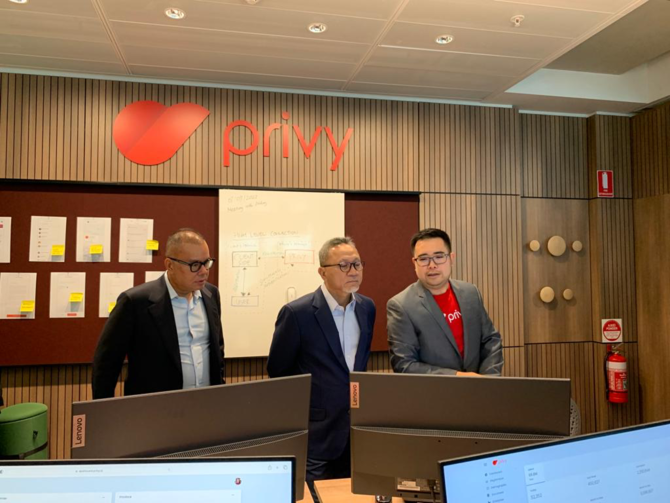
Indonesia’s Minister of Trade, Zulkifli Hasan, has expressed a strong aspiration for the nation to be recognized globally as a leading exporter of high-technology services. This vision, he stated, is crucial for facilitating and streamlining future business and trade activities. The Minister’s remarks were made during the official inauguration of PrivyID’s first overseas branch office in Sydney, Australia, on Monday, July 3, 2023. The event marked a significant milestone in Indonesia’s digital export strategy and underscored the growing potential of its tech sector on the international stage.

The launch ceremony in Sydney was attended by a distinguished delegation of Indonesian officials, signifying the government’s high regard for this strategic expansion. Among the key attendees were His Excellency Siswo Pramono, the Indonesian Ambassador to Australia, and Kuncoro Giri Waseso, the Indonesian Consul General in Melbourne. Also present were Vedi Kurnia Buana, the Indonesian Consul General in Sydney, Djatmiko Bris Witjaksono, Director General of International Trade Negotiation, and Marshall Pribadi, Chief Executive Officer of PrivyID. Their collective presence highlighted the collaborative effort and strong governmental backing behind PrivyID’s international venture.

PrivyID’s Strategic Expansion: A Beacon for Indonesian Tech Exports

Minister Zulkifli Hasan articulated his optimism, stating, "Through PrivyID, Indonesia can be known not only as an exporter of commodities but also as an exporter of high-technology services. The inauguration of PrivyID’s first overseas office today is a success story of Indonesian service exports to Australia." This statement positions PrivyID’s presence in Sydney as a tangible demonstration of Indonesia’s capability to compete in the global digital economy.

The Ministry of Trade has been a consistent supporter of PrivyID’s growth and internationalization efforts. This support is partly channeled through the Indonesia-Australia Comprehensive Economic Partnership Agreement (IA CEPA), specifically via the Katalis program. Katalis is an innovative trade and investment development initiative backed by the government, designed to unlock the substantial potential of economic partnerships between Indonesia and Australia. This program has played a pivotal role in fostering cross-border collaboration and facilitating the market entry of Indonesian companies like PrivyID. The IA CEPA, which came into effect in July 2020, aims to deepen economic ties between the two nations, covering areas such as trade in goods and services, investment, and economic cooperation.

Mendag Zulkifli Hasan Resmikan Kantor PrivyID Pertama di Luar Negeri | merdeka.com

PrivyID: A Digital Powerhouse with Global Ambitions

PrivyID has emerged as one of Indonesia’s most advanced digital companies, boasting an impressive user base of 30 million individuals. Minister Zulkifli Hasan specifically highlighted Sydney as the ideal location for PrivyID’s inaugural international branch. "Sydney possesses Australia’s largest economy and is a hub closely integrated with the global economy. This fact presents a significant opportunity for PrivyID to continue growing and going global," the Minister added. Sydney’s status as a major financial and commercial center, with strong connectivity to international markets, provides PrivyID with a strategic platform to expand its reach and influence.

The company’s rapid growth and substantial user numbers are particularly noteworthy. With 30 million users, PrivyID’s subscriber base surpasses the entire population of Australia, which stands at approximately 26 million. This demographic advantage underscores the company’s strong domestic foundation and its potential to scale effectively in new international markets.

Beyond Digital Signatures: A Symbol of Indonesian Innovation

Minister Zulkifli Hasan emphasized that PrivyID’s significance extends beyond its role as a digital signature service provider. He described the company as a symbol of the entrepreneurial spirit and innovation of Indonesian youth. The sheer volume of PrivyID’s user base is a testament to the successful adoption of digital identity and signature solutions within Indonesia, reflecting a growing digital maturity across various sectors of the Indonesian economy.

During the event, Minister Zulkifli Hasan had the opportunity to witness a demonstration of digital signings for several Memoranda of Understanding (MoUs) facilitated by PrivyID. These agreements involved companies such as Sony Trading, PT Rusky Aero, Ozimex International, Eastern Cross Trading, PT Pulau Sambu, Oishi International Trading, Inastra, Aexi, and Impor United. The products and services involved in these initial cross-border transactions included air cargo services, dried fruit products, coconut derivatives, and packaged snacks. This showcase illustrated the practical application of PrivyID’s technology in facilitating international trade and business transactions, further solidifying its role as a key enabler of Indonesian exports.

Ministry of Trade’s Support: A Catalyst for Growth

Marshall Pribadi, CEO of PrivyID, expressed his deep appreciation for the Ministry of Trade’s unwavering support. "We are very pleased and proud of the Ministry of Trade’s support for the work of the nation’s children. We hope this endeavor can grow even further in the future," he stated. This acknowledgment highlights the symbiotic relationship between government initiatives and private sector innovation in driving national economic growth. The Ministry’s proactive approach in supporting Indonesian tech companies like PrivyID in their internationalization efforts is crucial for diversifying Indonesia’s export portfolio and enhancing its global competitiveness.

Mendag Zulkifli Hasan Resmikan Kantor PrivyID Pertama di Luar Negeri | merdeka.com

PrivyID’s journey began with a focus on providing trusted digital identity and legally binding digital signature services, utilizing digital certificates. The company achieved a significant milestone by becoming the first digital certificate provider to receive recognition from the Indonesian Ministry of Communication and Informatics. This accreditation is a critical factor in establishing trust and credibility for its services, both domestically and internationally.

The Broader Implications of High-Tech Service Exports

The Indonesian government’s strategic focus on promoting high-technology services exports, as exemplified by PrivyID’s expansion, signals a broader economic shift. For decades, Indonesia’s export earnings have been largely dominated by natural resources and commodities. While these sectors remain important, there is a recognized need to move up the value chain and leverage the nation’s growing pool of skilled talent in technology and digital services.

The success of PrivyID in Australia could pave the way for other Indonesian tech companies to explore similar international ventures. The digital economy is characterized by its borderless nature, and companies that can offer innovative, reliable, and cost-effective digital solutions have a significant opportunity to capture global market share. The expansion into Australia, a developed market with high digital adoption rates, serves as a strong validation of PrivyID’s capabilities and a valuable learning ground for future global expansion.

Supporting Data and Context

The global market for digital identity solutions and electronic signatures is experiencing robust growth. Reports from various market research firms indicate a compound annual growth rate (CAGR) in the double digits for these sectors. For instance, a recent analysis by Grand View Research projected the global digital signature market size to reach USD 16.76 billion by 2030, growing at a CAGR of 28.1% from 2023 to 2030. This burgeoning market presents a significant opportunity for companies like PrivyID to scale their operations and revenue.

Indonesia’s own digital economy is also expanding rapidly. The country has one of the largest internet user bases in the world, with a young and digitally-savvy population. This domestic market provides a strong foundation for tech companies to develop and refine their products and services before venturing abroad. The government’s investment in digital infrastructure and initiatives to promote digital literacy further contribute to this favorable ecosystem.

Mendag Zulkifli Hasan Resmikan Kantor PrivyID Pertama di Luar Negeri | merdeka.com

The IA CEPA program, under which PrivyID receives support, is designed to eliminate trade barriers and foster greater economic integration between Indonesia and Australia. By facilitating market access and promoting mutual recognition of standards, such agreements are crucial for enabling service exports. The success of PrivyID’s Sydney office opening can be seen as a direct outcome of such forward-thinking trade policies.

Future Outlook and Potential Impact

The establishment of PrivyID’s international office in Sydney is more than just a corporate expansion; it represents a strategic move by Indonesia to assert its presence in the global digital services landscape. If successful, this venture could:

  • Enhance Indonesia’s Global Brand: Position Indonesia as a source of cutting-edge technology and innovative digital solutions, moving beyond its traditional commodity-export image.
  • Boost Export Revenue: Diversify Indonesia’s export earnings, making the economy more resilient to fluctuations in commodity prices.
  • Attract Foreign Investment: Demonstrate the potential of Indonesian tech companies, potentially attracting foreign direct investment into the sector.
  • Foster Knowledge Transfer: Facilitate the exchange of expertise and best practices between Indonesian and Australian tech professionals, leading to further innovation.
  • Create High-Skilled Jobs: Generate employment opportunities for skilled Indonesian workers in the technology sector.

The timeline of PrivyID’s development, from its inception to becoming a leading digital company in Indonesia and now expanding internationally, reflects a carefully executed growth strategy. The company’s ability to secure a significant user base domestically and to gain the trust of international partners will be critical to its long-term success in Australia and potentially other global markets. The ongoing support from the Indonesian Ministry of Trade, coupled with PrivyID’s commitment to innovation, suggests a promising future for Indonesia’s high-technology service export ambitions.

The inauguration event concluded with a clear message of optimism and a reinforced commitment from both the government and the private sector to elevate Indonesia’s standing in the global digital economy. The success of PrivyID in Australia will be closely watched as a potential blueprint for other Indonesian tech companies aiming to replicate this achievement on the international stage. The ongoing evolution of digital technologies and the increasing demand for secure and efficient digital services worldwide create a fertile ground for Indonesian innovation to flourish globally.

January 12, 2026 0 comment
0 FacebookTwitterPinterestEmail
Technology

US Army Unveils Proprietary AI Chatbot to Enhance Battlefield Decision-Making

by Siti Muinah January 11, 2026
written by Siti Muinah

The United States Army is reportedly developing its own proprietary artificial intelligence (AI) chatbot system, designed to augment the decision-making capabilities of soldiers during complex military operations. This initiative, operating under the Army’s Rapid Intelligence and AI Implementation Project (ARIA), aims to create a digital assistant capable of processing sensitive information and delivering critical mission data in real-time, particularly in high-risk operational environments where network connectivity may be compromised or entirely absent. This development signifies a significant step in the Army’s ongoing modernization efforts, seeking to leverage advanced AI to maintain a technological edge in an increasingly intricate global security landscape.

The core objective of this AI chatbot is to serve as an intelligent assistant for ground forces, providing them with synthesized information and actionable insights that can significantly reduce cognitive load. Unlike commercially available large language models (LLMs) that often rely on extensive cloud-based infrastructure and constant internet access, this military-grade AI is being engineered to function autonomously or with intermittent connectivity. This resilience is paramount for battlefield applications, where communication lines can be disrupted by enemy action or the sheer remoteness of the operational area. The system is intended to support a range of critical functions, from real-time situation analysis and mission planning to the simulation of operational scenarios and the optimization of logistical support.

Background and Strategic Imperative

The push for AI integration within military structures is not a new phenomenon, but the current pace and ambition reflect a broader strategic shift. Global military powers are increasingly investing in AI to enhance their operational effectiveness, encompassing areas such as intelligence, surveillance, and reconnaissance (ISR), autonomous systems, cyber warfare, and command and control. The US Army’s ARIA project is a direct response to this evolving threat environment. The ability to process vast amounts of data rapidly, identify patterns, and present concise, relevant information to commanders and individual soldiers under pressure is seen as a decisive advantage.

Historically, military decision-making has relied heavily on human analysis of fragmented intelligence reports, maps, and communication intercepts. While human expertise remains indispensable, the sheer volume and velocity of information in modern conflicts can overwhelm even the most experienced personnel. AI, in this context, is not envisioned as a replacement for human judgment but as a powerful force multiplier. By automating the laborious tasks of data collation and initial analysis, AI can free up human operators to focus on higher-level strategic thinking, tactical execution, and ethical considerations.

Project ARIA: A Timeline of Development

While specific dates for the ARIA project’s inception are not publicly detailed, its emergence aligns with a broader trend in military AI development that has gained significant momentum over the past decade. The US Department of Defense has consistently articulated its commitment to AI as a critical technology for future warfare. Early research and development efforts focused on specific applications, such as predictive maintenance for vehicles and aircraft, or automated target recognition.

The ARIA project, as described, represents a more sophisticated application, moving towards generative AI capabilities within a controlled and secure military environment. The development is likely to have followed a phased approach:

  • Initial Concept and Research: Understanding the feasibility of an AI chatbot that could operate in restricted network environments and process classified data. This phase would have involved extensive research into AI architectures, security protocols, and data handling.
  • Prototype Development: Building early versions of the AI chatbot, focusing on core functionalities like information synthesis and real-time data retrieval. This would have involved extensive coding, model training, and initial testing with simulated data.
  • Testing and Evaluation: Conducting rigorous testing in simulated and controlled environments to assess the AI’s accuracy, speed, security, and usability. This phase is crucial for identifying and rectifying any shortcomings. The article mentions that "several phases of testing have reportedly been conducted," indicating that the project is well into its development cycle and moving towards potential deployment.
  • Refinement and Iteration: Based on test results, the AI model would undergo further refinement, with adjustments to algorithms, data sets, and user interface. This is an ongoing process in AI development.
  • Potential Deployment Consideration: Following successful testing and validation, the Army would then consider the practicalities of wider deployment, including integration into existing command and control systems, training requirements for personnel, and ethical oversight mechanisms.

The mention of "several phases of testing" suggests that the project has progressed beyond the initial conceptual stages and is actively being vetted for operational readiness. This implies a significant investment of resources and expertise.

Key Features and Capabilities

The proprietary AI chatbot under ARIA is designed with several critical capabilities tailored for military operations:

  • Secure Data Processing: A fundamental requirement is the ability to process classified and sensitive battlefield information without compromising national security. This necessitates robust encryption, secure data pipelines, and potentially on-premise or air-gapped processing capabilities, rather than relying on public cloud infrastructure.
  • Real-time Information Synthesis: The system is intended to ingest data from various sources – sensor feeds, intelligence reports, satellite imagery, communications intercepts – and synthesize it into a coherent and actionable format. This could involve identifying enemy movements, assessing terrain suitability, or predicting potential threats.
  • Offline/Limited Connectivity Operation: Unlike consumer-grade chatbots, this military AI must be resilient to network disruptions. This likely means employing advanced on-device processing or distributed network architectures that can function effectively even when disconnected from broader networks.
  • Reduced Cognitive Load: By presenting information in a concise, digestible manner and offering potential courses of action, the AI aims to reduce the mental burden on soldiers and commanders, allowing them to make faster, more informed decisions.
  • Scenario Simulation: The ability to simulate operational scenarios can be invaluable for training and planning. The AI could help war-game potential outcomes of different tactical approaches, identify vulnerabilities, and optimize resource allocation.
  • Logistics Management: Efficient logistics are the backbone of any military operation. The AI could assist in tracking supplies, predicting needs, and optimizing delivery routes, especially in challenging terrains or under duress.

Ethical Considerations and Human Oversight

A crucial aspect emphasized by the military is the stringent ethical framework guiding the development and deployment of this AI system. The statement that "development of the AI system is conducted under strict control to ensure compliance with the ethics of war and international security protocols" is a critical reassurance. Furthermore, the assertion that "the final decision remains in the hands of humans" underscores the principle of human-in-the-loop control.

This approach is consistent with established military doctrines and international humanitarian law, which mandate that human judgment and accountability are always paramount in decisions involving the use of force. AI is intended to be a tool that enhances human decision-making, not to automate it entirely, especially in matters of life and death.

The ethical considerations surrounding military AI are multifaceted, including:

  • Accountability: Establishing clear lines of responsibility when AI is involved in operational decisions.
  • Bias: Ensuring that the AI models are not trained on biased data that could lead to discriminatory outcomes.
  • Transparency: Understanding how the AI arrives at its recommendations, even if it’s a "black box" in some instances, for validation and debugging.
  • Escalation: Preventing AI from inadvertently escalating conflicts due to misinterpretation or algorithmic errors.

The US Army’s emphasis on these aspects suggests a proactive approach to mitigating potential risks associated with AI in warfare.

Broader Implications and Future Outlook

The development of a proprietary AI chatbot by the US Army has several significant implications:

  • Technological Advancement: It signals a commitment to staying at the forefront of AI technology and developing specialized capabilities that cannot be met by commercial off-the-shelf solutions. This could spur further innovation within the defense sector.
  • Operational Effectiveness: If successful, this AI could significantly enhance the speed and accuracy of decision-making on the battlefield, potentially leading to improved mission outcomes and reduced casualties.
  • Geopolitical Competition: As other major powers are also investing heavily in military AI, this development contributes to the ongoing technological arms race. The US Army’s efforts aim to maintain its qualitative and quantitative superiority.
  • Doctrine Evolution: The integration of advanced AI tools will likely necessitate adjustments in military doctrine and training to effectively leverage these new capabilities.

The journey from development to widespread operational deployment is often long and complex, involving not only technological readiness but also the development of robust training programs, maintenance protocols, and clear command structures. The fact that "several phases of testing have reportedly been conducted" suggests that the Army is moving deliberately, focusing on ensuring the system is reliable, secure, and effective before committing to broader adoption.

The future of warfare is undeniably intertwined with artificial intelligence. Initiatives like Project ARIA represent the early stages of this transformation, where AI is not just a supplementary tool but an integrated component of military strategy and execution. The US Army’s investment in a bespoke AI chatbot underscores its recognition of the evolving nature of conflict and its determination to equip its forces with the most advanced technological capabilities available. The success of this project could set a precedent for future AI development within the military, influencing how soldiers operate and make critical decisions in the complex and unpredictable environments of the 21st century. The ongoing evolution of AI in military applications necessitates continuous dialogue about its capabilities, limitations, and, most importantly, its responsible and ethical deployment.

January 11, 2026 0 comment
0 FacebookTwitterPinterestEmail
Technology

Revolutionizing Early Numeracy: Gaming Apps Transform Math Education for Young Learners

by Nila Kartika Wati January 10, 2026
written by Nila Kartika Wati

For many children, mathematics is often perceived as a daunting and tedious subject. The abstract nature of numbers, the complexity of formulas, and the challenge of problem-solving can quickly extinguish their enthusiasm for learning. However, developing strong numerical skills is crucial from an early age, forming the bedrock for future academic and practical success. Fortunately, the rapid advancement of technology has ushered in a new era of mathematics education, offering engaging and enjoyable learning experiences through a variety of smartphone gaming applications. This technological shift liberates children from the confines of traditional practice books, introducing interactive gameplay and captivating visuals that transform mathematics into a relaxed and exciting pursuit. Children are increasingly motivated to tackle mathematical problems without the conscious feeling of "studying," fostering a more positive and enduring relationship with the subject. This article explores several recommended mathematics game applications that can significantly bolster a child’s computational abilities.

The integration of educational games into early childhood learning is not a new concept, but the sophistication and accessibility offered by modern mobile applications represent a significant leap forward. Historically, parents and educators have sought creative methods to make abstract concepts like numbers and operations more tangible and appealing. Early attempts often involved physical manipulatives, board games, and interactive storytelling. However, the digital age has amplified these efforts, providing dynamic platforms that adapt to individual learning paces and offer immediate feedback, crucial elements for effective skill development. The global market for educational technology, particularly in the K-12 sector, has witnessed exponential growth. Reports from market research firms consistently highlight a strong demand for digital learning tools that enhance engagement and improve learning outcomes. For instance, a recent analysis projected the global educational games market to reach tens of billions of dollars in the coming years, underscoring the widespread adoption and perceived value of such tools. This surge is driven by parents’ increasing awareness of the importance of early numeracy and a desire for supplementary learning resources that align with their children’s digital fluency.

Gamified Learning: A Paradigm Shift in Math Education

The traditional classroom setting, while foundational, can sometimes struggle to cater to the diverse learning styles and attention spans of young children. Mathematics, with its inherent logic and sequential nature, can be particularly challenging to present in a universally engaging manner. This is where educational gaming applications come into play, offering a compelling alternative by embedding mathematical concepts within interactive narratives and challenging puzzles. These applications leverage principles of game design, such as reward systems, progression, and immediate feedback, to keep children motivated and invested in their learning journey.

The psychology behind gamified learning is rooted in intrinsic motivation. When learning is presented as a challenge with clear goals and achievable rewards, it taps into a child’s natural desire for mastery and accomplishment. The visual appeal and interactive elements of these games also contribute to sustained engagement, reducing the likelihood of boredom or frustration that can often accompany rote memorization or repetitive drills. By transforming abstract mathematical principles into concrete challenges within a game world, children can develop a deeper understanding and a more intuitive grasp of the subject matter. This approach not only enhances computational skills but also fosters critical thinking, problem-solving abilities, and logical reasoning.

Top Gaming Applications for Enhancing Mathematical Skills

1. King of Maths: Building Foundational Numeracy Through Adventure

"King of Maths" stands out as a popular choice for cultivating foundational mathematical skills in children. This application frames various mathematical concepts, including basic algebra, geometry, and division, within an engaging adventure narrative. Children are invited to select a character and embark on challenges that involve solving numerical problems to progress. A key feature of "King of Maths" is its emphasis on finding missing numbers, a mechanic that not only sharpens computational accuracy but also significantly enhances a child’s logical reasoning and meticulousness. The game is designed to be accessible to elementary school students and is typically available for free on multiple platforms, making it a widely accessible resource. The game’s structure, which often involves navigating different levels or worlds, mirrors the progression seen in many popular video games, thereby tapping into a child’s familiarity with interactive entertainment. This familiar interface reduces the learning curve, allowing children to focus on the mathematical content.

The educational philosophy behind "King of Maths" aligns with constructivist learning theories, where children actively build their understanding through exploration and problem-solving. By presenting mathematical tasks within a context that requires strategic thinking and pattern recognition, the game encourages children to internalize mathematical principles rather than simply memorizing them. For instance, a geometry challenge might require a child to identify shapes and their properties to unlock a path, or an algebra problem could involve balancing equations to defeat a digital adversary. This contextualization makes the learning process more meaningful and memorable.

2. Math Tango: A Whimsical Journey into Arithmetic

"Math Tango" transports children to a vibrant and magical island filled with colorful landscapes and intriguing quests. Guided by the character Uncle Fibonacci, children embark on missions that require them to solve mathematical problems to earn gems. These collected gems can then be used to unlock new characters and game elements, adding a layer of personalization and progression. Through dozens of interactive math lessons, "Math Tango" allows children to practice arithmetic skills while simultaneously building their own fantasy world. This dual approach of learning and creation fosters a sense of ownership and investment in the game.

The choice of Uncle Fibonacci as a guide is particularly noteworthy, referencing Leonardo of Pisa, better known as Fibonacci, a renowned mathematician whose sequence has profound implications in nature and mathematics. This subtle nod to mathematical history can spark curiosity about the origins and applications of mathematical concepts. The game’s design often incorporates elements of exploration and discovery, encouraging children to actively seek out challenges and rewards. This aligns with the principles of discovery learning, where learners are empowered to find solutions through their own investigations. The visual design, characterized by bright colors and imaginative settings, is crucial in capturing and retaining the attention of young learners, making the abstract world of numbers feel more approachable and exciting.

3. Math Puzzle Games: Sharpening Logic and Analytical Skills

"Math Puzzle Games" are specifically engineered to hone children’s logical thinking and analytical abilities. These applications present a series of challenging mathematical riddles that require focused problem-solving. The learning process is structured around puzzle-solving mechanics, which inherently promotes interactivity and prevents monotony. This approach encourages children to think critically and strategically, breaking down complex problems into smaller, manageable steps.

Parents can leverage these games as a consistent learning activity, reinforcing concentration and improving their child’s computational prowess. The iterative nature of puzzle-solving means that children are continually exposed to new challenges, building resilience and adaptability in their problem-solving strategies. Furthermore, many of these puzzle games are designed with adaptive difficulty settings, ensuring that children are consistently challenged without being overwhelmed. This personalized learning path is a hallmark of effective digital educational tools, ensuring that each child progresses at their optimal pace. The emphasis on logic and analysis extends beyond mere arithmetic, equipping children with transferable skills applicable to various academic disciplines and real-world scenarios.

4. Math Duel: Fostering Speed and Mental Agility

For children who thrive on competition and challenges, "Math Duel" offers an exciting gaming experience. This application is designed to enhance quick thinking by tasking children with combining number cards and mathematical operations to form correct equations. The competitive nature of the game motivates children to improve their mental calculation skills without succumbing to boredom. This element of direct competition, whether against an AI opponent or another player, introduces an element of urgency and excitement that can significantly boost performance.

The core mechanic of "Math Duel"—rapidly forming equations—directly targets the development of fluency in arithmetic operations. This fluency is essential for tackling more complex mathematical concepts later on. By engaging in timed challenges, children learn to perform calculations quickly and accurately, a skill that is invaluable in both academic and practical settings. The game’s design often incorporates leaderboards and scoring systems, further fueling the competitive spirit and encouraging children to strive for continuous improvement. This focus on speed and accuracy is a departure from purely conceptual learning, offering a more direct approach to skill mastery.

5. Prodigy Math Game: An Immersive RPG Adventure

"Prodigy Math Game" is widely recognized as one of the most popular mathematics applications available. It adopts a role-playing game (RPG) format, seamlessly integrating curriculum content for grades 1 through 8 into a captivating fantasy adventure. The game’s adaptive system adjusts the difficulty level based on the child’s individual abilities, ensuring that the learning experience is always appropriately challenging. A significant advantage for parents is the integrated progress-tracking feature, which allows them to monitor their child’s academic development and identify areas where further support might be needed.

The RPG format is particularly effective because it taps into children’s natural inclination for exploration, character development, and narrative engagement. In "Prodigy," mathematical problems are presented as the means to overcome obstacles, defeat monsters, and progress through the game’s story. This contextualization makes learning feel like a natural part of the adventure, rather than an imposed task. The adaptive learning engine is a crucial component, ensuring that children are neither bored by overly simple problems nor discouraged by those that are too difficult. This personalized approach maximizes learning efficiency. The reporting features provide valuable insights for parents, transforming the game from a purely recreational activity into a valuable educational tool that supports structured learning.

6. Monster Math: Engaging Challenges for Young Learners

"Monster Math" boasts an impressive library of over 67 mathematical skill materials, ranging from basic arithmetic operations to more advanced concepts like decimals. Specifically designed for children aged 6 to 10 years old, the game presents exciting missions such as defeating monsters and rescuing friends. The game’s narrative structure is built around these engaging objectives, making the practice of mathematical skills feel like a heroic endeavor.

Similar to other applications, "Monster Math" provides weekly progress reports, which are invaluable for parents in monitoring their child’s mathematical development. The game’s visual design is often cartoonish and vibrant, appealing to the target age group. The challenges are presented in a way that requires children to apply their knowledge of numbers and operations to achieve specific goals within the game world. This active application of learned skills is a powerful way to solidify understanding and build confidence. The progression through different levels and the introduction of new types of monsters and challenges ensure that the game remains engaging over time, encouraging sustained practice.

7. Todo Math: Inclusive and Accessible Learning

"Todo Math" is celebrated for its inclusive and child-friendly design, catering to children aged 3 to 8 years old. The application is meticulously crafted to meet diverse learning needs, incorporating features such as dyslexia-friendly fonts and a left-hand mode. Its multisensory approach, which combines visual, auditory, and tactile elements, makes the introduction of mathematical concepts a delightful and intuitive experience for young children.

The focus on accessibility in "Todo Math" is particularly important in ensuring that all children, regardless of their specific learning challenges or preferences, can benefit from digital educational tools. The use of visual aids, engaging sound effects, and interactive touch controls creates a rich and immersive learning environment. For very young children, the introduction to numbers and basic counting can be overwhelming. "Todo Math" simplifies these concepts through playful interactions, such as counting animated objects or matching numerical symbols. The multisensory approach helps to reinforce learning by engaging multiple parts of the brain, leading to better retention and understanding.

The Role of Parental Guidance in Digital Learning

While these gaming applications offer a revolutionary approach to mathematics education, the indispensable role of parents in a child’s learning journey cannot be overstated. Active parental involvement, including playing alongside their children, discussing the concepts encountered in the games, and setting appropriate screen time limits, is crucial. This guidance ensures that the learning experience remains balanced and that children develop healthy digital habits.

Parents can act as facilitators, helping their children to connect the abstract concepts learned in games to real-world applications. For example, if a child is learning about multiplication through a game, a parent can reinforce this by discussing how multiplication is used in everyday situations, such as calculating the number of items needed for a recipe or determining the total cost of multiple identical items. This bridging of the gap between digital play and tangible reality is essential for developing a comprehensive understanding of mathematical principles. Furthermore, parental oversight can help identify any potential issues, such as a child struggling with a particular concept, allowing for timely intervention and additional support.

The integration of these gaming applications into a child’s educational routine, when coupled with appropriate parental guidance, can effectively cultivate a genuine love for mathematics from an early age. This proactive approach to early numeracy development can have profound and lasting positive impacts on a child’s academic trajectory and their overall confidence in their cognitive abilities. The ability to approach challenges with a sense of curiosity and a belief in their problem-solving capacity is a valuable life skill fostered through such engaging and supportive learning environments.

Future Implications and Broader Impact

The success of these innovative gaming applications signifies a broader trend in education: the increasing reliance on technology to personalize and enhance learning. As artificial intelligence and adaptive learning technologies continue to mature, we can expect even more sophisticated and effective educational games to emerge. These future applications may offer even more tailored learning paths, real-time feedback that adapts instantly to a child’s needs, and immersive experiences that further blur the lines between play and learning.

The implications of this shift are far-reaching. It suggests a future where education is not confined to traditional classrooms but is accessible anytime, anywhere, and tailored to the unique needs of each learner. This democratization of education has the potential to bridge learning gaps and empower a new generation of critical thinkers and problem-solvers. The early success of math gaming apps is a testament to the power of technology when thoughtfully applied to educational challenges, promising a more engaging, effective, and enjoyable learning experience for children worldwide. The data consistently shows that early exposure to engaging STEM content can lead to increased interest and proficiency in these fields throughout a student’s academic career. Therefore, tools like these math games are not just about improving current grades but about shaping future academic and career pathways.

January 10, 2026 0 comment
0 FacebookTwitterPinterestEmail
Business & Economy

PT Bank Tabungan Negara (Persero) Tbk (BBTN) Records Robust 22.6% Net Profit Growth in Q1 2026, Driven by Government Housing Initiatives

by Nana Wu January 8, 2026
written by Nana Wu

PT Bank Tabungan Negara (Persero) Tbk (BBTN) has announced a significant surge in its net profit, reaching IDR 1.1 trillion in the first quarter of 2026, marking a substantial 22.6% increase year-on-year (YoY). This impressive financial performance, disclosed during a press conference at Menara BTN in Jakarta on Wednesday, April 15, 2026, was primarily attributed by BTN President Director Nixon LP Napitupulu to the Indonesian Government’s unwavering commitment to its populace, particularly the lower-to-middle-income segments, through its national housing programs. Napitupulu underscored the profound impact of these initiatives, stating that if each of the 6 million houses financed translates to a household of four individuals, approximately 24 million people would ultimately gain access to decent housing. He expressed profound gratitude for the government’s prioritization of the housing sector as a national, pro-people agenda, recognizing it as a crucial foundation for enhancing the quality of life across the archipelago.

Deep Dive into BTN’s Stellar Q1 2026 Financial Performance

BTN’s financial statements for Q1 2026 reveal a comprehensive strengthening across multiple key indicators, signaling healthy and sustainable growth trajectories. Beyond the headline net profit figure, the state-owned lender demonstrated robust expansion in its core business activities, reflecting both strategic execution and favorable market conditions, largely underpinned by the supportive government policies.

The bank’s total credit disbursement reached IDR 400.63 trillion by the end of Q1 2026, an impressive 10.3% increase from IDR 363.11 trillion recorded in the same period of the previous year. This expansion in lending portfolio highlights BTN’s continued dominance and strategic focus within the housing finance segment. A granular look at the credit portfolio reveals nuanced growth patterns:

  • Subsidized Mortgages (KPR Subsidi): This segment, central to BTN’s social mandate and government collaboration, saw a 7.7% YoY increase, with disbursements totaling IDR 193.55 trillion in Q1 2026, up from IDR 179.70 trillion a year prior. This growth underscores the consistent demand for affordable housing and the effectiveness of government programs like the Housing Financing Liquidity Facility (FLPP) in facilitating homeownership for eligible citizens. BTN, as the primary executor of these programs, continues to play an indispensable role in bridging the housing gap for millions.
  • Non-Subsidized Mortgages (KPR Non-Subsidies): Reflecting broader market confidence and an expanding middle class, the non-subsidized mortgage portfolio grew by 5.4% YoY, reaching IDR 112.56 trillion in Q1 2026, compared to IDR 106.81 trillion in Q1 2025. This segment’s growth indicates BTN’s ability to cater to diverse income brackets and maintain competitiveness in the conventional mortgage market, complementing its social housing initiatives.

Optimized Funding Structure and Asset Expansion

BTN’s impressive credit growth was paralleled by a healthy accumulation of Third-Party Funds (DPK), which saw a 9.9% YoY increase to IDR 422.63 trillion in Q1 2026, up from IDR 384.70 trillion in the corresponding period of 2025. This robust growth in DPK is critical for maintaining liquidity and funding future lending activities.

Furthermore, the bank’s Current Account and Savings Account (CASA) ratio continued its upward trajectory, benefiting from ongoing retail transformation initiatives and the success of its digital platform, "Bale by BTN." CASA balances grew by 7.9% YoY, reaching IDR 212.11 trillion in Q1 2026, now comprising a significant 50.2% of the total DPK. A higher CASA ratio is a strong indicator of funding efficiency, as these funds typically come with lower interest costs. This improvement directly contributed to a notable reduction in BTN’s Cost of Fund (CoF), which declined from 4.0% in Q1 2025 to a more favorable 3.0% in Q1 2026. The optimization of funding costs, coupled with robust loan growth, is a key driver of enhanced profitability.

The combined strength of its credit expansion and efficient DPK mobilization led to a substantial increase in BTN’s total assets, which grew by 10.5% YoY, reaching IDR 517.54 trillion in Q1 2026, up from IDR 468.53 trillion in the same period last year. This asset growth solidifies BTN’s position as a major player in the Indonesian banking landscape and underscores its expanding operational scale.

The Government’s Housing Mandate and BTN’s Pivotal Role

Indonesia has long grappled with a significant housing backlog, estimated to be in the millions of units, particularly affecting lower- and middle-income segments. Recognizing housing as a fundamental human right and a critical component of national development, successive Indonesian governments have implemented various programs to address this challenge. BTN, as a state-owned enterprise with a specialized mandate in housing finance, has been at the forefront of these efforts since its inception.

Key government initiatives that BTN has actively supported include the "Program Sejuta Rumah" (One Million Houses Program), launched to accelerate housing provision across the country, and the aforementioned Housing Financing Liquidity Facility (FLPP), which provides subsidized interest rates for mortgages. These programs are not merely about constructing buildings; they are designed to create sustainable communities, improve public health, and foster economic stability for millions of families. BTN’s role extends beyond mere financing; it involves extensive collaboration with property developers, local governments, and various stakeholders to ensure the smooth execution and accessibility of these vital housing initiatives. The bank’s deep understanding of the housing ecosystem, coupled with its extensive branch network and digital capabilities, positions it as an irreplaceable partner in achieving the nation’s housing goals.

The Far-Reaching Economic Multiplier Effects of the Housing Sector

Nixon LP Napitupulu eloquently articulated the significant multiplier effects generated by the housing sector, extending far beyond the immediate beneficiaries of homeownership. He emphasized that investment in housing is a powerful catalyst for national economic growth, impacting numerous ancillary industries and creating widespread employment opportunities.

  • Job Creation and Local Content: The housing sector is inherently labor-intensive, generating vast employment opportunities from the ground up. This includes a wide array of skilled and unskilled labor, from land acquisition and planning to construction workers, architects, engineers, and real estate agents. Napitupulu highlighted that the national housing sector can open up employment opportunities for an estimated 12.5 million people across related sectors. Furthermore, he noted that every additional capital injection of IDR 1 trillion into this industry has the potential to engage approximately 8,000 more workers. This reliance on local workforce development not only reduces unemployment but also fosters skill development and economic empowerment at the community level.
  • Contribution to GDP and Tax Revenue: The construction of homes predominantly relies on local raw materials, with approximately 90% of building components sourced domestically. This robust demand for local materials stimulates various manufacturing and supply chain industries, including cement, steel, timber, ceramics, and furnishing. This localized demand contributes significantly to the Gross Domestic Product (GDP). Moreover, every house sold generates substantial tax revenue for the state, including property taxes, transfer taxes, and various permits and levies. These revenues can then be reinvested into public services and infrastructure development, creating a virtuous cycle of economic growth.
  • Broader Socio-Economic Impact: Beyond direct economic contributions, the housing sector fosters social stability and improves the overall quality of life. Secure housing provides a foundation for family well-being, better access to education and healthcare, and encourages local commerce. The development of new residential areas often necessitates accompanying infrastructure such as roads, utilities, schools, and commercial centers, further driving economic activity and urban development.

Digital Transformation and Innovation: The Success of "Bale by BTN"

In an era defined by rapid digital transformation, BTN has proactively embraced technology to enhance customer experience and operational efficiency. The bank’s digital platform, "Bale by BTN," stands as a testament to this commitment, playing a crucial role in its retail transformation strategy and contributing significantly to its Q1 2026 performance.

The platform witnessed an extraordinary surge in user adoption, with the number of "Bale by BTN" users skyrocketing by 67.5% YoY, reaching 4 million users in Q1 2026, up from 2.4 million users in Q1 2025. This significant increase in user base was accompanied by positive growth across key engagement metrics: the average savings balance grew by 18% YoY, the number of transactions increased by 8.1% YoY, and the total transaction value soared by an impressive 48.2% YoY during the same period.

Nixon attributed this substantial growth, in part, to strategic marketing and engagement initiatives, notably the BTN Jakarta International Marathon (JAKIM) 2026. Recognizing its identity as a consumer bank, BTN strategically leverages such large-scale events to integrate its digital banking services into the daily lifestyles of its customers, promoting ease of transaction for a wide array of activities, including sports and leisure. The success of "Bale by BTN" aligns with the broader trend of digital banking acceleration across Indonesia, where mobile applications and online platforms are increasingly becoming the preferred channels for financial transactions. For 2026, BTN has set an ambitious target of reaching 5 million "Bale by BTN" users, signaling its continued focus on digital innovation as a core growth driver.

Analyst Perspectives and Industry Reactions

Market analysts have largely viewed BTN’s Q1 2026 performance as a strong indicator of its resilience and strategic alignment with national priorities. Experts from various financial institutions commend BTN’s ability to maintain robust profitability and asset growth amidst dynamic economic conditions. They frequently highlight the stability provided by the bank’s deep integration with government housing programs, which offer a relatively steady stream of business even during periods of market volatility.

An analyst from a prominent Jakarta-based investment firm, who wished to remain anonymous, commented, "BTN’s consistent performance in subsidized housing finance provides a solid foundation, while its growing non-subsidized portfolio and aggressive digital push demonstrate its capacity for diversified growth. The improvement in CoF and CASA ratio are particularly positive, indicating strong management of funding costs and increasing customer loyalty."

Furthermore, industry associations such as Real Estate Indonesia (REI) would likely welcome BTN’s strong performance, recognizing the bank as a critical partner for property developers across the country. Reliable and accessible financing from BTN is essential for developers to launch and complete housing projects, particularly those targeting the affordable segment. A spokesperson for REI might state, "BTN’s continued strength in mortgage lending is vital for the health of the property sector. It ensures liquidity for developers and makes homeownership a reality for more Indonesians, directly contributing to the national economy."

The Financial Services Authority (OJK) would also likely view BTN’s results positively, as they contribute to the overall stability and soundness of the Indonesian banking sector. Strong performance from state-owned banks, especially those with a social mandate, reinforces confidence in the financial system and its ability to support national development goals.

Outlook and Future Strategy: Sustaining Momentum

Looking ahead, PT Bank Tabungan Negara (Persero) Tbk is poised to sustain its growth momentum, building on the strong foundation laid in Q1 2026. The bank’s strategy remains firmly rooted in its core mandate of housing finance, while simultaneously pursuing digital transformation and operational efficiencies.

BTN’s commitment to supporting government housing programs will continue to be a primary growth engine. This involves not only disbursing mortgages but also innovating financial products that cater to evolving needs and expanding the reach of affordable housing. Challenges, such as potential fluctuations in interest rates, inflationary pressures, and intensifying competition within the banking sector, will require BTN to maintain its agile and adaptive approach. However, the consistent demand for housing in Indonesia, coupled with favorable demographic trends and ongoing government support, presents significant opportunities for sustained expansion.

The bank’s strategic focus will also encompass further enhancement of its digital ecosystem, with "Bale by BTN" at its forefront. This involves continuous innovation in mobile banking features, strengthening cybersecurity, and expanding partnerships to offer a more comprehensive digital financial experience. By leveraging technology, BTN aims to improve customer acquisition, streamline operations, and deepen financial inclusion across diverse segments of the Indonesian population.

In conclusion, BTN’s stellar Q1 2026 performance is a powerful affirmation of its strategic vision and its pivotal role in Indonesia’s socio-economic development. Through a combination of robust financial management, unwavering commitment to the national housing agenda, and proactive digital innovation, BTN is not only achieving significant commercial success but also fundamentally transforming lives and contributing substantially to the nation’s prosperity. The bank’s journey reflects a compelling narrative of a state-owned enterprise effectively balancing its commercial objectives with its profound social mandate, setting a benchmark for sustainable and impactful growth in the Indonesian financial sector.

January 8, 2026 0 comment
0 FacebookTwitterPinterestEmail
Business & Economy

2.800 Pendonor Ikut Berbagi Kebaikan di Donor Darah Massal Bank Mandiri

by Basiran January 7, 2026
written by Basiran

In a resolute reaffirmation of its commitment to societal well-being and delivering tangible value to communities across Indonesia, Bank Mandiri is poised to launch an ambitious social initiative, "Mandiri Donor Darah" (Mandiri Blood Donation). This extensive program, meticulously aligned with the corporate philosophy of "Melayani Sepenuh Hati" (Serving with a Full Heart) and the theme "Berbagi Kebaikan untuk Sesama" (Sharing Goodness for Others), is strategically designed to significantly bolster the public health sector by enhancing the national blood supply. Scheduled to unfold from April 14 to 19, 2026, the initiative represents a pivotal collaboration with the Indonesian Red Cross (Palang Merah Indonesia – PMI), underscoring Bank Mandiri’s role as a vital strategic partner to the government in addressing critical healthcare needs.

The "Mandiri Donor Darah" program is set to be a nationwide endeavor, targeting an impressive participation of 2,800 donors across more than 10 cities and regencies, in addition to its central hub at Menara Mandiri in Jakarta. This broad geographical reach is testament to Bank Mandiri’s dedication to making a widespread positive impact, transcending its immediate corporate environment to touch diverse communities. The initial phase of the campaign, specifically at Menara Mandiri, Jakarta, has already garnered considerable enthusiasm, with a targeted participation of 700 donors. This robust initial response serves as a strong indicator of the potential for the entire program to exceed its objectives and make a substantial contribution to the national blood stock.

Strategic Collaboration with Palang Merah Indonesia (PMI)

The partnership with Palang Merah Indonesia (PMI) is a cornerstone of the "Mandiri Donor Darah" initiative. PMI, as the preeminent humanitarian organization in Indonesia responsible for blood collection, processing, and distribution, brings unparalleled expertise and infrastructure to this collaboration. This synergy ensures that the blood donation process adheres to the highest medical standards, from donor screening to blood storage and distribution. For Bank Mandiri, partnering with PMI lends significant credibility and operational efficiency to the program, allowing the bank to leverage PMI’s extensive network and experience in managing large-scale blood drives.

Mr. Adhika Vista, Corporate Secretary of Bank Mandiri, emphasized the strategic importance of this collaboration. "Our partnership with PMI is indispensable," he stated. "Their expertise in blood management ensures the safety and efficacy of our efforts, while their national presence allows us to extend our reach far beyond Jakarta. This collaboration is a perfect example of how corporate social responsibility can be effectively executed through strong alliances with specialized non-profit organizations, amplifying our collective impact on public health." This sentiment is likely echoed by PMI officials, who would view such corporate partnerships as crucial for maintaining adequate blood reserves, especially given the fluctuating demands and logistical challenges inherent in blood supply management across an archipelago like Indonesia.

Addressing Indonesia’s Critical Blood Supply Challenges

2.800 Pendonor Ikut Berbagi Kebaikan di Donor Darah Massal Bank Mandiri

Indonesia, like many developing nations, faces persistent challenges in maintaining a stable and sufficient national blood supply. The World Health Organization (WHO) recommends that a country should have blood donations equivalent to 1-2% of its population annually to meet basic healthcare needs. For a nation with over 270 million people, this translates to a requirement of approximately 2.7 to 5.4 million units of blood per year. While PMI and various stakeholders work tirelessly, shortfalls can occur, particularly during peak seasons, national holidays, or in response to localized emergencies and disease outbreaks.

Blood is a critical component in a wide array of medical treatments, from emergency transfusions for accident victims and surgical patients to ongoing support for individuals suffering from chronic conditions such as thalassemia, leukemia, and severe anemia. Dengue fever outbreaks, which are unfortunately common in tropical climates like Indonesia, also significantly increase the demand for platelet transfusions. A stable blood supply is not merely a matter of convenience; it is a fundamental pillar of a robust healthcare system, directly impacting patient outcomes and saving countless lives. Initiatives like "Mandiri Donor Darah" play a crucial role in bridging the gap between demand and supply, reinforcing the national blood stock and ensuring that medical facilities have the necessary resources to provide timely and effective care.

Bank Mandiri’s Enduring Commitment to Corporate Social Responsibility (CSR)

The "Mandiri Donor Darah" initiative is a vivid manifestation of Bank Mandiri’s deep-seated commitment to Corporate Social and Environmental Responsibility (TJSL). Mr. Adhika Vista further elaborated on the company’s philosophy, stating, "Bank Mandiri consistently executes TJSL activities that are closely aligned with the pillars of health and the enhancement of community quality of life. This initiative is an integral part of our sustainable strategy to create positive added value and epitomizes our role as a State-Owned Enterprise (BUMN) – an agent of development that is responsive to pressing humanitarian issues."

As a BUMN, Bank Mandiri operates with a dual mandate: to achieve commercial success and to contribute meaningfully to national development and public welfare. This places a unique responsibility on the bank to engage in impactful social programs that extend beyond mere philanthropy. The "Pilar Kesehatan" (Health Pillar) is one of several strategic areas within Bank Mandiri’s TJSL framework, alongside education, environmental sustainability, and economic empowerment. By focusing on health, the bank directly addresses a fundamental human need, fostering healthier communities that are better positioned for economic and social progress. This holistic approach to CSR ensures that Bank Mandiri’s contributions are not isolated acts but rather integrated components of a broader strategy aimed at fostering resilient and prosperous Indonesian society.

Logistics and Execution: A Nationwide Mobilization

2.800 Pendonor Ikut Berbagi Kebaikan di Donor Darah Massal Bank Mandiri

Executing a blood donation drive of this scale across multiple cities and regencies requires meticulous planning and coordination. The timeline from April 14 to 19, 2026, suggests a carefully phased approach, potentially involving dedicated days for specific regions or branches. The planning phase would have commenced months in advance, involving:

  1. Site Selection and Preparation: Identifying suitable locations within Bank Mandiri branches, corporate offices, and potentially public venues in collaboration with local PMI units. Ensuring these sites meet health and safety standards for blood collection.
  2. Volunteer Mobilization and Training: Engaging Bank Mandiri employees, known as "Mandirian," as volunteers. This would involve training them on donor registration, public outreach, logistical support, and creating a welcoming environment for donors.
  3. Public Awareness Campaigns: Launching targeted communication efforts through internal channels, social media, local media outlets, and community partnerships to inform and encourage participation from both employees and the general public.
  4. Equipment and Staffing Coordination: Working closely with PMI to ensure the availability of medical professionals, blood collection equipment, testing facilities, and transportation for collected blood units.
  5. Health and Safety Protocols: Implementing stringent health screening processes for donors, ensuring sterile equipment, and maintaining appropriate hygiene standards throughout the donation process, in line with national and international guidelines.

During the execution phase, Bank Mandiri’s extensive branch network provides an invaluable logistical advantage, transforming its offices into temporary donation centers. This decentralized approach maximizes accessibility for potential donors, significantly broadening the reach beyond just corporate employees. The involvement of "Mandirian" volunteers instills a sense of collective purpose and pride, reinforcing the bank’s internal culture of service and community engagement.

Community Engagement and Broader Societal Impact

A distinguishing feature of "Mandiri Donor Darah" is its inclusive nature, extending participation beyond Bank Mandiri employees to embrace the wider community in areas surrounding the bank’s operational centers. This strategic move is crucial for several reasons:

  • Amplified Impact: By inviting public participation, the initiative exponentially increases the potential donor pool, thereby maximizing the volume of blood collected and its impact on national reserves.
  • Community Goodwill: Such inclusive programs foster a sense of shared responsibility and collaboration between the corporate sector and the public, enhancing Bank Mandiri’s reputation as a socially conscious and community-oriented institution.
  • Awareness and Education: The event serves as a platform to raise public awareness about the ongoing need for blood donation, demystifying the process and encouraging more individuals to become regular, voluntary blood donors.
  • Civic Engagement: It provides a tangible opportunity for citizens to contribute directly to public health, fostering a stronger sense of civic duty and collective welfare.

The enthusiasm observed at Menara Mandiri, Jakarta, with its target of 700 donors, underscores the public’s willingness to participate in such impactful initiatives when provided with accessible and well-organized opportunities. This broader engagement is vital for cultivating a sustainable culture of blood donation within Indonesia, moving beyond ad-hoc drives to a more consistent supply chain.

Implications and Future Outlook

2.800 Pendonor Ikut Berbagi Kebaikan di Donor Darah Massal Bank Mandiri

The "Mandiri Donor Darah" program carries significant implications, both immediate and long-term:

  • Immediate Impact on National Blood Stock: The direct contribution of 2,800 units of blood will provide immediate relief to blood banks, potentially saving thousands of lives and supporting numerous medical procedures across the country.
  • Strengthening Public-Private Partnerships: The successful collaboration between Bank Mandiri and PMI sets a powerful precedent for other corporations to engage in similar initiatives, highlighting the efficacy of such partnerships in addressing national challenges.
  • Enhancing Corporate Culture and Employee Engagement: For Bank Mandiri, the program reinforces its values internally, fostering a sense of pride, purpose, and camaraderie among employees. It demonstrates to "Mandirian" that their work extends beyond financial services to direct societal contribution.
  • Reinforcing Brand Reputation: The initiative significantly enhances Bank Mandiri’s public image as a responsible and compassionate corporate citizen, strengthening its social license to operate and building deeper trust with its customer base and the broader public.
  • Catalyst for Sustained Giving: By raising awareness and facilitating donations, the program can inspire individuals who might not have previously considered donating blood to become regular donors, thereby contributing to a more stable future blood supply.

Looking ahead, the success of this multi-city drive could serve as a blueprint for future, even larger-scale, health-focused CSR initiatives by Bank Mandiri and other BUMNs. It exemplifies how large organizations, with their extensive resources and reach, can play a pivotal role in augmenting government efforts in critical sectors like public health. The commitment to "Melayani Sepenuh Hati" and "Berbagi Kebaikan untuk Sesama" is not merely a slogan but a tangible action that transforms corporate values into life-saving realities for countless Indonesians.

In conclusion, Bank Mandiri’s "Mandiri Donor Darah" program, scheduled for April 2026, is far more than a corporate event; it is a meticulously planned, strategically executed national humanitarian effort. Through its extensive reach, robust partnership with PMI, and deep-rooted commitment to social responsibility, Bank Mandiri is poised to make a profound and lasting contribution to Indonesia’s public health infrastructure, directly impacting the lives of thousands and setting a benchmark for corporate citizenship in the nation. This initiative underscores the powerful synergy between corporate enterprise and community welfare, proving that business success can and should go hand-in-hand with societal betterment.

January 7, 2026 0 comment
0 FacebookTwitterPinterestEmail
Business & Economy

WFH Every Friday: The ‘Pergi Jumat Kembali Ahad’ Phenomenon and its Broader Implications for Fuel Consumption and Urban Mobility

by Muslim January 5, 2026
written by Muslim

The Indonesian Transport Society (MTI) has issued a significant warning regarding the proposed policy of implementing Work From Home (WFH) for civil servants (ASN) and private sector employees every Friday, cautioning that it may not be the singular solution to reduce fuel consumption and could inadvertently create a new phenomenon dubbed ‘Pergi Jumat Kembali Ahad’ (PJKA), or ‘Depart Friday Return Sunday’. This sentiment, articulated by MTI Secretary General Aditya Dwi Laksana during a press conference in Jakarta on Wednesday, April 15, 2026, underscores a crucial debate on urban mobility, energy policy, and the nuanced behavioral responses to such initiatives.

The Genesis of the WFH Friday Proposal

The discussion around mandating WFH on Fridays for a segment of the workforce stems from a confluence of factors currently challenging Indonesia’s major urban centers, particularly Jakarta. Persistent traffic congestion, alarming levels of air pollution, and the considerable national expenditure on fuel subsidies have prompted the government to explore innovative solutions. With millions commuting daily into and within the capital, any measure that could alleviate these pressures is considered. The WFH Friday proposal was initially floated as a potential strategy to reduce the volume of daily commuters, thereby theoretically decreasing vehicle emissions, easing traffic bottlenecks, and ultimately lowering fuel consumption across the board. Proponents often highlight the success stories of WFH during the COVID-19 pandemic, which demonstrated a tangible, albeit temporary, reduction in urban traffic and an improvement in air quality. The government’s broader agenda includes fostering a more sustainable urban environment and optimizing resource allocation, making WFH an attractive policy lever.

MTI’s Stance and the ‘Pergi Jumat Kembali Ahad’ Hypothesis

Aditya Dwi Laksana of MTI meticulously outlined his organization’s reservations, emphasizing that while the intention behind the WFH Friday policy might be noble, its execution could lead to unintended consequences. "This WFH could result in a shift towards non-productive travel," Laksana stated. He elaborated that selecting Friday for WFH is particularly problematic because of its immediate proximity to the weekend. For many, Friday already marks the end of the work week, and the prospect of an extended long weekend, even if only by a few hours or a day, could incentivize travel away from urban centers.

The ‘Pergi Jumat Kembali Ahad’ (PJKA) phenomenon describes a scenario where employees, freed from their Friday commute, choose to travel to tourist destinations or their hometowns (pulang kampung) starting Friday afternoon, returning to the city on Sunday evening. Instead of reducing overall travel, this could merely redistribute it, potentially shifting traffic from daily urban commutes to intercity or inter-regional leisure travel. This shift could lead to increased congestion on arterial roads leading out of major cities on Friday afternoons and evenings, and similar congestion on Sunday evenings as people return. Furthermore, such leisure travel often involves longer distances than daily commutes, potentially negating or even surpassing any fuel savings achieved during the working week. MTI argues that without a comprehensive understanding of these behavioral shifts, the policy risks failing to meet its primary objective of reducing national fuel consumption.

The Broader Context of Fuel Consumption in Indonesia

Indonesia, as a rapidly developing nation with a vast archipelago, faces significant challenges in managing its energy consumption. The country remains heavily reliant on fossil fuels, particularly for its transportation sector. Data from the Ministry of Energy and Mineral Resources (ESDM) consistently shows that transportation accounts for a substantial portion of national fuel demand, with private vehicles being the primary consumers. For instance, in recent years, gasoline consumption for transportation has hovered around tens of millions of kiloliters annually, with diesel also contributing significantly. Government subsidies on fuel have historically placed a considerable burden on the state budget, prompting continuous efforts to manage demand and explore alternative energy sources or efficiency measures.

The government’s long-term energy goals include reducing dependence on fossil fuels, enhancing energy efficiency, and promoting renewable energy. Policies like WFH are often seen as part of a broader package aimed at achieving these targets, particularly in the short to medium term, by influencing demand-side management. However, MTI’s warning highlights the complexity of such interventions, suggesting that a superficial approach might overlook deep-seated societal habits and economic incentives that drive fuel consumption.

Mobility Patterns and Urban Congestion

Jakarta’s urban mobility landscape is notoriously complex. With a metropolitan population exceeding 30 million, the city consistently ranks among the most congested in the world. Pre-pandemic, daily commutes often spanned hours, leading to significant economic losses due to lost productivity, increased stress levels, and substantial environmental pollution. While public transportation networks like the MRT, LRT, and TransJakarta have expanded, their capacity and reach are still insufficient to fully accommodate the massive daily influx of commuters. The majority still rely on private vehicles, especially motorcycles, for their daily travel.

The pandemic-induced WFH period offered a glimpse into a different future, where traffic levels plummeted, and air quality improved noticeably. However, as economic activity resumed, traffic quickly returned to pre-pandemic levels, indicating that the underlying issues of urban sprawl, inadequate public transport, and a car-centric culture persist. MTI’s concern about the PJKA phenomenon directly addresses this resilience of travel demand, suggesting that if daily commutes are suppressed, the latent demand for mobility will simply find new outlets, particularly for leisure, given the opportunity.

Call for Comprehensive Evaluation and Integrated Policies

In light of these potential pitfalls, MTI strongly advocates for a robust and comprehensive evaluation framework for the WFH Friday policy. Aditya Laksana stressed the necessity of conducting "before and after" analyses to genuinely ascertain the policy’s effectiveness. Such an evaluation should not merely track fuel consumption but also monitor a broader range of metrics, including:

  1. Volume of Travel: Differentiating between urban daily commutes and intercity/leisure travel. This requires granular data from traffic sensors, mobile network providers, and potentially surveys.
  2. Fuel Consumption Patterns: Analyzing shifts in fuel sales from urban service stations to those on intercity routes, and overall national consumption figures.
  3. Changes in Mobility Patterns: Understanding how people adapt their travel habits, including increased use of public transport on certain days, adoption of shared mobility services, or a definitive increase in weekend travel.
  4. Economic Impact: Assessing the effects on local businesses (e.g., eateries, retail stores) in office districts, and conversely, the potential boost for tourism-related businesses in other regions.
  5. Environmental Impact: Measuring changes in air quality not just in major cities but also along popular intercity travel corridors.

Beyond evaluation, MTI urges the government to integrate WFH with a suite of other complementary policies. These could include:

  • Further Investment in Public Transportation: Expanding networks, improving reliability, and making public transport more attractive to a wider demographic.
  • Staggered Work Hours: Implementing flexible work schedules that spread peak hour demand, reducing congestion without necessarily eliminating commutes.
  • Urban Planning and Decentralization: Encouraging the development of mixed-use zones and satellite cities to reduce the need for long-distance commuting.
  • Incentives for Eco-Friendly Transport: Promoting cycling, walking, and electric vehicles through infrastructure development and financial incentives.
  • Road Pricing or Congestion Charges: Implementing measures to disincentivize private vehicle use during peak hours in congested areas.

Reactions from Other Stakeholders (Inferred/Plausible)

The MTI’s statement is likely to elicit varied responses from different segments of society:

  • Government Officials: Officials from the Ministry of Transportation might acknowledge MTI’s concerns, emphasizing that the WFH Friday policy is still under review and that thorough impact assessments are ongoing. The Ministry of Energy and Mineral Resources would likely reiterate its commitment to fuel efficiency and demand management, perhaps suggesting that WFH is one tool among many. The Ministry of Administrative and Bureaucratic Reform, responsible for ASN welfare, might highlight potential benefits such as improved work-life balance and productivity for civil servants, while also agreeing on the need for careful implementation.
  • Business Sector: Organizations like the Indonesian Chamber of Commerce and Industry (KADIN) or the Indonesian Employers Association (APINDO) might express mixed feelings. While WFH could reduce operational costs for some businesses, particularly those with large office footprints, it could also negatively impact businesses reliant on daily office worker traffic (e.g., urban food stalls, small retail). They might advocate for flexibility rather than a mandatory blanket policy.
  • Environmental Groups: Groups dedicated to environmental sustainability would likely support any policy that genuinely reduces emissions and improves air quality. However, they would concur with MTI on the need for rigorous analysis to ensure that WFH doesn’t inadvertently shift environmental burdens or create new ones, especially if the PJKA phenomenon leads to increased long-distance travel and its associated carbon footprint.
  • Commuters/Public: The general public’s reaction would likely be polarized. Many might welcome the prospect of a longer weekend, appreciating the perceived freedom and opportunity for leisure or family time. However, those who choose to travel might face increased weekend traffic and higher costs for transport and accommodation in tourist areas, potentially negating the benefits.

Potential Economic and Social Implications

The widespread adoption of WFH on Fridays, particularly if the PJKA phenomenon takes hold, carries significant economic and social implications.

Positive Impacts:

  • Reduced Daily Commute Stress: For urban residents, a four-day in-office week could significantly reduce daily stress, potentially leading to improved mental health and overall well-being.
  • Boost for Regional Tourism: The PJKA phenomenon could stimulate local economies in tourist destinations outside major cities, creating jobs and distributing wealth more broadly.
  • Less Wear-and-Tear on Urban Infrastructure: Reduced daily traffic could lessen the strain on city roads and public transport infrastructure, potentially extending their lifespan.

Negative Impacts:

  • Impact on Urban Service Sectors: Businesses like restaurants, cafes, and convenience stores in central business districts, which rely heavily on the weekday office crowd, could suffer significant revenue losses.
  • Strain on Intercity Transport Infrastructure: A surge in weekend travel could overwhelm intercity roads, railways, and airports, leading to new congestion points and potentially higher travel costs.
  • Increased Carbon Footprint from Longer Weekend Trips: If the longer distances covered in leisure travel outweigh the fuel savings from reduced daily commutes, the policy could inadvertently increase overall carbon emissions.
  • Changes in Urban Development: A sustained shift in work patterns could influence future urban planning, potentially leading to a decentralization of services or a rethinking of residential-commercial zoning.

The Path Forward: Data-Driven Policy Making

The MTI’s timely intervention underscores the critical importance of data-driven policymaking. In a country as diverse and dynamic as Indonesia, blanket policies, even with good intentions, can yield unexpected outcomes. The path forward must involve:

  1. Rigorous Pilot Programs: Implementing the WFH Friday policy in selected areas or for specific government agencies first, to gather real-world data before a wider rollout.
  2. Continuous Monitoring and Adaptation: Establishing mechanisms for ongoing data collection and analysis, allowing the government to adapt the policy based on its observed impacts.
  3. Public Consultation and Engagement: Involving various stakeholders, including transport experts, urban planners, business leaders, environmentalists, and the public, in the policy formulation and review process.
  4. Holistic Approach to Urban Mobility: Recognizing that WFH is just one component of a much larger strategy needed to address complex issues like traffic, pollution, and energy consumption. This strategy must integrate infrastructure development, technological innovation, and behavioral nudges.

In conclusion, while the prospect of WFH every Friday offers an appealing vision of reduced urban congestion and environmental benefits, the warning from the Indonesian Transport Society serves as a vital reminder that policy interventions must be thoroughly vetted. The ‘Pergi Jumat Kembali Ahad’ phenomenon is a plausible outcome that highlights the intricate interplay between policy, human behavior, and broader societal infrastructure. Only through comprehensive evaluation, integrated policy design, and a commitment to data-driven decision-making can Indonesia hope to achieve its goals of sustainable urban mobility and energy efficiency.

January 5, 2026 0 comment
0 FacebookTwitterPinterestEmail
Newer Posts
Older Posts

Recent Posts

  • Indonesia’s Economy Shows Resilience Amidst Global Financial Headwinds, Says Simpan Asset Management Co-Founder
  • Ministry of Religious Affairs Confirms End-of-June 2026 Disbursement for Non-ASN Madrasah Teacher Incentives
  • President Jokowi and Minister Rini Soemarno Visit TPPI Refinery in Tuban and Engage with Local Community Before Strategic Inspection
  • BUMN Dinilai Mampu Kelola Freeport dengan Baik
  • Segini Besaran Gaji ke-13 PNS 2026 yang Akan Cair Juni : Okezone Economy

Recent Comments

No comments to show.
  • Facebook
  • Twitter

@2021 - All Right Reserved. Designed and Developed by PenciDesign


Back To Top
Dara News Media
  • Home
  • About Us
  • Contact Us
  • Cookies Policy
  • Disclaimer
  • DMCA
  • Privacy Policy
  • Terms and Conditions

We are using cookies to give you the best experience on our website.

You can find out more about which cookies we are using or switch them off in .

Dara News Media
Powered by  GDPR Cookie Compliance
Privacy Overview

This website uses cookies so that we can provide you with the best user experience possible. Cookie information is stored in your browser and performs functions such as recognising you when you return to our website and helping our team to understand which sections of the website you find most interesting and useful.

Strictly Necessary Cookies

Strictly Necessary Cookie should be enabled at all times so that we can save your preferences for cookie settings.