• Home
  • About Us
  • Contact Us
  • Cookies Policy
  • Disclaimer
  • DMCA
  • Privacy Policy
  • Terms and Conditions
Dara News Media
keep your memories alive
Travel & Tourism

Hotel Salak The Heritage A Living Monument of Indonesias Colonial Past and Modern Hospitality Excellence

by Siti Muinah December 20, 2025
written by Siti Muinah

Hotel Salak The Heritage stands as a premier four-star accommodation located on Jalan Ir. H. Juanda No. 8 in Bogor, West Java, serving as both a functional hotel and a historical landmark that preserves the architectural legacy of the Dutch East Indies. Situated directly across from the Bogor Presidential Palace, the hotel represents a unique intersection of 19th-century colonial history and contemporary luxury. Its strategic position provides guests with unparalleled access to the city’s most significant cultural and natural landmarks, including the Bogor Botanical Gardens, the Museum of Zoology, and the administrative heart of the city. As one of the oldest hotels in Indonesia, its narrative is deeply intertwined with the socio-political evolution of the archipelago, from the height of the Dutch colonial era to the modern day.

A Foundation in the 19th Century: The Bellevue-Dibbets Era

The history of Hotel Salak The Heritage begins in 1856, a period when Bogor—then known as Buitenzorg—served as the preferred retreat for the colonial elite seeking refuge from the heat and disease of Batavia (modern-day Jakarta). The establishment was originally named the Bellevue-Dibbets Hotel and was owned by the family of Charles Ferdinan Pahud, who served as the Governor-General of the Dutch East Indies from 1856 to 1861. During this era, the hotel was not merely a commercial venture but a vital infrastructure for the Dutch East India Company (VOC) and later the colonial government. It functioned as the primary accommodation for high-ranking Dutch officials, foreign dignitaries, and aristocrats visiting the Governor-General at the nearby Buitenzorg Palace.

The architecture of the original structure reflected the "Indische Empire" style, a fusion of European neoclassical elements adapted to the tropical climate of Java. High ceilings, thick masonry walls designed to retain coolness, and expansive verandas were hallmarks of this design. The hotel’s name, "Bellevue," which translates to "beautiful view" in French, was a tribute to the stunning vistas of Mount Salak and the lush greenery that surrounded the property before the urban expansion of Bogor. For nearly a century, the hotel remained a symbol of European prestige and social life in the cool highlands of West Java.

Hotel Salak The Heritage di Bogor, Hotel Kuno Sejak Masa Hindia Belanda

The Turbulence of War: Japanese Occupation and Nationalization

The peaceful colonial life associated with the Bellevue-Dibbets Hotel was abruptly interrupted during the 1940s. With the Japanese invasion of the Dutch East Indies in 1942, the hotel was requisitioned by the Imperial Japanese Army. During World War II, the property was transformed into a military headquarters and a base for the Kempeitai, the Japanese military police. This period marked a dark chapter in the building’s history, as the once-luxurious guest rooms were repurposed for administrative and military functions, stripped of their civilian comforts to serve the needs of the "Greater East Asia Co-Prosperity Sphere."

Following the surrender of Japan in 1945 and Indonesia’s subsequent Declaration of Independence, the hotel entered a new phase of national identity. In the post-revolutionary period, the Indonesian government took over many former Dutch assets. The hotel was officially nationalized and renamed Hotel Salak, derived from the majestic volcano that dominates the Bogor skyline. Ownership was transferred to the Indonesian government, and the facility began serving the needs of the newly formed republic. Throughout the mid-20th century, it underwent various renovations to modernize its facilities while attempting to retain the "Heritage" designation that honors its 1856 origins.

Architectural Integrity and Modern Facilities

Today, Hotel Salak The Heritage manages a delicate balance between preserving its 19th-century aesthetic and providing 21st-century amenities. The hotel features 140 guest rooms, each designed to evoke a sense of "Old World" charm without sacrificing modern convenience. The rooms are categorized into several types, ranging from Superior and Deluxe rooms to Colonial Presidential Suites, which feature period-appropriate decor and high-end finishes.

The hotel is also a major hub for business and diplomatic activity in Bogor, housing 16 versatile meeting rooms and ballrooms. These spaces are frequently used for government seminars, corporate conferences, and high-society weddings. The interior design across these facilities maintains the Dutch colonial theme, characterized by polished marble floors, dark wood accents, and vintage chandeliers.
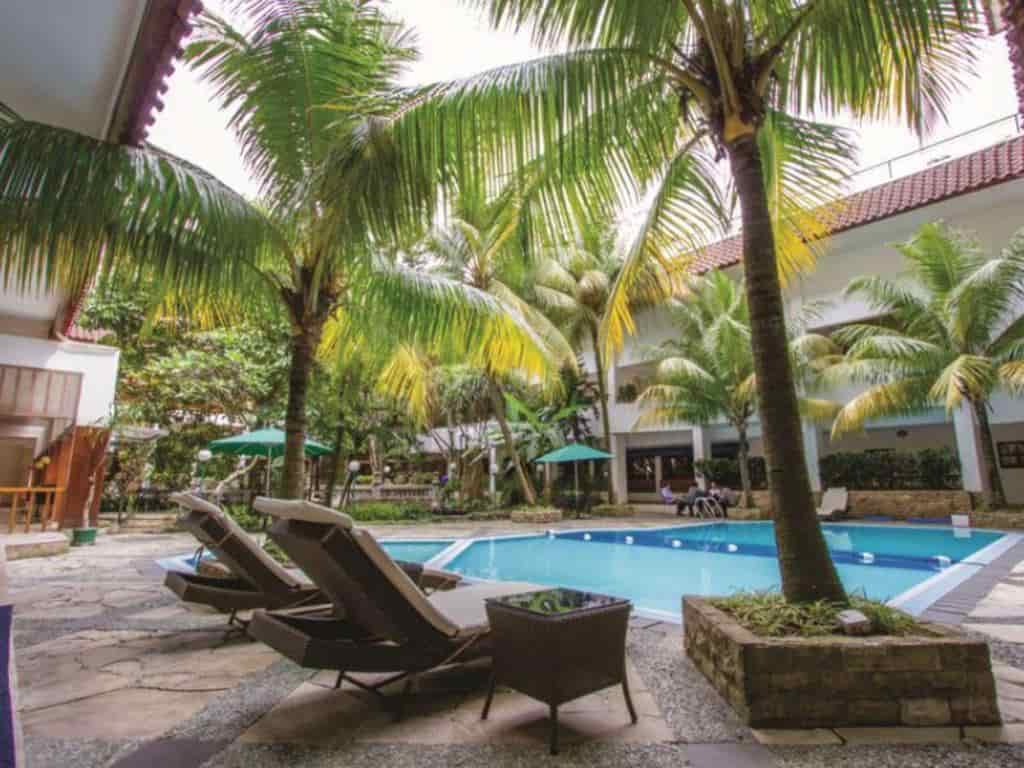
Hotel Salak The Heritage di Bogor, Hotel Kuno Sejak Masa Hindia Belanda

For leisure and recreation, the hotel offers a comprehensive suite of services, including:

  • Fitness and Wellness: A fully equipped fitness center, a spa offering traditional Javanese treatments, and an outdoor swimming pool that provides a tranquil escape from the city’s bustle.
  • Dining and Gastronomy: The hotel hosts several dining outlets, including the Kanari Cafe, the Den Haag Cafe—which serves a mix of Indonesian and European cuisine—and a specialized coffee shop and bar. These venues often feature menus that reflect the culinary fusion of the colonial era.
  • Entertainment: Facilities for billiards, karaoke, and a well-stocked library provide diverse options for guest engagement.

Diplomatic Significance: The 2006 Bush Visit

One of the most significant milestones in the modern history of Hotel Salak The Heritage occurred in November 2006. During the official state visit of United States President George W. Bush to Indonesia, the hotel was selected to play a critical role in the diplomatic proceedings. Due to its proximity to the Bogor Presidential Palace and its high standards of service and security, the hotel served as a primary hub for the American delegation and the White House Communications Agency.

The success of this high-stakes event earned the hotel a "Certificate of Appreciation" from the White House Communications Agency. This accolade was a testament to the hotel’s ability to meet rigorous international standards for hospitality and security. This event solidified Hotel Salak’s reputation as a world-class institution capable of hosting global leaders, further elevating its status beyond that of a standard four-star hotel.

Strategic Location and Urban Integration

The enduring popularity of Hotel Salak The Heritage is largely attributed to its strategic location in the "Ring 1" area of Bogor. The hotel is situated within walking distance of several major attractions:

Hotel Salak The Heritage di Bogor, Hotel Kuno Sejak Masa Hindia Belanda
  1. Bogor Presidential Palace (Istana Bogor): Located approximately 550 meters away, this serves as the official residence of the President of Indonesia.
  2. Bogor Botanical Gardens (Kebun Raya Bogor): At 710 meters distance, these gardens are the oldest in Southeast Asia and a center for botanical research.
  3. Museum of Zoology: Located 630 meters from the hotel, it houses one of the largest collections of preserved fauna in Asia.
  4. Natural Gateway: While the hotel is in an urban setting, it serves as a gateway for tourists visiting the Halimun Salak National Park and the surrounding mountain resorts of Puncak and Sentul.

Data from local tourism boards suggests that heritage hotels like Hotel Salak play a crucial role in Bogor’s tourism economy. With Bogor seeing a steady increase in domestic and international visitors—averaging millions of tourists annually pre-pandemic—establishments that offer a "historical experience" tend to maintain higher occupancy rates compared to modern budget hotels.

Analysis of Implications: Heritage as a Commodity

The continued operation of Hotel Salak The Heritage provides an interesting case study in the preservation of colonial architecture in a post-colonial society. In many parts of the world, buildings associated with former colonial powers were either demolished or allowed to decay as symbols of an oppressive past. However, in Indonesia, and specifically in Bogor, there has been a concerted effort to repurpose these structures as "heritage" assets.

By rebranding as "Hotel Salak The Heritage," the management has successfully commodified history. The "kuno" (ancient/old) style is no longer viewed through a purely political lens but as a unique selling point that offers guests a sense of nostalgia and prestige. This approach has several implications:

  • Cultural Conservation: The commercial success of the hotel ensures that the physical structure is maintained, preventing the loss of 19th-century architectural techniques.
  • Economic Resilience: Heritage hotels often command higher room rates and attract a more affluent demographic, including foreign tourists interested in the Dutch-Indonesian connection.
  • Educational Value: For younger generations of Indonesians, the hotel serves as a tangible link to the country’s complex history, providing a space where history is lived rather than just read about in textbooks.

Conclusion

Hotel Salak The Heritage remains a cornerstone of Bogor’s hospitality landscape. From its origins as the Bellevue-Dibbets Hotel in 1856 to its role in modern international diplomacy, the institution has demonstrated a remarkable ability to adapt to changing political and social climates. Its commitment to maintaining Dutch colonial aesthetics while integrating modern luxury has allowed it to remain relevant in a competitive market. As Bogor continues to develop as a center for tourism and government activity, Hotel Salak The Heritage stands as a reminder of the city’s storied past and its enduring charm as the "Rain City" of Indonesia. Whether serving as a base for a presidential visit or a weekend getaway for families, the hotel continues to uphold its legacy of "Service with Heritage."
December 20, 2025 0 comment
0 FacebookTwitterPinterestEmail
Travel & Tourism

Indonesian Middle Class Prioritizes Financial Stability Over Growth Amid Rising Living Costs and Global Economic Uncertainty

by Muslim December 18, 2025
written by Muslim

The landscape of Indonesian domestic economics is undergoing a significant shift as the nation’s middle class pivots its financial strategy from wealth accumulation toward defensive stability. According to the latest FWD Consumer Outlook Survey, conducted by FWD Group Holdings Limited in collaboration with research firm Ipsos, a combination of soaring living expenses, volatile income streams, and the prohibitive cost of healthcare has fundamentally altered the financial priorities of this critical demographic. This trend is further exacerbated by a turbulent global economic climate, characterized by geopolitical tensions in the Middle East and fluctuating commodity prices, which have collectively fostered a sense of caution among Indonesian households.

The FWD Consumer Outlook Survey, which examines the financial well-being, primary concerns, and protection gaps of the middle class across several Asian markets, highlights a growing sentiment of vulnerability in Indonesia. The findings suggest that the traditional aspiration of rapid economic mobility is being replaced by a more conservative focus on maintaining current standards of living and ensuring a safety net against unforeseen crises.

The State of Financial Stress in Indonesia

The survey provides a stark quantitative look at the psychological state of the Indonesian middle class. Approximately 66 percent of respondents reported feeling significant financial pressure, describing their current state as "stressed" or "worried." Many within this group indicated that they are currently living paycheck to paycheck, with their total income barely covering essential daily expenditures and basic household needs.

This high level of financial anxiety is not an isolated phenomenon but is the result of three primary catalysts identified by the respondents. First and foremost is the rising cost of living, cited by 70 percent of participants as their greatest concern. This includes the inflationary pressure on staple goods, fuel, and utilities, which has outpaced wage growth for many sectors of the population.

The second major factor is income uncertainty, affecting 43 percent of the surveyed population. In a post-pandemic economy where the "gig economy" has expanded and traditional job security has weakened, many middle-class families no longer feel confident in the long-term stability of their primary revenue streams. Finally, 40 percent of respondents pointed toward the rising cost of healthcare services as a major source of financial dread. Despite the existence of national health insurance schemes, the out-of-pocket expenses for specialized treatments and the perceived inadequacy of basic coverage for serious illnesses remain significant burdens.

Biaya Meningkat, Survei: 66 Persen Warga Indonesia Fokus Stabilitas Finansial

Macroeconomic Headwinds and Global Volatility

The shift toward financial conservatism in Indonesia cannot be viewed in isolation from the broader global context. The Indonesian economy, while resilient, remains sensitive to international market fluctuations. The ongoing conflict in the Middle East has sent ripples through global energy markets, leading to concerns over domestic fuel subsidies and the potential for imported inflation.

Furthermore, the strengthening of the U.S. dollar and the subsequent pressure on the Indonesian Rupiah have made imports more expensive, directly impacting the manufacturing costs of consumer goods. For the Indonesian middle class, these macro-level events translate into micro-level anxieties. When the global economy is unpredictable, the natural reaction for households is to tighten their belts, increase their liquid savings, and forgo high-risk investments that might have otherwise fueled personal economic growth.

Economic analysts suggest that this "stability-first" mindset could lead to a slowdown in domestic consumption—a primary driver of Indonesia’s Gross Domestic Product (GDP). If the middle class, which traditionally fuels the retail, automotive, and real estate sectors, continues to prioritize "defensive" financial management, the broader national goal of achieving high-income status by 2045 may face significant headwinds.

The Healthcare Conundrum and the Insurance Gap

One of the most poignant findings of the FWD-Ipsos research is the role of healthcare costs in driving financial instability. While the Indonesian government has made strides with the Jaminan Kesehatan Nasional (JKN) program managed by BPJS Kesehatan, the survey reveals a lingering "protection gap."

Medical inflation in Indonesia often runs higher than general inflation, sometimes reaching double-digit percentages annually. This means that for a middle-class family, a single major medical emergency can wipe out years of accumulated savings. The survey indicates that while awareness of insurance products is growing, the actual penetration of comprehensive private health and life insurance remains relatively low compared to other regional peers. This gap leaves many families in a precarious position where they are one health crisis away from falling back into a lower economic bracket.

Chronology of Economic Pressures

To understand the current sentiment, one must look at the timeline of economic pressures over the last 24 months. Following the recovery phase of the COVID-19 pandemic, Indonesia faced a surge in global commodity prices in late 2022 and throughout 2023. The government was forced to adjust subsidized fuel prices (BBM) in September 2022, which triggered a domino effect on transportation costs and food prices.

Biaya Meningkat, Survei: 66 Persen Warga Indonesia Fokus Stabilitas Finansial

In 2024, the situation was further complicated by the "El Niño" weather phenomenon, which impacted agricultural output, particularly rice—a staple of the Indonesian diet. As rice prices hit record highs in early 2024, the purchasing power of the middle class was further eroded. Concurrently, the global geopolitical situation shifted from the focus on the Russia-Ukraine war to the escalating tensions in the Middle East, ensuring that energy prices remained volatile and unpredictable.

These events have created a cumulative effect of "inflation fatigue," where consumers are no longer waiting for prices to stabilize but are instead permanently adjusting their lifestyles to accommodate a higher-cost environment.

Shifting Consumer Behavior and Investment Patterns

The FWD survey results align with observed shifts in consumer behavior across Indonesia’s urban centers. There is a noticeable trend toward "down-trading," where consumers opt for cheaper alternative brands or reduce the frequency of non-essential services. The hospitality and luxury goods sectors are seeing a more cautious consumer base, while the demand for high-yield, low-risk savings instruments has seen an uptick.

In terms of investment, the Indonesian middle class is moving away from speculative assets. There is a renewed interest in gold, government bonds (ORI/SBR), and time deposits, which offer guaranteed returns and capital preservation. This is a marked departure from the "investment boom" seen during the pandemic years, when retail investors flocked to high-growth stocks and digital assets. Today, the mantra is "capital protection" rather than "capital gains."

Expert Reactions and the Role of Financial Literacy

Industry experts believe that the results of the FWD Consumer Outlook Survey should serve as a wake-up call for both the financial services industry and policymakers. "The fact that 66 percent of the middle class feels financially stressed is a signal that we need more robust financial literacy programs and more accessible protection products," noted a financial analyst following the report’s release.

Insurance providers like FWD are responding by emphasizing the importance of "financial resilience." By providing products that combine protection with flexible savings components, the industry aims to bridge the gap between the need for stability and the desire for long-term growth. However, the challenge remains in convincing a stressed population to allocate funds toward insurance premiums when daily costs are already high.

Biaya Meningkat, Survei: 66 Persen Warga Indonesia Fokus Stabilitas Finansial

From a policy perspective, there are calls for the government to stabilize food prices more aggressively and to enhance the quality of public services to reduce the "hidden costs" of being middle class—such as the need for private education and private healthcare due to the perceived inadequacy of public options.

Long-term Implications for Indonesia’s Economic Trajectory

The cautious stance of the middle class has profound implications for Indonesia’s future. The middle class is often referred to as the "engine of growth." If this engine is idling in a state of self-preservation, the national economic velocity will inevitably slow down.

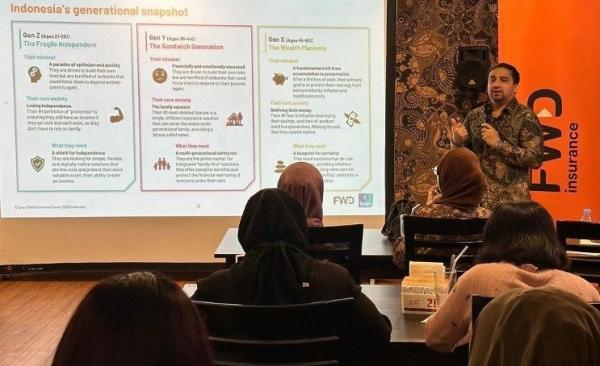
Furthermore, the "Sandwich Generation" phenomenon—where middle-aged adults must simultaneously support their aging parents and their own children—adds another layer of complexity. With 40 percent of respondents worried about healthcare, much of that concern is likely directed toward the care of elderly relatives, which further drains the disposable income that could otherwise be invested in the economy.

If these trends persist, Indonesia may face a period of stagnant social mobility. The "stability over growth" mindset, while rational for the individual household, creates a collective paradox: by being too cautious to spend or invest, the middle class may inadvertently contribute to the very economic slowdown they fear.

Conclusion

The FWD Consumer Outlook Survey paints a portrait of an Indonesian middle class that is resilient but weary. The transition from prioritizing growth to prioritizing stability is a rational response to a world that feels increasingly volatile. With 70 percent of the population concerned about the cost of living and a significant majority feeling the weight of financial stress, the focus has shifted to the essentials: keeping the lights on, staying healthy, and ensuring that today’s income can cover tomorrow’s needs.

As Indonesia navigates the complexities of 2024 and beyond, the ability of the government and the private sector to address these core anxieties—inflation, healthcare costs, and income security—will determine whether the middle class can return to its role as a driver of ambitious economic expansion or whether it will remain in a defensive crouch, prioritizing survival over the pursuit of the Indonesian dream.

December 18, 2025 0 comment
0 FacebookTwitterPinterestEmail
Travel & Tourism

Indonesia Stock Exchange Reports 19.4 Percent Decline in Net Profit for 2011 Fiscal Year Despite Revenue Growth

by Lina Irawan December 17, 2025
written by Lina Irawan

The Indonesia Stock Exchange (IDX), known locally as PT Bursa Efek Indonesia (BEI), along with its subsidiary entities, officially recorded a significant contraction in its consolidated net profit for the 2011 fiscal year. According to the consolidated comprehensive income statement released on Saturday, March 31, 2012, the exchange’s net profit fell by 19.4 percent, dropping to Rp299.825 billion from the Rp358.041 billion reported in the 2010 fiscal year. This decline occurred despite a marginal increase in the exchange’s total revenue, highlighting a period of increased operational spending and strategic investment that outpaced income growth.

The financial data, published as part of the exchange’s transparency obligations, reveals a complex fiscal narrative for the year ending December 31, 2011. While the exchange successfully expanded its revenue base from Rp667.16 billion in 2010 to Rp699.32 billion in 2011, the bottom line was heavily pressured by a sharp rise in operating expenses. Total operating costs surged from Rp371.3 billion in the previous year to Rp445.21 billion in 2011, representing a substantial burden on the organization’s profitability.

Financial Performance Breakdown: Revenue and Expenditures

The 4.8 percent increase in total revenue suggests that the Indonesian capital market remained resilient in terms of activity, even as global markets faced headwinds. The revenue streams for the Indonesia Stock Exchange are primarily derived from transaction fees, listing fees, and the sale of market data. Throughout 2011, the Jakarta Composite Index (JCI) experienced periods of high volatility, yet managed to maintain a general upward trajectory for much of the year, supporting the exchange’s top-line growth.

However, the 19.9 percent spike in operating expenses proved to be the primary driver of the profit decline. Financial analysts point to several factors that likely contributed to this expenditure growth. During this period, the IDX was heavily involved in upgrading its technological infrastructure. The maintenance and modernization of the Jakarta Automated Trading System Next Generation (JATS-S) required significant capital and operational outlays. Furthermore, the exchange intensified its efforts in market education and socialization programs aimed at increasing the number of domestic investors, which added to the administrative and promotional costs.

The consolidated financial statement also provided an overview of the exchange’s balance sheet. Despite the dip in net profit, the total assets of PT Bursa Efek Indonesia and its subsidiaries showed healthy growth. The exchange’s assets rose to Rp3.763 trillion by the end of 2011, up from Rp3.555 trillion in 2010. This growth in assets indicates that the exchange remains in a strong capital position, with sufficient resources to continue its role as the primary facilitator of the Indonesian capital market.

The Global and Domestic Economic Context of 2011

To understand the 2011 financial results, one must consider the broader economic environment in which the IDX operated. The year 2011 was characterized by significant global economic uncertainty, primarily driven by the Eurozone sovereign debt crisis and the credit rating downgrade of the United States. These international factors led to capital outflows from emerging markets at various points during the year, creating a volatile environment for stock trading.

In Indonesia, the domestic economy remained relatively robust, with GDP growth exceeding 6 percent. This domestic strength acted as a buffer for the capital market. The Jakarta Composite Index (JCI) closed 2011 with a gain of approximately 3.2 percent, a modest increase compared to the stellar 46 percent growth seen in 2010, but still a positive performance relative to many other global indices that ended the year in negative territory. The transition from a high-growth environment in 2010 to a more stable but volatile environment in 2011 explains why revenue growth slowed, while the costs of maintaining a world-class exchange continued to rise.

Chronology of the 2011 Fiscal Year

The 2011 fiscal year for the Indonesia Stock Exchange was marked by several key milestones and challenges that influenced the final financial outcome:

  • First Quarter (January–March 2011): The year began with inflationary concerns in Indonesia, leading to a temporary correction in the JCI. The exchange focused on stabilizing market mechanisms and ensuring liquidity.
  • Second Quarter (April–June 2011): Market sentiment improved as corporate earnings for Indonesian listed companies showed strong results. The IDX continued its "Yuk Nabung Saham" (Let’s Save in Stocks) campaign, increasing operational outreach costs.
  • Third Quarter (July–September 2011): This was the most volatile period of the year. The US debt ceiling crisis and the escalating Greek debt situation caused a global sell-off. The IDX had to manage high trading volumes during periods of panic selling, testing the resilience of its IT systems.
  • Fourth Quarter (October–December 2011): The market saw a year-end recovery. The exchange finalized its consolidated reports, accounting for the increased costs associated with system upgrades and the integration of subsidiary operations, including the Indonesian Clearing and Guarantee Corporation (KPEI) and the Indonesia Central Securities Depository (KSEI).

Role of Subsidiaries and Consolidated Entities

The financial report released on March 31, 2012, is a consolidated statement, meaning it includes the performance of the IDX’s subsidiaries. The performance of the KPEI and KSEI is integral to the overall financial health of the group. As the Indonesian capital market matures, the demand for clearing, guarantee, and depository services increases.

Laba Bersih BEI Turun 19,4% di 2011 : Okezone Economy

In 2011, these subsidiaries were also undergoing modernization. The implementation of Straight Through Processing (STP) and the enhancement of the C-BEST system (Central Securities Depository and Settlement System) required coordinated investment across all SROs (Self-Regulatory Organizations). While these investments depressed short-term profits for the 2011 fiscal year, they were deemed necessary by the Board of Directors to ensure the long-term competitiveness of the Indonesian market against regional peers like the Singapore Exchange (SGX) and Bursa Malaysia.

Institutional Response and Strategic Direction

While the official report was published by the exchange’s management, the broader reaction from the financial community suggested that the profit decline was not a cause for immediate alarm. Market participants generally recognize that the Indonesia Stock Exchange operates as a non-profit-oriented SRO in its primary mandate, meaning its goal is to facilitate a fair, orderly, and efficient market rather than maximizing dividends for its shareholders (who are the brokerage firms or "members" of the exchange).

Inferences from the financial data suggest that the management of the IDX prioritized institutional strengthening over short-term profitability. The increase in personnel costs and administrative expenses likely reflects a strategy to recruit top-tier talent and improve regulatory oversight. As the exchange moved toward the 2012 period, the focus remained on increasing the number of listed companies (IPOs) and improving the depth of the market.

The management, led at the time by President Director Ito Warsito, had consistently emphasized that the exchange needed to prepare for a "new era" of Indonesian capital markets, characterized by higher transaction volumes and a more diverse investor base. The 2011 expenditure surge is widely viewed by analysts as the "cost of progress" required to reach those objectives.

Implications for Investors and Market Stability

The 19.4 percent decline in net profit has several implications for the Indonesian financial landscape. First, it underscores the rising cost of regulatory compliance and technological upkeep in a globalized financial system. As cybersecurity threats and high-frequency trading become more prevalent, exchanges must spend more on defensive and offensive technology.

Second, for the member firms (the shareholders of the IDX), the lower profit meant a smaller pool of funds available for potential reinvestment into member-driven initiatives. However, the increase in total assets to Rp3.763 trillion provides a safety net, ensuring that the exchange has the liquidity to handle market emergencies or further capital requirements.

Third, the report highlights the "scissors effect" where operational efficiency must be improved. With revenue growing at only 4.8 percent while expenses grew at nearly 20 percent, the 2012 fiscal year would require the IDX to find a better balance between strategic spending and cost control to prevent further erosion of its financial margins.

Conclusion and Future Outlook

The 2011 financial results of PT Bursa Efek Indonesia serve as a reflection of a transitional period for the Indonesian capital market. The transition from a post-2008 recovery phase to a phase of structural modernization required heavy financial commitments. While the 19.4 percent drop in net profit to Rp299.825 billion appears significant on paper, the underlying growth in revenue and assets suggests an organization that is expanding its reach and capability.

As the exchange entered 2012, the focus shifted toward the implementation of the new Capital Market Law and the transition of supervisory authority from Bapepam-LK to the newly formed Financial Services Authority (OJK). The financial foundation laid in 2011, despite the cost, was intended to provide the IDX with the necessary tools to navigate these regulatory shifts and maintain Indonesia’s position as a premier investment destination in Southeast Asia. The 2011 fiscal year will likely be remembered as a year of investment in the future of Indonesia’s financial infrastructure, traded off against short-term earnings.

December 17, 2025 0 comment
0 FacebookTwitterPinterestEmail
Travel & Tourism

Luminous Installations Transform Trencin as Slovakia Prepares for European Capital of Culture 2026

by Asro December 16, 2025
written by Asro

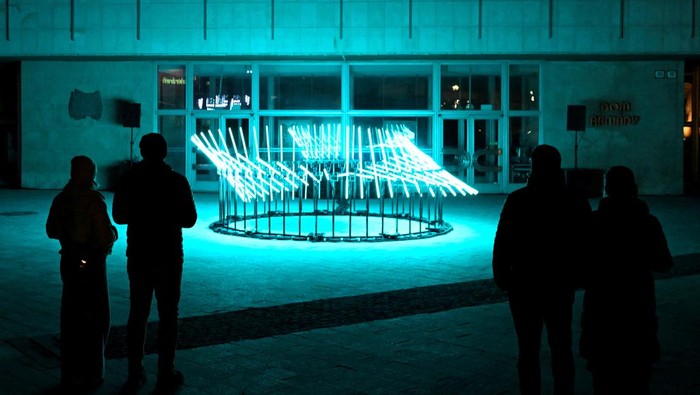
The historic city of Trencin, nestled in the picturesque mountains of northwestern Slovakia, recently underwent a dramatic metamorphosis as it hosted its second annual Light Art Festival. This event, which took place on April 10, 2026, serves as a cornerstone of the city’s strategic preparation for its upcoming role as the European Capital of Culture (ECoC) in 2026. By blending cutting-edge technology with the city’s medieval architecture, the festival managed to attract thousands of visitors, effectively signaling Trencin’s readiness to take its place on the global cultural stage.

A Night of Luminous Grandeur

As the sun set over the Váh River, the cobblestone streets and historic facades of Trencin were revitalized by a spectrum of vibrant colors and dynamic light projections. The festival featured a diverse array of installations created by both local Slovakian talent and internationally renowned light artists. These works ranged from high-energy, immersive displays designed for pure entertainment to more somber, minimalist pieces intended to provoke deep reflection on contemporary social and environmental issues.

Festival Seni Cahaya Hidupkan Malam di Trencin

The centerpiece of the evening was the illumination of the Trencin Castle, a fortress dating back to the 11th century that looms over the city. Using advanced projection mapping techniques, artists transformed the ancient stone walls into a living canvas, telling the story of the region’s history through a sequence of light and sound. This fusion of the old and the new is a recurring theme in Trencin’s cultural strategy, aiming to honor its heritage while embracing the possibilities of the digital age.

The Journey to European Capital of Culture 2026

The Light Art Festival is not merely an isolated celebration but a critical milestone in a multi-year journey. Trencin was officially designated as the European Capital of Culture 2026 in late 2021, beating out other prominent Slovakian cities such as Nitra and Žilina. The selection committee was particularly impressed by Trencin’s vision, titled "Cultivating Curiosity," which focuses on utilizing culture as a catalyst for urban development, social cohesion, and international dialogue.

The ECoC program, established by the European Union in 1985, is designed to highlight the richness and diversity of European cultures, increase citizens’ sense of belonging to a common cultural area, and foster the contribution of culture to the development of cities. For Trencin, a city with a population of approximately 55,000, this designation represents a once-in-a-generation opportunity to reinvent its image and stimulate its local economy.

Festival Seni Cahaya Hidupkan Malam di Trencin

In 2026, Trencin will share the prestigious title with Oulu, Finland. This partnership is expected to foster significant cross-border collaboration, with both cities planning joint exhibitions, artist residencies, and digital exchange programs that will link the mountainous landscapes of Central Europe with the coastal beauty of Northern Scandinavia.

Chronology of Cultural Expansion

The success of the 2026 Light Art Festival is the result of a meticulously planned timeline that began shortly after the city won the ECoC bid.

  1. 2022-2023: Infrastructure and Planning: During this phase, the city focused on upgrading its public spaces, including the renovation of the main square and the improvement of lighting systems in the historic district.
  2. April 2025: The Inaugural Light Art Festival: The first edition of the festival served as a pilot project. Despite being a new concept for the region, it exceeded expectations by drawing nearly 10,000 visitors. This success provided the organizers with the data and confidence needed to scale up for the 2026 edition.
  3. April 10, 2026: The Current Edition: The most recent festival showcased a 40% increase in the number of installations and a more robust international marketing campaign, resulting in a surge of foreign tourists from neighboring Austria, Czechia, and Poland.
  4. Late 2026: The Grand Finale: The Light Art Festival is expected to return for a final, even larger iteration at the close of Trencin’s year as the European Capital of Culture, serving as a legacy event for the city.

Supporting Data and Economic Impact

The implications of the Light Art Festival extend far beyond aesthetics. According to preliminary data released by local tourism boards, the festival has a significant "multiplier effect" on the local economy. During the weekend of the event, hotel occupancy rates in Trencin and the surrounding Trenčín Region reached 95%, a record high for the spring season.

Festival Seni Cahaya Hidupkan Malam di Trencin

Furthermore, the 10,000 visitors recorded during the previous year’s event represented nearly 20% of the city’s total population, a statistic that underscores the festival’s massive draw. For a city of 55,000, managing such an influx requires sophisticated logistics, including temporary pedestrian zones, increased public transport frequency, and a coordinated effort between the municipal police and event volunteers.

Economic analysts suggest that for every Euro invested in the Light Art Festival, approximately five Euros are returned to the local economy through spending in restaurants, retail shops, and hospitality services. This influx of capital is vital for supporting small businesses and funding future cultural initiatives.

Artistic and Technological Innovation

The festival’s success is also attributed to its commitment to high-quality artistic content. The 2026 program emphasized the use of sustainable technology, with many installations powered by renewable energy sources or utilizing low-consumption LED hardware.

Festival Seni Cahaya Hidupkan Malam di Trencin

One notable installation, titled "Echoes of the Váh," used motion sensors to translate the movement of the nearby river into patterns of light reflected onto the city’s bridges. Another popular work involved interactive "light pods" placed in the central square, which changed color and sound based on the proximity and touch of visitors, fostering a sense of community play and interaction.

"Light art has a unique ability to democratize culture," noted a spokesperson for the Trencin 2026 organizing committee. "It takes art out of the galleries and places it directly into the path of the people. It changes how residents perceive their own city, making familiar streets feel magical and new."

Official Responses and Social Implications

The Mayor of Trencin has lauded the festival as a triumph of civic engagement. In a statement following the event, the municipal office highlighted that the festival had successfully engaged diverse demographic groups, from families with young children to elderly residents and international students.

Festival Seni Cahaya Hidupkan Malam di Trencin

Socially, the festival serves to strengthen the "European identity" of Trencin’s citizens. By hosting artists from across the continent and participating in a program as prestigious as the ECoC, residents feel a closer connection to the broader European community. This is particularly important in a region that has seen significant political and social shifts over the last several decades.

Related parties, including the Slovak Ministry of Culture, have pointed to Trencin as a model for regional development. By focusing on a niche yet popular medium like light art, the city has managed to differentiate itself from other tourist destinations in Central Europe, creating a unique "brand" that is both modern and rooted in tradition.

Challenges and Future Outlook

Despite the overwhelming success, the path to 2026 has not been without its challenges. The organizers have had to navigate the complexities of hosting large-scale events in a city with narrow, medieval streets. Issues such as light pollution and the impact of large crowds on historic structures are constantly monitored by a team of urban planners and conservationists.

Festival Seni Cahaya Hidupkan Malam di Trencin

Looking ahead, the focus for Trencin will be on "sustainability and legacy." The goal is not just to have a successful year in 2026, but to ensure that the cultural infrastructure and international reputation built during this period continue to benefit the city for decades to come. There are already discussions about making the Light Art Festival a permanent annual fixture on the European cultural calendar, potentially expanding it into a multi-week "Month of Light."

As Trencin continues its countdown to the official start of its tenure as the European Capital of Culture, the glow from the Light Art Festival remains a potent symbol of the city’s ambition. Through the strategic use of light, Trencin has successfully illuminated its past while casting a bright and hopeful vision for its future. The world will undoubtedly be watching as this small Slovakian city takes center stage in 2026, proving that with creativity and collaboration, even the most historic of places can shine with a modern brilliance.

December 16, 2025 0 comment
0 FacebookTwitterPinterestEmail
Food & Culinary

Ban Ban Indonesia and Tango Waffle Forge Strategic Partnership to Target Millennial and Gen Z Consumers with Innovative Flavor Profiles

by Asep Darmawan December 14, 2025
written by Asep Darmawan

The Indonesian food and beverage sector continues to witness a surge in creative collaborations as local and established brands seek to capture the attention of a younger, more adventurous demographic. In a significant move within the premium tea and snack market, Ban Ban Indonesia has officially partnered with Tango Waffle, a flagship brand under the Orang Tua (OT) Group, to introduce a series of limited-edition menu items designed to provide a multi-sensory consumption experience. This collaboration, unveiled in Jakarta, represents a strategic alignment between a modern "new-age" beverage provider and a legacy snack giant, aiming to tap into the evolving taste preferences of Indonesian Gen Z and Millennial consumers.

The partnership is driven by a shared vision to offer more than just standard refreshment. According to Wu Yi Jun, the Chief Executive Officer of Ban Ban Indonesia, the current market landscape demands products that offer a "complete sensation" in the mouth—a blend of textures and flavors that go beyond simple sweetness. By integrating the structural crunch of Tango Waffles into Ban Ban’s signature artisanal drinks, the brands have created a product line that emphasizes the interplay between liquid and solid components, catering to a consumer base that increasingly views food and drink as a form of entertainment and self-expression.

Strategic Market Positioning and Demographic Analysis

The primary target for this collaboration is the cohort aged between 20 and 35 years, a group that encompasses both older Gen Z and younger Millennials. This demographic is characterized by its significant purchasing power in the urban food and beverage (F&B) sector and its tendency to seek out "Instagrammable" and unique culinary experiences. Wu Yi Jun noted that this specific age group is often in a state of life transition, navigating the complexities of early career development, higher education, and evolving social identities.

In this context, Ban Ban and Tango Waffle have positioned their products as "lifestyle companions." The psychological aspect of consumption is a key component of their marketing strategy. The brands acknowledge that these generations often face periods of uncertainty, optimism, or "galau" (a popular Indonesian term for feeling troubled or indecisive). By offering flavors that correspond to different moods and personality traits, the collaboration seeks to establish an emotional connection with the consumer, moving the product from a mere commodity to a relatable brand experience.

Harianus Zebua, the Head of Corporate and Marketing Communication at OT Group, elaborated on this during the launch event in Jakarta on Friday, February 10, 2023. He explained that the menu items were designed to represent the multifaceted nature of youth. For instance, the use of darker colors and charcoal-based ingredients in some menu items is not intended to represent indifference or "cuek," but rather to encourage consumers to look past initial appearances and discover the sweetness within. This "don’t judge a book by its cover" philosophy is central to the branding of the new series.

Detailed Product Profiles and Flavor Innovation

The collaboration has resulted in three distinct offerings that combine Ban Ban’s expertise in fresh, high-quality beverages with the established crunch of Tango Waffle products. These items are designed to showcase the versatility of the waffle as both a topping and a standalone snack component.

  1. Choco Hazelnut Series: This variant is designed to appeal to the "soft and affectionate" side of the target demographic. It utilizes a rich chocolate and hazelnut base, known for its comforting and familiar flavor profile. The inclusion of Tango Waffle pieces adds a layer of complexity to the drink, providing a contrast to the smooth liquid base.
  2. Kuro Kukkie (Cookies and Cream): Representing a more "cool" or "indifferent" persona, the Kuro Kukkie features a striking visual aesthetic. Despite its bold appearance, the flavor remains accessible and sweet, mirroring the personality of a consumer who may seem distant but is actually warm and attentive. This variant leverages the new Tango Waffle Cookies and Cream, which features a crunchy sheet, thick cream, and a filling of cookie crumbs and rice crispies.
  3. Tango Creme Brulle Moffle: A "moffle" is a hybrid creation—a mochi-waffle—that has gained significant popularity in the Asian fusion dessert scene. By applying a creme brulle finish to the moffle and incorporating Tango Waffle elements, the brands have created a snack that offers a chewy interior and a crispy exterior, topped with a caramelized sugar layer.

A notable technical aspect of these products is the commitment to quality ingredients. Ban Ban has built its reputation on the use of fresh fruits and premium tea leaves, and this collaboration maintains that standard by using natural sweeteners derived from fruit extracts. This aligns with the broader global trend toward "healthier indulgence," where consumers seek premium treats that avoid excessive artificial additives.

The Evolution of the Indonesian Beverage Industry

To understand the significance of this partnership, one must look at the broader economic context of Indonesia’s F&B industry. The country has seen a massive explosion in the "contemporary tea" and "specialty coffee" segments over the last five years. Brands like Ban Ban have successfully carved out a niche by offering a premium alternative to the mass-market boba chains that dominated the market previously.

Data from various industry reports suggest that the Indonesian beverage market is projected to continue its upward trajectory, driven by urbanization and a growing middle class. The "snackification" of beverages—where drinks are treated as mini-meals or desserts—is a key driver of this growth. By adding Tango Waffles to their drinks, Ban Ban is effectively capturing two market segments: the beverage enthusiast and the snack lover.

For the OT Group, this partnership serves as a way to keep the Tango brand relevant in a rapidly changing retail environment. While Tango has been a household name in Indonesia for decades, collaborating with a trendy, artisanal brand like Ban Ban allows it to maintain a presence in high-end malls and premium retail spaces where Gen Z and Millennials congregate.

Chronology of the Collaboration and Launch

The development of the Ban Ban and Tango Waffle series involved a meticulous process of research and development (R&D) to ensure that the waffle components remained crunchy even when paired with liquid ingredients. The OT Group recently introduced the Tango Waffle Cookies and Cream variant, which served as a catalyst for this collaboration. The specific structural integrity of this new waffle—featuring rice crispies and a denser cream filling—made it an ideal candidate for beverage integration.

The timeline of the launch culminated in the official press conference and tasting event held in Jakarta on February 10, 2023. During the event, representatives from both companies demonstrated the versatility of the menu. The rollout strategy involved making these items available at Ban Ban outlets across major metropolitan areas, supported by a heavy social media campaign focused on the "personality" of each flavor.

Industry Implications and Future Outlook

The collaboration between Ban Ban and OT Group is indicative of a larger trend in the Southeast Asian FMCG (Fast-Moving Consumer Goods) sector: the "cross-pollination" of brands. By combining the agility and "cool factor" of a modern boutique brand with the scale and manufacturing prowess of a large corporation, both parties mitigate risk while maximizing market reach.

From a business analysis perspective, this partnership offers several advantages:

  • Brand Elevation: For Tango, it elevates the perception of their waffle from a simple grocery store item to a gourmet ingredient.
  • Customer Acquisition: For Ban Ban, it taps into the massive, loyal customer base of Tango, potentially attracting older consumers or those who may not have previously frequented premium tea shops.
  • Operational Synergy: The use of established supply chains from the OT Group ensures that the quality of the waffle components remains consistent across all Ban Ban locations.

As the F&B market becomes increasingly crowded, innovation is no longer just about the flavor; it is about the "experience" and the "story" behind the product. The Ban Ban and Tango Waffle collaboration successfully tells a story of generational transition, emotional resonance, and culinary fusion.

In conclusion, the partnership between Wu Yi Jun’s Ban Ban Indonesia and Harianus Zebua’s OT Group represents a sophisticated approach to modern marketing. By focusing on the specific psychological and lifestyle needs of Gen Z and Millennials, and by providing a product that satisfies the demand for unique textures and high-quality ingredients, these two brands are setting a benchmark for future collaborations in the Indonesian market. As consumers continue to seek out novelty and authenticity, such strategic alliances are likely to become the new standard for industry growth and brand sustainability in the region.

December 14, 2025 0 comment
0 FacebookTwitterPinterestEmail
Food & Culinary

Cabinet Secretary Teddy Indra Wijaya Celebrates 37th Birthday During Diplomatic Mission to Paris with President Prabowo Subianto

by Nana Muazin December 13, 2025
written by Nana Muazin

The Cabinet Secretary of the Republic of Indonesia, Teddy Indra Wijaya, marked his 37th birthday on April 14, 2026, amidst a high-profile diplomatic itinerary in Paris, France. Accompanied by President Prabowo Subianto and a senior delegation, the official, who is widely recognized by his military rank and former role as the President’s long-standing aide-de-camp, celebrated the milestone in a series of modest yet significant gatherings both in transit and on French soil. The occasion offered a rare glimpse into the personal camaraderie within the highest echelons of the Indonesian government, highlighting the close-knit relationship between the President and his core administrative team during an intensive period of international relations.

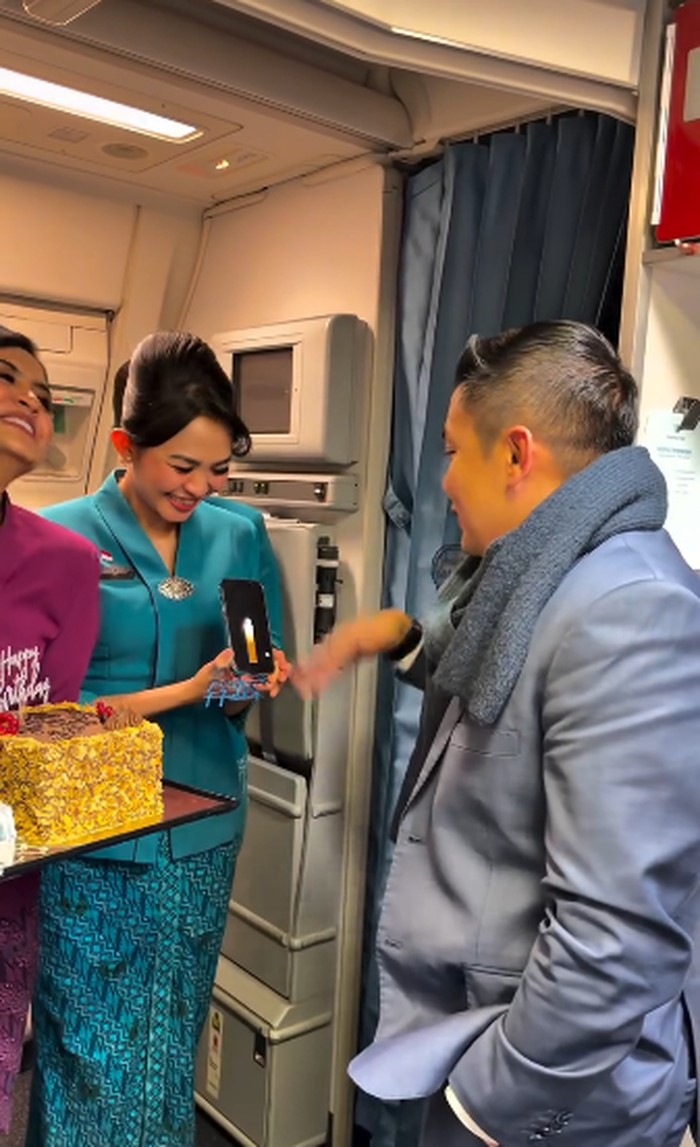
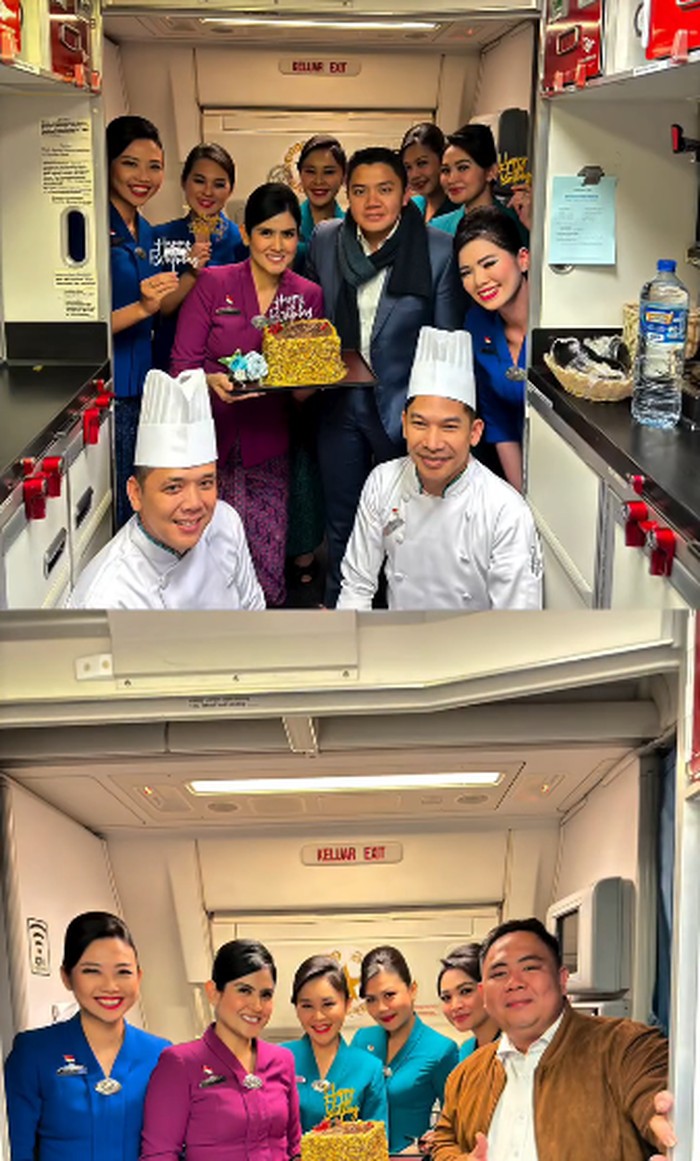
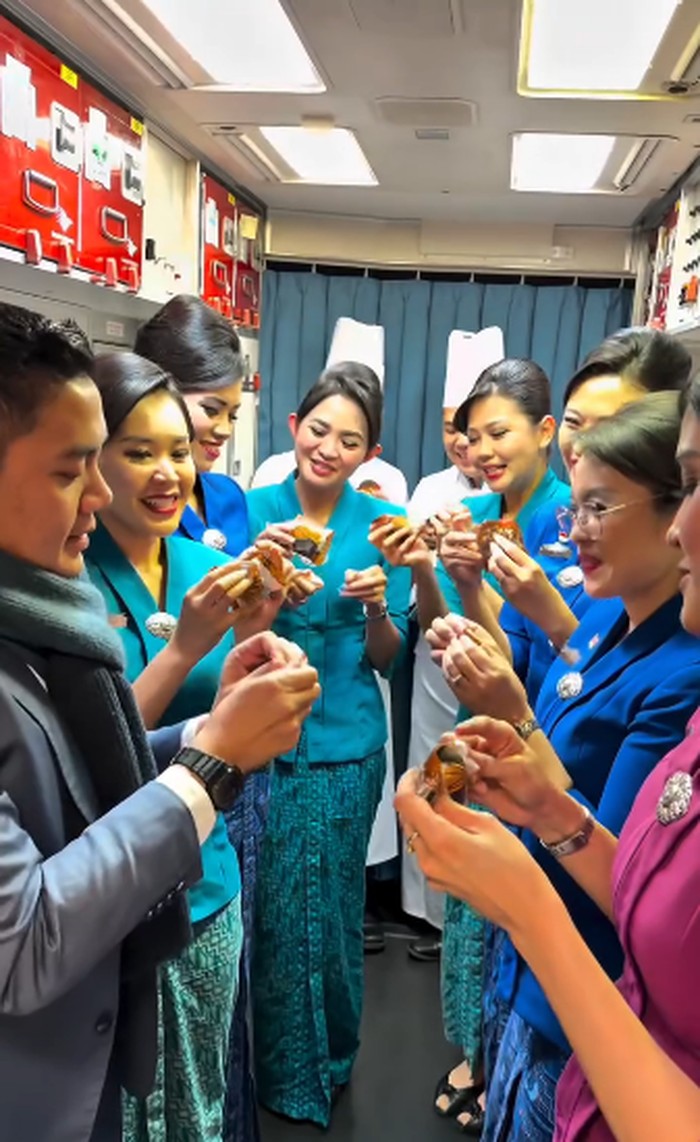
Momen Ultah Seskab Teddy, Dapat Kejutan di Pesawat hingga Kue dari Prabowo

A Celebration in the Clouds: The Mid-Air Surprise

The festivities began several thousand feet above the ground as the presidential aircraft made its way toward the European continent. While the mission was strictly focused on bilateral discussions regarding defense and economic cooperation, the flight crew and staff took a moment to acknowledge the Cabinet Secretary’s birthday. Flight attendants presented Teddy with a celebratory cake, fostering a brief atmosphere of levity amidst the rigorous schedule of a transcontinental diplomatic journey.

Photographs shared via social media platforms depicted the Cabinet Secretary, colloquially known as "Major Teddy" or "Seskab Teddy," smiling alongside the flight crew. The interaction underscored a tradition of morale-building within the presidential entourage, where long-haul flights often serve as the only window for personal milestones during demanding state tours.

Momen Ultah Seskab Teddy, Dapat Kejutan di Pesawat hingga Kue dari Prabowo

Diplomatic Engagements in the City of Light

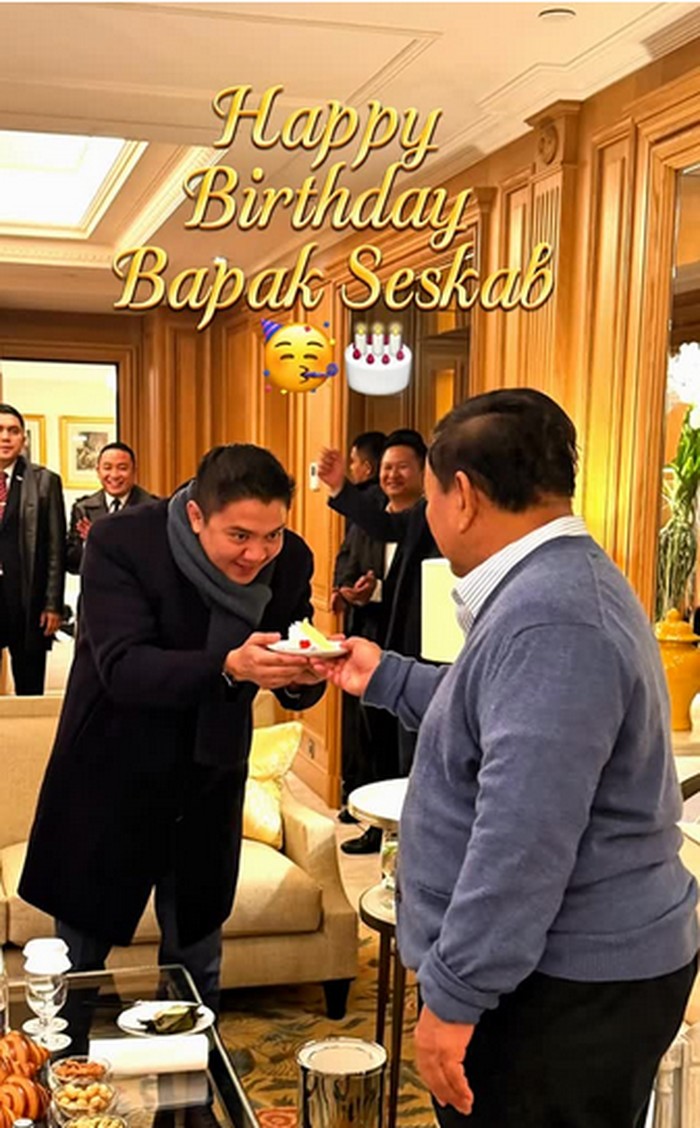
Upon arrival in Paris, the focus shifted to the primary objectives of the state visit. However, the celebration continued in a more formal yet intimate setting. President Prabowo Subianto personally led a small gathering to honor his Cabinet Secretary’s 37th year. In a symbolic gesture of mentorship and professional kinship, the President was seen presenting a slice of cake to Teddy Indra Wijaya.

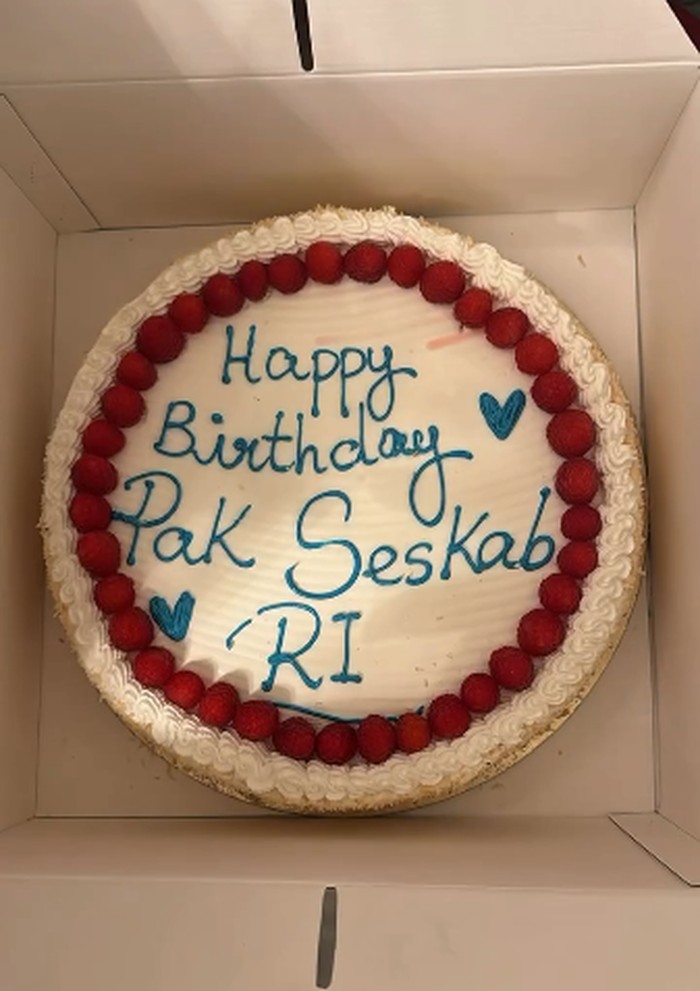
The choice of cake reflected a refined European influence, appropriate for the setting in the French capital. The dessert was described as a classic cream cake, elegantly adorned with a ring of fresh raspberries. This moment of celebration occurred between high-level meetings, where the Indonesian delegation was scheduled to discuss strategic partnerships, potentially involving infrastructure, green energy, and the ongoing modernization of the Indonesian National Armed Forces (TNI).

Momen Ultah Seskab Teddy, Dapat Kejutan di Pesawat hingga Kue dari Prabowo

The Rise of Teddy Indra Wijaya: From Aide to Cabinet Secretary

To understand the significance of this event, one must look at the rapid and disciplined career trajectory of Teddy Indra Wijaya. Born in Manado, North Sulawesi, Teddy’s journey began in the military. As a Lieutenant Colonel (Letkol) in the Indonesian Army (TNI AD), he served with distinction in the Special Forces (Kopassus). His academic and tactical prowess led him to the United States, where he completed the prestigious United States Army Ranger School, an achievement held by only a select few Indonesian officers.

His transition into the national spotlight occurred when he was appointed as the aide-de-camp (ADC) to then-Defense Minister Prabowo Subianto. Over several years, Teddy became a constant presence by Prabowo’s side, known for his stoic professionalism and operational efficiency. Following the 2024 presidential transition, his appointment as Cabinet Secretary (Sekretaris Kabinet) marked a significant shift from a military-centric role to a pivotal administrative position within the executive branch.

Momen Ultah Seskab Teddy, Dapat Kejutan di Pesawat hingga Kue dari Prabowo

As Cabinet Secretary, Teddy is tasked with managing the cabinet’s administrative affairs, ensuring that the President’s directives are effectively communicated and implemented across various ministries. His 37th birthday serves as a reminder of his status as one of the younger, influential figures within the current administration, bridging the gap between traditional military discipline and modern governance.

A History of Culinary Connections and Public Image

The birthday celebration in Paris is not the first time Teddy’s personal moments have resonated with the public through the lens of culinary experiences. His official Instagram account, @teddy_hq, has frequently showcased a more approachable side of the high-ranking official. These snapshots often feature him engaging with various figures from Indonesian society over meals or coffee, serving as a form of "soft diplomacy" and public engagement.

Momen Ultah Seskab Teddy, Dapat Kejutan di Pesawat hingga Kue dari Prabowo

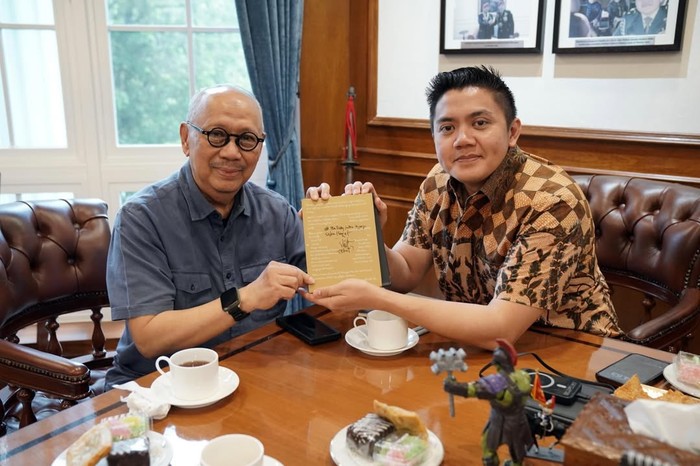
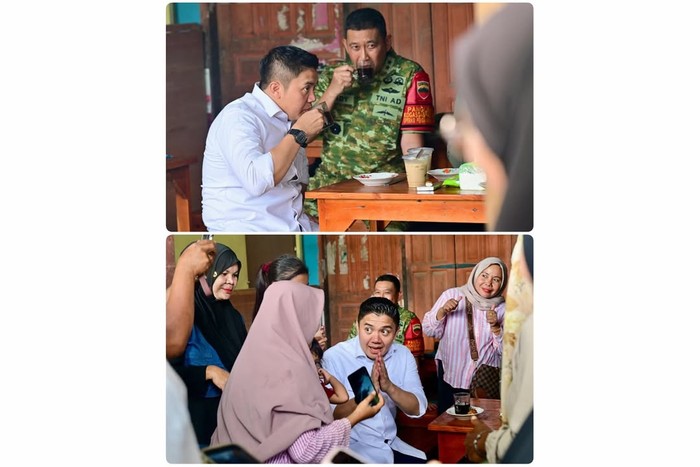
One notable instance shared by the Secretary involved a meeting with the legendary Indonesian musician Ebiet G. Ade. The two were pictured enjoying coffee, a moment that bridged generational and professional divides. Similarly, Teddy has been seen engaging with local leaders, such as a documented coffee session with Gus Irawan, the former Regent of South Tapanuli, at a humble roadside stall (warung). These instances are often viewed by political analysts as an effort to maintain a connection with the "grassroots" despite his high-office status.

Furthermore, his interactions with other cabinet members often revolve around shared meals. A past post highlighted a warm moment with Bahlil Lahadalia, the Minister of Energy and Mineral Resources. The two were seen enjoying simple "nasi kotak" (boxed rice) supplemented with fresh fruit, emphasizing a culture of pragmatism and humility that President Prabowo has frequently encouraged within his cabinet.

Momen Ultah Seskab Teddy, Dapat Kejutan di Pesawat hingga Kue dari Prabowo

Strategic Implications of the Paris Visit

While the birthday celebration provided a human-interest angle to the trip, the backdrop remains a critical diplomatic mission. France has emerged as one of Indonesia’s most vital European partners, particularly in the realm of defense. With previous agreements involving Rafale fighter jets and Scorpene-class submarines, the 2026 visit to Paris likely serves to solidify these ties and explore further technological transfers.

The presence of the Cabinet Secretary is vital in these negotiations. Teddy’s role involves ensuring that the outcomes of these diplomatic talks are translated into actionable policy once the delegation returns to Jakarta. The synchronization between the President and the Cabinet Secretariat is essential for the smooth functioning of the "Kabinat Merah Putih" (Red and White Cabinet), especially regarding international treaties and procurement programs.

Momen Ultah Seskab Teddy, Dapat Kejutan di Pesawat hingga Kue dari Prabowo

Public Reaction and Symbolic Leadership

The images of the celebration have garnered significant attention on social media, where Teddy Indra Wijaya maintains a substantial following. For many Indonesians, the birthday surprise represents a positive organizational culture within the presidency. The image of a President taking the time to honor a subordinate’s birthday is seen as a sign of strong internal loyalty and a "family-like" atmosphere within the administration.

Observers note that such displays of camaraderie are intentional. They project stability and unity to both domestic and international audiences. In the high-stakes world of international diplomacy, the morale of the support staff and the core executive team is a critical component of a successful mission. By celebrating Teddy’s birthday in Paris, the administration subtly communicates a message of continuity and personal investment in its leadership team.

Momen Ultah Seskab Teddy, Dapat Kejutan di Pesawat hingga Kue dari Prabowo

Chronology of the 37th Birthday Milestone

  • April 14, 2026 (Early Morning): The Indonesian delegation departs from Jakarta.
  • April 14, 2026 (In-Flight): Teddy Indra Wijaya is surprised by the flight crew with a cake while crossing international airspace.
  • April 14, 2026 (Evening, Paris Time): Arrival in Paris. A small reception is held at the Indonesian diplomatic residence or a designated state venue.
  • April 14, 2026 (Night): President Prabowo Subianto presents a ceremonial piece of cake to Teddy, witnessed by senior officials.
  • April 15, 2026: Formal diplomatic meetings commence, with the Cabinet Secretary resuming his role in managing the President’s schedule and documentation.

Conclusion: The Intersection of Duty and Personal Milestones

The 37th birthday of Teddy Indra Wijaya stands as a testament to the modern Indonesian political landscape, where professional duty and personal life frequently intersect on the global stage. As the Cabinet Secretary continues to navigate the complexities of his role, his ability to maintain a disciplined military bearing while engaging in the softer aspects of public life remains a defining characteristic of his tenure.

The celebration in Paris, while brief, highlights the human element of governance. It serves as a reminder that behind the formal protocols of state visits and international defense contracts are individuals who, despite the weight of their responsibilities, continue to observe the traditions of friendship and celebration. As the Indonesian delegation concludes its business in France, the images of a raspberry-topped cake and a shared moment of joy in the "City of Light" will likely remain a memorable footnote in the diplomatic record of 2026.

December 13, 2025 0 comment
0 FacebookTwitterPinterestEmail
Health & Wellness

Indonesia Must Seek Energy Alternatives Beyond Coal to Ensure Long-Term Sustainability and Energy Security

by Layla Zulfa December 11, 2025
written by Layla Zulfa

The Indonesian government has signaled a decisive shift in its national energy strategy, emphasizing the urgent need to diversify the country’s energy portfolio away from its heavy reliance on coal. Speaking at his office in Jakarta, the Coordinating Minister for Maritime and Resource Affairs, Rizal Ramli, underscored that while coal has historically been the backbone of Indonesia’s power generation, the future of the nation’s energy security depends on the rapid development of New and Renewable Energy (Energi Baru Terbarukan or EBT). The minister’s remarks come at a critical juncture as Indonesia seeks to balance its ambitious industrial growth targets with international environmental commitments and the practical necessity of creating a more resilient energy infrastructure.

Minister Ramli revealed that the government is currently engaged in intensive internal discussions to identify the systemic bottlenecks that have historically hindered the expansion of renewable energy projects. Despite years of rhetoric regarding the potential of Indonesia’s natural resources, the actual implementation of non-coal energy projects has remained sluggish. The minister noted that the transition to cleaner energy sources—such as geothermal, hydroelectricity, and solar power—is no longer a matter of choice but a strategic necessity for the nation’s long-term economic health.

The Stagnation of Renewable Energy Development

During the press briefing, Rizal Ramli pointed out a stark disconnect between Indonesia’s vast renewable potential and its current energy output. He observed that while the country possesses some of the world’s most significant reserves of geothermal and hydro energy, the number of operational plants remains disproportionately low. "We are discussing, still in the phase of deep discussion, though there have been many speeches and lectures stating that Indonesia must diversify its energy from coal to other sources, including renewables," Ramli stated. He acknowledged that despite the high-level discourse, the "fact on the ground" shows that very few alternative energy facilities have actually been constructed.

This lack of progress is particularly evident in the geothermal sector. Indonesia is situated on the "Ring of Fire," granting it an estimated 40% of the world’s total geothermal potential, roughly equivalent to 28,000 to 29,000 megawatts (MW). However, as of late 2015, only a small fraction of this potential has been tapped. Similarly, Indonesia’s vast river systems offer immense hydroelectric possibilities that remain largely underutilized in favor of faster, cheaper coal-fired thermal plants.

Pricing Mechanisms and Investment Barriers

A primary focus of the government’s current inquiry is the economic viability of renewable projects for private investors. Minister Ramli suggested that the sluggish growth in the EBT sector is likely rooted in unattractive pricing structures. For years, the Indonesian energy market has been dominated by coal because of its low upfront costs and the established supply chain within the archipelago. However, the feed-in tariffs and power purchase agreements (PPAs) offered to renewable energy developers have often failed to account for the high capital expenditure (CAPEX) required for geothermal and solar infrastructure.

"It is possible that the pricing is simply not attractive," Ramli remarked. "The pricing should be made attractive so that investors are willing to put their capital into geothermal and solar energy." The minister’s assessment reflects a broader concern within the investment community: that without a clear and profitable path to a return on investment, the private sector will continue to favor traditional fossil fuels. To rectify this, the Coordinating Ministry for Maritime and Resource Affairs is looking into ways to bridge the gap between the cost of production for renewables and the purchasing power of the state-owned electricity utility, Perusahaan Listrik Negara (PLN).

The Dominance of Coal in the 35,000 MW Program

The drive for energy diversification faces the challenge of the government’s own massive infrastructure goals. The Jokowi administration’s signature 35,000 MW electricity program, launched to prevent a looming power crisis and support industrialization, is heavily weighted toward coal. Coal-fired power plants (PLTU) are favored for this program because they can be built relatively quickly and provide a stable "baseload" of electricity at a lower cost per kilowatt-hour compared to many renewable alternatives.

However, critics and some government officials, including Ramli, have raised concerns that over-reliance on coal creates a "carbon lock-in" that will be difficult and expensive to reverse in the future. Furthermore, the global price of coal is subject to market volatility, and the environmental costs—ranging from local air pollution to international carbon taxes—are increasingly being factored into the long-term economic outlook. By diversifying the energy mix now, Indonesia aims to mitigate the risks associated with a mono-fuel economy.

Historical Context and the Global Shift

The push for energy diversification in late 2015 occurred against the backdrop of the upcoming United Nations Climate Change Conference (COP21) in Paris. Like many developing nations, Indonesia faced international pressure to reduce its carbon footprint. In its Intended Nationally Determined Contribution (INDC) submitted prior to the Paris Agreement, Indonesia committed to a 29% reduction in greenhouse gas emissions by 2030 relative to a business-as-usual scenario, or up to 41% with international assistance.

Achieving these targets is impossible without a fundamental shift in the energy sector, which is the second-largest contributor to Indonesia’s emissions after land use and forestry. The National Energy Policy (Kebijakan Energi Nasional or KEN), established in 2014, set an ambitious goal for renewable energy to make up at least 23% of the total primary energy mix by 2025. In 2015, the share of renewables stood at less than 7%, highlighting the massive scale of the transition required over the subsequent decade.

The Geothermal Advantage and Challenges

Geothermal energy is often cited as the most logical alternative for Indonesia because, unlike solar or wind, it provides a consistent baseload of power that is not dependent on weather conditions. This makes it a direct competitor to coal for large-scale industrial use. However, geothermal development is fraught with risks. The exploration phase is expensive and carries a high risk of failure; a company might spend millions of dollars drilling only to find a dry or low-pressure well.

Furthermore, many of Indonesia’s prime geothermal reserves are located in protected forest areas, leading to regulatory overlaps and environmental concerns. Minister Ramli’s office is reportedly looking into streamlining the permitting process and providing better geological data to investors to reduce the "upstream" risk. By improving the regulatory framework and ensuring that the "pricing is attractive," the government hopes to transform Indonesia into a global leader in geothermal energy.

Potential Implications for National Energy Security

The diversification of energy sources is not merely an environmental goal but a pillar of national security. By reducing its dependence on coal, Indonesia can protect itself from fluctuations in global commodity prices. While Indonesia is a major coal exporter, the domestic market obligation (DMO) requires a portion of production to be sold locally at capped prices. However, as domestic demand grows, the opportunity cost of not exporting that coal increases.

Moreover, a decentralized energy grid powered by diverse sources—such as micro-hydro in remote mountainous regions or solar farms in eastern Indonesia—can improve electricity access for the millions of Indonesians who still live off the grid. Transitioning to renewables allows for a more modular and localized approach to energy, reducing the need for massive, expensive transmission lines that are difficult to maintain across an archipelago of over 17,000 islands.

Reactions from Industry Stakeholders

While the government’s renewed focus on diversification has been welcomed by environmental groups and renewable energy developers, it has met with caution from the traditional energy sector. Representatives from the Indonesian Coal Mining Association (APBI) have previously noted that coal remains the most reliable and affordable way to meet the country’s immediate energy needs. They argue that clean coal technologies, such as supercritical and ultra-supercritical boilers, should be part of the "diversification" conversation to reduce emissions without abandoning a proven resource.

On the other hand, the Indonesian Renewable Energy Society (METI) has long called for a more level playing field. They argue that coal’s perceived "cheapness" is a result of indirect subsidies and the failure to price in environmental externalities. METI and other stakeholders are advocating for a dedicated Renewable Energy Law that would provide the legal certainty and financial incentives necessary to attract long-term foreign direct investment (FDI).

Conclusion: A Pivot Toward a Greener Future

The statements made by Minister Rizal Ramli signify a growing realization within the highest levels of the Indonesian government that the "business as usual" approach to energy is no longer tenable. The focus on "pricing" as a primary barrier suggests that the government is moving toward a more market-oriented strategy to solve the energy crisis. By addressing the financial concerns of investors and leveraging the country’s unique geological advantages, Indonesia aims to jumpstart a stalled transition.

As the discussions continue within the Coordinating Ministry for Maritime and Resource Affairs, the next steps will likely involve a revision of the feed-in tariff regulations and a more aggressive push to integrate renewables into the 35,000 MW program. The transition will not happen overnight, but the emphasis on seeking alternatives to coal marks the beginning of a new chapter in Indonesia’s journey toward energy independence and environmental responsibility. The success of this initiative will be measured not by the number of speeches delivered, but by the number of megawatts generated by the wind, the sun, and the heat of the earth in the years to come.

December 11, 2025 0 comment
0 FacebookTwitterPinterestEmail
Lifestyle & Fashion

5 Kalimat yang Sering Diucapkan oleh Orang Egois

by Pevita Pearce December 10, 2025
written by Pevita Pearce

The identification of these linguistic markers is not merely an exercise in social observation but a necessary skill for mental health preservation. Experts in behavioral psychology suggest that individuals who consistently exhibit selfish traits often rely on a predictable "script" of phrases. These phrases are intended to maintain the status quo and ensure that the individual remains the central focus of any interaction. By analyzing the work of psychotherapists and social researchers, including insights from platforms like Your Tango and clinical observations from professionals such as F. Diane Barth, L.C.S.W., a clearer picture emerges of how these verbal habits function as barriers to genuine human connection.

The Defense Mechanism of Stagnation: "I am just like this"

One of the most prevalent phrases utilized by individuals with self-centered tendencies is the assertion, "I am just like this," or "This is just who I am." While on the surface this might appear to be a statement of self-acceptance or authenticity, in the context of interpersonal conflict, it serves a much more cynical purpose. In a healthy relationship, individuals are expected to grow, adapt, and occasionally compromise for the collective good. However, for the selfish individual, this phrase acts as a definitive shield against any form of personal evolution or accountability.

5 Kalimat yang Sering Diucapkan oleh Orang Egois

According to psychological frameworks regarding "Growth vs. Fixed Mindsets," popularized by Carol Dweck, the phrase "I am just like this" represents the ultimate fixed mindset. It signals to the listener that the speaker has no intention of changing their behavior, regardless of how much pain or inconvenience it causes others. When a person uses this phrase after being confronted with a mistake or a hurtful action, they are effectively shutting down the dialogue. They are signaling that their personality is a static entity that others must accommodate, rather than a dynamic set of behaviors that can be refined through empathy and feedback. This linguistic tactic shifts the burden of adaptation entirely onto the other party, creating a power imbalance where one person’s comfort is prioritized over the relationship’s health.

The Gaslighting Tactic: "Relax, don’t be so sensitive"

The second most common linguistic tool in the arsenal of the selfish is the dismissal of another person’s feelings, typically through the phrase, "Relax, don’t be so sensitive," or "You’re overreacting." This is a classic form of gaslighting—a psychological manipulation technique where a person seeks to make others doubt their own perceptions, memories, or senses. In the context of selfishness, this phrase is used to invalidate the legitimate emotional responses of others.

When a selfish person causes harm, whether through neglect or overt action, and is subsequently called out, their immediate instinct is self-preservation. By labeling the other person as "too sensitive," they effectively flip the narrative. The problem is no longer the selfish person’s behavior; the problem becomes the victim’s "inability" to handle the situation. This creates a psychological environment where the victim begins to second-guess their feelings, leading to a breakdown in communication and a loss of self-esteem. Clinical data suggests that chronic exposure to this type of verbal dismissal can lead to increased anxiety and a sense of isolation, as the victim feels their emotional reality is constantly being denied.

5 Kalimat yang Sering Diucapkan oleh Orang Egois

The Rejection of Collective Responsibility: "That is not my problem"

In professional and personal spheres, the phrase "That is not my problem" serves as a stark indicator of a lack of prosocial behavior. Social psychology defines prosocial behavior as actions intended to benefit others or society as a whole. Conversely, the selfish individual views the world through a strictly transactional lens. If an issue does not directly impact their immediate comfort, career progression, or personal gain, they feel no moral or social obligation to address it.

This phrase is frequently heard in workplace environments where team synergy is required. A selfish colleague will often use this line to avoid assisting a struggling teammate or to distance themselves from a collective failure. The broader implication of this mindset is the erosion of trust. When a community or a team realizes that one of its members is only willing to contribute when there is a direct personal benefit, the foundation of cooperation collapses. Analysis of high-performing teams shows that the most successful groups are those that practice "radical responsibility," where members view every challenge as a shared hurdle. The "not my problem" attitude is the antithesis of this success, leading to fractured organizations and strained familial bonds.

The Monetization of Kindness: "You owe me"

A hallmark of selfish individuals is the inability to perform an act of kindness without expecting an equivalent or greater return. This is often expressed through the phrase, "You owe me," or by constantly bringing up past favors during arguments. For the self-centered person, relationships are not built on mutual support but on a ledger of debts and credits.

5 Kalimat yang Sering Diucapkan oleh Orang Egois

This "tit-for-tat" mentality transforms every interaction into a negotiation. In healthy relationships, the concept of reciprocity is fluid; people give because they care, and they receive when they are in need, without a formal accounting process. However, the selfish individual uses their past "good deeds" as a form of emotional leverage. By telling someone "You owe me," they are attempting to exert control and induce guilt. This behavior prevents the development of true intimacy, as the other party eventually feels that every gesture of help comes with "strings attached." Over time, this leads to resentment and the eventual dissolution of the bond, as the "debt" can never truly be repaid in the eyes of the egoist.

Emotional Dismissal and Time Scarcity: "I don’t have time for this"

The fifth phrase, "I don’t have time for this," is a powerful tool for emotional dismissal. While everyone experiences periods of being overwhelmed or busy, the selfish individual uses time as a weapon to avoid providing emotional labor. Emotional labor refers to the effort required to maintain relationships, provide support, and manage the feelings of others. For the selfish person, this labor is viewed as a waste of resources.

Psychotherapist F. Diane Barth, L.C.S.W., notes that selfish individuals are often unresponsive to others’ needs unless those needs align with their own goals. When a partner, friend, or family member seeks emotional support or tries to discuss a difficult topic, the selfish person will claim a lack of time to shut the conversation down. This is rarely about a literal lack of minutes in the day; rather, it is a statement that the other person’s emotional well-being is not a priority. This creates a "support vacuum," where the other person feels unheard and undervalued. The long-term impact of this dismissal is often the primary driver of divorce and the estrangement of adult children from their parents.

5 Kalimat yang Sering Diucapkan oleh Orang Egois

Broader Implications and Psychological Analysis

The prevalence of these five phrases in a person’s vocabulary is often indicative of deeper personality structures, such as narcissism or a lack of empathy. From a clinical perspective, the persistent use of this language can be linked to "Dark Triad" personality traits: narcissism, Machiavellianism, and psychopathy. While not everyone who is selfish fits these extreme categories, the linguistic patterns remain remarkably similar.

The societal impact of these behaviors is significant. In corporate settings, "toxic" employees who use this language contribute to high turnover rates and decreased morale, costing companies billions of dollars annually in lost productivity and recruitment costs. In social circles, the spread of transactional attitudes can lead to a "loneliness epidemic," as people find it increasingly difficult to form genuine, selfless connections.

Furthermore, the digital age has exacerbated these trends. Social media platforms often reward self-promotion and individualistic narratives, potentially reinforcing the idea that one’s own needs and image should always come first. This cultural shift makes the identification of selfish linguistic patterns even more critical, as these behaviors are increasingly normalized in public discourse.

5 Kalimat yang Sering Diucapkan oleh Orang Egois

Conclusion and Strategies for Engagement

Dealing with individuals who frequently use these phrases requires a combination of firm boundaries and emotional detachment. Experts suggest that when faced with the "I am just like this" defense, one should respond by focusing on the impact of the behavior rather than the personality trait itself. For example, "Your personality is your own, but the result of this specific action is harmful to our work/relationship."

When faced with gaslighting phrases like "don’t be so sensitive," it is crucial to remain grounded in one’s own reality. Validating one’s own feelings internally—"I have a right to feel hurt by this"—prevents the manipulator from shifting the narrative. Regarding the "not my problem" or "you owe me" mentalities, establishing clear, written expectations in professional settings and expressing the need for unconditional support in personal ones can help expose the unviability of the selfish person’s approach.

Ultimately, the goal of identifying these phrases is not necessarily to change the selfish individual—as they are often resistant to change—but to empower the people around them. By recognizing the script of selfishness, individuals can protect their mental health, refuse to participate in manipulated dialogues, and seek out relationships characterized by genuine empathy, mutual respect, and collective growth. The health of our social fabric depends on our ability to move beyond "me" and return to a more profound understanding of "us."

December 10, 2025 0 comment
0 FacebookTwitterPinterestEmail
Lifestyle & Fashion

Ghost in the Cell: Ketika Horor, Estetika Grotesk, dan Humor Bertemu di Dalam Penjara

by Ammar Sabilarrohman December 9, 2025
written by Ammar Sabilarrohman

The Narrative Architecture of Labuhan Angsana

The story of Ghost in the Cell unfolds within the grim, damp walls of Labuhan Angsana, a fictional correctional facility that serves as more than just a backdrop; it is a living, breathing character in its own right. The plot is set in motion by the arrival of Dimas, portrayed with nuanced vulnerability by Endy Arfian. Dimas is not a typical inmate; he is an investigative journalist whose incarceration coincides with a series of inexplicable and increasingly gruesome deaths in the prison’s notorious Block C. These are not the standard casualties of prison riots or gang warfare. Instead, the victims are discovered in positions that defy the laws of physics and biology—corpses arranged with a chilling, surgical precision that resembles avant-garde art installations.

As the body count rises, the traditional hierarchies of the prison begin to crumble. The inmates, who are usually divided by gang affiliations, ethnic backgrounds, or criminal seniority, find themselves facing an adversary that cannot be intimidated by shivs or sheer physical force. This central conflict forces an unlikely alliance between rivals, most notably involving Anggoro, played by the veteran Abimana Aryasatya. Anggoro embodies the "tough guy" archetype of the Indonesian underworld, yet even his hardened exterior begins to crack as he realizes that the violence haunting Block C is fueled by something far more abstract than a grudge: it is fueled by the very atmosphere of the prison itself.

A Study in Grotesque Aesthetics: The Artistic Collaboration

One of the most striking aspects of Ghost in the Cell is its commitment to a visual language that Joko Anwar describes as "grotesque beauty." To achieve this, the production departed from standard special effects protocols, instead engaging a collective of six prominent Indonesian illustrators—Anwita Citriya, Benediktus Budi, Benny Bennos Kusnoto, Coki Greenway, Hafidzjudin, and Rudy AO. This collaboration was instrumental in designing the "staged" nature of the murders. Each corpse in the film is treated as a piece of macabre sculpture, intended to provoke a visceral reaction of both horror and fascination.

The decision to treat death as a visual statement serves a dual purpose. First, it elevates the film from a standard slasher or ghost story into the realm of body horror and surrealism. Second, it reinforces the film’s theme of the "spectacle." In Labuhan Angsana, life is cheap, but death—under the influence of the supernatural entity—becomes a permanent, undeniable monument. The involvement of these illustrators ensured that the "poses" of the deceased felt intentional and symbolic, reflecting the internal sins or specific angers of the victims before they were taken. This attention to detail has been cited by critics as a high-water mark for production design in Indonesian cinema, bridging the gap between fine art and commercial horror.

Masculinity and the Metaphysics of Anger

At its core, Ghost in the Cell is an exploration of toxic masculinity and the volatility of suppressed emotion. The prison environment is an incubator for "angkara"—a term referring to a deep-seated, destructive wrath. The film introduces a pivotal character named Six, played by Yoga Pratama, who possesses a form of spiritual sensitivity or "indigo" perception. Six acts as a human barometer for the supernatural threat, identifying that the entity in the cell is attracted to negative energy, specifically the "red" aura of boiling anger.

The cinematic device of Six shouting "Merah! Merah!" (Red! Red!) whenever a conflict is about to boil over serves as a recurring tension-builder. It shifts the stakes of the action scenes; whereas in a typical prison film, a fight is a climax, in Ghost in the Cell, a fight is a death sentence from the shadows. This narrative choice forces the characters—men who have spent their lives using violence to solve problems—to learn the radical act of restraint. The survival of the group depends not on who is the strongest, but on who can most effectively suppress their ego. This subversion of the "action hero" trope provides a profound commentary on the cycle of violence that persists in both the prison system and broader society.

Ghost in the Cell: Ketika Horor, Estetika Grotesk, dan Humor Bertemu di Dalam Penjara

Satire as a Narrative Tool

Despite its dark themes and horrifying visuals, Ghost in the Cell is notably infused with a sharp, satirical wit. Joko Anwar utilizes humor not as a distraction, but as a lens to highlight the absurdity of the characters’ situations. The dialogue is peppered with dry observations that reflect the mundanity of prison life intermingled with the extraordinary nature of the haunting.

A standout moment of this tonal balancing act occurs during a visitation scene involving Anggoro and his family. The emotional weight of a father seeing his children from behind bars is suddenly undercut by a domestic concern: his daughter’s fear that her mother will marry a "jelek" (ugly) man named Alexander. This moment of levity serves to humanize the inmates, reminding the audience that these men, despite their crimes, are tethered to a world of trivial, everyday anxieties. Similarly, the "kuning telor" (egg yolk) comment during a moment of tactical huddling serves to deconstruct the self-importance of the prison gangs. By allowing the characters to be funny, Anwar makes their eventual terror more relatable and their deaths more tragic.

Production Background and International Trajectory

The journey of Ghost in the Cell to Indonesian screens began with its prestigious debut at the Berlin International Film Festival, where it was praised for its unique blend of "Asian horror" tropes and "European arthouse" sensibilities. The film’s success on the international circuit provided the momentum needed for its wide release in 2026, a year that has seen a resurgence in high-concept Indonesian genre films.

Industry analysts point to the film’s budget and technical ambition as a sign of the growing maturity of the local film industry. The use of practical effects, combined with high-end digital grading to create the oppressive atmosphere of Labuhan Angsana, demonstrates a level of craft that rivals global productions. Furthermore, the film’s ability to secure a cast of high-profile actors like Abimana Aryasatya alongside rising stars like Endy Arfian speaks to the script’s depth and its appeal across different demographics of the movie-going public.

Broader Implications and Social Commentary

Beyond the confines of the theater, Ghost in the Cell has sparked a broader conversation about the state of the Indonesian penal system and the social hierarchies it mirrors. By presenting the prison as a "miniature society," Anwar invites the audience to reflect on how power is wielded and how the marginalized are often left to fend for themselves against forces—both systemic and supernatural—that they cannot control.

The film suggests that the "ghosts" in the cell are not merely external spirits, but the manifestations of the energy we bring into our environments. It is a cautionary tale about the infectious nature of hatred. If a society is built on a foundation of violence and suppression, the film argues, it will eventually manifest a horror that consumes everyone, regardless of their place in the hierarchy. This thematic resonance has ensured that Ghost in the Cell remains a topic of discussion in academic and social circles, transcending its status as a mere "scary movie."

In conclusion, Ghost in the Cell stands as a masterclass in genre-blending. It satisfies the primal urge for horror through its grotesque and inventive visuals while providing intellectual stimulation through its satirical take on human behavior. Joko Anwar has once again proven that horror is at its most effective when it is used to hold a mirror up to the audience, revealing that the most terrifying specters are those born from our own inability to find peace within ourselves. As the film continues its run in theaters and transitions to digital platforms, its legacy as a landmark of 2026 cinema is firmly secured, offering a haunting reminder that in the cells of our own making, anger is the only true ghost.

December 9, 2025 0 comment
0 FacebookTwitterPinterestEmail
Lifestyle & Fashion

Gigi Hadid Redefines Spring Street Style in New York City with a Vibrant Chili Red Cashmere Statement from Guest in Residence

by Nana Muazin December 7, 2025
written by Nana Muazin

The intersection of high-fashion aesthetics and utilitarian comfort has long been the hallmark of Gigi Hadid’s personal style, and her latest appearance on the streets of New York City serves as a masterclass in transitional seasonal dressing. As the founder and creative director of the luxury knitwear label Guest in Residence, Hadid has effectively transitioned from being a canvas for the world’s most prestigious designers to becoming her own most influential muse. Her recent outing in Manhattan showcased a carefully curated ensemble that balanced the unpredictable chill of a New York spring with the sophisticated warmth of high-end cashmere, centered around a standout piece from her own collection.

The centerpiece of the ensemble was the Guest in Residence "Everyday Cardigan" in a striking shade of chili red. This specific garment, which retails for approximately $695, exemplifies the brand’s commitment to "fun-damental" luxury—pieces that are timeless in construction but modern in color and silhouette. The cardigan features distinctive bishop sleeves that provide a relaxed, voluminous drape, contrasted by structured ribbed detailing at the cuffs and hem. Secured by oversized tortoiseshell buttons, the piece offers a tactile richness that has become synonymous with Hadid’s design language since she launched the brand in 2022.

A Technical Breakdown of the Sartorial Composition

Hadid’s approach to styling the chili red cardigan was both intentional and evocative of the "model-off-duty" aesthetic that she helped popularize over the last decade. Rather than buttoning the garment fully, she opted to leave the lower section open, creating a dynamic silhouette that revealed a hint of skin and a crisp white cropped top layered underneath. This styling choice not only added a contemporary edge to the traditional knitwear piece but also allowed for greater movement, a necessity for the fast-paced environment of New York City.

Gigi Hadid Buktikan Kardigan Merah Chili Jadi Andalan Transisi yang Sempurna

To ground the vibrant primary color of the knitwear, Hadid paired the cardigan with classic blue jeans featuring a vintage-inspired wash. The denim’s relaxed fit complemented the slouchy nature of the bishop sleeves, while a skinny brown leather belt provided a necessary point of definition at the waist. The choice of denim is significant; by pairing $700 cashmere with vintage-style jeans, Hadid bridges the gap between aspirational luxury and accessible street style, a strategy that has made her a fashion icon for the Gen Z and Millennial demographics.

The accessories chosen for the outing further emphasized a nostalgic yet polished vibe. Hadid incorporated a brown suede triangle-shaped handbag, a silhouette that has seen a resurgence in recent months as designers move away from structured totes toward more geometric, tactile forms. Her eyewear—oversized tortoiseshell frames—lent a distinct Y2K flair to the look, echoing the fashion trends of the early 2000s that continue to dominate the current sartorial landscape.

The Footwear Formula: Loafers and White Socks

Perhaps the most discussed element of Hadid’s ensemble was her choice of footwear. She opted for classic brown leather loafers, a staple of "preppy" or "dark academia" styles, but modernized the look by pairing them with stark white crew socks. This combination, once considered a fashion faux pas, has been reclaimed by high-fashion circles as a symbol of "ugly-chic" sophistication.

The use of white socks with loafers serves a dual purpose: functionally, it provides warmth during the transitional spring weather, and aesthetically, it creates a visual break between the hem of the jeans and the dark leather of the shoe. This specific styling choice has been a recurring theme in Hadid’s wardrobe, signaling a preference for "wrong shoe theory"—the practice of choosing a shoe that wouldn’t traditionally match the outfit to create a more interesting and intentional look.

Gigi Hadid Buktikan Kardigan Merah Chili Jadi Andalan Transisi yang Sempurna

The Philosophy of Guest in Residence

To understand the significance of this outfit, one must look at the origins and philosophy of Guest in Residence. When Hadid launched the brand in September 2022, she did so with the intention of creating "heirloom" pieces. In various interviews, she has reflected on her own history with cashmere, noting that some of her favorite pieces were passed down from her parents.

"My goal in life is to look as chic and polished as possible, while staying as comfortable as possible," Hadid told Harper’s Bazaar during the brand’s launch. This philosophy is evident in the chili red cardigan. It is a garment designed to last decades, not seasons. By wearing her own designs in her daily life, Hadid acts as a living advertisement for the brand’s durability and versatility. She emphasizes that luxury should not be synonymous with restriction. "I very rarely—even on red carpets—wear something that makes me uncomfortable for the duration of the event, because I feel like I can’t be myself fully if I’m constantly thinking about what I’m wearing," she added.

This commitment to comfort has resonated deeply in a post-pandemic fashion world where consumers are increasingly prioritizing quality materials and ease of wear over restrictive, trend-heavy garments. The "quiet luxury" movement, which focuses on high-quality basics without overt branding, finds a colorful cousin in Hadid’s Guest in Residence, which replaces neutral tones with vibrant, mood-boosting hues like the chili red seen in New York.

Chronology of a Fashion Icon’s Evolution

The evolution of Gigi Hadid from a high-fashion model to a creative director is a timeline marked by strategic growth and personal branding.

Gigi Hadid Buktikan Kardigan Merah Chili Jadi Andalan Transisi yang Sempurna
  • 2014-2016: Hadid rises to global fame, becoming the face of brands like Maybelline and Tommy Hilfiger. Her "street style" begins to be documented daily by paparazzi, influencing global trends.
  • 2016-2018: She collaborates with Tommy Hilfiger on the "Tommy x Gigi" collections, gaining her first major experience in the design and marketing side of the industry.
  • 2020-2021: During the pandemic, Hadid takes a hiatus from the runway to focus on motherhood. It is during this time that the concept for Guest in Residence is born, focusing on the comfort she craved during her pregnancy and early motherhood.
  • 2022: Launch of Guest in Residence. The brand debuts with a focus on 100% cashmere, avoiding the synthetic blends common in fast-fashion knitwear.
  • 2024: Hadid continues to use the streets of New York and Paris as her primary marketing platform, showcasing how her pieces can be integrated into a high-octane, urban lifestyle.

Market Analysis and the Impact of the "Pop of Red"

The fashion industry has noted a significant trend over the last two seasons often referred to as the "Pop of Red." From the runways of Gucci to the street style of Copenhagen, vibrant red has replaced the muted beiges of the "clean girl" aesthetic. Hadid’s choice of the chili red cardigan is a calculated move that aligns with this market shift.

Data from fashion search engines like Lyst and platforms like Pinterest have shown a 20-30% increase in searches for "red knitwear" and "red accessories" over the past six months. By positioning her brand at the forefront of this color trend, Hadid ensures that Guest in Residence remains relevant in a crowded luxury market. Furthermore, the $695 price point places the brand in the "aspirational luxury" category—more expensive than premium high-street brands like Aritzia, but significantly more affordable than heritage houses like Loro Piana or Brunello Cucinelli, where a similar cardigan could retail for upwards of $2,000.

Broader Implications for Celebrity-Led Brands

Gigi Hadid’s success with Guest in Residence represents a shift in how celebrities approach fashion ventures. Unlike previous eras where celebrities would simply lend their names to a licensing deal, modern icons like Hadid, Mary-Kate and Ashley Olsen (The Row), and Victoria Beckham are taking hands-on roles as creative directors.

The authenticity of Hadid wearing her own designs—and styling them with such specificity—builds a level of trust with the consumer. It suggests that the product is not just a commercial vehicle, but a genuine reflection of her personal taste. When she speaks about the technical aspects of cashmere—the fiber length, the pilling resistance, and the weight of the knit—she positions herself as an expert in the field rather than just a famous face.

Gigi Hadid Buktikan Kardigan Merah Chili Jadi Andalan Transisi yang Sempurna

As the fashion world moves toward a more sustainable model, the emphasis on "heirloom" quality and timeless styling becomes increasingly important. Hadid’s New York City appearance is more than just a paparazzi moment; it is a strategic display of a brand identity that values longevity, comfort, and the enduring power of a well-made sweater. By navigating the "unpredictable" spring weather with a bold red cardigan and a pair of loafers, Gigi Hadid continues to set the standard for modern elegance in the 21st century.

December 7, 2025 0 comment
0 FacebookTwitterPinterestEmail
Newer Posts
Older Posts

Recent Posts

  • Indonesia’s Economy Shows Resilience Amidst Global Financial Headwinds, Says Simpan Asset Management Co-Founder
  • Ministry of Religious Affairs Confirms End-of-June 2026 Disbursement for Non-ASN Madrasah Teacher Incentives
  • President Jokowi and Minister Rini Soemarno Visit TPPI Refinery in Tuban and Engage with Local Community Before Strategic Inspection
  • BUMN Dinilai Mampu Kelola Freeport dengan Baik
  • Segini Besaran Gaji ke-13 PNS 2026 yang Akan Cair Juni : Okezone Economy

Recent Comments

No comments to show.
  • Facebook
  • Twitter

@2021 - All Right Reserved. Designed and Developed by PenciDesign


Back To Top
Dara News Media
  • Home
  • About Us
  • Contact Us
  • Cookies Policy
  • Disclaimer
  • DMCA
  • Privacy Policy
  • Terms and Conditions

We are using cookies to give you the best experience on our website.

You can find out more about which cookies we are using or switch them off in .

Dara News Media
Powered by  GDPR Cookie Compliance
Privacy Overview

This website uses cookies so that we can provide you with the best user experience possible. Cookie information is stored in your browser and performs functions such as recognising you when you return to our website and helping our team to understand which sections of the website you find most interesting and useful.

Strictly Necessary Cookies

Strictly Necessary Cookie should be enabled at all times so that we can save your preferences for cookie settings.