
In the contemporary era of hyper-globalization, the ability for corporations to facilitate seamless international travel is no longer a luxury but a fundamental operational necessity. As businesses expand their footprints across borders, the complexity of managing cross-border logistics—ranging from stringent visa regulations to intricate scheduling—has grown exponentially. For many organizations, the administrative burden of international mobility often becomes a bottleneck, distracting leadership and staff from their primary objective: driving business growth. Addressing this critical challenge, AladinTravel by Mister Aladin has positioned itself as a comprehensive travel management solution, integrating high-level professional expertise with advanced technological infrastructure to simplify the corporate travel ecosystem.
The Growing Complexity of Corporate Mobility
The landscape of international business travel has undergone a profound transformation over the last decade. Post-pandemic recovery has seen a resurgence in face-to-face meetings, which remain the gold standard for high-stakes negotiations and relationship building. However, the regulatory environment governing travel has become increasingly rigid.
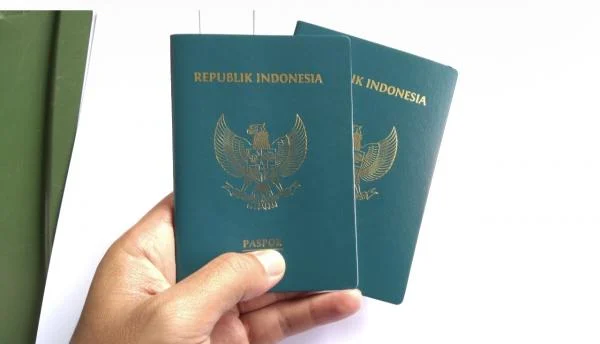
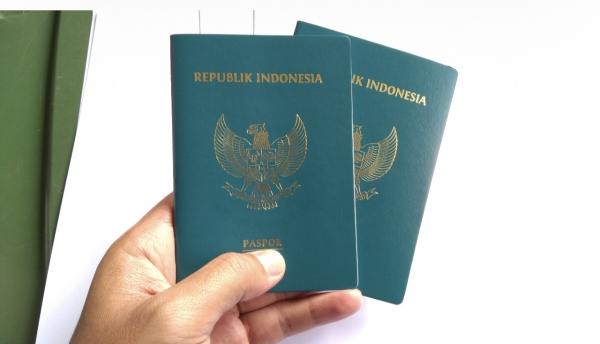
Documentation processes, such as passport procurement and visa applications, are notoriously labor-intensive. These procedures demand an uncompromising level of precision; a minor clerical error or a missing document can lead to significant delays, potentially resulting in the collapse of high-value business deals or missed attendance at pivotal global conferences. Statistics from industry analysts suggest that companies lose billions of dollars annually due to "travel friction"—a term encompassing the time wasted on administrative bureaucracy, the cost of emergency travel rebookings, and the loss of productivity when employees are preoccupied with travel logistics rather than business deliverables.
AladinTravel by Mister Aladin: A Strategic Response
To mitigate these risks, AladinTravel by Mister Aladin offers a holistic suite of services designed to handle the "heavy lifting" of corporate travel management. By outsourcing these functions to a specialized partner, companies can shift their focus toward core competencies.
The firm’s approach is multi-dimensional. At the forefront is their document management division, which provides professional guidance through the maze of international visa requirements. By ensuring that every application is meticulously prepared and verified against the latest immigration laws of destination countries, the firm minimizes the risk of rejection or delay. This service is not merely administrative; it is a risk management tool that protects a company’s operational schedule.
Beyond documentation, the service encompasses a wide range of logistical support, including:
- Corporate Logistics: Tailored arrangements for hotel bookings, flight reservations, and efficient ground transportation.
- MICE Services: Specialized handling of Meetings, Incentives, Conferences, and Exhibitions, which require complex coordination of large groups and specialized venue requirements.
- VIP Concierge: High-touch support for executive travel, ensuring seamless transit and premium service standards.
- Implant Services: The provision of an on-site expert within the client’s organization, facilitating a direct, internal bridge to external travel management resources.
Technological Integration: The Role of the ATBS
A key differentiator for AladinTravel by Mister Aladin is the AladinTravel Booking System (ATBS). In a digital-first economy, manual booking processes are increasingly obsolete. The ATBS provides corporations with a centralized, integrated platform that allows for autonomous planning and budgeting.

The implications of this system for corporate governance are significant. By digitizing the travel booking process, companies gain real-time visibility into their travel expenditure. This enables better financial control, as stakeholders can monitor, track, and approve travel budgets in real-time, preventing the "leakage" of funds that often occurs in decentralized, manual booking environments. Instant confirmation protocols further enhance the efficiency of the workflow, ensuring that plans are locked in immediately, thereby shielding the company from price fluctuations in the travel market.
Professional Support and Operational Footprint
The efficacy of a travel management company is often measured by its responsiveness. A 24/7 hotline service is an essential component of the AladinTravel model, providing an immediate safety net for business travelers navigating time zone differences or unexpected disruptions. Whether it is a delayed flight, a lost document, or an urgent change in meeting itinerary, the availability of professional support ensures that the business traveler remains supported, secure, and productive.
With an operational presence spanning major economic hubs in Indonesia—including Jakarta, Surabaya, and Bali—the company has scaled its operations to meet the needs of a diverse clientele, ranging from small-to-medium enterprises to large multinational corporations. This regional coverage ensures that clients have access to localized knowledge, which is vital when navigating specific regional travel regulations and local transport networks.
Economic Implications for Businesses
The integration of professional travel management services like those provided by AladinTravel by Mister Aladin yields clear, fact-based economic advantages. Primarily, it converts a variable and often volatile expense—the cost of travel disruption—into a predictable, managed cost.

- Increased Productivity: By offloading administrative burdens, employees can devote their transit time to preparation and post-meeting analysis, rather than troubleshooting travel logistics.
- Cost Optimization: Through bulk negotiating power and the use of the ATBS for better budgeting, companies can achieve substantial savings on flights, hotels, and ground services.
- Risk Mitigation: Professional oversight of visas and international documentation significantly reduces the risk of legal or entry-related issues that can lead to significant financial loss and reputational damage.
- Strategic Alignment: Travel becomes a strategic tool rather than an administrative burden, enabling companies to pursue market expansion with confidence.
Future Outlook and Industry Context
The global business travel sector is expected to continue its upward trajectory as industries become increasingly interconnected. However, the premium will continue to be placed on efficiency, safety, and technological agility. Companies that rely on antiquated, manual systems for travel management will likely find themselves at a competitive disadvantage, both in terms of cost and the ability to mobilize personnel at short notice.
The emergence of comprehensive service providers like AladinTravel by Mister Aladin reflects a broader trend toward the professionalization of corporate support services. By treating travel as a specialized discipline rather than an incidental task, businesses can ensure that their human capital is deployed effectively, safely, and in accordance with the fast-paced demands of the global market.
As organizations navigate the complexities of international trade and cooperation, the necessity for a reliable partner in the travel sector remains paramount. Through a combination of human expertise, 24/7 availability, and sophisticated booking technology, the firm continues to set a standard for corporate travel management in the region. For businesses aiming to optimize their global operations, the transition toward a managed travel environment is a logical, necessary step toward sustainable international growth.
For further inquiries, organizations can contact the service through their dedicated channel, ensuring that their corporate travel strategy remains agile, secure, and fully aligned with their broader commercial objectives. As the boundaries of business continue to expand, the infrastructure supporting that expansion must be equally robust, ensuring that when the world opens up, businesses are prepared to meet the opportunities it presents.
