
Exploring the spiritual landscape of Chiang Rai, located in the mountainous reaches of Northern Thailand, offers a profound insight into the cultural identity of the region. Far from being mere sites of worship, the temples of Chiang Rai serve as architectural masterpieces, repositories of intricate Thai artistry, and physical manifestations of Buddhist philosophy. A recent exploration of the province, facilitated in collaboration with Scoot airlines and supported by accommodation at the Kahavadi Chiang Rai, Curio Collection by Hilton, highlighted three distinct landmarks that define the region’s tourism profile: Wat Rong Khun (The White Temple), Wat Huay Pla Kang, and Wat Rong Suea Ten (The Blue Temple).
The Strategic Importance of Chiang Rai as a Cultural Hub
Chiang Rai has long been overshadowed by its neighbor, Chiang Mai, yet it possesses a distinct, slower-paced allure that appeals to those seeking a deeper connection with Lanna culture. The provincial capital serves as the gateway to the Golden Triangle and acts as a central hub for travelers looking to traverse the mountainous topography of Northern Thailand.
The integration of modern luxury hospitality, such as the Curio Collection by Hilton, with traditional heritage sites reflects the evolving strategy of the Tourism Authority of Thailand (TAT). By positioning Chiang Rai as a destination for "slow travel"—where visitors engage with local crafts like the Doy Din Dang Pottery or participate in traditional Muay Thai sessions—the region is successfully diversifying its economic base. Data from the Thai Ministry of Tourism and Sports indicates that Northern Thailand has seen a consistent uptick in high-value, experiential tourism, with visitors increasingly prioritizing cultural immersion over standard sightseeing.
Wat Rong Khun: A Vision of Purity and Modern Symbolism
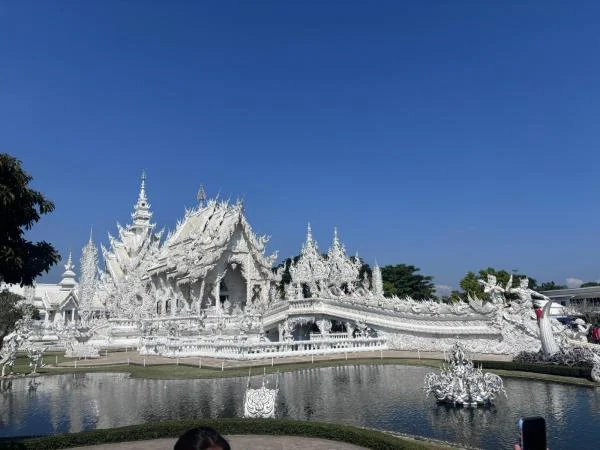
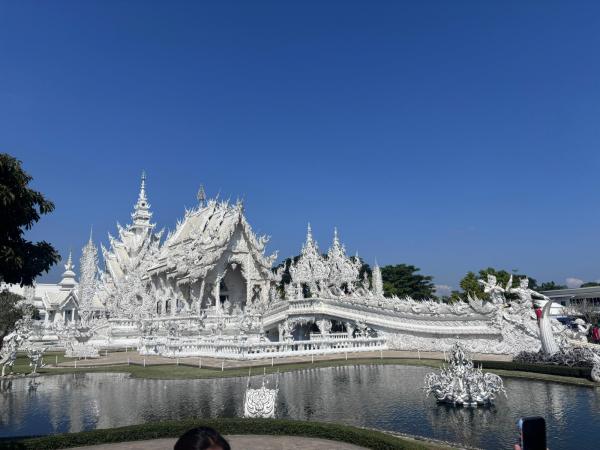
The primary highlight of any Chiang Rai itinerary is undeniably Wat Rong Khun, colloquially known as the White Temple. Located approximately 24 minutes from the city center, this site is the brainchild of the renowned Thai visual artist Chalermchai Kositpipat. Unlike traditional temples that rely on centuries-old foundations, the construction of Wat Rong Khun began in 1997 and remains an ongoing project, mirroring the artist’s dedication to creating a contemporary monument to Buddhism.
The aesthetic of the temple is deliberate; the use of white plaster and glass mosaics symbolizes the purity of the Buddha, while the reflective surfaces represent the light of wisdom. Visitors cross a bridge known as the "Cycle of Rebirth," which spans a sea of outstretched hands—a haunting representation of human desire and suffering. Upon entering the main hall, the murals shift from traditional religious iconography to modern, often jarring, depictions of contemporary pop culture and geopolitical crises, signaling that the teachings of the Buddha remain relevant in a chaotic, modern world.
Wat Huay Pla Kang: The Towering Icon of Compassion
In contrast to the stark, singular focus of the White Temple, Wat Huay Pla Kang offers a more expansive, panoramic experience. This complex is dominated by a massive 90-meter-tall statue of Guan Yin, the Bodhisattva of Compassion. Often referred to by tourists as the "Big Buddha," the statue is, in fact, a representation of the female deity of mercy, which holds deep significance for Thailand’s substantial Chinese-Thai population.
Constructed atop a hill, the site offers sweeping views of the surrounding valley. The architectural style here is a syncretic blend of Lanna and Chinese influences, characterized by intricate woodwork and vibrant colors. The interior of the statue itself is hollow, allowing visitors to ascend to an observation deck located within the forehead of the deity, providing a unique vantage point over the lush, green landscape of Northern Thailand. The site attracts thousands of pilgrims annually, serving as a critical node for religious tourism that sustains the local economy through offerings and related services.

Wat Rong Suea Ten: The Modern Blue Masterpiece
Completing the trifecta is Wat Rong Suea Ten, or the Blue Temple. While the White Temple leans toward the conceptual and the philosophical, the Blue Temple is an explosion of sensory detail. The temple was constructed on the site of an ancient, abandoned temple that had long been reclaimed by nature—legend suggests that tigers once roamed the area, hence the name "Temple of the Dancing Tigers."
The current structure, completed in 2016, features a striking interior and exterior dominated by varying shades of cobalt and sapphire, accented with gold leaf. The craftsmanship involved in the ceiling and the central Buddha statue—a pure white figure that contrasts sharply against the deep blue backdrop—demonstrates the continued evolution of Thai temple art. It is a testament to the fact that Buddhism in Thailand is a living, breathing tradition that is constantly being reinterpreted by new generations of artists.
Chronology and Logistics of the Expedition
The journey through these sites was meticulously planned to minimize travel time and maximize cultural engagement. The logistical support provided by expert guides, such as Pikul Dee, proved essential in navigating the nuances of the locations.
- Day 1: Arrival in Chiang Rai and check-in at the Kahavadi Chiang Rai. Evening briefing on the historical context of Lanna architecture.
- Day 2 (Morning): Visit to Wat Rong Khun to capture the morning light, which is essential for viewing the reflective glass mosaics.
- Day 2 (Afternoon): Transition to Wat Huay Pla Kang to observe the structure during the midday sun, followed by a visit to local artisan workshops, including the Doy Din Dang Pottery center.
- Day 3 (Morning): Visit to the Blue Temple to study the intricate mural work and the transition from ancient to modern artistic techniques.
Broader Economic and Cultural Implications
The rise of these "modern" temples has had a profound impact on the local tourism sector. While traditional, historic temples like Wat Phra Kaew remain essential for religious practice, the newer structures have successfully captured the attention of a younger, social-media-savvy demographic. This "Instagram-ability" factor has turned Chiang Rai into a must-visit destination for Gen Z and Millennial travelers, who view these sites not just as religious spaces, but as platforms for cultural photography and aesthetic exploration.

However, this influx of tourism brings challenges. Local authorities have had to balance the need for visitor accessibility with the sanctity of the sites. Regulations regarding dress codes and behavior within the temple grounds are strictly enforced, ensuring that even as the temples become global tourist icons, they remain functional spaces for monastic life and meditation.
Furthermore, the integration of these sites into the broader regional economy creates a multiplier effect. The hospitality industry, represented by luxury properties like the Curio Collection by Hilton, works in tandem with local transport providers, food vendors, and traditional craftspeople. This creates a sustainable model where tourism revenue is filtered down to the local community, provided that the growth remains managed and respectful of the region’s heritage.
Conclusion: A Synthesis of Faith and Art
The visit to Chiang Rai serves as a reminder that Thailand’s cultural wealth is not static. The temples, whether they are centuries-old relics or modern, brightly colored creations, serve as essential pillars of the local community. They provide a space where history is discussed, faith is practiced, and artistic innovation is encouraged.
As Thailand continues to promote its "soft power" through cultural tourism, Chiang Rai stands out as a prime example of how a region can honor its past while inviting the world to witness its future. For the discerning traveler, these three temples—The White, The Blue, and the statue of Compassion—offer more than just a photo opportunity; they offer a lens through which to view the enduring spirit of Northern Thailand. Whether through the reflective glass of Wat Rong Khun or the serene gaze of the Guan Yin at Wat Huay Pla Kang, the message remains clear: the heritage of Chiang Rai is vibrant, evolving, and deeply rooted in a philosophy that seeks beauty in all its forms.
