
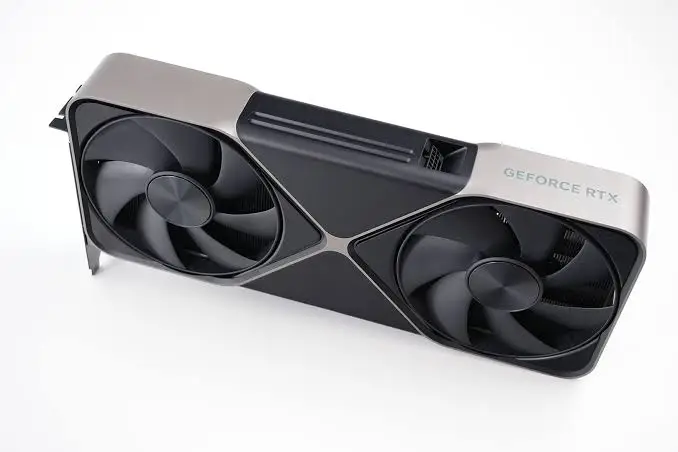
The high-end consumer graphics card market is facing a severe supply contraction, mirroring the unprecedented shortages that previously crippled availability for NVIDIA’s flagship GeForce RTX 5090. Following in the footsteps of its higher-end sibling, the GeForce RTX 5080 has begun vanishing from major retail outlets, most notably disappearing entirely from the official United States NVIDIA Marketplace. As inventory plummets across domestic and international markets, consumer prices have skyrocketed far beyond initial manufacturer-suggested retail prices (MSRP). Concurrently, industry insiders and supply chain leaks have sparked intense speculation that NVIDIA is fast-tracking a heavily revised iteration of the card, rumored to feature a massive upgrade to 24GB of video RAM (VRAM) as early as late 2026 or early 2027.
The sudden evaporation of the GeForce RTX 5080 from primary sales channels has sent shockwaves through the PC building community. Within the United States, official distribution networks administered directly by NVIDIA no longer list the standard 16GB RTX 5080, nor do they feature inventory from major board partners such as ASUS, MSI, and Gigabyte. Currently, the highest-tier graphics card available through the official US NVIDIA Marketplace is the GeForce RTX 5070 Ti, leaving a significant performance gap at the absolute pinnacle of consumer graphics hardware.
This inventory crunch closely follows the trajectory established by the RTX 5090, which first encountered critical supply constraints in October 2026. Market analysts point to a combination of unprecedented global demand for enterprise and local artificial intelligence hardware, tight silicon wafer allocations at fabrication foundries like TSMC, and structural bottlenecks in advanced packaging technologies as primary drivers for the shortfall.
The Law of Supply and Demand: Surging Prices and Scalper Markets
As physical inventory dwindles across authorized brick-and-mortar and digital storefronts, the economic implications for consumers have been severe. At its initial market launch, the GeForce RTX 5080 debuted with an MSRP of $999, positioned as the premier high-performance option for enthusiast gamers and professionals unwilling to pay the extreme premium demanded by the flagship RTX 5090.
However, current market realities bear little resemblance to launch-day pricing. In numerous third-party retail listings and secondary resale marketplaces across the United States, available units of the RTX 5080 are now commanding prices in excess of $2,000, effectively doubling the card’s original valuation. This rampant price inflation has priced many mainstream enthusiasts out of the market, turning high-end GPU acquisition into a speculative endeavor dominated by automated scalper bots and opportunistic resellers.
The situation abroad mirrors these domestic pricing pressures, though regional availability varies significantly. In Southeast Asian markets such as Indonesia, consumer tech enthusiasts face a similarly volatile landscape. Retail monitoring of prominent regional e-commerce platforms, including Shopee and Blibli, reveals that while the RTX 5080 has not completely vanished from local storefronts, acquisition costs are prohibitively high. Certain models remain listed starting at approximately IDR 34.9 million, but the vast majority of active inventory commands between IDR 40 million and IDR 50 million, depending strictly on the specific board partner, cooling solution, and factory overclocking tier. Prospective buyers in these regions are advised to exercise extreme caution, carefully verifying seller ratings and cross-referencing prices across multiple retailers to avoid predatory markups.
The Rumored RTX 5080 24GB Refresh: Timeline and Specifications
Amidst the worsening shortage of the existing 16GB variant, supply chain reports originating from board partner ecosystems indicate that NVIDIA is actively preparing a substantial hardware revision. Rumors point to the impending release of a GeForce RTX 5080 equipped with 24GB of VRAM—representing a massive 50% capacity increase over the current 16GB model.
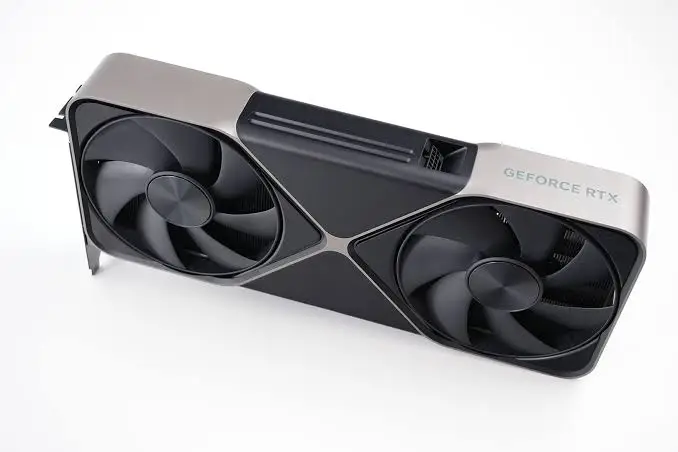
Industry trackers suggest that this new iteration could see an official announcement and commercial rollout as early as December 2026 or January 2027. Underlying these rumors are reports that NVIDIA has nearly exhausted its stock of original RTX 5080 16GB GPUs, with remaining distributor inventories estimated to last for only approximately two more months. This rapid clearance of legacy silicon strongly aligns with corporate strategies typically observed during mid-generation hardware refreshes or comprehensive product line restructurings.
At present, hardware analysts are divided on how NVIDIA will brand this high-capacity variant. It remains unconfirmed whether the incoming card will adopt the traditional "SUPER" moniker to distinguish it from its predecessor or if it will be introduced as an entirely distinct SKU featuring a recalibrated memory bus and altered power draw characteristics. NVIDIA has maintained a strict silence, declining to issue official statements regarding the veracity of the 24GB rumors or the underlying reasons for the ongoing 16GB supply constraints.
Technical Implications: Gaming at Extreme Settings and Local AI Workloads
The potential introduction of a 24GB VRAM buffer on a high-end performance tier traditionally reserved for 16GB configurations carries profound technical and practical implications for both gamers and enterprise-adjacent professionals.
In the realm of high-resolution PC gaming, modern titles are increasingly demanding immense frame buffers. Running next-generation video games at native 4K resolutions with path tracing, ray tracing, and uncompressed high-resolution texture packs frequently pushes 16GB GPUs to their absolute limits, occasionally resulting in stuttering or frame drops due to memory swapping. A 24GB allocation would effectively future-proof the hardware, ensuring seamless performance across the most graphically intensive AAA titles slated for release over the next several years.
Beyond gaming, however, the primary driver for high-capacity VRAM in consumer hardware is the exponential growth of local artificial intelligence development and execution. With consumer interest in running Large Language Models (LLMs) and diffusion models locally surging, hardware requirements have shifted dramatically. A 24GB VRAM capacity threshold is widely considered a crucial sweet spot for developers and power users, enabling the local execution and fine-tuning of quantized AI models containing up to 27 billion parameters without requiring expensive enterprise-grade accelerator cards like the NVIDIA Hopper or Blackwell data center series. By doubling the memory headroom on a more accessible enthusiast-tier card, NVIDIA could effectively capture a massive segment of prosumers, data scientists, and hobbyist AI researchers currently priced out of the workstation market.
Broader Industry Impact and Market Outlook
The unfolding crisis surrounding the GeForce RTX 5080 underscores the delicate balance of the global semiconductor supply chain and highlights the shifting priorities of major hardware manufacturers. As high-performance graphics silicon becomes increasingly intertwined with the infrastructure demands of the artificial intelligence boom, consumer hardware availability faces unprecedented structural volatility.
For the average consumer, the immediate outlook remains challenging. With standard 16GB inventory vanishing from official retail channels and secondary market prices remaining artificially inflated, potential buyers face a difficult choice: pay exorbitant markups for current-generation hardware, settle for lower-tier alternatives like the RTX 5070 Ti, or wait in anticipation of the rumored 24GB refresh.
If NVIDIA indeed moves forward with a late 2026 or early 2027 launch for the RTX 5080 24GB, the company will have a narrow window to ensure adequate supply volumes to prevent a repeat of the scalper-dominated launches that have plagued the entire RTX 50-series generation. Until official confirmation and concrete regional pricing details are released by NVIDIA and its primary board partners, the high-end graphics card market will likely remain in a state of high uncertainty, characterized by tight supplies, elevated pricing, and intense speculation among hardware enthusiasts worldwide.
