The Origins and Artistic Philosophy of Doy Din Dang
The genesis of Doy Din Dang Pottery is inextricably linked to the vision of its founder, Somluk Pantiboon. A master ceramicist, Pantiboon returned to his native Chiang Rai after honing his skills under the tutelage of renowned Japanese potters. His mission was not merely to replicate established styles but to integrate the spirit of Northern Thailand—the "Land of the North"—into his work. The name "Doy Din Dang" translates roughly to "Red Earth Mountain," a nod to the rich, mineral-heavy soil of the region which serves as the primary raw material for his creations.
Unlike mass-produced ceramics that prioritize uniformity and machine-like precision, Pantiboon’s philosophy centers on the Japanese concept of wabi-sabi, which finds beauty in transience and imperfection. Every piece produced at the workshop—whether a utilitarian bowl, a delicate tea set, or a large-scale sculptural vase—reflects the unique character of the clay and the spontaneous influence of the wood-fired kiln. The kiln, a central feature of the site, is often fired for several days, during which the unpredictable dance of ash and flame creates the signature glazes that collectors travel from across the globe to acquire.
A Transformation into a Cultural Landmark
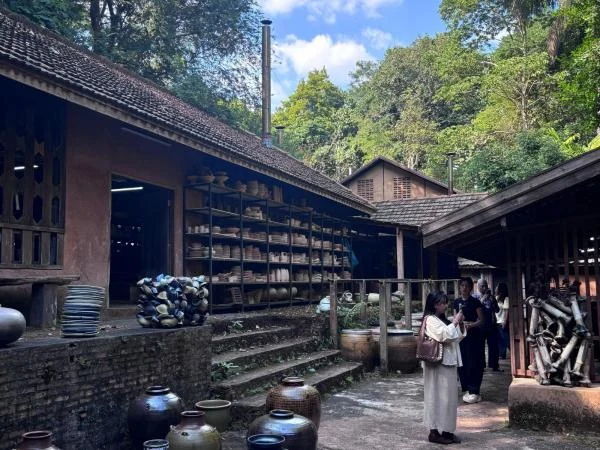
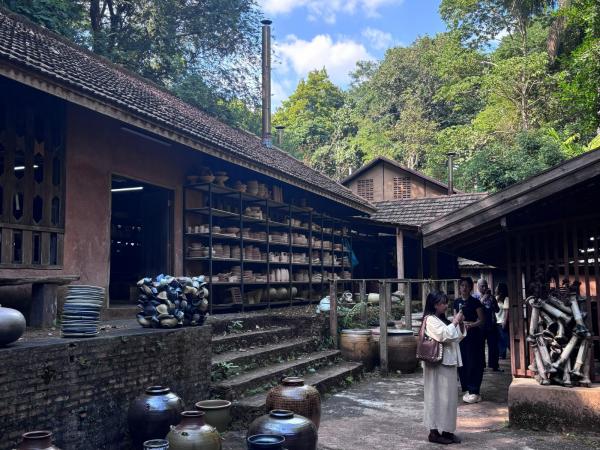
Over the past three decades, Doy Din Dang has evolved from a quiet studio into an expansive, multifaceted destination. The architecture of the site itself is a testament to sustainable design, utilizing local materials and blending seamlessly into the surrounding forest. The structures are characterized by an earthy, rustic elegance that encourages visitors to slow down and appreciate the process of creation.
For the modern traveler, particularly the younger demographic, the site offers an immersive experience. It is no longer just a place to purchase goods; it is a space for visual storytelling. In an era dominated by digital engagement, the tactile nature of pottery provides a stark, refreshing contrast. The interplay of natural light against the matte finishes of the ceramic pieces, combined with the verdant backdrop of Chiang Rai, has made it a premier destination for social media content creators, architects, and art students alike.
Chronology of Influence
The rise of Doy Din Dang as a tourist and cultural destination did not happen overnight. Its trajectory can be categorized into three distinct phases:
- The Formative Years (1990s): During this period, the focus was entirely on mastering the technical aspects of high-fire ceramics and establishing a market presence. The workshop gained initial acclaim among connoisseurs of craft who valued the experimental nature of Pantiboon’s glazing techniques.
- The Expansion and Integration Phase (2000s–2010s): As tourism in Northern Thailand flourished, the site began to formalize its visitor experience. The addition of a gallery, a café, and landscaped gardens transformed the workshop into a holistic destination, attracting not just collectors but also casual sightseers.
- The Digital Renaissance (2020s–Present): With the advent of platforms like Instagram and TikTok, the visual aesthetic of the workshop—characterized by its raw textures and sophisticated color palette—went viral. This era marked a shift toward Doy Din Dang being recognized as a site of "aesthetic production," where the environment itself is as much an artwork as the ceramics it houses.
The Intersection of Art and Tourism: Economic Implications
The success of Doy Din Dang serves as a case study for the broader implications of "craft tourism" in Southeast Asia. According to regional economic data, the artisanal sector in Northern Thailand has seen a significant uptick in revenue as tourists shift away from traditional souvenir shopping toward "experience-based" tourism. By offering visitors a glimpse into the firing process and the ability to interact with the artisans, the workshop has increased the perceived value of its goods.
This shift has direct economic benefits for the local community. By sourcing raw materials locally and training residents in ceramic arts, the workshop contributes to the preservation of indigenous craft traditions while providing a stable livelihood. Analysts from the Thailand Tourism Board have noted that such destinations help in diversifying the country’s tourism offerings, reducing the burden on overly crowded urban centers by directing interest toward the serene, creative hubs of the North.
Crafting the Modern Narrative
When visiting the site, the atmosphere is distinctly different from the high-energy, bustling night markets of Bangkok or the beach resorts of the south. The silence of the workshop is broken only by the hum of the pottery wheel and the distant rustle of trees. For the youth of today, who are increasingly disconnected from the physical labor of manufacturing, this site serves as a vital touchpoint for understanding the value of manual labor.
In discussions with local tourism representatives, it is often highlighted that the appeal of Doy Din Dang lies in its authenticity. In an age where mass-market, "fast furniture" and home decor dominate the global economy, the longevity and character of handmade ceramics act as a counter-narrative. Each piece carries the history of its maker, the chemical composition of the regional earth, and the specific atmospheric conditions of the kiln on the day it was fired.
Analysis of the Aesthetic Experience
The photography-friendly nature of the site is not a byproduct of design, but rather a result of the architect’s deep understanding of space and light. The placement of display racks, the use of shadows in the gallery, and the integration of water features all contribute to a visual rhythm that is naturally "Instagrammable." However, this does not detract from the artistic seriousness of the institution. Rather, it acts as a gateway; a visitor may arrive for the aesthetic photo, but they leave with an appreciation for the labor-intensive process behind the object.
Furthermore, the site’s ability to remain relevant across generations is a feat of adaptive management. By hosting workshops and keeping the gallery updated with contemporary forms, the management ensures that the brand remains fresh while honoring its traditional roots.
Broader Impact on Thailand’s Creative Economy
The success of such artisanal centers has prompted a broader conversation regarding the role of "Cultural Creative Clusters" in Thailand’s economic development plan. The government has increasingly looked toward supporting these decentralized creative hubs to stimulate local economies. The impact of Doy Din Dang is felt beyond its immediate vicinity; it sets a benchmark for quality and branding that other local artisans are encouraged to follow.
Furthermore, the global recognition of Thai ceramics, bolstered by places like Doy Din Dang, has helped position Thailand as a significant player in the international design market. High-end retailers in Europe and Japan now frequently collaborate with Northern Thai studios, viewing the region as a hotbed of authentic, high-quality artisanal production.
Conclusion: A Legacy in Clay
Doy Din Dang Pottery stands as a poignant reminder that beauty and commerce can coexist without compromising the integrity of art. As Chiang Rai continues to grow as a cultural epicenter, the workshop remains a pillar of the community, offering a quiet, contemplative space that rewards those who take the time to look closely. It is a testament to the idea that even in a rapidly digitizing world, there is an enduring, primal human need for objects that are shaped by hand, fired by flame, and born from the earth. For the traveler seeking to understand the soul of Northern Thailand, a visit to this sanctuary of red earth is not just recommended—it is essential. The enduring popularity of the site, evidenced by its consistent presence in travel guides and social media feeds, ensures that the legacy of Doy Din Dang will continue to be fired in the kilns of Chiang Rai for generations to come.