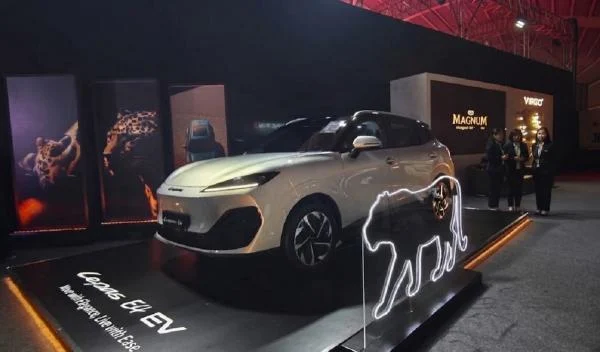
The convergence of automotive engineering and haute couture has reached a new zenith as the Chinese automotive manufacturer Lepas made a striking appearance at Jakarta Fashion Week (JFW) 2027. Moving beyond traditional marketing paradigms, the brand sought to position its vehicles not merely as modes of transportation, but as extensions of personal identity and lifestyle. By collaborating with renowned Indonesian fashion designers Danjyo Hiyoji and Othman, Lepas successfully bridged the gap between mechanical precision and textile fluidity, marking a significant evolution in how global automotive brands interact with local creative ecosystems.
The Evolution of Lifestyle Branding in the Automotive Sector
For decades, the automotive industry was primarily defined by technical specifications: horsepower, torque, fuel efficiency, and safety ratings. However, the modern consumer landscape has shifted dramatically toward experiential branding. Today, a vehicle’s exterior silhouette, interior material quality, and ambient lighting are scrutinized as closely as its engine performance. This paradigm shift mirrors the fashion industry, where the value of a garment is often derived from the narrative, cultural context, and aesthetic expression it provides the wearer.
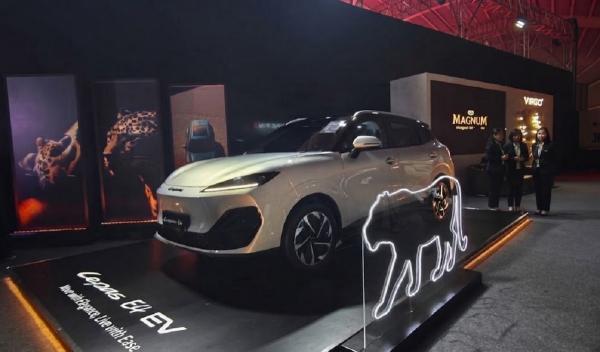
Lepas’s strategic entry into JFW 2027 is a calculated move to capitalize on this intersection. By presenting their latest models within the framework of a runway show, the company signaled that its design language—characterized by sharp, aerodynamic lines and minimalist cabin aesthetics—is as relevant in a fashion context as it is on the highway. This approach acknowledges that for many urban professionals, a car is a wearable accessory, an item that complements one’s wardrobe and social status.
A Fusion of Design Philosophies: The Collaboration
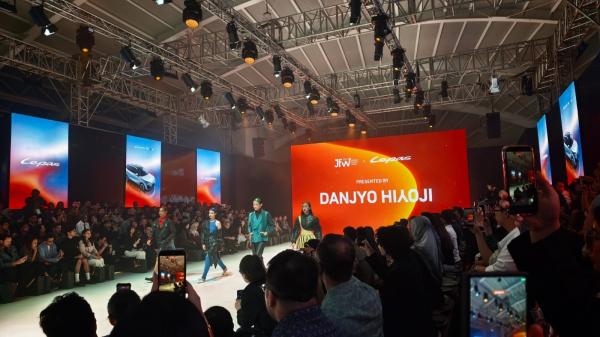
The collaboration between Lepas, Danjyo Hiyoji, and Othman represented a cross-pollination of disciplines. Danjyo Hiyoji, known for their urban, street-style-inspired aesthetic, focused on how the kinetic energy of a vehicle in motion can be translated into silhouettes. Conversely, Othman’s contribution leaned into structural minimalism, mirroring the clean, futuristic surfaces often found in the latest Lepas electric vehicle prototypes.
During the exhibition, the models did not simply walk around the vehicles; they interacted with them, utilizing the car’s doors, trunks, and interior seating as integral components of the choreography. This performance served to humanize the brand. By placing the vehicle in a high-fashion environment, Lepas successfully demonstrated that their design philosophy—which prioritizes ergonomics and visual harmony—is inherently compatible with the high-stakes world of avant-garde design.
Jakarta Fashion Week 2027: A Global Stage
Jakarta Fashion Week (JFW) has historically served as the preeminent platform for Southeast Asian designers to reach global markets. By securing a presence at the 2027 iteration of the event, Lepas has tapped into a highly engaged, design-conscious demographic. The automotive sector in Indonesia has seen a steady transition toward lifestyle-oriented purchasing, particularly among the Gen Z and Millennial cohorts who prioritize aesthetics and sustainability.
Historically, the involvement of non-fashion brands in JFW has been limited to sponsorship roles. However, the Lepas initiative represents a departure from this trend. Instead of merely placing logos on banners, the brand integrated itself into the creative process. This reflects a broader industry trend where companies seek "brand alignment" rather than mere "brand awareness." For Lepas, the goal was to associate the brand with the prestige, innovation, and cultural relevance of the fashion industry.

Official Perspectives and Future Implications
Temmy Wiradjaja, Vice Country Director of Lepas Indonesia, emphasized the strategic importance of this crossover during the event. "Desain selalu menjadi bagian penting dari karakter Lepas," Wiradjaja noted, asserting that the brand views itself as a contributor to the broader cultural fabric of Indonesia. He further explained that the decision to participate in JFW 2027 was driven by a desire to explore how automotive design can serve as a medium for artistic expression, effectively inviting the public to view their machines through a more emotive lens.
Analysts monitoring the automotive industry suggest that this move is a harbinger of future marketing strategies for emerging Chinese automotive brands in Southeast Asia. As these brands struggle to overcome legacy perceptions of being purely utility-focused, creative collaborations serve as a powerful tool for brand repositioning. By embedding themselves within local culture, these companies can build the brand equity necessary to compete with established Japanese and European manufacturers who have dominated the market for decades.
Market Dynamics and Consumer Behavior
The automotive market in Indonesia is currently undergoing a structural shift. According to recent industry data, there is a marked increase in demand for vehicles that offer customizable aesthetics. While performance remains a baseline expectation, the "emotional design" of a vehicle is increasingly becoming the deciding factor for purchase among the middle and upper-middle classes.
Furthermore, the integration of technology into fashion—often referred to as "wearable tech"—complements the rise of "smart vehicles." As Lepas continues to integrate advanced connectivity and autonomous features into its fleet, these cars function as mobile digital hubs. Aligning with the fashion industry, which is also increasingly tech-forward, allows the brand to speak a language that resonates with the modern, connected consumer.

The Impact on the Indonesian Fashion Industry
From the perspective of the local fashion industry, the involvement of a major automotive player like Lepas provides both financial stability and exposure to new creative challenges. Collaborations of this nature allow designers like Danjyo Hiyoji and Othman to access resources that might otherwise be unavailable. It encourages a multidisciplinary approach to design, where the constraints of vehicle engineering push fashion designers to think about durability, structure, and materials in innovative ways.
This partnership also brings a wider audience to JFW. The inclusion of automotive enthusiasts in the fashion ecosystem creates a unique synergy that benefits both sectors. As the lines between different creative industries continue to blur, such collaborations will likely become more frequent, setting a new standard for how corporations engage with the arts.
Strategic Outlook: Beyond the Runway
Looking ahead, the success of the Lepas activation at JFW 2027 will likely be measured by brand sentiment metrics and potential increases in pre-order interest for their new model lines. If the activation proves effective, it is highly probable that other automotive brands will seek to emulate this strategy, potentially leading to a permanent "automotive-meets-lifestyle" track within future iterations of Jakarta Fashion Week.
The broader implication is that the definition of an automotive company is expanding. A car manufacturer is no longer just a builder of hardware; it is becoming a lifestyle brand that curates experiences. Whether through fashion collaborations, tech-integrated showrooms, or immersive art installations, the objective is to create a holistic identity that consumers want to be a part of.
As the automotive sector moves toward an electrified and digitized future, the importance of aesthetic identity will only grow. In a world where vehicle performance is becoming increasingly standardized due to electric powertrains, the differentiator will be the brand’s ability to communicate, inspire, and integrate into the daily lives of its users. Lepas has taken a significant step in this direction, proving that in the modern market, the most successful brands are those that can effectively traverse the boundary between the mechanical and the aesthetic.
In conclusion, the collaboration between Lepas and the fashion designers at JFW 2027 serves as a testament to the evolving nature of luxury and utility. By prioritizing design as a central pillar of their identity, Lepas has not only enhanced its own brand perception but has also contributed to a more dynamic, multidisciplinary approach to industrial design in Indonesia. As the dust settles on the runway, the impact of this unique convergence will continue to be felt, influencing future design trends and marketing strategies across both the automotive and fashion sectors. The road ahead for these industries appears increasingly intertwined, promising a future where our vehicles and our wardrobes speak the same language of innovation and individual style.