
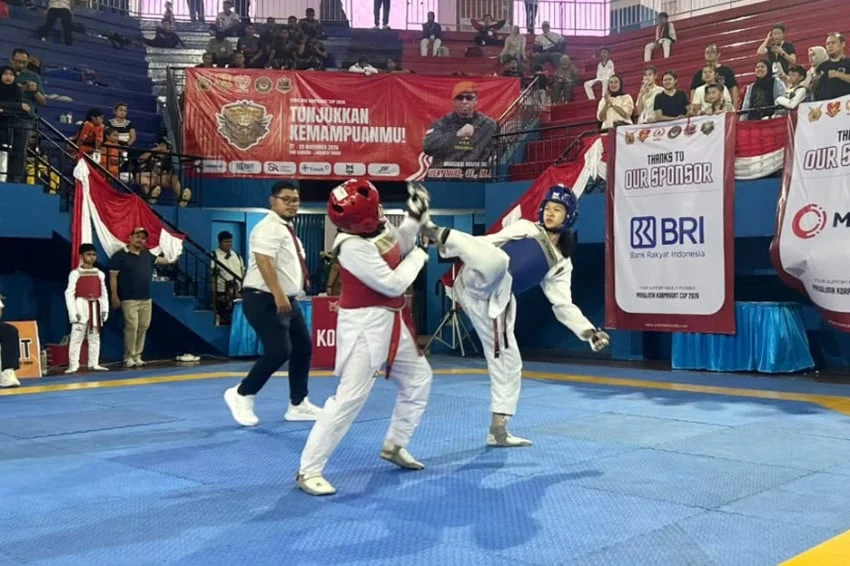
The event, which serves as a pivotal cornerstone for the development of martial arts in Indonesia, brought together 1,403 athletes from across the archipelago. Hosted at the GOR Ciracas in East Jakarta, the competition represents a significant milestone in the national sports calendar, emphasizing not only the physical prowess of the participants but also the strategic development of taekwondo infrastructure under the auspices of the Korpasgat (Indonesian Air Force Special Operations Command).
A Strategic Venue for National Development
The selection of GOR Ciracas as the host site highlights the growing need for specialized facilities that can accommodate large-scale combat sports events. Spanning three days from November 27 to November 29, 2026, the Panglima Korpasgat Cup is designed to test the technical capabilities, tactical acumen, and psychological resilience of Indonesia’s emerging taekwondo talent.
The scale of this year’s participation—over 1,400 athletes—underscores the surging popularity of the sport within the country. Taekwondo, a martial art that emphasizes speed, agility, and precise kicking techniques, has become a primary vehicle for character building among Indonesian youth. The tournament serves as an essential proving ground where practitioners transition from localized training environments to a high-pressure, national-level competitive stage.
Chronology and Event Structure
The tournament unfolded over a rigorous 72-hour schedule, meticulously organized to allow for multiple weight classes and age-group categories, ranging from junior divisions to elite senior levels.
- November 27, 2026 (Opening and Preliminary Rounds): The event commenced with an opening ceremony that underscored the synergy between military discipline and athletic excellence. Following the formal proceedings, the preliminary rounds began, focusing on both Poomsae (patterns) and Kyorugi (sparring).
- November 28, 2026 (Quarter-finals and Semi-finals): As the field of competition narrowed, the intensity in the arena increased. This phase served as a crucial assessment point for coaches and scouts to identify athletes who demonstrated consistent technical execution under fatigue.
- November 29, 2026 (Finals and Closing): The concluding day focused on the gold-medal bouts, serving as the climax of the tournament. The event concluded with an award ceremony, celebrating not just the victors, but the spirit of sportsmanship that defines the taekwondo community.
The Role of Corporate Partnership: MIND ID
A defining feature of the 2026 iteration of the Panglima Korpasgat Cup is the strategic collaboration between the event organizers and PT Mineral Industri Indonesia (Persero), commonly known as MIND ID. Corporate involvement in grassroots sports development is increasingly vital in the Indonesian landscape, providing the necessary financial and logistical support to ensure that tournament standards meet international requirements.
In a formal statement released on November 28, 2026, representatives from MIND ID noted that the sponsorship is a deliberate effort to foster a culture of achievement among the younger generation. By alleviating the financial burden of large-scale event management, corporate partners allow organizers to focus on the quality of officiating, safety protocols, and the overall experience for the athletes. This partnership reflects a broader trend in Indonesia, where state-owned enterprises are aligning their Corporate Social Responsibility (CSR) initiatives with the nation’s long-term sporting ambitions.
Analysis of the Competitive Landscape
The significance of the Panglima Korpasgat Cup extends beyond the individual medals awarded. It serves as a diagnostic tool for the state of Indonesian taekwondo. With the country having previously achieved success on the international stage—including recent victories in Poomsae team events—maintaining a steady pipeline of talent is essential.
Data from the event indicates a high level of geographic diversity, with participants hailing from urban centers and rural provinces alike. This democratization of the sport is crucial for national federations to identify talent that might otherwise remain undiscovered. The tournament allows observers to measure the efficacy of regional training programs against the centralized standards upheld by national coaches.
Furthermore, the integration of military-led initiatives—such as those by the Korpasgat—into the civilian sports ecosystem provides a unique environment characterized by high levels of discipline and respect for hierarchy. This environment is particularly conducive to the cultivation of the "taekwondo spirit," which emphasizes perseverance, self-control, and integrity alongside athletic performance.
Implications for the Future of Indonesian Sports
The success of the 2026 Cup sets a precedent for how future martial arts competitions should be structured. The implications of this event are threefold:
- Increased Professionalization: By adhering to stringent international competition standards, local organizers are preparing Indonesian athletes for the demands of Asian Games and Olympic-level competition. The systematic recording and analysis of match data during the tournament provide coaches with actionable insights for long-term athlete development (LTAD).
- Infrastructure and Logistics: The ability to host over 1,400 athletes successfully highlights the operational maturity of the organizing committee. This experience is transferable to the hosting of regional or international championships, bolstering Indonesia’s reputation as a reliable destination for global sporting events.
- Socio-Economic Contribution: Beyond the arena, the movement of thousands of athletes, trainers, and families into East Jakarta provides a tangible economic stimulus. The collaboration with MIND ID underscores the viability of the "sports-economy" model, where industrial leaders recognize the value of investing in human capital through sports.
Challenges and Looking Ahead
While the tournament was widely regarded as a success, the challenges inherent in managing such a high volume of participants cannot be overlooked. Ensuring equitable judging, maintaining strict health and safety standards, and coordinating the logistics for athletes traveling from remote areas remain the primary concerns for organizers.
Looking ahead, the organizers and the stakeholders involved, including the Ministry of Youth and Sports, are expected to utilize the data gathered from the 2026 Cup to refine training methodologies for the coming year. The emphasis will likely remain on integrating advanced sports science, nutrition, and mental health support into the training regimens of the medalists identified during the tournament.
The Panglima Korpasgat Cup 2026 has effectively served as a microcosm of the potential inherent in the Indonesian youth. By providing a platform for competition, it has reinforced the values of resilience and discipline that are the bedrock of taekwondo. As the final results are tabulated and the athletes return to their respective training centers, the legacy of this tournament will be seen in the improved standards of performance in upcoming national and international trials.
In conclusion, the event at GOR Ciracas was more than just a series of matches; it was a comprehensive demonstration of the health and vitality of the Indonesian taekwondo ecosystem. Through the combined efforts of the military, the private sector, and the athletic community, the Panglima Korpasgat Cup 2026 has successfully moved the needle forward, ensuring that the next generation of Indonesian martial artists is better prepared, more experienced, and more motivated than ever before. As the nation looks toward future global challenges, the lessons learned and the connections forged in Jakarta will undoubtedly serve as the foundation for the next wave of Indonesian champions on the international podium.
