
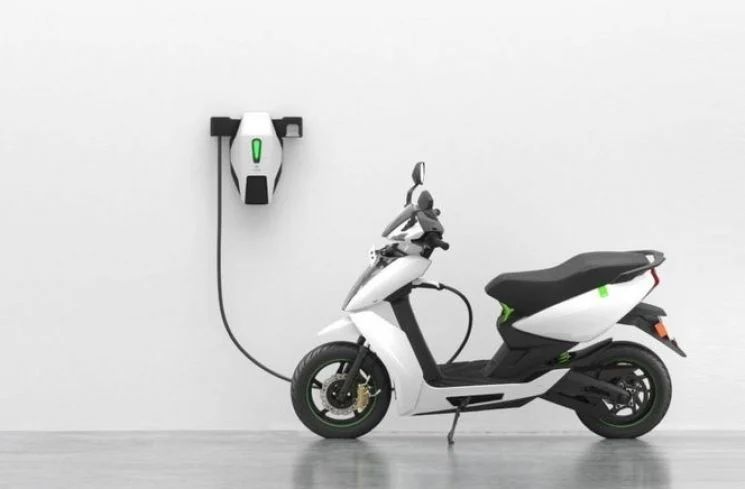
The rapid transition toward sustainable urban mobility has propelled electric motorcycles from a niche enthusiast market into a mainstream transportation alternative. As environmental regulations tighten and fuel prices remain volatile, a growing segment of the population is considering the shift from internal combustion engine (ICE) vehicles to electric two-wheelers. However, the transition involves more than just a change in propulsion technology; it requires a fundamental shift in how consumers perceive maintenance, charging infrastructure, and long-term vehicle utility. For the uninitiated, the process of purchasing an electric motorcycle demands a rigorous evaluation of technical specifications and personal commuting patterns to ensure that the investment yields long-term satisfaction rather than operational frustration.
The Evolution of the Electric Two-Wheeler Market
The global market for electric motorcycles has seen a meteoric rise, particularly within emerging economies in Southeast Asia, where the high density of two-wheeled vehicles makes electrification a primary pillar of carbon reduction strategies. In Indonesia, for instance, the government has set ambitious targets to reach net-zero emissions by 2060, with the transportation sector serving as a critical battleground. Legislative support, including purchase subsidies and tax incentives, has accelerated the adoption rate, turning electric motorbikes from expensive novelties into competitive daily drivers.
Data from the Indonesian Ministry of Energy and Mineral Resources indicates that the number of electric vehicle registrations has surged by over 40% annually since 2021. This growth is driven by the entry of both established automotive giants and agile startups, creating a diverse landscape of options. However, this diversity can be overwhelming for the first-time buyer. Unlike traditional gasoline-powered motorcycles, where power and performance metrics are standardized, electric vehicles introduce new variables such as kilowatt-hour (kWh) ratings, battery chemistry, and proprietary charging protocols.
Mapping Your Commute: The Range Reality
The most frequent pitfall for new electric motorcycle owners is a mismatch between the vehicle’s battery capacity and the user’s daily commute. While manufacturers often advertise a "maximum range" based on optimal laboratory conditions—such as constant low speed on flat surfaces—the real-world performance is significantly influenced by variables such as road incline, the weight of the rider, and traffic density.
To make an informed decision, a buyer must conduct a granular analysis of their daily route. If a commuter travels 40 kilometers per day, selecting a motorcycle with a nominal range of 45 kilometers is an operational risk. Factors such as "range anxiety"—the psychological stress associated with a dwindling battery charge—can be mitigated by selecting a vehicle with at least a 30% buffer above one’s maximum anticipated daily distance. Industry analysts suggest that buyers should also consider the impact of "depth of discharge" (DoD). Frequently draining a lithium-ion battery to 0% can accelerate chemical degradation, shortening the lifespan of the most expensive component of the vehicle.
Battery Chemistry and Lifecycle Management
The battery serves as the heart of the electric motorcycle, accounting for approximately 30% to 50% of the total vehicle cost. Understanding battery technology is, therefore, the most vital aspect of the purchase decision. Currently, the market is dominated by Lithium-Nickel-Manganese-Cobalt (NMC) and Lithium Iron Phosphate (LFP) chemistries.
LFP batteries are increasingly favored for their thermal stability and longer cycle life, although they generally carry more weight. Conversely, NMC batteries offer higher energy density, making them ideal for performance-oriented motorcycles where weight is a critical factor. Prospective buyers should prioritize models that offer modular or swappable battery systems. The swappable battery ecosystem allows riders to exchange depleted batteries at designated kiosks, effectively neutralizing the time-consuming process of static charging. This infrastructure model, supported by major conglomerates and government initiatives, is currently transforming urban logistics and individual commuting.
Charging Infrastructure: Bridging the Gap
The logistical transition to electric mobility relies heavily on the accessibility of charging infrastructure. Before finalizing a purchase, the buyer must verify the availability of "Level 1" or "Level 2" charging setups at their primary residence or place of employment. While domestic charging via a standard 220V wall outlet is possible, it is often slow and requires a dedicated circuit to prevent tripping the household electrical system.
Market reports indicate that urban centers are rapidly expanding their public charging networks. However, dependence on public stations should be a secondary strategy. The ideal ownership experience involves overnight charging at home, ensuring the motorcycle is ready for use every morning. Prospective buyers living in high-rise apartments or areas without private garages face unique challenges, necessitating an investigation into whether the motorcycle’s battery is portable enough to be brought inside for charging.
The Dynamics of Electric Performance
A critical distinction between ICE motorcycles and electric counterparts is the torque delivery. Electric motors provide 100% of their torque instantly from a standstill, resulting in an acceleration curve that is significantly sharper and more immediate than that of a combustion engine. For a rider accustomed to the gradual power buildup of a gasoline engine, this immediate response can be jarring.
A comprehensive test ride is mandatory. During the trial, the rider should specifically evaluate the "regen" (regenerative braking) intensity. Most modern electric motorcycles use the motor as a generator when the throttle is released, which acts as a secondary braking system. Testing how this system feels—whether it is aggressive and jerky or smooth and predictive—is essential for safe handling in heavy traffic. Furthermore, the weight distribution of an electric motorcycle, often concentrated in the floorboard area due to the battery pack, provides a lower center of gravity, which generally enhances cornering stability.
Safety Features and Digital Integration
The modernization of the motorcycle industry has brought advanced telematics to the forefront. When evaluating models, buyers should prioritize units equipped with integrated GPS tracking, which serves as a vital anti-theft measure. In many urban markets, the resale value of an electric motorcycle is intrinsically linked to its "connected" status.
Safety systems such as Combined Braking Systems (CBS) or Anti-lock Braking Systems (ABS) are non-negotiable. Given the high-torque nature of electric motors, the risk of wheel spin during initial acceleration is higher than in low-displacement gasoline bikes. Traction control systems, though currently found mostly in premium segments, are highly recommended for riders who frequently traverse wet or slippery road surfaces.
The Long-Term Economic Impact
Critics often point to the high initial purchase price of electric motorcycles as a barrier. However, a total-cost-of-ownership (TCO) analysis reveals a different narrative. Electric vehicles have significantly fewer moving parts than internal combustion engines; there are no oil changes, no spark plugs, no air filters, and no complex transmission systems to service.
Over a five-year ownership cycle, the savings on fuel (electricity costs vs. gasoline prices) and routine maintenance typically offset the higher upfront cost. Moreover, as battery recycling programs and secondary-life battery markets mature, the residual value of these vehicles is expected to stabilize, further incentivizing long-term adoption.
Official Perspectives and Future Outlook
Industry stakeholders and regulatory bodies suggest that the market is currently in a "consolidation phase." Major manufacturers are moving away from lead-acid batteries toward standardized lithium-ion packs, and the government is increasingly enforcing safety standards for imported electric components.
"The transition is not merely about replacing an engine with a motor," notes a spokesperson for an automotive industry advocacy group. "It is about building an ecosystem where battery safety, disposal, and charging reliability are standardized. Consumers are the final check in this system; by demanding quality, they force the market to mature."
As the landscape evolves, the responsibility rests with the buyer to conduct due diligence. By focusing on battery health, charging logistics, and the specific nuances of electric power delivery, first-time buyers can ensure their transition to electric mobility is both seamless and sustainable. The era of the electric motorcycle has arrived, and for those who approach it with an analytical mindset, the benefits of cleaner, quieter, and more efficient transportation are well within reach.
