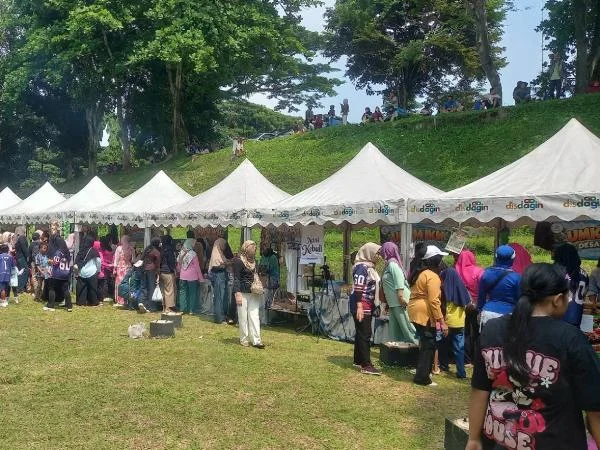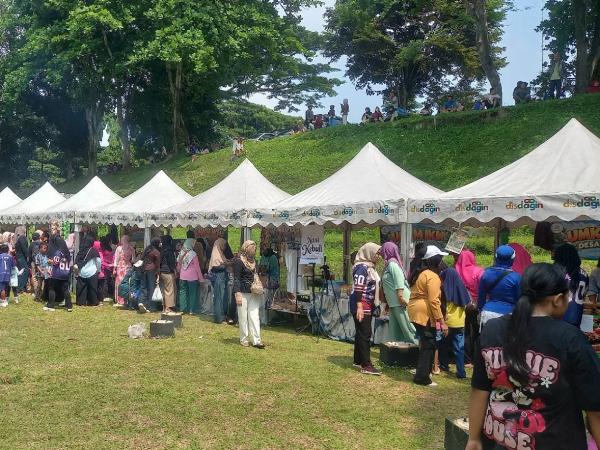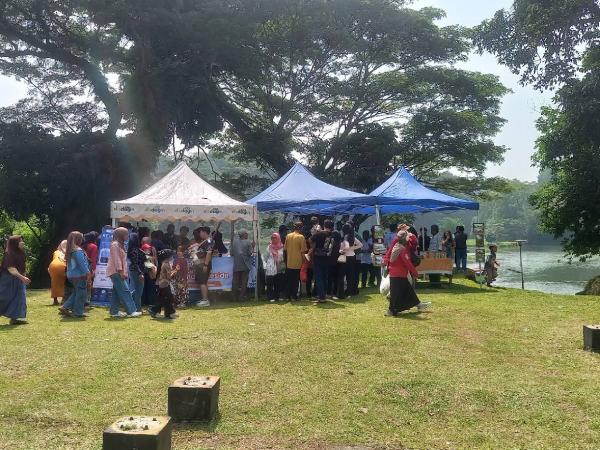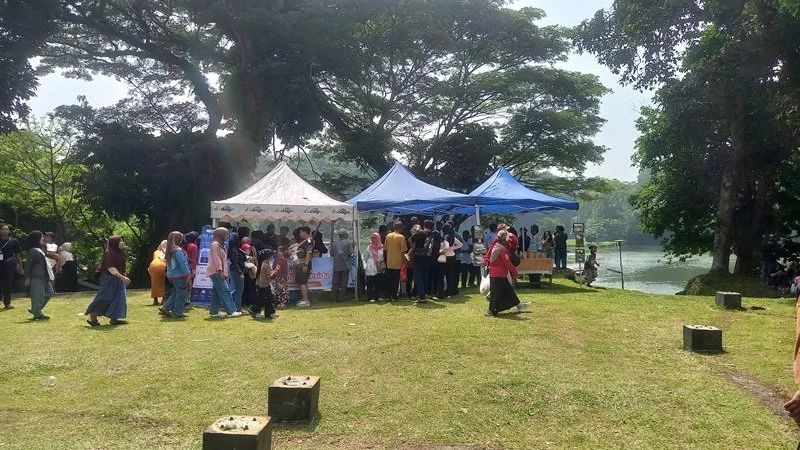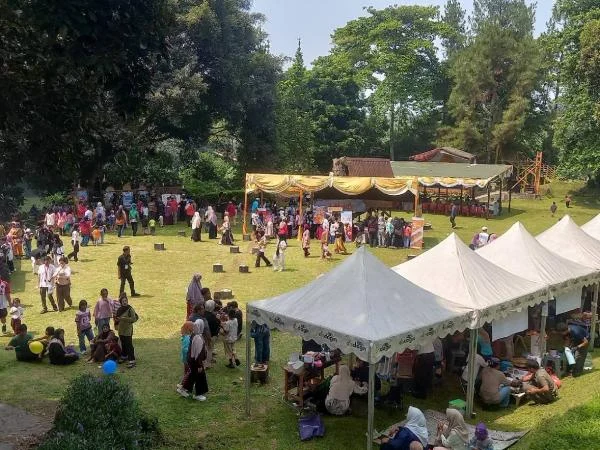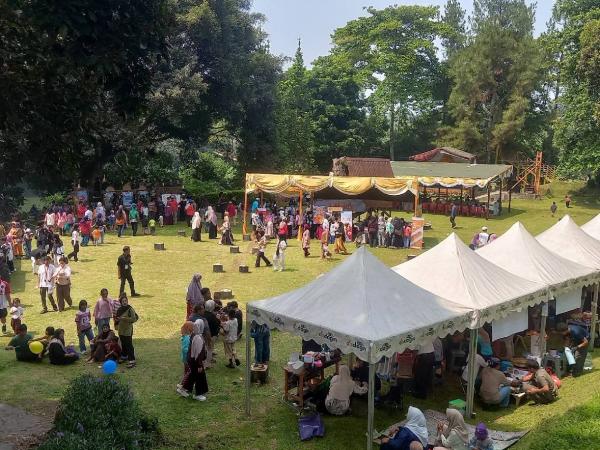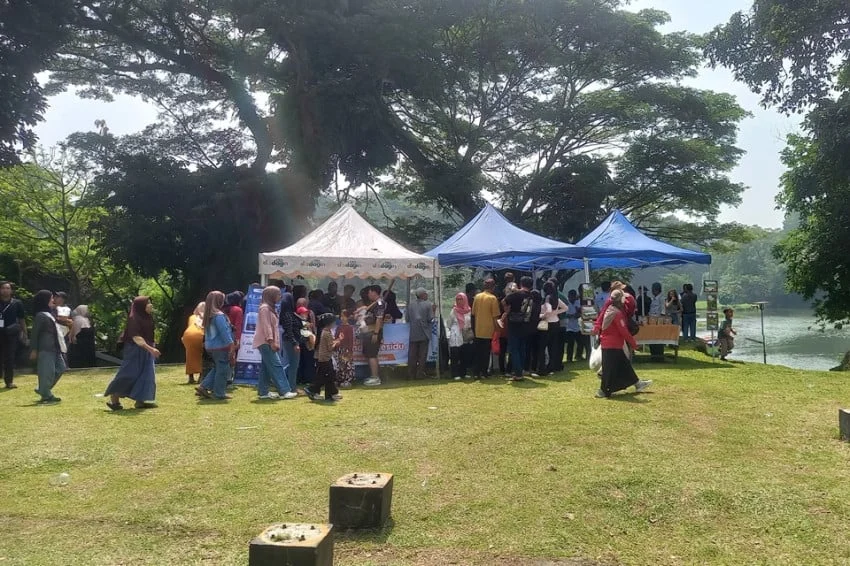
The Festival Rakyat Danau Lido 2026, held on November 8, 2026, served as a profound bridge between the historical charm of the iconic lake and the modern development of the Special Economic Zone (KEK) MNC Lido City in Cigombong, Bogor. While the event was designed to promote local culture and community engagement, it unexpectedly transformed into a poignant venue for nostalgia, drawing thousands of residents who sought to reconnect with the memories of a regional landmark that had seen a two-decade hiatus in major public festivities.
The Resurgence of a Regional Icon
Danau Lido, or Lido Lake, has long occupied a significant place in the cultural geography of West Java. Historically, the area was a primary destination for regional tourism, particularly during festive seasons such as Eid al-Fitr and major public holidays. For generations, the lake was synonymous with recreational activities, including traditional wooden raft rides, early carousel attractions, and local culinary markets. However, as the regional landscape shifted over the last twenty years, the frequency of large-scale community gatherings at the lake site diminished, leaving a void in the local social calendar.
The selection of Soekarno Park within the KEK MNC Lido City as the venue for this year’s festival was deliberate. By integrating a heritage-focused event into a modern, world-class infrastructure development, the organizers aimed to demonstrate that progress and cultural preservation can coexist. The festival served not only as a celebration of the present but as a tribute to the legacy of the area, successfully drawing a diverse crowd ranging from nostalgic seniors to younger generations unfamiliar with the lake’s storied past.
Chronology of the Event
The planning and execution of the Festival Rakyat Danau Lido 2026 involved months of coordination between local government bodies, community leaders, and the management of KEK MNC Lido City.
- Early 2026: Preliminary discussions began regarding the revitalization of local cultural activities to coincide with the broader tourism development plans for the Bogor region.
- September 2026: Official announcements were made, signaling a partnership between the local municipality and the KEK management to utilize the park for public engagement.
- November 8, 2026: The festival officially commenced at 08:00 AM. The event featured a curated selection of traditional performances, local culinary stalls, and interactive historical exhibits.
- Mid-Day 2026: Peak attendance was recorded as families arrived to participate in "nostalgia walks," a program designed to encourage attendees to share their childhood stories of the lake.
- Evening 2026: The festival concluded with a community assembly, where organizers gathered feedback from participants regarding the potential for establishing the festival as an annual fixture.
Community Sentiments and Cultural Significance
For many residents, such as Ditha, a lifelong native of Cigombong, the festival acted as a time machine. Ditha noted that the absence of such large-scale events for twenty years had stripped the lake of its former status as a community hub. The return of the festival, she remarked, was not just about the entertainment provided on the day, but about the restoration of a collective identity.
"It is truly remarkable," Ditha stated during the event. "For two decades, we have been waiting for a gathering of this scale. The response from the community has been overwhelming, and it has brought a sense of joy that I haven’t seen in this area for a very long time. We are collectively hoping that this is not a one-time occurrence but a sustainable annual tradition."
The enthusiasm displayed by the attendees highlights a sociological phenomenon where physical spaces—such as parks and lakes—act as "anchors" for community memory. When these spaces are activated through organized events, they facilitate intergenerational bonding, as parents and grandparents share stories of their youth with children who are experiencing the transformed site for the first time.
Supporting Data and Economic Context
The KEK MNC Lido City is a project of significant national importance, designated as a Special Economic Zone to boost the tourism sector in Indonesia. According to recent data from the Ministry of Tourism and Creative Economy, the development of integrated tourism zones is expected to contribute a significant percentage to the local GDP of the West Java province by 2030.
The success of the Festival Rakyat Danau Lido 2026 provides a case study in "Social Infrastructure Impact." While infrastructure is often measured in terms of concrete, roads, and utilities, the social utility—how a space facilitates community cohesion—is a critical metric for long-term development success. By hosting thousands of visitors, the event provided an immediate stimulus to local micro-enterprises and food vendors, demonstrating the economic potential of community-driven tourism.
Official Responses and Strategic Partnerships
The support provided by KEK MNC Lido City for this festival is part of a broader corporate social responsibility and community engagement strategy. By providing the venue, the management effectively bridged the gap between a high-end commercial development and the local population.
Industry analysts suggest that for large developments like the Lido City to be successful, they must maintain a "social license to operate." Hosting events that honor local history and provide public utility are essential steps in maintaining this license. If the management continues to support such festivals, it is likely that the area will see increased foot traffic and brand loyalty among local residents, which in turn fosters a more stable environment for further investment.
Broader Impact and Future Implications
The implications of the Festival Rakyat Danau Lido 2026 extend beyond the singular success of an event. It sets a precedent for how public-private partnerships can revitalize regional culture.
- Cultural Sustainability: The call from the community to make the festival an annual event suggests a demand for curated cultural experiences. This could lead to the development of a permanent cultural committee in Cigombong, tasked with managing the lake’s heritage.
- Tourism Diversification: The festival proved that Lido Lake has the potential to attract not just high-end tourists for the resorts, but also domestic visitors interested in cultural and community-based tourism. This diversification is vital for the long-term economic resilience of the area.
- Regional Integration: As Bogor continues to urbanize, the pressure to preserve green and historical spaces increases. This event demonstrates that integrating historical landmarks into modern zones is a viable model for urban planning in Indonesia.
The challenge moving forward will be scaling the event without losing the intimate, nostalgic character that made the 2026 edition so successful. Organizers will need to balance the influx of tourists with the needs of the local community, ensuring that the lake remains a space for both regional economic growth and local social identity.
In conclusion, the Festival Rakyat Danau Lido 2026 was a watershed moment for the Cigombong community. By successfully blending the nostalgia of the past with the infrastructure of the future, the event reaffirmed the importance of place-making in modern development. As the community looks forward to 2027, the success of this year’s festival serves as a foundation for what could become one of West Java’s most significant annual cultural milestones, bridging the gap between the heritage of the lake and the aspirations of a new generation.