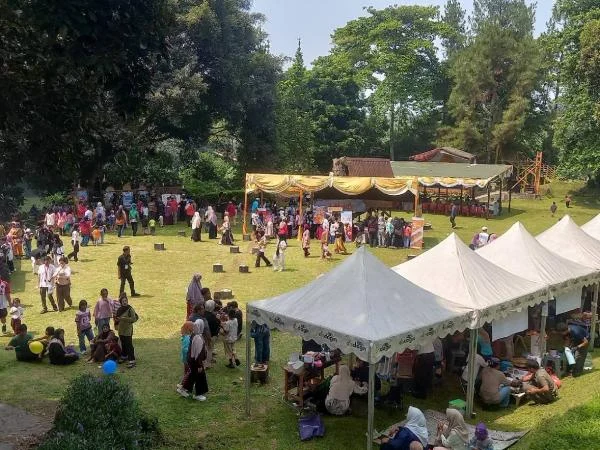
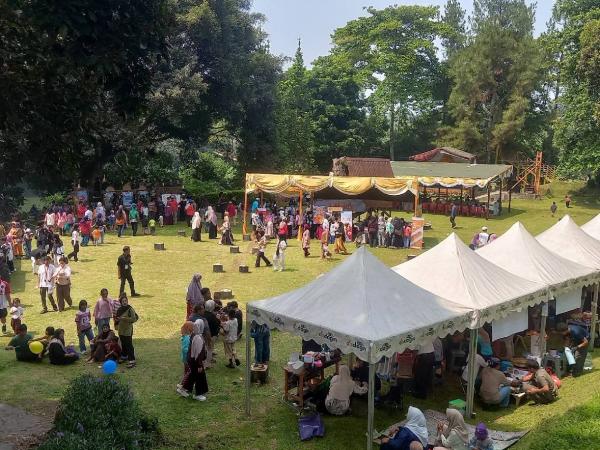
The inaugural Festival Rakyat Danau Lido 2026, held on Sunday, November 8, 2026, has set a new benchmark for community-led cultural and tourism events in West Java. Thousands of visitors converged on Soekarno Park, situated within the sprawling KEK MNC Lido City in Cigombong, Bogor, to partake in a vibrant display of regional heritage, culinary innovation, and environmental stewardship. The overwhelming success of the event has prompted local government officials to commit to transforming the festival into a permanent fixture on the regional calendar, signaling a new era for local tourism and economic development in the Bogor Regency.
A Vibrant Showcase of Local Culture and Economy
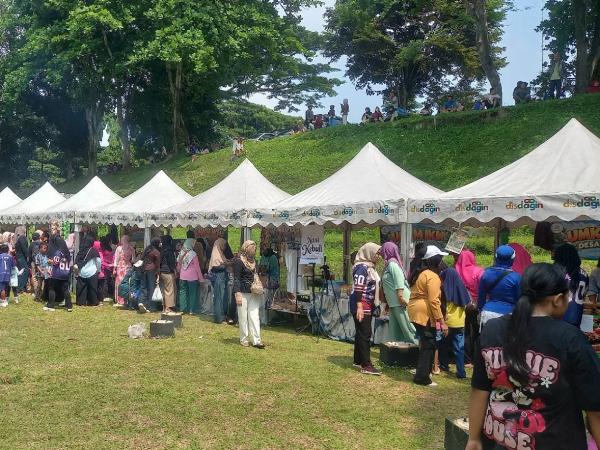
The festival served as a melting pot of tradition and modernization. Attendees were treated to a diverse array of activities, ranging from traditional performances that highlighted the rich cultural tapestry of the Sundanese people to contemporary showcases of local craftsmanship. The presence of numerous Small and Medium Enterprises (SMEs) was a central pillar of the event. These local businesses utilized the festival as a strategic platform to introduce their products to a wider audience, ranging from authentic culinary delicacies unique to the Cigombong area to handmade artisanal goods.
Beyond the commercial aspects, the festival placed a heavy emphasis on environmental education. Recognizing the ecological significance of the Lido area, organizers integrated various programs focused on sustainable living and the preservation of the lake’s natural ecosystem. By combining entertainment with educational outreach, the event successfully engaged families, environmentalists, and tourists alike, fostering a deeper sense of stewardship for the local geography.
Official Endorsement and Future Outlook
The success of the 2026 event was not lost on local leadership. Irwan Soemantri, the Camat (Head) of Cigombong, expressed high praise for the organizers—primarily local community groups and the BPH—for their initiative and organizational capacity. During his remarks at the event, Soemantri confirmed that after consulting with higher regional authorities, the government has reached a consensus to institutionalize the festival.
"This is a milestone for our community," Soemantri stated. "By formalizing the Festival Rakyat Danau Lido as an annual event, we are not just providing entertainment; we are building a legacy. The goal is to ensure that every year, this festival serves as a catalyst for growth, cultural pride, and regional unity."
The decision to establish this as an annual tradition reflects a broader strategy by the Bogor Regency to decentralize tourism away from the already congested Puncak area and toward emerging destinations like the KEK MNC Lido City. By creating recurring events, the region hopes to achieve a more consistent influx of visitors, thereby providing a predictable revenue stream for local merchants and service providers.
The Historical Significance of Lake Lido
To understand the weight of this event, one must look at the historical trajectory of Lake Lido. For decades, the lake has been more than just a body of water; it has been a focal point of social life for the residents of Cigombong and the surrounding areas of Sukabumi and Bogor. In the mid-20th century, the lake was a premier retreat for families, noted for its serene atmosphere and recreational appeal.
However, as industrialization and urbanization shifted the focus of the region, some of the traditional communal practices associated with the lake began to fade. The 2026 festival was explicitly designed to bridge this gap between generations. By incorporating elements like the "Parade Rakit" (Raft Parade) and the "Pasar Bageur" (a traditional-style community market), organizers sought to evoke a sense of nostalgia while simultaneously showcasing how the area has evolved into a modern tourism hub within the MNC Lido City development. This synthesis of the past and the present is key to the festival’s identity, ensuring that it remains relevant to both the elderly who remember the lake’s golden era and the younger generation seeking modern entertainment.
Socio-Economic Implications and Regional Growth
The integration of the festival within the KEK MNC Lido City—a Special Economic Zone (KEK)—adds a layer of professional infrastructure that is rarely seen in grassroots community events. The proximity to modern amenities within the zone ensures that the festival can accommodate large crowds with adequate sanitation, security, and transportation access.

Data from the regional tourism office suggests that the impact of such events extends far beyond the weekend of the festival. Increased foot traffic to the area creates a "multiplier effect." Visitors who come for the festival often explore surrounding tourist spots, dine at local restaurants, and utilize local transportation, all of which contribute to the local GDP. Furthermore, the exposure provided to local SMEs during the festival is expected to lead to long-term partnerships and increased brand recognition for these small-scale entrepreneurs.
Logistical Success and Community Engagement
The logistics behind the 2026 event were meticulous. Managing thousands of visitors requires significant coordination between community leaders, the local police force, and the management of the KEK MNC Lido City. The absence of major security incidents and the orderly management of crowds are being cited as evidence of the professional capability of the local organizers.
The event also featured a range of "edutainment" modules. Children were invited to participate in workshops about water quality and waste management, directly linking the festival to the preservation of the lake. This proactive approach to environmental awareness is essential, as Lake Lido faces the dual challenges of commercial development and the need for ecological conservation. By placing the community at the heart of these conversations, the festival ensures that environmental protection is treated as a shared responsibility rather than an external imposition.
Comparative Analysis: The Role of Festivals in Rural Development
In the context of Indonesian tourism, community-based festivals are increasingly recognized as vital tools for rural development. Unlike large-scale, corporate-led events that often displace local interests, the "Festival Rakyat" (People’s Festival) model prioritizes local agency. The success of the Danau Lido festival suggests that when the government provides a supportive regulatory framework—and private entities provide the infrastructure—local communities can lead the way in branding their own regions.
This model is particularly effective in Bogor, a regency that is currently navigating the transition from a traditional agrarian society to a more service-oriented economy. By anchoring the regional identity in the historical and natural beauty of Lake Lido, the community is creating a brand that is difficult for competitors to replicate. The "authentic" experience—characterized by local food, traditional music, and genuine community participation—is currently a high-value commodity in the travel industry.
Challenges and Future Considerations
While the outlook is overwhelmingly positive, the long-term success of the Festival Rakyat Danau Lido will depend on several factors. First is the ability to maintain the "grassroots" feel of the event as it scales. As the festival gains national attention, there is a risk that it could become over-commercialized, potentially diluting the very cultural elements that made the inaugural event a success.
Second, infrastructure maintenance will be critical. The increased pressure on the roads leading to Cigombong and the environmental impact of large crowds on the lake’s perimeter must be carefully managed. Environmental impact assessments should be conducted annually to ensure that the lake’s water quality remains high and that the natural landscape is not degraded by the very tourism it attracts.
Finally, the sustainability of the SME participation is paramount. If the festival is to serve as a genuine economic driver, the government and organizers must look into post-festival support for these businesses, helping them transition from one-day sellers to sustainable, year-round enterprises.
Conclusion: A New Chapter for Cigombong
The success of the Festival Rakyat Danau Lido 2026 marks the beginning of a new chapter for the Cigombong community. It is a testament to the power of community-led initiatives when supported by proactive local governance and modern infrastructure. As preparations for the 2027 iteration begin, the focus will likely shift from proving the concept to refining the experience.
For the residents of the Bogor Regency, the festival is more than just a calendar date; it is an affirmation of their identity and a clear signal of the region’s potential. By reclaiming the history of Lake Lido and positioning it as a modern destination, the community has successfully demonstrated that local pride, when organized effectively, can produce world-class results. The path forward is clear: with continued cooperation between the community, the local government, and the private sector, the Festival Rakyat Danau Lido is well-positioned to become one of the most significant cultural and tourism events in West Java for years to come.