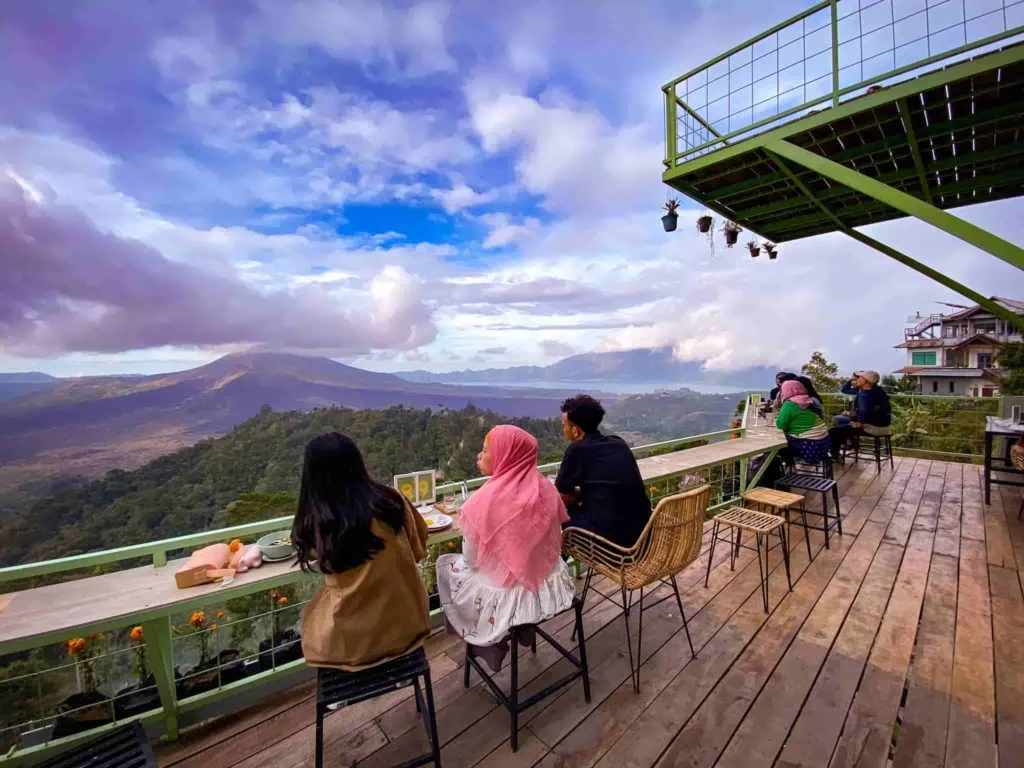
The tropical paradise of Bali has long captured the global imagination, traditionally celebrated for its pristine white-sand beaches, world-class surf breaks, and vibrant coastal beach clubs. However, in recent years, the island’s tourism landscape has undergone a significant
geographical shift. Travelers and local weekenders alike are increasingly venturing away from the bustling southern shores and heading into the cool, misty highlands of the interior. Nestled in the foothills of Bali’s majestic volcanic region, the Kintamani district has emerged as the island’s premier destination for experiential culinary tourism. Here, a new wave of architectural marvels and specialty coffee shops has transformed the rim of the ancient Batur Caldera into a thriving hub for scenic social spaces, offering patrons panoramic vistas of towering peaks and serene crater lakes while redefining what it means to unwind in Bali.
The evolution of Kintamani from a remote agricultural and trekking outpost into a sophisticated café destination began in earnest around the late 2010s. For decades, visitors traveled to the region primarily for sunrise ascents of Mount Batur or brief sightseeing stops overlooking the caldera. Recognizing the untapped potential of the dramatic cliffside landscapes and the globally renowned Kintamani Arabica coffee production, visionary local entrepreneurs began developing modern, design-forward hospitality venues. These establishments were meticulously engineered to harmonize with the rugged topography, blending industrial architecture with traditional Balinese elements. By offering visitors warm indoor sanctuaries against the crisp mountain air—where temperatures frequently drop to a refreshing 17 to 18 degrees Celsius—these cafes successfully unlocked a new tourism market focused on slow travel, aesthetic appreciation, and sensory immersion in nature.
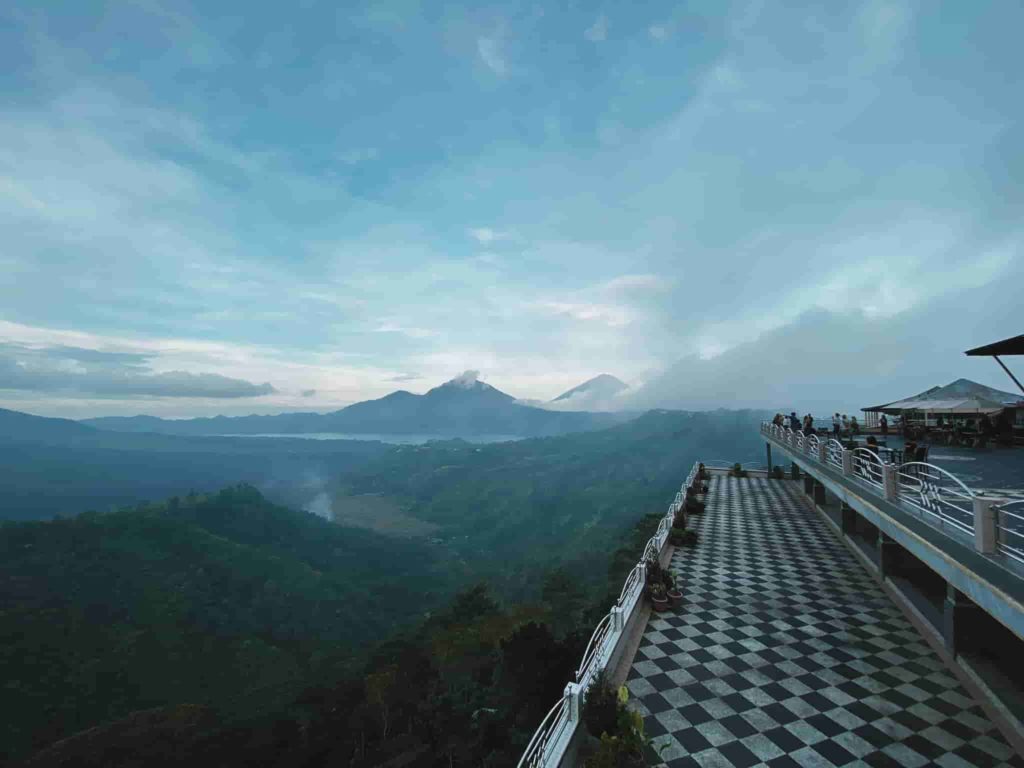
This comprehensive overview highlights five exceptional highland venues in Kintamani that have redefined the regional tourism ecosystem, offering visitors the ultimate combination of panoramic natural beauty, artisanal coffee, and contemporary architectural design.
Tegu Kopi: Pioneering Cliffside Panorama
Inaugurated in December 2019, Tegu Kopi stands as one of the pioneering modern establishments that catalyzed the café boom along the Jalan Raya Penelokan ridge in Kintamani, Bangli Regency. Situated high above the valley floor, the venue was strategically positioned to afford unobstructed, 360-degree vistas encompassing the iconic Mount Batur, the towering cones of Mount Abang and Mount Agung, and the sprawling expanse of Lake Batur below.
Tegu Kopi capitalizes on the region’s invigorating microclimate, where ambient temperatures regularly hover around a crisp 17 to 18 degrees Celsius. The venue’s architectural layout features expansive glass panels and open-air terraces designed to maximize visual engagement with the surrounding landscape. As daylight fades, the establishment offers a dramatic vantage point for observing the sunset descending behind the jagged silhouettes of the central mountain range. Industry analysts note that venues like Tegu Kopi played a critical role in extending visitor stays in the Bangli Regency, transforming Kintamani from a transient day-trip stopover into a primary destination for evening leisure.
Eco Bike Coffee: Multi-Tiered Agritourism and Sustainability
Representing a more integrated approach to highland hospitality, Eco Bike Coffee distinguishes itself through its ambitious three-story architectural footprint, widely recognized as one of the largest developments along the Kintamani cliff edge. The establishment operates on a multifaceted business model that bridges commercial hospitality with agricultural education and eco-tourism.
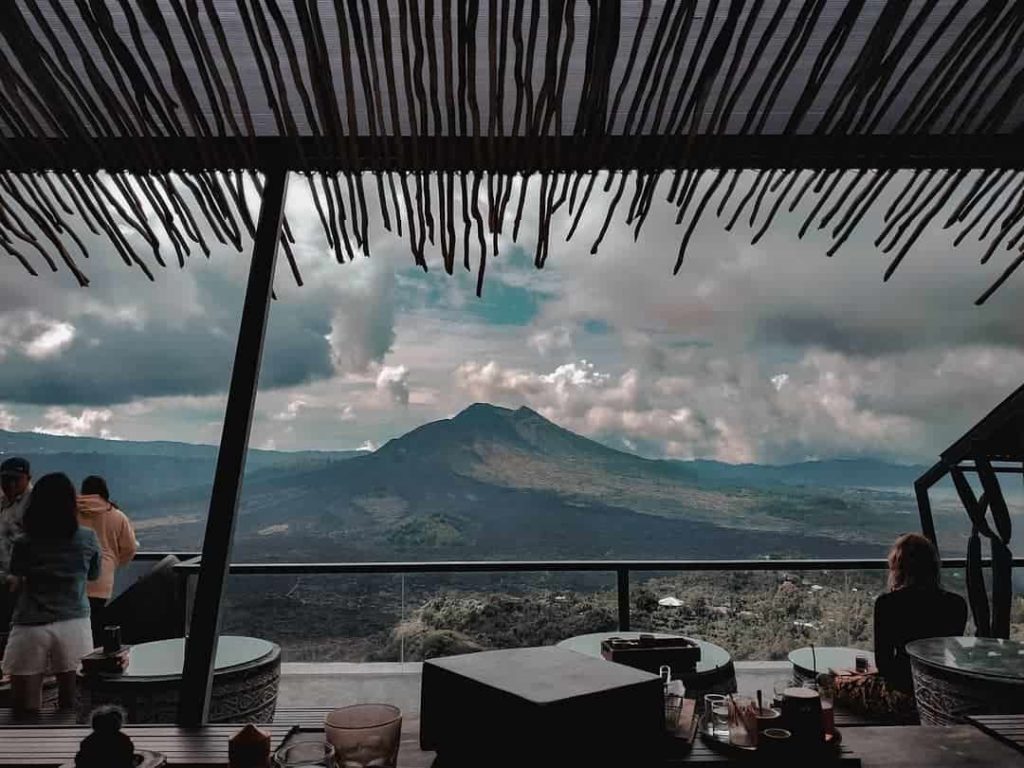
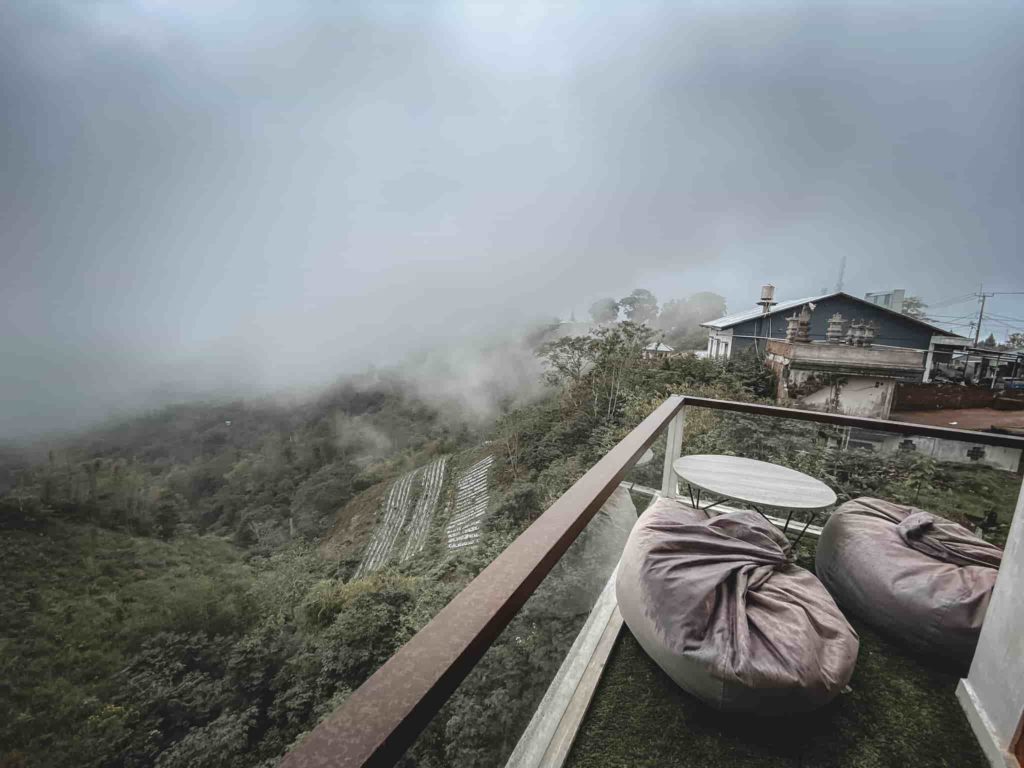
The foundational first level of the complex is dedicated to working coffee plantations and boutique guest accommodations, allowing visitors to observe the cultivation cycle of local Arabica beans firsthand. Ascending through the structure, the venue culminates in a sprawling third-floor rooftop terrace that provides unhindered sightlines of the caldera rim. However, local hospitality experts emphasize the importance of weather monitoring when planning a visit to Eco Bike Coffee. Due to the high altitude and unique atmospheric conditions of the caldera, rapid cloud formations frequently blanket the area, substituting the expansive mountain views with a dense, atmospheric fog. Despite this meteorological quirk, the venue remains a cornerstone for travelers seeking a deeper understanding of Bali’s sustainable agricultural practices.
Akasa Coffee: Elevated Comfort and Specialized Gastronomy
Further cementing Kintamani’s reputation as a culinary hotspot, Akasa Coffee offers an upscale sanctuary designed for travelers seeking sophisticated comfort amidst rugged wilderness. Positioned along the precipitous ridges of the Batur Caldera, the venue merges high-altitude coziness with a refined menu selection that extends far beyond standard café fare.
Akasa Coffee caters to diverse culinary preferences by offering comprehensive breakfast selections, specialty teas, expertly brewed single-origin Kintamani coffees, and an assortment of imported and craft beers. With an average price point clustering around Rp 150,000 per person, the establishment positions itself in the mid-to-upper tier of regional dining. Tourism boards and local guides consistently advise patrons to verify weather conditions prior to ascending to Akasa Coffee, as clear meteorological windows are essential to fully appreciate the dramatic visual interplay between the verdant slopes, volcanic rock formations, and the cool mountain breeze that necessitates the wearing of jackets by visitors unaccustomed to low temperatures.
Batur 1926: Architectural Heritage and Sunrise Vistas
Batur 1926 distinguishes itself within the competitive Kintamani landscape through a deliberate fusion of historical reverence and contemporary vernacular architecture. Named in commemoration of significant local history, the venue has captured the attention of architecture enthusiasts and digital content creators alike for its meticulous integration of traditional Balinese structural motifs into a modern hospitality framework.
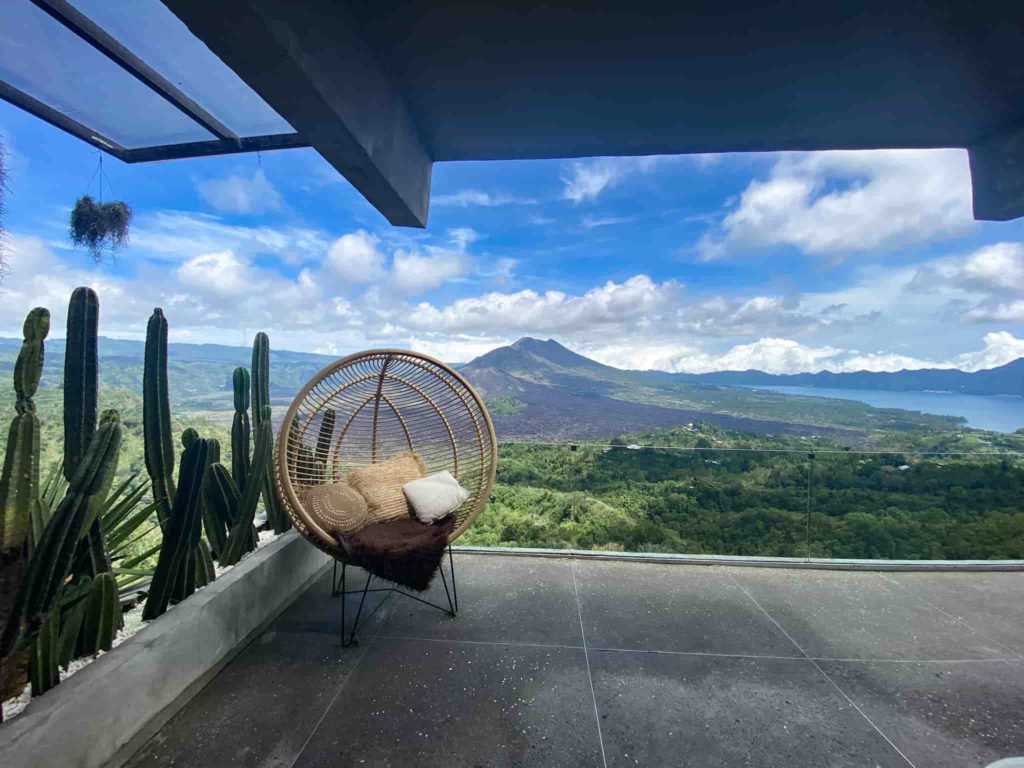
A defining architectural feature of Batur 1926 is its incorporation of an authentic Balinese gapura (gateway) framing the rooftop terrace, creating a striking juxtaposition between sacred cultural architecture and raw volcanic backdrops. The venue has become a favored destination for early risers; doors open well before dawn to accommodate visitors arriving around 5:30 AM to witness the sunrise over the eastern horizon. On mornings characterized by clear skies, patrons are rewarded with a rare vantage point capable of simultaneously capturing three sacred peaks: Mount Batur, Mount Abang, and the towering stratovolcano of Mount Agung, rendering it a premier location for landscape photography and contemplative morning reflection.
Kava Coffee: Seamless Integration of Interior Space and Crater Scenery
Positioned intimately along the shoreline and lower slopes of the legendary Lake Batur, Kava Coffee offers a distinct perspective compared to its cliff-top counterparts. Rather than looking down exclusively from a high ridge, Kava Coffee establishes a closer visual dialogue with the caldera floor and the aquatic expanse of the lake, while maintaining simultaneous views of the surrounding volcanic peaks.
The interior design philosophy of Kava Coffee centers on spatial fluidity. The venue utilizes extensive semi-outdoor seating arrangements furnished with long communal tables designed to foster social interaction among groups of friends and couples. Floor-to-ceiling glass doors ensure that even from the indoor climate-controlled sections, patrons maintain an uninterrupted connection to the external environment. This seamless architectural transition allows visitors to comfortably enjoy the dramatic cloud movements and shifting light across the faces of Mount Batur, Mount Abang, and Mount Agung without sacrificing shelter from sudden highland showers or chilly gusts.
Economic Implications and Regional Development
The proliferation of these sophisticated cafes across Kintamani reflects a broader economic transformation within the region. Historically dependent on agriculture—primarily horticulture and coffee farming—local communities have experienced a significant diversification of income streams driven by the tourism sector. The development of high-end venues like Tegu Kopi, Eco Bike Coffee, Akasa Coffee, Batur 1926, and Kava Coffee has created numerous employment opportunities for local residents, ranging from hospitality management and barista operations to agricultural supply chain integration.
Furthermore, municipal authorities in Bangli Regency have noted an increase in infrastructural investments directed toward improving road networks and telecommunications infrastructure in the highlands to support the steady influx of domestic and international visitors. Analysts predict that as sustainable tourism practices continue to evolve in Bali, the highland regions will play an increasingly vital role in dispersing tourist density away from the congested coastal strips of Badung and Denpasar. By offering an alternative tourism model rooted in natural appreciation, agricultural heritage, and architectural innovation, Kintamani’s cafe culture has successfully established a resilient, long-term pillar for Bali’s future economic and tourism development.