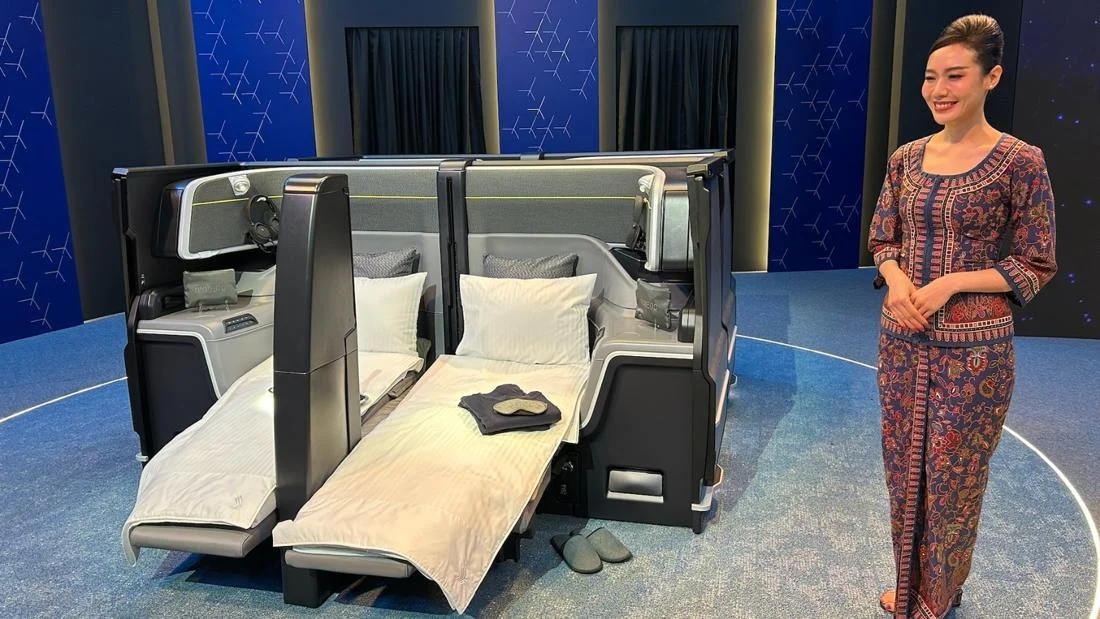
Singapore Airlines (SIA) has officially unveiled its latest generation of cabin products, marking a significant milestone in the airline’s ongoing commitment to redefining luxury air travel. The centerpiece of this unveiling is a meticulously redesigned Business Class seat, a project born from a strategic collaboration between the airline, the renowned BMW Group’s design consultancy, Designworks, and industry-leading aircraft seating manufacturer, RECARO Aircraft Seating. This infusion of automotive-inspired precision into aviation luxury signals a new era of passenger comfort, technological integration, and ergonomic excellence for the carrier’s long-haul fleet.
The new Business Class experience, scheduled to debut next year across the Boeing 777-9, Airbus A350-900, and A350-900ULR aircraft, is not merely an aesthetic update. It represents a fundamental shift in how Singapore Airlines approaches the "in-flight sanctuary." By adopting design principles derived from high-end automotive engineering, the airline aims to provide a more intuitive, premium, and seamless environment that anticipates the needs of modern, sophisticated travelers.
A Fusion of Automotive Engineering and Aviation Luxury
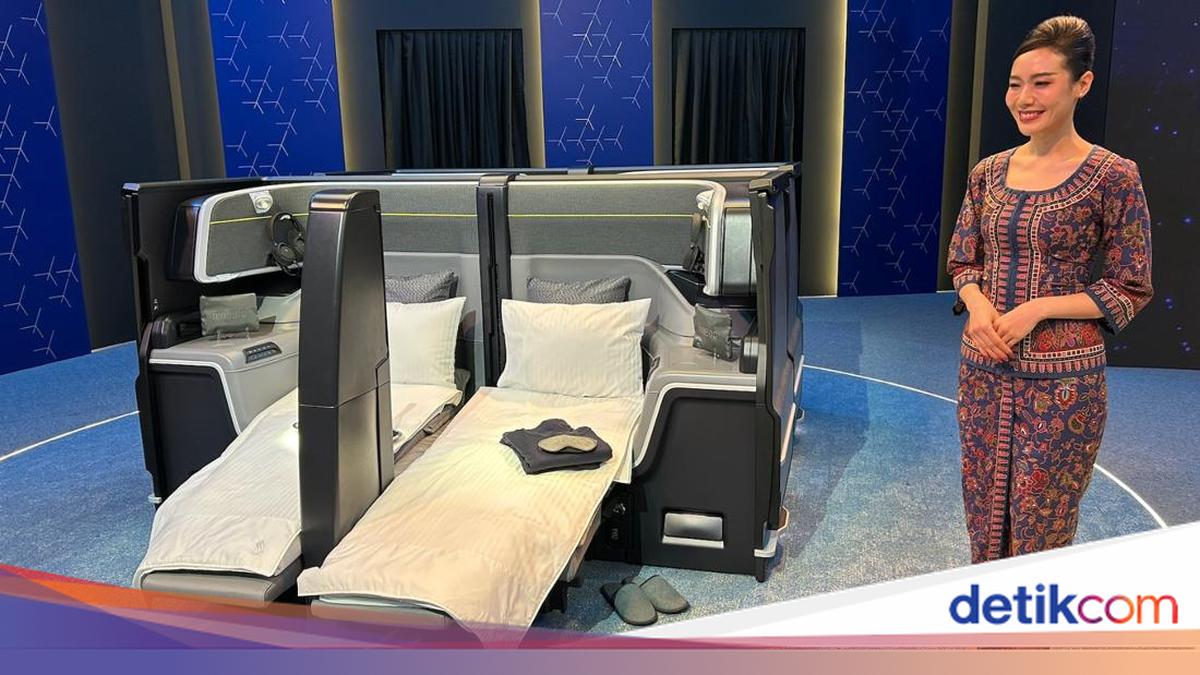
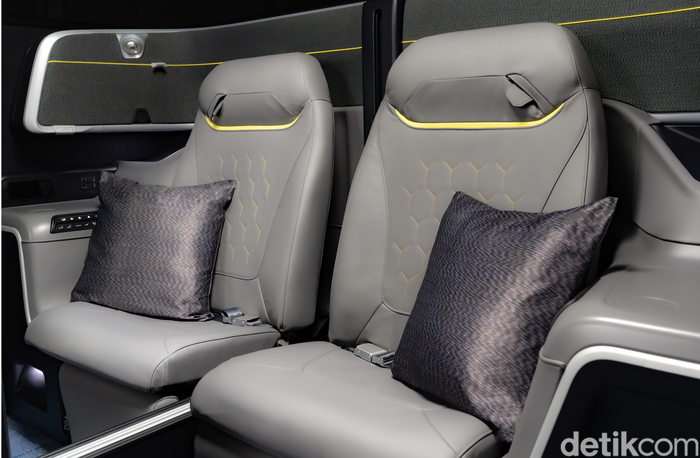
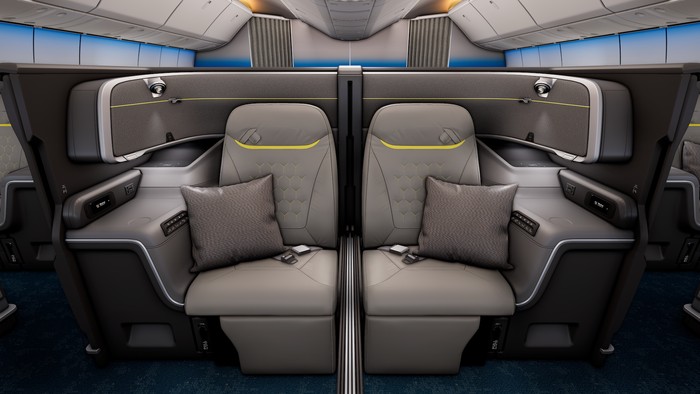
The collaboration with Designworks—a studio within the BMW Group portfolio—has been pivotal in creating a cabin that feels more like a private lounge than a traditional airplane seat. The aesthetic language of the new cabin is characterized by the use of premium full-grain leather, custom embroidery, and sophisticated metallic accents. These materials are not chosen solely for their visual appeal but for their durability and tactile quality, echoing the standards of luxury vehicles.
The integration of RECARO Aircraft Seating as the manufacturing partner ensures that these design aspirations are met with rigorous aeronautical safety and weight-efficiency standards. This partnership addresses the often-competing requirements of weight reduction—crucial for fuel efficiency—and the desire for robust, heavy-duty comfort.
The seats themselves are a testament to ergonomic optimization. Featuring improved lumbar support and a more natural, fluid reclining mechanism, the design aims to reduce travel fatigue, particularly on ultra-long-haul routes. The tactile controls are intentionally placed to be intuitive, allowing passengers to customize their environment without needing to navigate complex, hidden digital menus. This physical interface prioritizes the "human-machine" interaction, a hallmark of the German design philosophy embedded in the new cabins.
Technical Specifications and Passenger Experience
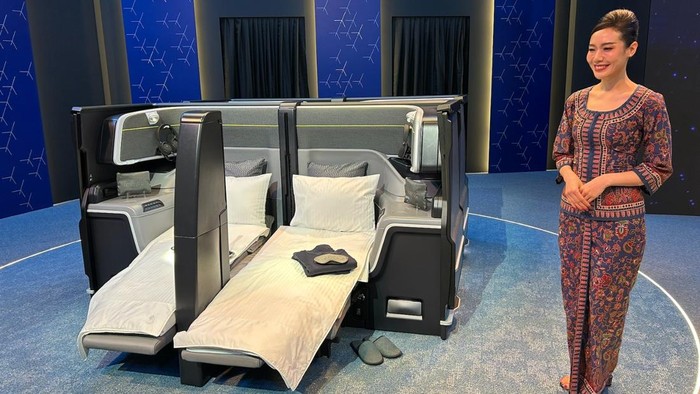
Beyond the craftsmanship, the technical specifications of the new Business Class product set a high bar for the industry. The seats offer a width of 24 inches and a seat pitch of 50 inches, providing ample personal space. When configured for sleep, the seat transforms into a fully flat bed spanning 79 inches in length. This is complemented by the "companion bed" feature, where passengers seated in the center of the cabin can lower the privacy partition to create a shared, double-bed-like space—a major selling point for couples and business partners traveling together.
Entertainment has also received a significant overhaul. Each seat is equipped with a 4K resolution touchscreen monitor measuring up to 22 inches. This high-definition display is paired with a secondary, handheld touchscreen controller, allowing for multi-tasking—such as browsing the KrisWorld library while watching a movie or monitoring the flight map. The system is designed to provide greater contrast, sharper image quality, and a faster response time than previous iterations, reflecting the evolving expectations of passengers who are accustomed to high-end home entertainment systems.
Strategic Context and Industry Timeline
This unveiling comes at a time when global airlines are in a "premium arms race." As travel demand rebounds to pre-pandemic levels and the profile of the international business traveler continues to evolve, carriers are investing heavily in hardware to differentiate their product offerings.
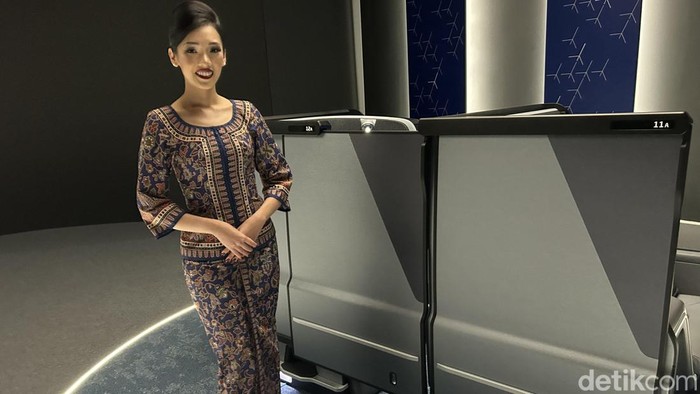
For Singapore Airlines, this project is the result of years of development. The process began following an extensive study of passenger behavior and feedback gathered from thousands of flyers across its global network. The decision to partner with automotive designers reflects a growing trend in the aviation industry: looking beyond the traditional aerospace design firms to companies that specialize in consumer experience and luxury vehicle interiors.
The rollout schedule is as follows:
- Late 2026: Initial integration and certification of the new cabin products.
- Early 2027: Official fleet entry into service, starting with the long-haul Airbus A350-900s.
- Mid-2027: Deployment of the new configuration on the Boeing 777-9 aircraft as they are delivered to the airline.
- Late 2027 and Beyond: Retrofitting of existing long-haul aircraft to ensure brand consistency across the premium fleet.
Market Implications and Analysis
From a competitive standpoint, Singapore Airlines is positioning its new Business Class to compete directly with the "suites" and "business studios" offered by Middle Eastern and European carriers. By emphasizing a design-led approach rather than just pure hardware, the airline is attempting to foster an emotional connection with its passengers.
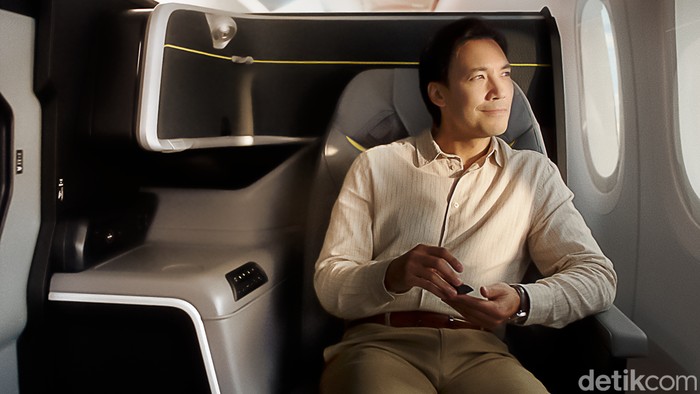
Market analysts suggest that this investment is a strategic necessity. With the rise of "bleisure" travel—the blending of business and leisure trips—passengers are increasingly valuing the ability to work, sleep, and socialize within their cabin space. The modular nature of the new seats, particularly the companion bed feature, allows Singapore Airlines to maximize the utility of its cabin footprint, potentially increasing load factors in the premium cabin by appealing to both corporate travelers and high-net-worth leisure passengers.
Furthermore, the focus on sustainable, premium materials suggests that the airline is aligning itself with the broader corporate trend of reducing the carbon footprint of cabin interiors. Using high-quality materials that require less frequent replacement can contribute to a more sustainable lifecycle for the aircraft cabin, a factor that is becoming increasingly important to corporate social responsibility (CSR) stakeholders.
Official Stance and Future Outlook
While Singapore Airlines has not yet released specific details on the cost of this cabin-wide upgrade, it is widely estimated to be one of the largest capital expenditures in the airline’s recent history. A spokesperson for the airline noted that the development process was centered on the "Singapore Girl" service philosophy, ensuring that the physical environment of the aircraft facilitates the high level of service the crew is expected to provide.
"Our goal was to create a space that feels personal, intuitive, and ultimately, deeply comfortable," the airline representative stated during the unveiling. "By merging the precision of German automotive design with our own standards of hospitality, we believe we have set a new benchmark for what a passenger can expect in the skies."
The Road Ahead
As the aviation industry faces challenges related to supply chain constraints and the slow delivery of new aircraft, the timeline for this rollout remains subject to the delivery schedules of Airbus and Boeing. However, the commitment to this design language suggests that Singapore Airlines is prepared to weather these delays to ensure that the final product meets the premium expectations of its customers.
The industry will be watching closely as these seats enter commercial service. If successful, the new cabin may influence design trends for the next decade of long-haul travel. The emphasis on "human-centric" design—where the technology fades into the background and the physical comfort of the passenger takes center stage—is likely to become the new gold standard for premium air travel.
As the airline prepares for the 2027 launch, the focus will shift toward crew training and the implementation of new service protocols designed to complement the enhanced features of the cabin. The integration of technology, from the 4K entertainment screens to the tactile seat controls, will require a seamless transition for the cabin crew to ensure that every passenger can fully utilize the features of their new "office in the sky."
In summary, the new Business Class cabin from Singapore Airlines represents a bold evolution. By borrowing from the best of automotive engineering, the airline is not just upgrading seats; it is refining the very definition of premium travel, setting the stage for a future where the journey is as significant as the destination. Whether for the international business traveler needing to prepare for a meeting or a leisure traveler looking to arrive refreshed, this new cabin design promises a superior, more refined experience that reinforces Singapore Airlines’ standing as one of the world’s leading aviation brands.