
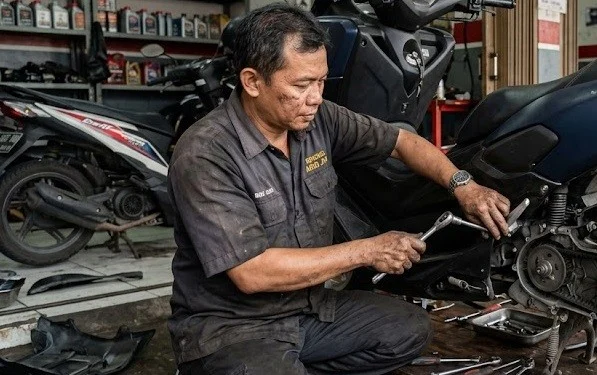
The rise of digital tutorials and an increasing interest in DIY automotive culture have encouraged many motorcycle owners to perform their own maintenance, repairs, and modifications at home. While basic tasks like cleaning a drive chain, changing air filters, or performing routine oil changes can be safely managed with modest mechanical knowledge, the complexity of modern motorcycle engineering often escapes the casual enthusiast. When amateur maintenance is conducted without the proper tools, technical manuals, or procedural discipline, the result is frequently a series of preventable mechanical failures that necessitate expensive professional intervention.
The consequences of improper mechanical work extend far beyond a stripped bolt; they can compromise the structural integrity of the engine, disrupt the delicate balance of the fuel injection system, and, in the worst-case scenarios, pose significant safety risks to the rider.
The Anatomy of Amateur Maintenance Errors
Modern motorcycles are sophisticated machines comprised of interconnected systems, including high-compression internal combustion engines, complex electrical harnesses, advanced electronic fuel injection (EFI), multi-link suspension systems, and hydraulic braking assemblies. These systems are designed to operate within precise tolerances.
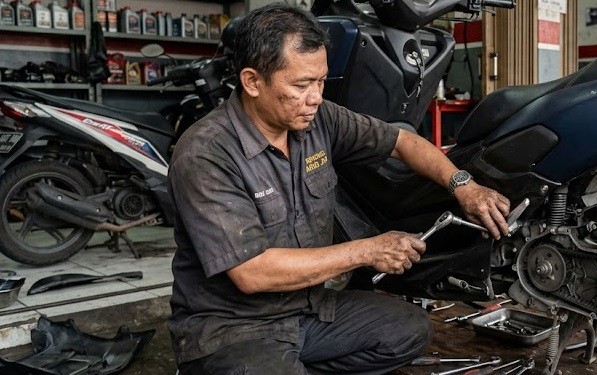
According to technical advisory data provided by manufacturers like Suzuki, one of the most common pitfalls encountered by home mechanics is the use of incorrect tooling. Many DIYers attempt to use standard household wrenches or pliers on specialized motorcycle hardware. This often leads to the rounding of bolt heads—commonly known as "slek" or stripped bolts—which makes future maintenance significantly more difficult. Furthermore, the application of improper torque is a pervasive issue. Without a calibrated torque wrench, mechanics often over-tighten fasteners, which can crack engine casings, stretch aluminum threads, or crush delicate gaskets, leading to chronic oil leaks and compression loss.
The Role of Specialized Tooling
Professional workshops utilize specific tools designed for particular motorcycle models. These tools are engineered to hold components in place while force is applied, preventing collateral damage to surrounding areas. For example, replacing a clutch pack or servicing a valve train requires specialized holding tools or pullers. Attempting to improvise these tools often results in damage to the clutch basket or the cylinder head.
The industry consensus among master mechanics is that if a component appears seized or difficult to remove, applying brute force—a common amateur reflex—is almost never the correct solution. It is often an indication that a locking mechanism is still engaged, a specific sequence of disassembly has been ignored, or a specialized puller is required to maintain the structural integrity of the part during removal.
A Chronology of Maintenance Missteps
The progression of a typical DIY-related mechanical failure often follows a predictable timeline:

- The Overconfidence Phase: The owner identifies a minor issue, such as a slight oil weep or a desire to install aftermarket performance parts. Lacking the service manual, they proceed based on anecdotal advice found on internet forums.
- The Improper Tool Selection: The owner attempts to disassemble a component using tools that do not match the metric or imperial specifications of the motorcycle. The first signs of damage—chipped paint on bolts or slightly stripped threads—are ignored.
- The Forcing Stage: A bolt or component fails to yield. The owner applies excessive leverage, resulting in a sheared bolt or a cracked mounting point.
- The "Patch-Up" Attempt: Realizing the error, the owner attempts to rectify the damage with temporary solutions, such as improper sealants or mismatched replacement hardware, which are not designed to withstand the heat and vibration of a running engine.
- The Systemic Failure: The cumulative effect of these errors manifests as a breakdown. This could be an engine seizure due to blocked oil galleries, a sudden loss of braking power due to air in the lines, or an electrical short caused by poor wiring connections.
Economic and Safety Implications
The financial impact of amateur maintenance is often twofold. First, there is the immediate cost of replacement parts that were destroyed during the failed attempt. Second, there is the "correction cost," which is significantly higher than the price of the initial professional service. When a professional technician receives a motorcycle that has been improperly disassembled, they must spend additional billable hours reversing the amateur’s mistakes before they can even begin the actual repair.
Beyond the balance sheet, safety remains the paramount concern. A motorcycle relies on the integrity of its fasteners and the precision of its assembly to maintain stability at speed. A improperly torqued brake caliper bolt or a poorly seated axle can lead to catastrophic failure while the vehicle is in motion.
Industry Best Practices for Enthusiasts
For those who wish to continue performing their own maintenance, industry experts recommend a fundamental shift in approach. The following guidelines are essential for maintaining a vehicle’s reliability:
- Investment in Documentation: The factory service manual (FSM) is the most valuable tool in a mechanic’s inventory. It contains the exact torque specifications, tightening sequences, and diagnostic procedures required for specific models.
- Torque Discipline: A high-quality, calibrated torque wrench is not optional. Every fastener on a motorcycle has a specific torque value, and adhering to these values is the primary way to prevent engine and frame damage.
- Tool Quality: Using high-grade steel sockets and wrenches reduces the risk of rounding bolts. If a bolt head is damaged, it should be replaced immediately rather than reused.
- Knowing When to Stop: A clear demarcation exists between routine maintenance (oil changes, chain lubrication, tire pressure checks) and major mechanical work (transmission overhauls, engine rebuilding, electrical system modification). Enthusiasts should be honest about their skill level and seek professional help for tasks involving the core engine or safety-critical systems.
Professional Perspectives on DIY Culture
While the temptation to save money through DIY is understandable, particularly in an era of rising inflation and service costs, the automotive industry emphasizes that professional certification is not merely a bureaucratic requirement; it is a verification of competency.

Technicians undergo rigorous training to understand the "why" behind the "how." They are trained to recognize the symptoms of metal fatigue, the importance of thread locking compounds, and the correct sequence of tightening bolts in a star pattern to ensure even pressure distribution. These nuances are often missing from short-form social media tutorials, which prioritize speed and visual impact over long-term mechanical reliability.
Conclusion: A Balanced Approach
The ownership experience of a motorcycle is often enhanced by the bond formed between the rider and their machine. Basic maintenance can be a rewarding hobby that provides a deeper understanding of how the vehicle functions. However, this hobby must be balanced with a commitment to technical accuracy.
The most successful DIYers are those who view themselves as students of engineering rather than merely "tinkerers." By investing in proper equipment, prioritizing the use of manufacturer-approved technical documentation, and acknowledging the limits of their personal experience, motorcycle owners can avoid the cycle of damage and repair. Ultimately, the objective of maintenance is to ensure that the machine is safe, reliable, and prepared for the road, not to turn a minor repair into a major, high-cost restoration project. As the technology in motorcycles continues to advance, the necessity for precision and technical expertise will only grow, making it more vital than ever for enthusiasts to approach every nut and bolt with the respect the machine demands.
