
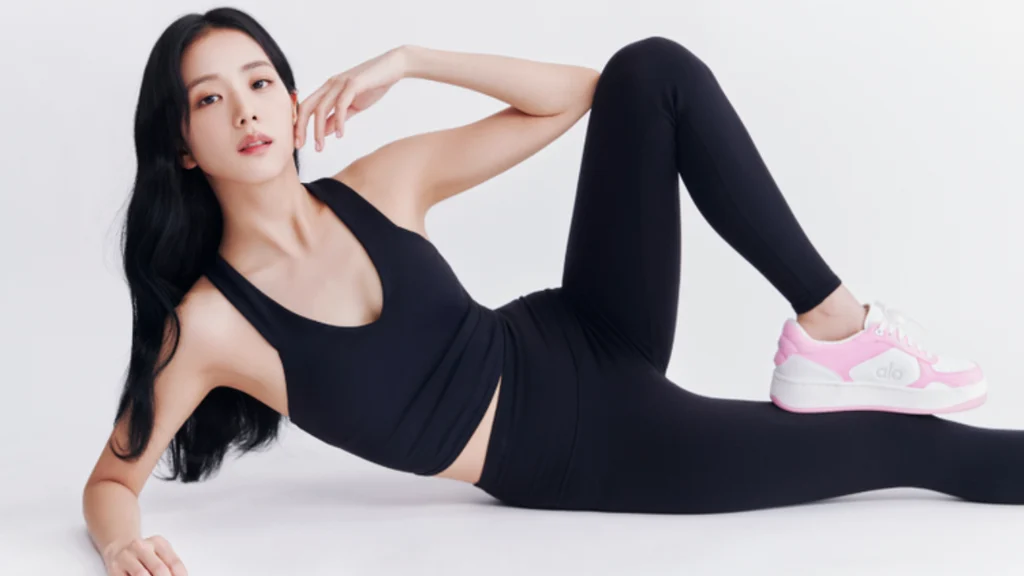
The global women’s activewear market has undergone a profound transformation over the past decade, shifting from a niche athletic apparel segment into a dominant force within the broader fashion and lifestyle industry. No longer evaluated solely on aesthetic appeal, modern fitness wear is subjected to rigorous technical standards that balance ergonomics, advanced textile science, and specific disciplinary requirements. From high-intensity cardiovascular pursuits like jogging and competitive racquet sports to low-impact mindful practices such as yoga and Pilates, the selection of the correct activewear plays a fundamental role in optimizing physical performance, preventing injury, and sustaining comfort.
Market research indicates that the intersection of functionality and fashion continues to drive consumer demand. According to recent textile industry reports, consumers increasingly expect their workout attire to feature moisture-wicking properties, four-way stretch capabilities, targeted compression, and breathability. This evolution has prompted leading global brands to engineer specialized collections tailored specifically to the biomechanical demands of different sports. Understanding how to curate an activewear wardrobe based on the exact nature of the physical activity is essential for both amateur enthusiasts and seasoned athletes aiming to maximize their training efficiency.
Biomechanics and Material Science in Modern Fitness Apparel
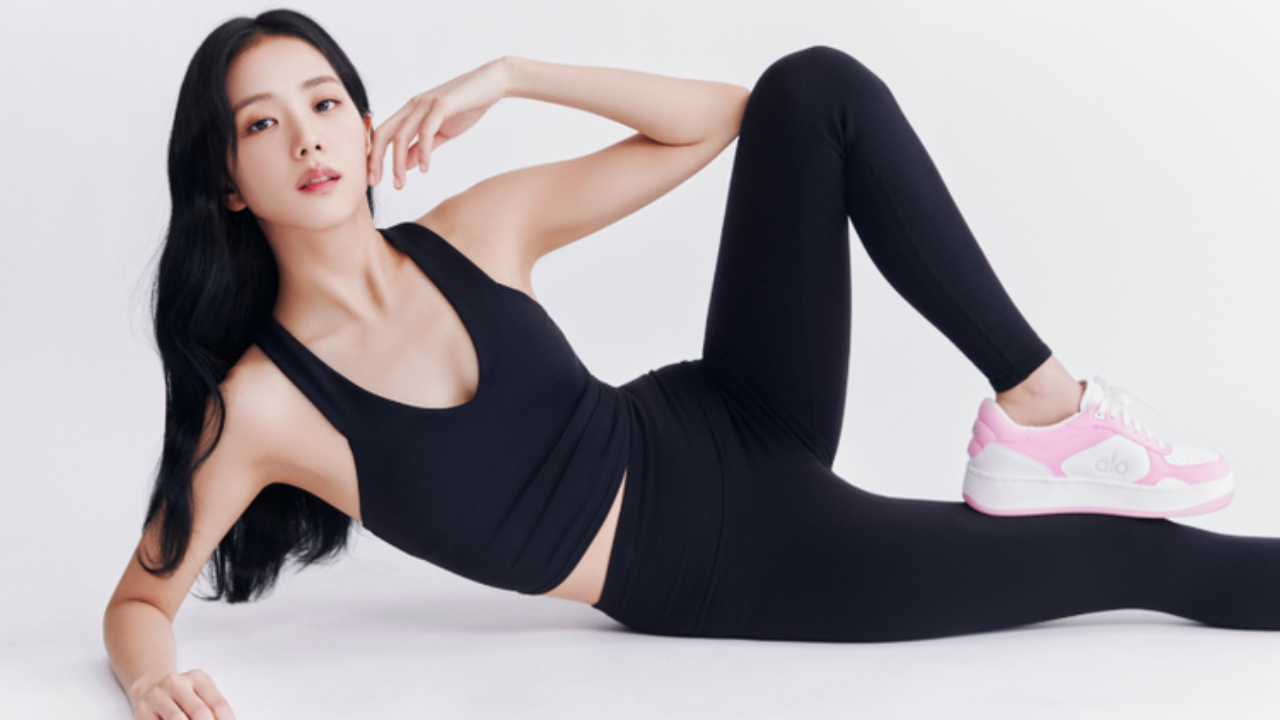
The necessity for specialized activewear stems from the distinct physiological and kinetic demands of various sports. When an athlete transitions from a linear running motion to a multi-planar movement pattern like Pilates, the stress placed on joints, muscles, and fabric differs entirely. Consequently, apparel designers collaborate closely with sports scientists to select appropriate material compositions, ranging from ultra-lightweight synthetic blends for heat dissipation to heavy-duty, high-stretch knits that offer structured support.
Textile innovations have revolutionized how garments interact with the human body during exertion. Modern synthetic fibers, such as advanced iterations of polyester, nylon, and elastane blends, are engineered at a microscopic level to channel sweat away from the skin via capillary action—a process commonly known as moisture-wicking or quick-drying. Furthermore, the integration of seamless construction techniques minimizes friction and chafing, which are primary discomfort factors during endurance activities.

Curating the Ideal Wardrobe: Jogging and Cardiovascular Endurance
For cardiovascular exercises such as jogging and running, minimizing wind resistance and gravitational drag is paramount. Outfit choices must prioritize featherlight silhouettes that do not retain sweat, preventing the garment from becoming heavy and restrictive mid-run.
Prominent activewear labels have addressed this need through targeted product engineering. For instance, the combination of the Aspire Tank and the Match Point Short from Alo exemplifies how minimalist design can serve high-performance ends. Utilizing ultralight fabrics dyed in versatile neutral tones like navy, such ensembles provide unrestricted upper-body rotation and stride length. Sport science experts note that apparel designed for running should also feature strategic ventilation zones to facilitate optimal thermoregulation, keeping the core temperature stable as cardiovascular output increases.

Flexibility and Core Control: Pilates and Mindful Movement
In contrast to the high-impact, repetitive strides of running, disciplines like Pilates demand deep core engagement, spinal articulation, and an extensive range of motion. Practitioners frequently transition between hyperextension, flexion, and isometric holds, requiring garments that move seamlessly with the body without shifting, rolling, or causing constriction.
Apparel designed for Pilates typically incorporates high-stretch textiles with a soft, brushed hand-feel that prioritizes tactile comfort alongside flexibility. Brands such as Bodies have catered to this discipline through specialized designs like the Floret Bra Tank, which offers lightweight support paired with structural adaptability. Coupled with Ultrapulse Flare Leggings—crafted from high-recovery stretch materials featuring a fluid flare silhouette—these pieces accommodate complex postural alignments. Industry analysts observe that the rise of boutique fitness studios has significantly accelerated the demand for stylish yet highly functional studio wear, merging the boundaries between post-workout leisure and active training sessions.

Agility and Durability on the Padel Court
The exponential global surge in the popularity of padel and tennis has introduced distinct requirements for court-side fashion and functionality. Racquet sports are characterized by explosive lateral movements, rapid decelerations, rotational torso twists, and constant changes of direction. Therefore, apparel must offer exceptional durability alongside moisture management.
Oysho has emerged as a key player in this sector by engineering garments that combine technical performance with classic court aesthetics. The brand’s Technical Sleeveless T-Shirt with Half Zip, paired with a High-Rise Seamless Pleated Skirt, utilizes breathable, quick-endurance fabrics designed to withstand friction and frequent washing. The integration of a half-zip allows players to adjust ventilation dynamically during intense rallies, while the sleeveless cut ensures absolute freedom of movement in the shoulder girdle. Furthermore, high-rise waistbands on technical skirts provide secure core containment, preventing slippage during aggressive lunges and leaps.

Weather Resistance and Coverage for Outdoor Hiking
When shifting from controlled indoor environments to rugged outdoor terrains such as hiking trails, the activewear paradigm shifts toward environmental protection, durability, and thermal adaptability. Hiking requires garments that can withstand abrasion from rocks and foliage while offering protection against changing weather conditions, UV exposure, and fluctuating temperatures.
Brands like On have responded to the demands of outdoor adventurers by focusing on extended coverage and weather-resistant synthetic weaves. The Core Long T and Focus Pants provide the necessary shielding for longer exposure to the elements while maintaining a lightweight profile that prevents overheating during steep ascents. According to outdoor retail data, consumers investing in hiking apparel increasingly look for multi-functional pieces that combine water-repellent treatments with high breathability, ensuring comfort across diverse microclimates.

Four-Way Stretch and Equilibrium: Yoga Essentials
Yoga is fundamentally rooted in breath, alignment, and the quiet mastery of physical equilibrium. Because the practice involves extended static holds and deep transitions, any restriction from tight seams or rigid fabrics can disrupt concentration and hinder proper form.
Xexymix has targeted this discipline through the deployment of four-way stretch engineering, visible in items such as the 360N Actifit Bra Top and 360N Actifit Leggings. These garments utilize specialized knitting techniques that allow the fabric to stretch horizontally and vertically simultaneously, instantly returning to its original shape without sagging. The inclusion of breathable mesh panels in strategic thermal zones assists in heat dispersion during heated yoga sessions, ensuring practitioners remain comfortable and focused throughout their sequence.

Broader Economic and Industrial Implications
The diversification of activewear into specialized sub-categories reflects a broader maturation of consumer habits within the wellness sector. Market analyses project sustained compound annual growth rates for the activewear industry, fueled by the mainstream adoption of athleisure and a growing global emphasis on preventative health and fitness.
As consumer awareness deepens, brands are increasingly held accountable for the lifecycle of their products, leading to a surge in research regarding sustainable synthetic recycling and eco-friendly performance fabrics. The future of activewear design lies not only in aesthetic versatility and sport-specific mechanics but also in reducing the environmental footprint of technical textiles. By consciously selecting activewear engineered for specific athletic disciplines, consumers not only enhance their immediate physical performance and comfort but also contribute to a more deliberate, performance-driven market ecosystem.
