
South Korea has firmly established itself as one of the premier global tourism hotspots, drawing millions of international visitors annually, with a particularly significant surge in travelers from Southeast Asia, including Indonesia. This remarkable growth in the tourism sector is largely attributed to the global Hallyu wave, or the Korean Wave, which encompasses the massive international popularity of South Korean television dramas, films, and pop music. Television series set against the backdrop of Seoul’s bustling streets, historic neighborhoods, and modern architectural marvels have successfully transformed the nation’s urban landscapes into must-visit pilgrimage sites for fans worldwide. Beyond their aesthetic appeal on screen, these locations offer a rich blend of contemporary lifestyle, artistic expression, and cultural depth, making them compelling itineraries for modern travelers seeking both visual splendor and authentic local experiences.
The Phenomenon of the Korean Wave and Its Economic Impact on Tourism
The meteoric rise of South Korea as a travel destination did not happen overnight; it is the result of decades of strategic cultural diplomacy and the explosive global reach of Korean media. According to data from the Korea Tourism Organization (KTO), inbound tourism experienced unprecedented exponential growth over the past decade, driven heavily by visitors seeking to immerse themselves in the settings of their favorite dramas. The psychological appeal of these locations lies in their ability to bridge the gap between fantasy and reality. When tourists visit a street corner immortalized in a romantic comedy or a stunning architectural library featured in a dramatic plot twist, they are not merely sightseeing; they are actively participating in a shared global cultural narrative. This phenomenon has generated billions of dollars in revenue for the local hospitality, retail, and entertainment sectors, prompting municipal governments to heavily invest in maintaining and enhancing these cinematic landmarks.
Geonbae: Experiencing the Vibrant Pulse of Seoul’s Metropolitan Nightlife

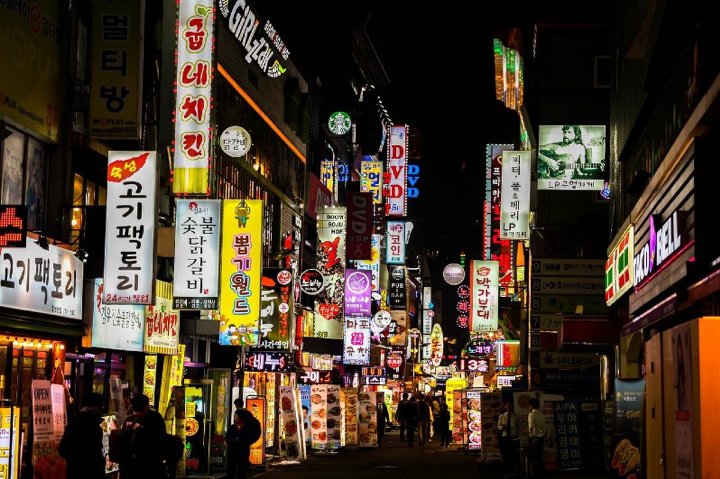
For travelers eager to immerse themselves in the high-energy pulse of a modern metropolis, Geonbae offers an authentic slice of contemporary South Korean urban culture. Situated in a bustling district characterized by towering commercial buildings and neon-lit alleyways, Geonbae is a dynamic streetscape flanked by an eclectic array of drinking establishments, traditional pocha (tented carts), and modern bars. The visual atmosphere is striking, marked by glowing signage and a vibrant pedestrian culture that peaks after sunset.
Historically, Seoul’s nightlife districts evolved from small clusters of local drinking dens into sprawling commercial hubs that cater to both hardworking locals looking to unwind and international tourists seeking a taste of the city’s legendary after-hours scene. Geonbae remains perpetually active, serving as a social melting pot where office workers, university students, and foreign visitors converge. Urban planning experts note that areas like Geonbae play a crucial role in Seoul’s nocturnal economy, contributing significantly to the city’s reputation as a 24-hour global city. Visitors walking through this district experience the fast-paced rhythm of Korean urban life firsthand, echoing the vibrant party scenes frequently depicted in contemporary Seoul-based television dramas.
Daehakro: The Artistic Heartbeat and Cultural Broadway of Seoul
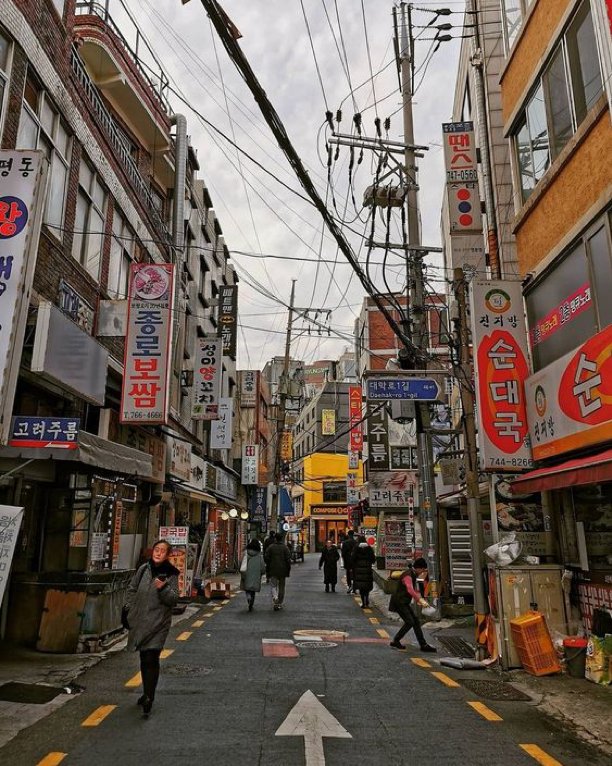
Shifting from the commercial nightlife to the realm of high culture and artistic expression, Daehakro stands as Seoul’s premier destination for theater, performance art, and creative exploration. Stretching approximately 1.6 kilometers, the name "Daehakro" literally translates to "University Street," a moniker derived from its historical association with the former campus of Seoul National University before its relocation in the late 1970s.
Today, Daehakro functions as South Korea’s equivalent to New York’s Broadway or London’s West End. The corridor and its surrounding narrow alleys are densely packed with more than a hundred small-to-medium-sized theaters, art galleries, live music venues, and bohemian cafes. Throughout the week, and particularly on weekends, the pedestrian-friendly avenue comes alive with street performers, indie musicians, and enthusiastic theatergoers. The cultural significance of Daehakro cannot be overstated; it serves as the foundational incubator for the nation’s contemporary performing arts scene, having launched the careers of numerous prominent Korean actors, directors, and playwrights. For travelers, visiting Daehakro offers a rare opportunity to witness the grassroots artistic vitality that fuels South Korea’s broader creative industries, providing a stark and enriching contrast to the hyper-modern commercial districts of the capital.
Starfield Library: Architectural Grandeur and the Modern Sanctuary of Knowledge
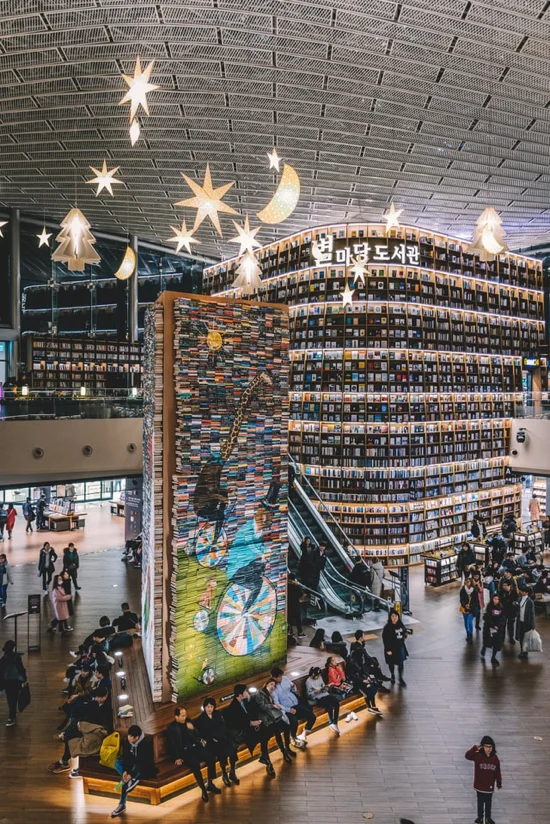
Located in the heart of the massive COEX Mall in Gangnam, Seoul, the Starfield Library represents a groundbreaking fusion of public civic space, commercial architecture, and modern interior design. Spanning over 2,800 square meters, this open-public library has quickly become one of the most photographed and visited interior landmarks in East Asia since its opening.
The defining architectural feature of the Starfield Library is its colossal, towering bookshelves that reach a staggering height of 13 meters. Housing tens of thousands of books, magazines, and digital reference materials, the library is designed with an open-floor concept that floods the interior with natural sunlight through a vast glass glasshouse-style ceiling. Unlike traditional, quiet reading rooms, the Starfield Library is envisioned as a vibrant cultural living room where visitors can read, relax, work, or attend free public lectures, poetry readings, and musical recitals.
Urban development analysts point to the Starfield Library as a successful model of urban placemaking—transforming a standard commercial shopping complex into a community-centric intellectual hub. By integrating literature and large-scale public art into a retail environment, the developers created an inclusive space that appeals equally to serious researchers, casual readers, and international tourists drawn by its stunning visual symmetry and photogenic qualities.
Broad Culinary Landscapes and the Broader Implications of Urban Tourism
Beyond specific landmarks like Geonbae, Daehakro, and the Starfield Library, a comprehensive journey through South Korea’s capital necessitates an exploration of its world-renowned culinary landscape. Seoul’s food culture ranges from historic street food markets, such as Gwangjang Market offering traditional bindaetteok (mung bean pancakes) and Mayak gimbap, to Michelin-starred fine dining establishments that reinterpret royal court cuisine. The integration of traditional flavors with modern culinary techniques mirrors the country’s broader societal trajectory—rapid modernization anchored by a deep respect for historical roots.
The continuous influx of international tourists to these diverse urban attractions carries profound economic and social implications for South Korea. Tourism officials and municipal planners constantly balance the need to accommodate millions of global visitors with the preservation of local residential quality of life and historical authenticity. Sustainable tourism initiatives have been implemented across Seoul to manage crowd flow, reduce environmental waste, and promote lesser-known cultural districts, ensuring that the economic benefits of the Korean Wave are distributed equitably across various communities.
Conclusion and Future Outlook for Travelers to South Korea
South Korea’s appeal as a premier international travel destination continues to strengthen, driven by the enduring global popularity of its cultural exports and the meticulous curation of its urban spaces. Whether one seeks the energetic metropolitan buzz of Geonbae, the artistic soul of Daehakro’s theater district, or the architectural awe of the Starfield Library, the nation offers a multifaceted travel experience that seamlessly merges past traditions with future-forward innovation. As international travel trends evolve, South Korea remains a benchmark for how cultural diplomacy and strategic urban tourism can successfully collaborate to captivate the global imagination.
