
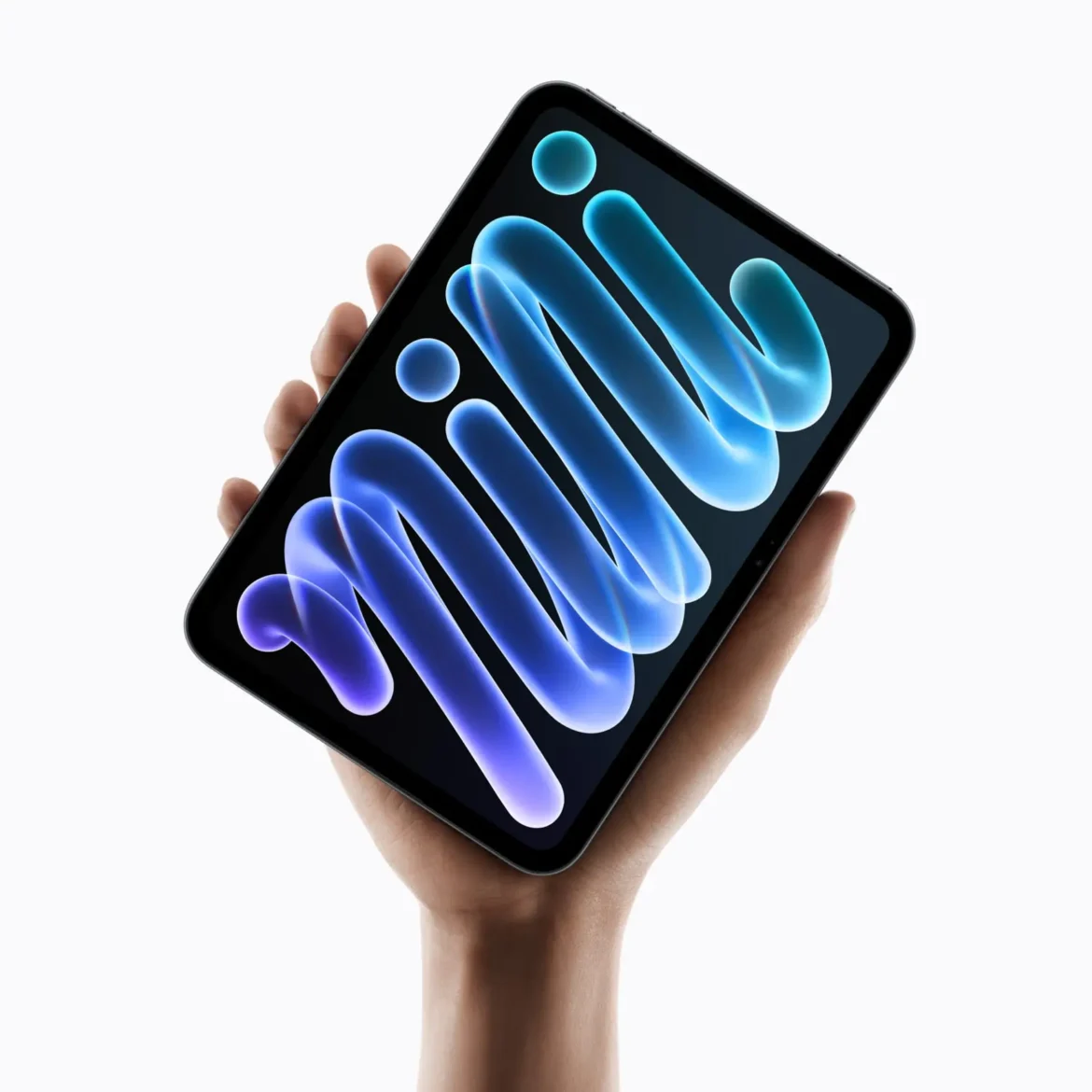
Apple Inc. has officially announced the launch of the completely redesigned iPad mini, marking what industry analysts are calling the most significant generational leap in the history of the compact tablet lineup. Unveiled on October 26, 2026, the new device breaks away from traditional tablet engineering constraints by integrating high-end display technology, cutting-edge semiconductor architecture, and enhanced durability features into a form factor that remains remarkably portable. This latest iteration is engineered to cater to professionals, creatives, and power users who demand uncompromising performance in a pocket-sized footprint.
Main Facts and Architectural Breakthroughs
At the heart of the new iPad mini is a substantial overhaul of its core components, beginning with the transition from LCD to a larger 8.5-inch Super Retina XDR OLED display. Despite the increase in screen real estate from previous models, the overall physical dimensions of the chassis have been preserved through a reduction in bezel thickness by 24 percent. The newly engineered OLED panel delivers a peak brightness of 1,200 nits and an impressive contrast ratio of 2,000,000:1. Furthermore, Apple has introduced an optional nano-texture glass layer, a feature previously reserved for professional Pro Display XDR monitors, designed to scatter ambient light and significantly minimize glare in brightly lit environments.

Performance capabilities have been elevated through the integration of the brand-new Apple A20 Pro system-on-chip (SoC), manufactured on an advanced 2-nanometer process node. According to internal benchmarks released by Apple, the 2nm architecture yields a 60 percent increase in multithreaded CPU performance alongside a graphical rendering capability that is up to 2.7 times faster than its predecessor. Artificial intelligence workloads receive a massive boost, with AI processing speeds multiplying by 4.5 times thanks to dedicated Neural Accelerators embedded within every GPU core. For the top-tier 512GB storage configuration, Apple has incorporated a Dual 16-core Neural Engine to facilitate resource-intensive machine learning tasks seamlessly on-device.
Despite housing these powerful internal upgrades, the device’s aluminum chassis has been trimmed down to an ultra-slim 5.4 millimeters, resulting in a lighter overall weight. Crucially, Apple has addressed long-standing consumer requests for ruggedness by introducing IP67 dust and water resistance, allowing the tablet to endure accidental submersion in fresh water up to a depth of one meter for up to thirty minutes under controlled laboratory test conditions.
Chronology and Release Timeline
The rollout schedule for the latest iPad mini follows Apple’s established product launch framework, providing a structured window for consumers and enterprise clients to secure pre-orders ahead of the holiday shopping season.

- October 26, 2026: Apple officially unveils the redesigned iPad mini via its global newsroom and digital event channels, outlining its technical specifications, pricing tiers, and regional availability.
- October 28, 2026: Official pre-orders open globally across Apple’s online store, authorized resellers, and partner carrier networks, with initial shipping slots allocated on a first-come, first-served basis.
- November 6, 2026: The official retail launch date, marked by in-store availability at Apple retail locations worldwide and the commencement of direct deliveries to early customers.
Pricing for the United States market begins at $699 for the base Wi-Fi model, while the Wi-Fi + Cellular configuration carries a starting price of $849. Storage options are structured across three tiers: 128GB, 256GB, and 512GB. Color choices at launch are restricted to two sophisticated finishes, midnight and starlight, complemented by newly designed Smart Folio accessories and full compatibility with both the Apple Pencil Pro and Apple Pencil USB-C. Regional pricing and availability dates for international territories, including Southeast Asian markets, remain unannounced as of press time.
Supporting Data and Technical Specifications
A closer examination of the hardware reveals targeted refinements across audio, connectivity, and imaging subsystems. The audio experience is anchored by a newly developed Acoustic Display system, which utilizes structural audio distribution. By embedding sub-surface woofers behind the display assembly alongside dedicated tweeters positioned between the cover glass and the aluminum frame, the tablet achieves deeper bass resonance and clearer high-frequency output without requiring external speaker grills.
Imaging hardware has also been modernized. The front-facing 12-megapixel ultra-wide camera has been repositioned along the landscape edge of the device to optimize framing during video conferences, maintaining full support for Apple’s Center Stage feature. On the rear, a 12-megapixel main camera incorporates Smart HDR 4, 4K video recording up to 60 frames per second, and an Adaptive True Tone Flash designed to improve document scanning and low-light photography.

Wireless capabilities are spearheaded by Apple’s proprietary N1 wireless chip, introducing support for Wi-Fi 7, Bluetooth 6, and Thread networking protocols. Cellular-enabled models upgrade to the C2 modem, delivering up to a 50 percent increase in data transfer speeds over cellular networks while enhancing energy efficiency and expanding eSIM management capabilities.
Operating System and Software Integration
The hardware advancements are fully harnessed by iPadOS 27, which introduces deep system-level integration for Apple Intelligence and an upgraded beta version of Siri. The software suite leverages the device’s advanced neural processing power to deliver personalized context understanding, on-screen content awareness, sophisticated AI-driven photo editing tools, and the generative Image Playground feature.
Furthermore, software updates introduced via iPadOS 27.2 unlock extended monitor support, allowing users to connect external displays and utilize them as secondary desktop workspaces. This bridges the functional gap between portable consumption devices and traditional desktop workstations, making the compact tablet a viable tool for mobile professionals.

Industry Implications and Market Analysis
Industry analysts view the release of the 2026 iPad mini as a strategic pivot by Apple to redefine the boundaries of small-form-factor computing. By migrating to OLED technology and adopting a 2nm processor node ahead of many industry competitors, Apple demonstrates its continued dominance in silicon design and display integration.
The inclusion of robust AI processing capabilities directly on a compact device signals a broader industry trend toward edge computing, where complex machine learning tasks are executed locally rather than relying on cloud infrastructure. This approach addresses growing enterprise and consumer concerns regarding data privacy and latency. Furthermore, the addition of IP67 water and dust resistance addresses the primary durability concerns of field workers, outdoor enthusiasts, and education sectors, potentially expanding the market penetration of the iPad mini beyond traditional media consumption demographics.
As regulatory bodies and consumer groups increasingly scrutinize supply chain efficiencies and hardware longevity, Apple’s emphasis on structural durability, repairability standards, and high-performance silicon positions the new iPad mini as a long-term investment rather than a disposable gadget. The absence of immediate pricing announcements for emerging markets suggests that localized supply chain adjustments and regional tariff evaluations are still underway, though strong global demand during the upcoming pre-order phase is widely anticipated by market forecasters.
