
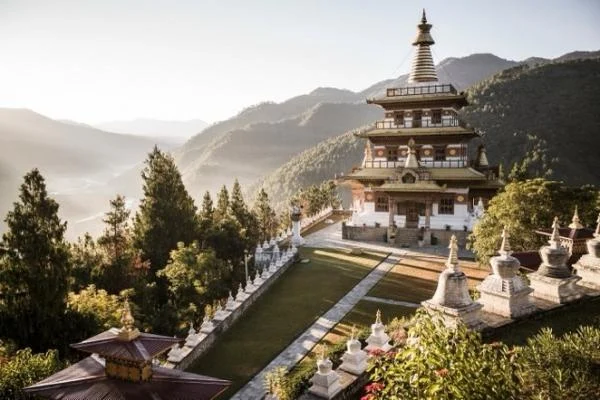
Bhutan, a landlocked nation nestled in the eastern Himalayas, is increasingly positioning itself as a premier destination for couples seeking a departure from traditional, resort-based honeymoons. Often referred to as the "Land of the Thunder Dragon" or the "Last Shangri-La," the country has gained global recognition not merely for its breathtaking geography, but for its pioneering development philosophy: Gross National Happiness (GNH). For newlyweds, this ethos translates into a travel experience that prioritizes spiritual reflection, cultural immersion, and deep connection with nature, far removed from the hyper-commercialized tourism hubs of the modern world.
The Evolution of Bhutanese Tourism Policy
The rise of Bhutan as a high-end, exclusive honeymoon destination is no accident. Since opening its doors to international tourists in 1974, the Royal Government of Bhutan has strictly adhered to a "High Value, Low Volume" tourism policy. This approach was designed to protect the nation’s fragile ecology and preserve its unique Buddhist cultural heritage from the degradation often associated with mass tourism.
In September 2022, the government recalibrated this strategy by increasing the Sustainable Development Fee (SDF) to $200 per person per night for international visitors. While this made Bhutan one of the most expensive destinations in the world, it effectively filtered the visitor demographic. For honeymooners, this policy shift has been largely beneficial; it ensures that the sites they visit—from the cliffside Tiger’s Nest Monastery to the tranquil valleys of Punakha—remain uncrowded, pristine, and conducive to private, romantic contemplation.
Landscape and Geography: A Backdrop for Intimacy
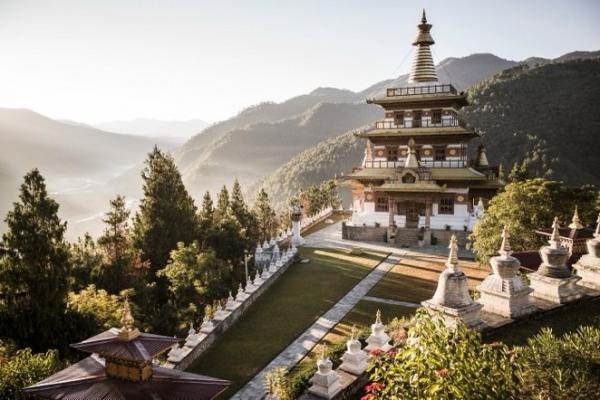
The topographical diversity of Bhutan is a primary draw for adventurous couples. The country’s elevation ranges from 200 meters in the southern foothills to over 7,000 meters in the north. This dramatic verticality allows for a variety of experiences within a relatively short travel distance.
Couples can begin their journey in the Paro Valley, home to the iconic Paro Taktsang, or the Tiger’s Nest Monastery. Perched precariously on a granite cliff 900 meters above the valley floor, the hike to this sacred site is often viewed as a metaphor for the challenges and rewards of a new marriage. Moving eastward, the Phobjikha Valley offers a different, more pastoral aesthetic. This vast, U-shaped glacial valley is a conservation area and the winter home of the endangered black-necked cranes. For a couple, staying in a local farmstead in this region offers a level of seclusion that is increasingly difficult to find in the digital age.
Cultural Immersion: Beyond Sightseeing
Unlike standard honeymoon destinations where the focus is on sedentary luxury, a trip to Bhutan requires a level of engagement that fosters partnership. The country’s culture is deeply rooted in Vajrayana Buddhism, which influences everything from architecture to daily social interactions.
Visitors often participate in traditional rituals, such as the Tshechu festivals, which feature vibrant masked dances and are considered a form of religious blessing. Furthermore, the practice of Dotsho, or traditional hot stone baths, is a quintessential Bhutanese wellness experience. River stones are heated over a fire until they glow red and are then lowered into a wooden tub filled with water and medicinal herbs. This ritual, deeply ingrained in the local lifestyle, serves as a therapeutic respite after days of trekking through high-altitude passes.

Economic and Social Implications
The shift toward luxury-focused, wellness-oriented travel has significant implications for Bhutan’s economy. According to data from the Tourism Council of Bhutan, the revenue generated from the SDF is directly funneled into carbon-neutral initiatives, free education, and free healthcare for the Bhutanese people. For the conscious traveler, choosing Bhutan for a honeymoon is often perceived as an act of "regenerative travel." By paying the daily fee, visitors are effectively contributing to the preservation of a nation that remains the world’s only carbon-negative country.
From a sociological perspective, the emphasis on happiness in Bhutan serves as a compelling backdrop for couples at the start of their life together. The Bhutanese approach to GNH—which balances economic growth with environmental conservation, cultural promotion, and good governance—offers a philosophical template for modern relationships. Couples often report that the absence of excessive connectivity and the presence of a "slow-living" environment allow for a level of communication and bonding that is rarely achieved in their home environments.
Chronology of a Bhutanese Honeymoon Experience
A typical seven-day itinerary for a couple visiting Bhutan usually follows a logical progression of acclimatization and exploration:
- Days 1-2: Paro and Thimphu. Arrival at Paro International Airport, followed by a transition to the capital, Thimphu. These days are usually spent adjusting to the altitude and visiting cultural landmarks like the Tashichho Dzong.
- Days 3-4: Punakha. A drive over the Dochula Pass, offering panoramic views of the Himalayas, leads to the warmer, subtropical valley of Punakha. This region is famous for the Punakha Dzong, located at the confluence of the Pho Chhu and Mo Chhu rivers, often cited as one of the most romantic spots in the country.
- Days 5-6: Phobjikha or Gangtey. A retreat into the wilderness. These days are dedicated to nature walks, bird watching, and engaging with the rural community.
- Day 7: Departure. A final morning of reflection before departing from Paro.
Expert Perspectives on Wellness Tourism
Dr. Tandin Dorji, a researcher specializing in Bhutanese cultural heritage, notes that the country’s appeal lies in its "intentional stillness." He suggests that the modern couple is often suffering from "decision fatigue," and Bhutan offers a landscape where the primary task is simply "to be."
"When couples arrive here, they are often overwhelmed by the silence," Dr. Dorji stated. "In a world that demands constant output, the Bhutanese landscape demands nothing but your presence. This is the ultimate luxury for a new couple."
Infrastructure and Accommodations
While Bhutan is known for its rugged terrain, it has seen a significant increase in high-end hospitality offerings. International luxury chains have partnered with local entrepreneurs to create lodges that blend modern amenities with traditional Bhutanese architecture. These accommodations often utilize local materials—stone, wood, and clay—to ensure that the physical structure of the hotel respects the surrounding environment.
These lodges are not merely places to sleep; they are designed as hubs for cultural education. Many offer guided meditation sessions led by local monks, cooking classes featuring Ema Datshi (a traditional chili and cheese dish), and archery lessons—the national sport of Bhutan.
Addressing Potential Challenges
Prospective visitors should be aware of the logistical realities of Bhutan. The country is not a destination for those seeking a typical "fly-and-flop" beach vacation. The roads are winding and can be challenging for those prone to motion sickness, and the altitude in regions like Paro and Thimphu (above 2,000 meters) requires a period of physical adjustment.
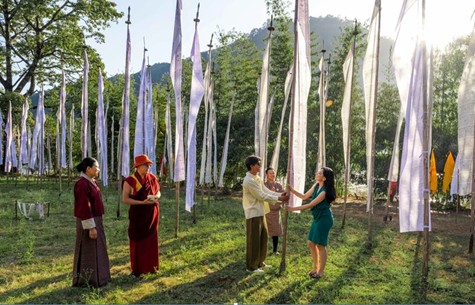
Furthermore, the requirement to book through a licensed tour operator can be perceived as restrictive by some. However, this structure ensures that every couple has a private guide and driver, providing a level of personalized service and safety that is standard in the Bhutanese tourism model.
Future Outlook
As the global tourism industry continues to recover and evolve, Bhutan remains committed to its long-term vision of sustainable, high-value growth. For the couple looking to begin their journey in a place that values integrity, silence, and the profound beauty of the natural world, Bhutan offers a rare and significant experience. It is not a destination for the casual vacationer, but for those who view their honeymoon as a foundational experience, the "Land of the Thunder Dragon" stands as a beacon of quiet, sustainable, and deeply meaningful travel.
The combination of the country’s rigorous policy, its commitment to environmental and spiritual well-being, and its breathtaking Himalayan geography creates a unique value proposition. In the years to come, as more couples prioritize the quality of their experiences over the quantity of their destinations, Bhutan is poised to remain at the forefront of the global conversation on intentional and transformative travel.
