
Maintaining stable blood glucose levels is a fundamental pillar of metabolic health, particularly for the millions of individuals worldwide living with diabetes or pre-diabetes. While fruits are widely recognized for their rich profiles of essential vitamins, minerals, and antioxidants, their impact on glycemic control varies significantly. For patients navigating the complexities of insulin management, the selection of fruit is not merely a matter of taste but a strategic dietary decision based on glycemic index (GI) values and fiber content. Recent clinical insights, including reports published by Health.com, underscore that while some fruits can induce rapid insulin spikes, others act as potent tools in managing long-term glucose stability and cardiovascular risk.
The Science of Glycemic Management Through Nutrition
The human body processes fruit sugar, or fructose, differently than processed sugars found in confectioneries. However, not all fruits are created equal. The glycemic index—a scale ranking foods from 0 to 100 based on how quickly they raise blood sugar—serves as the primary metric for these dietary choices. Fruits with a high GI can cause rapid fluctuations, potentially leading to hyperglycemia. Conversely, fruits with high fiber content, particularly soluble fiber, slow the absorption of sugar into the bloodstream.
Clinical research has consistently shown that dietary intervention is the first line of defense in managing Type 2 diabetes. By prioritizing complex carbohydrates and high-fiber plant foods, patients can significantly lower their Hemoglobin A1c (HbA1c) levels, which serves as a vital indicator of blood glucose management over a two-to-three-month period.
1. The Power of Berries: Blueberries, Raspberries, and Blackberries
Berries are frequently cited by endocrinologists and nutritionists as the "gold standard" for blood sugar management. These small but nutrient-dense fruits are packed with anthocyanins, the pigments responsible for their vibrant colors, which function as powerful anti-inflammatory and antioxidant agents.

Research indicates that regular consumption of blueberries and cranberries can significantly improve insulin sensitivity. A landmark study revealed that individuals who incorporated these fruits into their daily regimen saw a measurable reduction in their HbA1c markers. The mechanism behind this benefit is largely attributed to the high pectin content—a type of soluble fiber that delays gastric emptying and prevents sharp post-prandial (after-meal) glucose spikes. Furthermore, the inclusion of berries in a diet is linked to a decreased risk of cardiovascular disease and hypertension, both of which are common comorbidities in diabetic patients.
2. Alpukat: The Strategic Fat and Fiber Combination
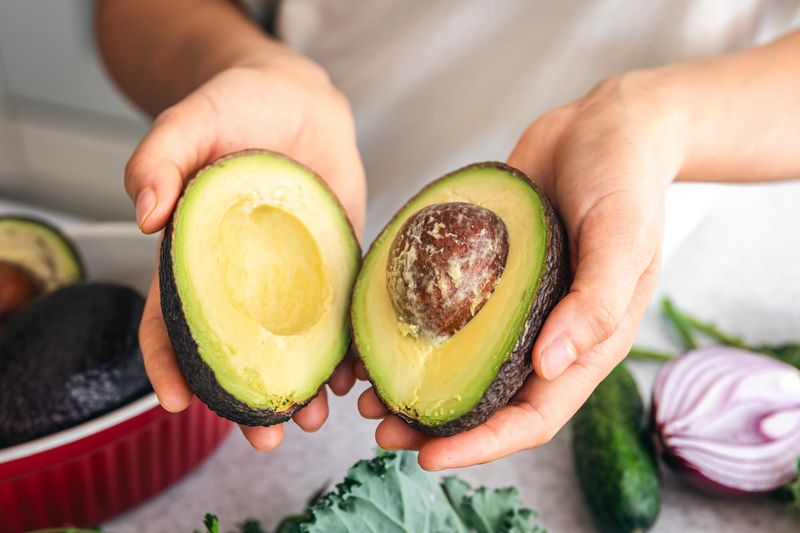
While most fruits are primarily carbohydrate-based, the avocado (alpukat) stands as a distinct nutritional anomaly. It is exceptionally low in sugar and high in monounsaturated fats. For individuals monitoring their blood glucose, the avocado offers a unique advantage: it provides satiety without triggering an insulin response.
The combination of healthy fats and dietary fiber is critical for glycemic control. When fats are present in a meal, they slow the rate at which the stomach empties its contents into the small intestine, thereby moderating the speed at which sugars are absorbed. This creates a "flattening" effect on the blood sugar curve. Beyond immediate glucose management, the inclusion of monounsaturated fats has been linked to improved lipid profiles, specifically the reduction of LDL (bad) cholesterol, which is a major health benefit for those at risk of metabolic syndrome.
3. Citrus Fruits: Pectin and Polyphenols
The genus Citrus, including oranges, lemons, and pomelos, is a cornerstone of health-conscious diets globally. Citrus fruits possess a relatively low glycemic index, often falling below 50. Their primary contribution to blood sugar stability is pectin. As a soluble fiber, pectin forms a gel-like substance in the digestive tract, which physically impedes the rapid uptake of glucose.
Beyond fiber, citrus fruits contain naringenin, a specific polyphenol that has demonstrated potent anti-diabetic properties in laboratory settings. By modulating hepatic glucose production and enhancing peripheral insulin sensitivity, naringenin helps the body handle glucose more efficiently. Health organizations recommend consuming the whole fruit rather than the juice to ensure the fiber matrix remains intact, as fiber is the primary component responsible for the fruit’s anti-diabetic effect.

4. The Role of Apples in Pre-Meal Glycemic Control
Apples are perhaps the most accessible high-fiber fruit, yet their utility in diabetes management is often overlooked. A medium-sized apple contains approximately 4 grams of fiber, a significant portion of which is pectin.
A 2022 clinical study provided compelling evidence for the "sequencing" of food intake. Researchers observed that participants who consumed an apple prior to eating a carbohydrate-heavy meal, such as white rice, experienced significantly lower post-meal blood glucose levels compared to those who did not. This suggests that the timing of fruit consumption can be as important as the choice of fruit itself. By consuming the fiber-rich apple first, the individual creates a "buffer" in the digestive system, reducing the glycemic impact of the subsequent meal.
5. Pomegranate: Complex Phytochemicals for Metabolic Health
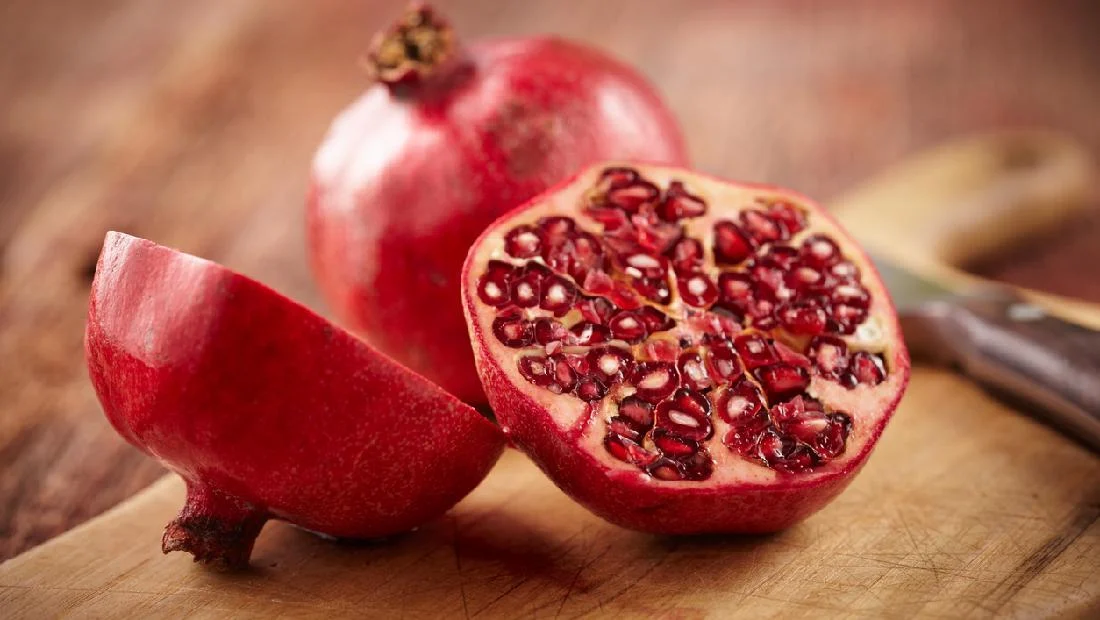
The pomegranate is a complex fruit, both in its structure and its biochemical profile. It is rich in punicalagins and anthocyanins, which are potent antioxidants. Research has shown that pomegranate extract can improve insulin resistance, a condition where the body’s cells stop responding effectively to insulin.
For patients with Type 2 diabetes, the regular intake of pomegranate has been associated with a reduction in systolic and diastolic blood pressure. This dual-action—improving glucose markers while simultaneously protecting the cardiovascular system—makes the pomegranate a highly recommended supplement to a balanced diabetic diet. Whether consumed as whole arils or in fresh juice form, the fruit provides a concentrated dose of organic acids that support metabolic function.
Clinical Perspective and Implications
The consensus among health professionals is that the integration of these five fruits into a daily diet should be viewed as part of a holistic approach to health. It is not sufficient to simply add these fruits to a diet that remains high in refined sugars and processed fats. Instead, these fruits serve as replacements for high-glycemic snacks and desserts.
Furthermore, medical experts emphasize the importance of portion control. While these fruits are "safe," they still contain natural sugars. Overconsumption, even of healthy foods, can disrupt caloric balance and lead to weight gain, which is detrimental to diabetes management.
Chronology of Dietary Guidelines
The shift toward fiber-centric fruit consumption is the result of decades of nutritional research. In the 1990s, the focus was primarily on total carbohydrate restriction. By the early 2000s, the emergence of the Glycemic Index allowed for a more nuanced understanding of how different carbohydrates interact with the body. Today, the focus has shifted toward the "glycemic load" and the synergistic effects of phytonutrients and fiber.
Expert Summary and Recommendations
Health experts provide the following guidelines for those aiming to stabilize their blood sugar:
- Prioritize Whole Fruit: Avoid processed juices, which lack the fiber necessary to slow sugar absorption.
- Mind the Timing: Consider eating high-fiber fruits like apples or berries before main meals.
- Diversity is Key: Rotate between different types of fruits to ensure a broad intake of diverse antioxidants and minerals.
- Monitor Personal Response: Every individual metabolizes food differently. Using a continuous glucose monitor (CGM) or regular blood glucose testing after consuming specific fruits can help patients identify which ones work best for their specific metabolic profile.
In conclusion, the strategic inclusion of berries, avocados, citrus, apples, and pomegranates provides a scientifically backed path to better glycemic control. By leveraging the natural fiber and unique phytochemical profiles of these fruits, individuals can significantly improve their long-term health outcomes, reducing the risk of complications associated with diabetes and cardiovascular disease.
