
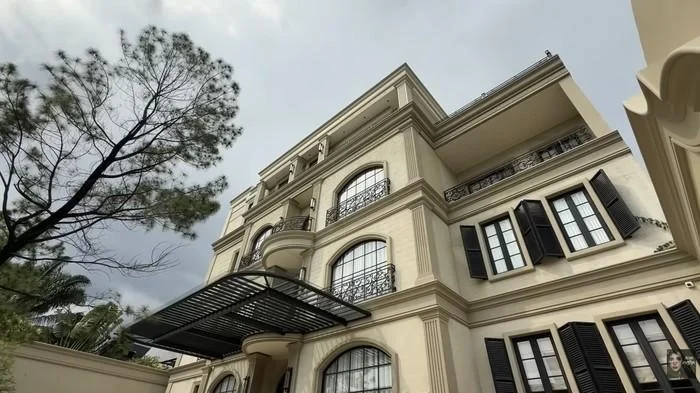
The residence of prominent Indonesian beauty influencer Tasya Farasya has recently become the subject of intense public scrutiny following reports of significant structural failures. While the digital creator is widely celebrated for her sophisticated aesthetic and meticulously curated lifestyle content, the current situation highlights the vulnerabilities inherent in high-end luxury property management. Before the emergence of these structural complications—which are reportedly requiring multi-billion rupiah investments for remedial construction—Farasya had previously provided her audience with an extensive tour of her residence, showcasing interior designs that serve as a benchmark for modern luxury living, particularly within her kitchen facilities.
The Architectural Crisis: A Timeline of Events
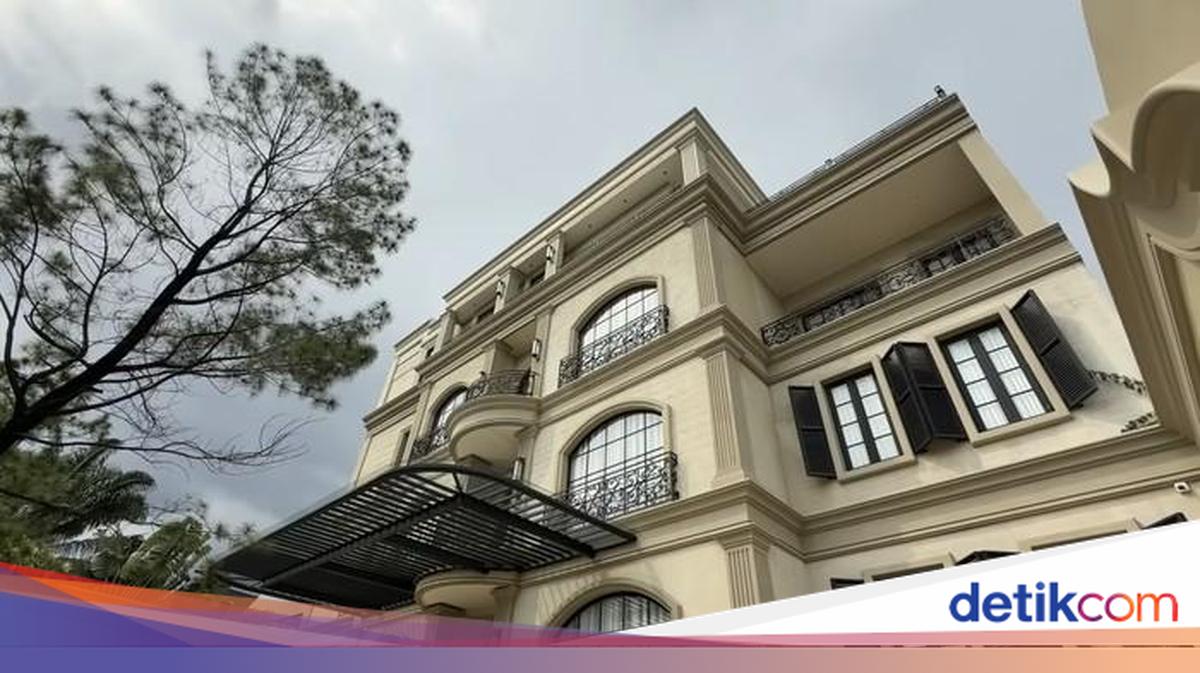
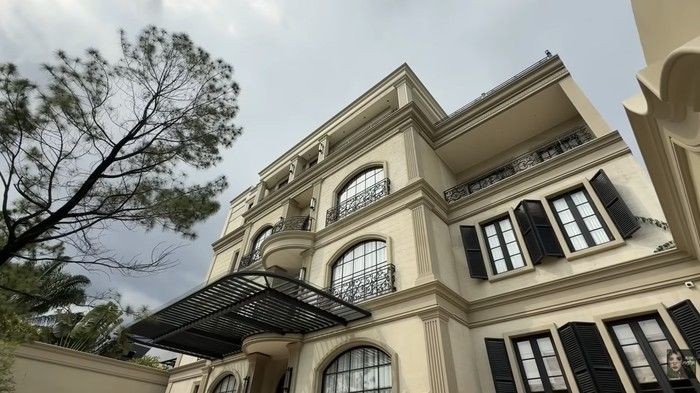
The discourse surrounding Tasya Farasya’s home shifted dramatically in late 2026. What was once viewed as a sanctuary of architectural elegance has now become a cautionary tale regarding the complexities of maintaining large-scale, high-end residential assets. Reports indicate that the property began showing signs of structural distress, including cracks and foundational inconsistencies, which compelled the homeowner to initiate emergency restoration efforts.
While the exact technical causes of these structural issues have not been publicly detailed by engineering consultants, the magnitude of the repair costs—reaching into the billions of rupiah—suggests a significant failure in either the initial construction phase or the geological stability of the site. For followers of the influencer, the contrast between the pristine, high-tech kitchen previously documented and the current state of structural repair has sparked a broader conversation regarding the risks associated with luxury real estate investment in the greater Jakarta area.
A Sanctuary of Culinary Sophistication
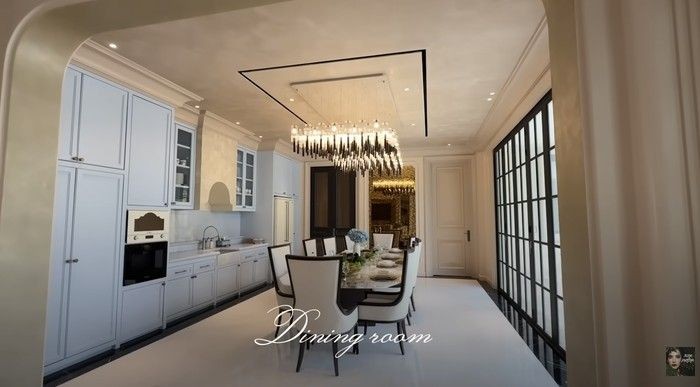
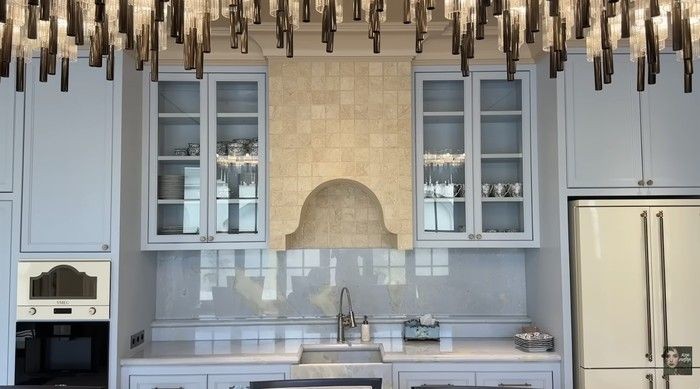
Prior to the necessity of these structural interventions, Farasya’s kitchen was widely lauded for its integration of smart-home technology and high-end European appliances. The design philosophy of her home, which heavily utilizes soft color palettes such as baby blue and cream, extends seamlessly into her culinary spaces. The kitchen is divided into two distinct functional zones: a "clean kitchen" for light preparation and entertaining, and a "dirty kitchen" designed for heavy-duty culinary production.
The clean kitchen serves as the visual centerpiece, featuring an aesthetic that prioritizes clean lines and minimalist luxury. The dining area, characterized by its serene baby blue interior, complements the neutral tones found throughout the residence, reflecting a cohesive design language that has become synonymous with the influencer’s brand.
High-End Appliance Integration and Economic Value
The equipment selected for the kitchen facilities underscores a significant capital investment. A primary feature that garnered attention during previous tours is the Allegra-brand smart dispenser. Unlike standard water dispensing units, this device features advanced filtration and temperature regulation capabilities. It is engineered to deliver precise water volumes for specific tasks, such as brewing specialty coffee or providing chilled, ambient, or boiling water with the touch of a button. Marketed at approximately IDR 20 million, this appliance serves as a case study in how luxury consumers prioritize convenience and aesthetic integration in their domestic environments.
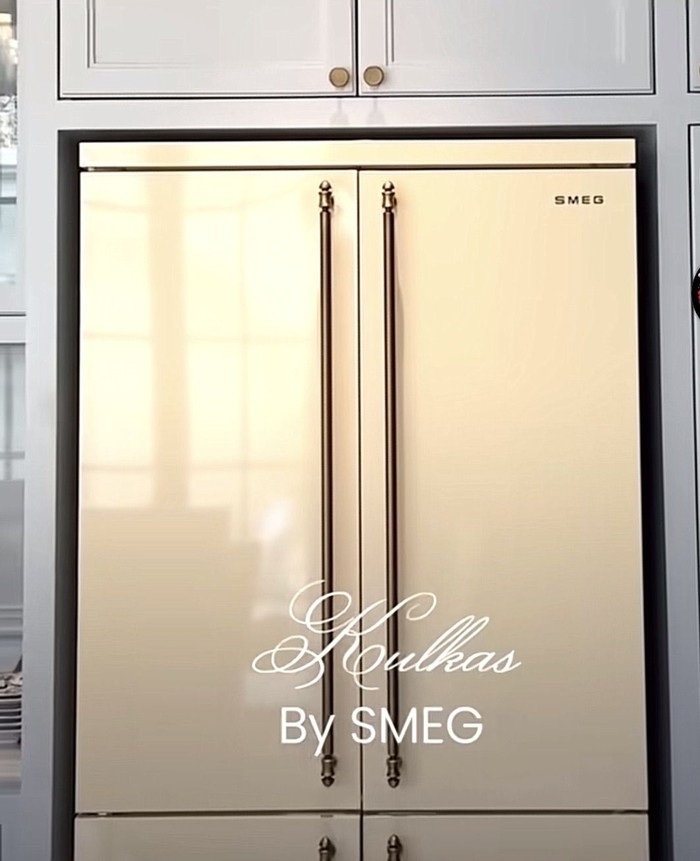
Furthermore, the "dirty kitchen" area houses appliances that represent the upper echelon of the kitchenware market. The refrigeration unit, a signature cream-colored classic-style model from SMEG, is valued at approximately IDR 105 million. This choice of appliance is emblematic of a broader trend among high-net-worth individuals to treat kitchen hardware as both functional tools and high-value decorative assets. The integration of such high-cost appliances requires not only financial liquidity but also specific maintenance protocols to ensure the longevity of the hardware.
Engineering and Design Features
Beyond the appliances, the architectural features of the kitchen demonstrate a commitment to functional luxury. The use of "sparkly" marble surfaces in the heavy-duty kitchen is not merely a stylistic choice; it serves as a psychological design element intended to foster a productive environment for the household staff.
Perhaps the most technologically impressive feature is the automated window system located near the primary sink. Designed to facilitate ventilation and prevent the accumulation of moisture and odors—a common issue in high-traffic kitchens—the system is operated via remote control. This installation highlights the intersection of automation and traditional interior design, aiming to solve the practical problems of air circulation in large, enclosed spaces.

Economic and Industry Implications
The focus on Farasya’s home serves as an anecdotal representation of the luxury property market in Indonesia. The costs associated with these appliances—ranging from the IDR 106 million SMEG stove to the automated window systems—illustrate a niche market segment that prioritizes brand prestige and technological superiority.
However, the recent structural challenges also highlight a critical reality: the maintenance of luxury property is a continuous and capital-intensive endeavor. When structural integrity is compromised, the high-end finishes and appliances become secondary to the fundamental safety of the building. The current situation serves as a reminder to potential luxury homeowners that property value is not merely derived from aesthetic appeal or high-cost equipment, but is fundamentally dependent on the soundness of the underlying civil engineering and construction quality.

Public and Expert Reaction
The public response to the situation has been multifaceted. Fans have expressed concern over the financial burden placed upon the influencer, while industry observers have utilized the incident to discuss the importance of rigorous quality control in luxury construction. In the context of Jakarta’s evolving urban landscape, where the demand for high-end residential spaces remains high, experts suggest that such incidents highlight the necessity for transparent construction audits and the involvement of reputable engineering firms during the pre-construction phase.
While the influencer has remained focused on the remediation process, the public interest in her home remains high. The transition from admiration of her kitchen’s luxury to empathy for the home’s structural issues marks a pivotal moment in the influencer’s digital narrative. It underscores the reality that even the most well-documented and seemingly perfect homes are subject to the unpredictable nature of physical infrastructure.
Conclusion: Lessons in Luxury Management
The case of Tasya Farasya’s kitchen provides a unique window into the life of a digital creator who has integrated high-technology, luxury, and aesthetics into her home. However, it also serves as a critical point of reflection on the broader theme of property ownership. As structural repairs continue, the focus will likely remain on how the influencer balances the restoration of her home’s aesthetic value with the necessary, and often invisible, efforts required to ensure long-term structural viability.
Ultimately, the kitchen remains a testament to a specific era of design—a period defined by the convergence of "smart" technology and classic elegance. Whether these features will be preserved throughout the upcoming structural renovations remains to be seen, but the documented history of the space provides a detailed look at the standards of luxury living in the contemporary Indonesian context. For now, the public continues to monitor the progress of the repairs, marking the end of one chapter in the home’s history and the beginning of a complex, high-stakes recovery project.
