
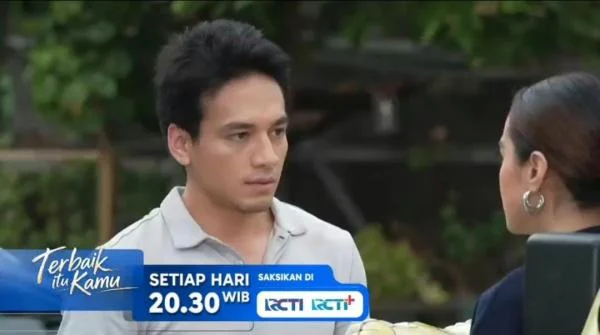
The landscape of Indonesian television drama continues to captivate audiences nationwide, with prime-time offerings remaining a cornerstone of daily entertainment and cultural discourse. Among the most discussed programs currently gracing the small screen is the hit series Terbaik Itu Kamu, which broadcasts every evening at 20.30 Western Indonesia Time (WIB) on the RCTI network, specifically accessible via Channel 28. Known for its intricate web of romance, high-stakes family drama, and pulse-pounding action elements, the series has successfully carved out a dedicated viewership. As the narrative progresses, Episode 15 has emerged as a critical turning point, delivering a masterclass in emotional manipulation, public scrutiny, and character resilience that has left fans and critics alike talking about the future trajectory of the storyline.
Main Facts and Narrative Direction of Terbaik Itu Kamu
Terbaik Itu Kamu has steadily solidified its reputation as a must-watch drama by consistently pushing its characters into moral and emotional dilemmas. The series is anchored by a stellar ensemble cast featuring prominent Indonesian talents. Salsabila Andriani stars as the resilient Sera Maharani, alongside Jefri Nichol as the steadfast Kenzi Adrian. The narrative also benefits from the dynamic performances of Marvin Daneswara (portraying Arya Vasco), Rachel Patricia (Clara Putri), Benny Ruswandi (Prayoga Bratanegara), and Cinta Dewi (Lena Saputri), among a roster of other celebrated actors and actresses.
The core premise of the series revolves around themes of romance, betrayal, and an unrelenting quest to uncover hidden truths. However, Episode 15 shifted the focal point heavily toward the devastating real-world consequences of digital manipulation and the revival of past traumas. Rather than relying solely on romantic tropes, the recent episode plunged its protagonist into a severe crisis of public relations and personal safety, reflecting modern societal issues surrounding cyberbullying, the weaponization of social media, and cancel culture.
Chronology of Events in Episode 15
The escalation of tension in the latest broadcast follows a meticulous sequence of events that pushes Sera Maharani to her absolute lowest point. The narrative tension begins when Sera makes a vulnerable and candid confession regarding the cancellation of a crop order belonging to Pak Soleh. While intended as a moment of transparency, this admission becomes a fatal vulnerability exploited by her antagonist, Wilda.
Capitalizing on the confession, Wilda orchestrates a calculated smear campaign. She digs into Sera’s history, unearthing a dark chapter involving a past stint in prison. By weaponizing this information, Wilda edits and distributes a viral video designed to inflict maximum reputational damage. The digital assault gains terrifying momentum, sparking an immediate and ferocious public backlash characterized by the trending hashtag #NOSERA across various social media platforms.
The digital vitriol quickly spills over into the physical world. The consequences are immediate and severe: Sera is subjected to relentless harassment from internet users and faces public humiliation while simply trying to run daily errands at the local market in the company of Alea and Lita. The hostile crowd quickly turns threatening, trapping the women in a volatile and unsafe environment.
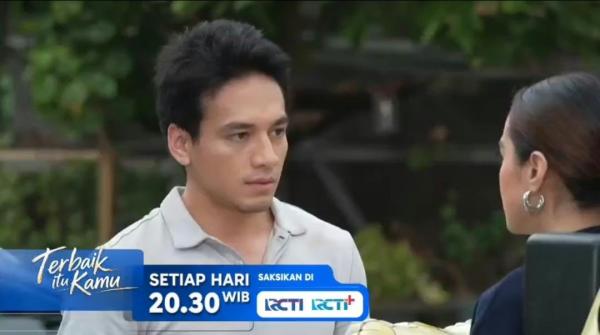
Amidst the chaos, Kenzi Adrian emerges as a vital stabilizing force. Racing to the scene, Kenzi intervenes and rescues Sera, Alea, and Lita from the escalating mob violence. Despite physical safety being restored, the psychological toll on Sera is immense. The terrifying experience triggers a severe anxiety attack, highlighting the lingering vulnerability of her past trauma. In a poignant and emotionally resonant scene, Kenzi utilizes a simple gesture—gifting Sera a Winnie the Pooh balloon, which serves as a sweet and bittersweet reminder of her late father—to ground her. This delicate touch successfully diffuses her panic, creating a fragile yet powerful moment of emotional intimacy between the two characters.
Background Context and Genre Evolution in Indonesian Television
To understand the resonance of Terbaik Itu Kamu, one must examine the broader evolution of Indonesian soap operas, locally known as sinetron. Historically, prime-time television in Indonesia leaned heavily on melodramatic tropes, elongated episode counts, and straightforward romantic pairings. However, audience demographics have shifted significantly in recent years. Viewers, particularly younger and more digitally literate cohorts, increasingly demand narratives that mirror contemporary socio-cultural realities, such as the destructive power of social media, cancel culture, and complex psychological struggles.
Terbaik Itu Kamu capitalizes on this shift by blending traditional romantic elements with action-oriented pacing and multi-layered family drama. By introducing complex characters who are neither entirely good nor entirely bad, the production team has cultivated a viewing environment where moral gray areas dominate. Sera Maharani’s character arc—defined by her criminal past, redemption efforts, and vulnerability to modern digital lynching—represents a departure from the idealized, flawless heroines of older Indonesian television eras. This realism has been a primary driver of the show’s sustained high ratings on RCTI.
Industry Implications and Audience Engagement
The reception of Episode 15 of Terbaik Itu Kamu underscores the profound impact that modern media narratives have on real-world conversations regarding digital ethics. Industry analysts note that incorporating themes of online harassment and public shaming into prime-time fiction serves a dual purpose: it provides high-stakes dramatic conflict while subtly holding up a mirror to society’s current digital behavior.
The phenomenon of the fictional hashtag #NOSERA within the storyline cleverly mirrors real-world cyberbullying trends. By depicting the rapid spread of misinformation and the subsequent offline consequences—such as public harassment at a traditional market—the show’s writers actively engage viewers in discussions about empathy, the permanence of digital footprints, and the dangers of mob mentality.
Furthermore, the strategic placement of the series at the prime-time slot of 20.30 WIB on RCTI maximizes its reach, capturing families as they gather in the evening. This scheduling has proven effective, as evidenced by active audience engagement across digital platforms, including the show’s dedicated following and related news updates shared via official channels like the WhatsApp Channel of major media networks.
Conclusion and Future Outlook
As Terbaik Itu Kamu continues its run on RCTI, Episode 15 has undoubtedly raised the narrative stakes. The intersection of past indiscretions, calculated sabotage by antagonists like Wilda, and the protective, grounding presence of Kenzi Adrian has set a new benchmark for the series’ emotional depth.
With Sera Maharani currently grappling with the fallout of the viral smear campaign, upcoming episodes are anticipated to explore her counter-strategy, the potential unmasking of Wilda’s manipulation, and the strengthening bond between Sera and Kenzi. Viewers tuning in at 20.30 WIB can expect further twists as the drama navigates the treacherous waters of public redemption, trust, and the relentless pursuit of truth in an age where information—and misinformation—can alter a life in a matter of seconds.
