
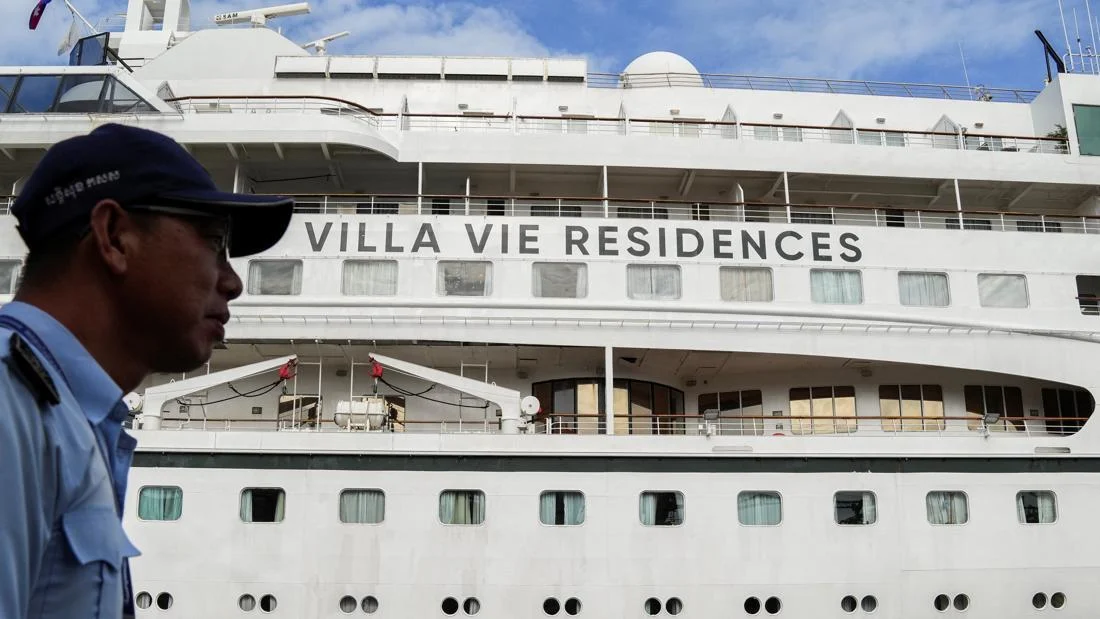
The ambitious dream of a multi-year, globe-spanning voyage came to an abrupt and chaotic halt this week as approximately 200 passengers aboard the Villa Vie Odyssey found themselves stranded in the coastal province of Sihanoukville, Cambodia. The vessel, which was marketed as a revolutionary residential cruise ship designed for permanent living at sea, was forced to cease operations abruptly on October 27, 2026. This sudden termination of services has left residents—many of whom had liquidated their assets to secure a life of luxury and adventure—facing an uncertain future in a foreign port, thousands of miles from their planned destination.

The disruption follows a period of mounting financial pressure on the operator, Villa Vie Residences, a United States-based firm that pioneered a unique "cruise-as-a-home" business model. The company confirmed that the decision to disembark passengers was necessitated by a staggering surge in fuel costs, which have rendered the continued operation of the ship unsustainable under the current financial structure.
The Chronology of the Disruption
The Villa Vie Odyssey began its journey with much fanfare in October 2024, departing from Belfast, Northern Ireland. The ship was intended to traverse the globe for three and a half years, calling at nearly 150 countries. However, the voyage took a turn for the worse as it navigated through Southeast Asia.

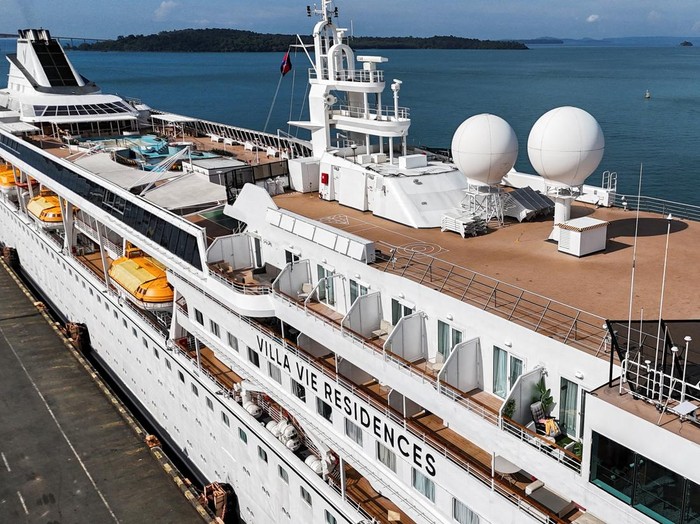
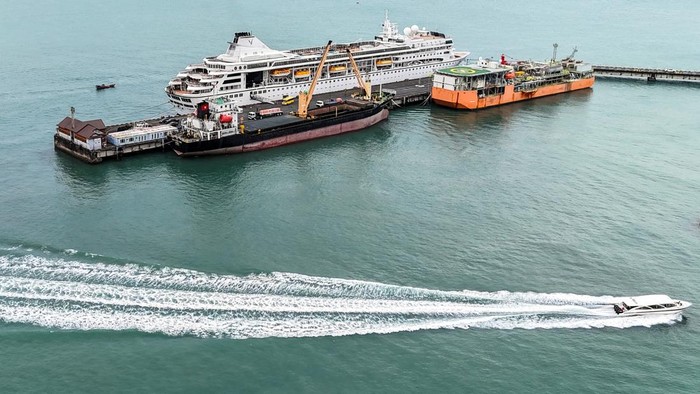
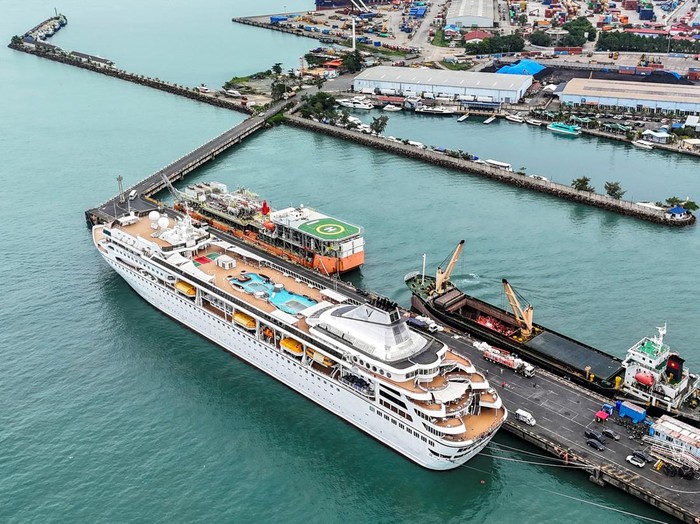
On October 23, 2026, the vessel arrived at the Sihanoukville Autonomous Port in Cambodia, having traveled from Thailand. While passengers expected the routine transit procedures and a brief stop for replenishment or local tourism, they were met with an unexpected announcement from the operator four days later. On October 27, Villa Vie Residences declared an immediate suspension of the cruise.
The logistics of the disembarkation were reported to be frantic. According to local officials and accounts from passengers, those aboard were given a mere seven-hour window to pack their belongings and vacate the vessel. By the time the ship was docked, 203 passengers and 156 crew members were accounted for. The aftermath saw a disparate scramble: some passengers checked into local hotels in Sihanoukville to await further instructions or refunds, while others immediately sought flights out of Cambodia to return to their home countries.

Economic Catalyst: The Impact of the Iran Conflict
The primary driver behind this sudden collapse is the volatile state of global energy markets. The operator pointed specifically to the geopolitical instability following the escalation of conflict involving Iran, which began in late February 2026. This conflict has sent shockwaves through the global oil and gas industry, causing fuel prices to skyrocket.
According to financial disclosures provided by the company, the economics of the ship were built on a specific fuel-price projection that has since been shattered. Previously, the monthly fuel cost for the vessel averaged approximately US$1,800 per cabin. Following the energy market shocks, those costs spiked to between US$6,000 and US$8,000 per cabin in several Asian jurisdictions. For a ship the size of the Villa Vie Odyssey, these figures represent an untenable increase in overhead, forcing the company to choose between bankruptcy or an immediate cessation of operations.
The Residential Cruise Model: A High-Risk Lifestyle
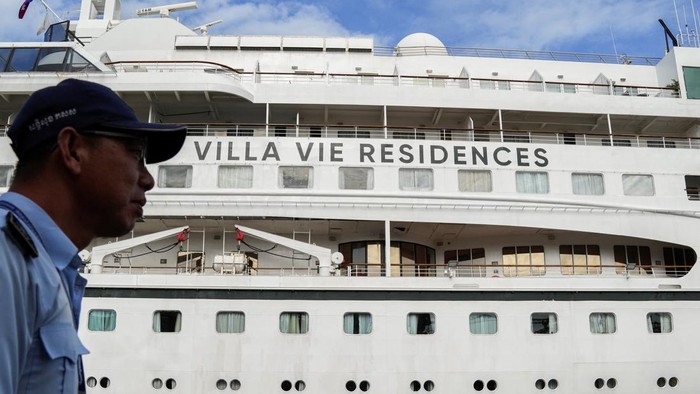
The Villa Vie Odyssey was not a traditional cruise ship in the sense of a two-week vacation. It was marketed as a long-term residential solution. The company offered a business model where individuals could purchase or lease cabins for the duration of the 3.5-year voyage. Suites were marketed at entry prices starting at roughly US$230,000, attracting a demographic primarily composed of retirees, remote workers, and "digital nomads" seeking a nomadic lifestyle without the hassle of traditional homeownership.
This model, while alluring, relies on the assumption of long-term economic stability and operational continuity. Unlike standard cruise lines, which operate on a high-turnover, short-duration basis, the residential model creates a "locked-in" relationship between the operator and the resident. When the operator faces a liquidity crisis, the residents are not merely tourists who can return home—they are people who have effectively lost their primary place of residence.
Implications for the Cruise Industry
The situation in Cambodia raises broader questions regarding the viability of residential sea travel. As the luxury travel sector attempts to innovate, the reliance on volatile fossil fuels remains a significant "Achilles’ heel" for long-distance maritime operations.
Industry analysts note that while the concept of "living at sea" has gained popularity, the operational risks are vastly higher than those of land-based real estate. Maritime law, fuel price fluctuations, and the complexities of international port regulations mean that a residential cruise company must maintain a massive cash reserve to survive geopolitical shocks. The failure of the Villa Vie Odyssey may serve as a cautionary tale for investors and future residents regarding the fragility of such ventures.
Official Responses and Legal Scrutiny
As of late October 2026, representatives for Villa Vie Residences have remained largely focused on the immediate logistics of the disembarkation. However, legal experts suggest that the company will likely face a barrage of litigation. Passengers who invested hundreds of thousands of dollars into their "homes at sea" are now creditors in a situation where the underlying asset—the ship—has effectively been grounded.
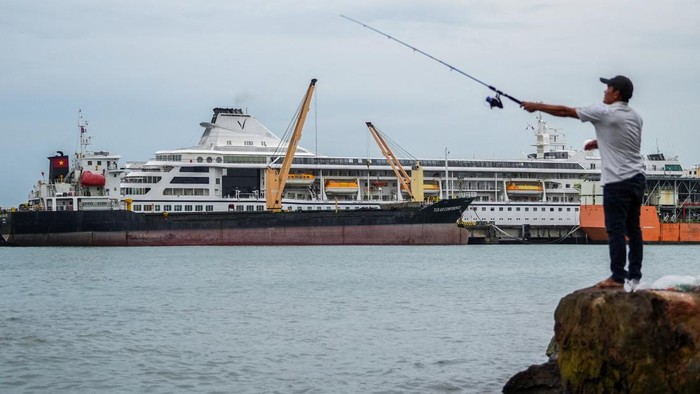
In Cambodia, the local authorities have been managing the influx of passengers, ensuring that those who remain in the country have access to consular support. The Sihanoukville Autonomous Port has not issued a formal statement on the duration of the ship’s stay, but it is expected that the vessel will remain in port until the company can resolve its financial obligations or determine the next phase of its operations.
The Future of the Passengers
For the 200 passengers, the immediate future is characterized by uncertainty. Many of the residents had sold their homes, vehicles, and other assets to afford the buy-in for the Villa Vie Odyssey. The emotional toll of having one’s life disrupted while in the middle of a global journey is substantial.
"We are in a state of limbo," one passenger reportedly remarked, reflecting the frustration of the collective. The reliance on the operator for both transportation and accommodation means that without a clear roadmap for a restart or a full refund, these individuals are facing significant financial and personal hardship.
Analysis: A Global Energy Wake-Up Call
The stranded passengers in Cambodia are perhaps the most visible victims of a larger, systemic shift in the global economy. The energy crisis triggered by the 2026 regional conflicts has demonstrated that luxury infrastructure is uniquely vulnerable to the cost of bunker fuel. When the price of energy quadruples, business models that were profitable in 2024 become insolvent in 2026.
Moving forward, maritime operators in the residential cruise space will likely need to adopt more rigorous hedging strategies against fuel volatility. Whether this involves transitioning to alternative energy sources or restructuring contracts to include "fuel surcharges" for residents, the era of stable, long-term pricing for floating residential communities appears to have ended.
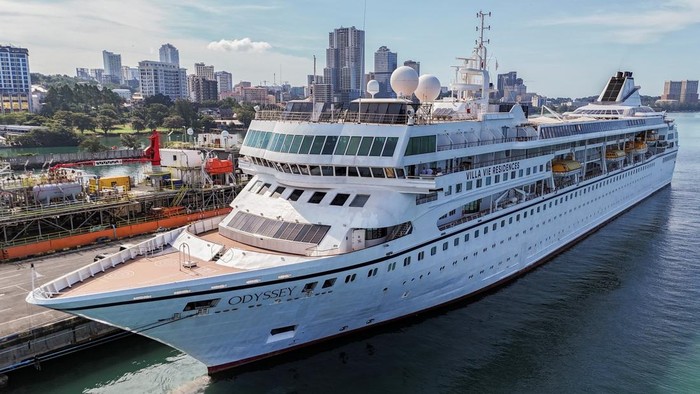
As the situation develops, the international maritime community will be watching closely to see how the operator handles the repatriation of funds and whether there is any possibility for the voyage to resume. For now, the Villa Vie Odyssey remains docked in Sihanoukville, a silent, floating testament to an ambitious plan that succumbed to the harsh realities of a changing global geopolitical landscape. The passengers, meanwhile, are left to navigate the complex process of reclaiming their lives, proving that even the most well-planned escape can be brought to a standstill by forces far beyond the captain’s control.
