
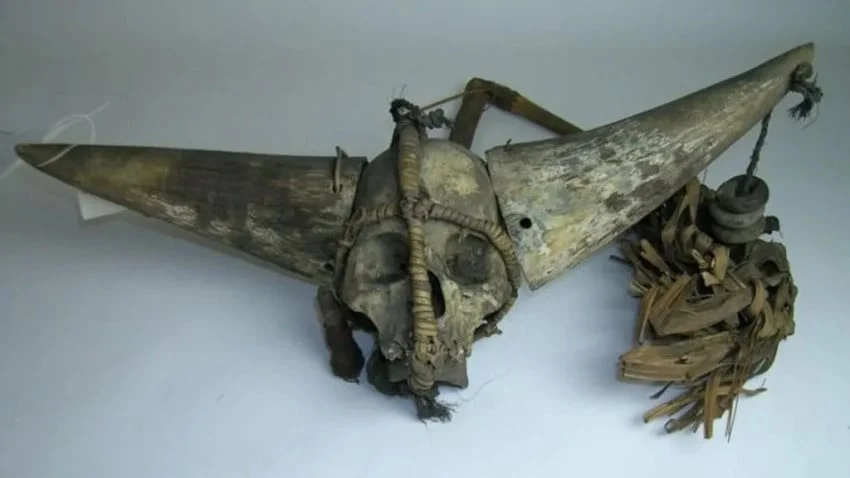
In a landmark decision that signals a shift in the global discourse on colonial-era collections, the Pitt Rivers Museum at the University of Oxford has formally agreed to repatriate 39 sets of ancestral human remains to the Naga community in Northeast India. This move, long sought by indigenous groups and human rights advocates, marks the culmination of a multi-year diplomatic and ethical negotiation between the academic institution and the Forum for Naga Reconciliation (FNR). The process of returning these human remains, which were extracted during the British colonial administration of the Indian subcontinent, serves as a significant case study in the broader international movement to decolonize museum collections and acknowledge the historical trauma inflicted upon indigenous populations.
The remains in question, which include skeletal fragments and other ancestral relics, were collected between the late 19th and early 20th centuries. During this era, British colonial officers, explorers, and anthropologists frequently gathered human remains, cultural artifacts, and sacred objects from the Naga Hills—a region spanning modern-day Nagaland and parts of Manipur and Assam. For decades, these items were held within the Pitt Rivers Museum’s extensive ethnographic collection, which is arguably the largest and most significant repository of Naga material culture outside of India.
A Chronology of Collection and Repatriation
The origins of this collection date back to the height of British imperial expansion in South Asia. During the colonial administration of the Naga Hills, which took place from approximately 1832 to 1947, British officials and military personnel engaged in the systematic collection of ethnographic materials. At the time, such practices were often framed under the guise of scientific inquiry, though they were inextricably linked to the power dynamics of colonial governance.
By the mid-20th century, the presence of these remains in the United Kingdom had become a point of contention for Naga activists and intellectuals who viewed the display and storage of their ancestors’ remains as a lingering form of colonial exploitation. The trajectory toward repatriation began in earnest in the early 21st century as global museums faced increasing scrutiny regarding the provenance of their holdings.
The specific process of repatriation accelerated in recent years:
- Early 20th Century: British colonial administrators acquire 40 sets of human remains from the Naga region, transporting them to England for research and display.
- 2020: The Pitt Rivers Museum takes the decisive step of removing these human remains from public exhibition. This decision was part of a broader institutional review of how the museum displays human remains, acknowledging that the display of such items without consent is ethically fraught.
- 2022–2023: The Forum for Naga Reconciliation (FNR) initiates formal dialogue with the University of Oxford and the Pitt Rivers Museum, requesting the repatriation of the remains to ensure they are laid to rest with dignity in their ancestral land.
- 2024: The university officially approves the repatriation request, confirming that 39 of the 40 sets identified in the FNR’s petition will be returned to the Naga community.
The Ethical Imperative: Beyond Academic Inquiry
For the Naga people, this repatriation is not merely a logistical return of physical remains but a profound act of cultural and spiritual restoration. In a joint statement, the FNR and affiliated Naga organizations emphasized that the return of these remains signifies the healing of historical wounds. By bringing these ancestors back to their homeland, the community seeks to restore the "memory" that was forcibly severed by colonial acquisition.
Dr. Laura Van Broekhoven, the Director of the Pitt Rivers Museum, has been a vocal proponent of this ethical shift. In her correspondence with international media, she acknowledged the gravity of the museum’s past practices, stating, "These remains have been far from their homeland for far too long." This perspective aligns with the museum’s ongoing "decolonization project," which seeks to address the systemic imbalances inherent in the creation of colonial-era archives.
The museum’s administration has underscored that the process is not an admission of "ownership" by the museum, but rather an acknowledgment of the moral obligation to return what was taken under duress. The collaboration with the FNR—a coalition of Naga churches and civil society groups—ensures that the remains will be handled with appropriate cultural sensitivity upon their arrival in Northeast India.
Data and Context of the Pitt Rivers Collection
The Pitt Rivers Museum holds a collection of over 6,000 items related to the Naga tribes, making it the most significant repository of such material in the world. This collection includes textiles, jewelry, weapons, and household tools. However, the presence of human remains in such collections has historically been the most sensitive issue.
According to museum records, the collection was amassed during a time when "scientific racism" was prevalent, and the physical characteristics of indigenous people were often studied to support colonial hierarchies. The 39 sets of remains are part of a larger, complex inventory that the museum has been auditing for several years. The decision to repatriate follows the museum’s internal review, which concluded that the retention of these remains no longer aligned with contemporary ethical standards or the museum’s mission of building respectful relationships with source communities.
Global Implications and the Future of Museums
The repatriation to the Naga community is a critical development in the global debate surrounding "restitution." Major museums, including the British Museum, the Smithsonian, and the Humboldt Forum, have faced increasing pressure to address the colonial origins of their collections. The Pitt Rivers Museum’s action sets a precedent for how universities and state-funded institutions should handle requests from indigenous nations.
Analysts point to several key implications of this decision:
- Normalization of Repatriation: This event moves repatriation from an exceptional, often legalistic, burden to a standard procedure for institutions holding colonial-era ethnographic materials.
- Recognition of Indigenous Sovereignty: By engaging directly with the FNR—a non-state actor representing a specific cultural identity—the university is implicitly recognizing the rights of indigenous peoples to control their own cultural and ancestral heritage, regardless of national borders or colonial maps.
- Institutional Transparency: The move forces other institutions to audit their own holdings. When a major institution like Oxford takes such a step, it becomes significantly harder for other entities to claim that such remains are "indispensable" for academic research or public education.
- Cultural Healing: For post-colonial nations like India, the return of ancestral remains is a vital step in the broader project of national and cultural reclamation. It allows communities to process the grief of the colonial era and re-establish a spiritual connection with their ancestors.
Challenges in the Repatriation Process
While the announcement has been met with widespread support, the practical logistics of repatriating human remains are complex. The process involves strict international regulations regarding the transport of human biological material, careful documentation to ensure the remains are correctly identified, and the coordination of local burial ceremonies in the Naga Hills.
Furthermore, there is the ongoing question of what remains to be done. While 39 sets are being returned, the FNR’s original request cited 40 sets. Discrepancies in historical record-keeping often mean that identifying the precise origin and current location of every single item is a monumental task. The Pitt Rivers Museum has committed to continuing its audit of its collections, suggesting that this repatriation may be the first of several future transfers as more information comes to light.
A New Chapter in Anglo-Naga Relations
The relationship between the United Kingdom and the Naga people has been historically fraught, marked by the complexities of missionary work, British colonial military campaigns, and the subsequent formation of modern India. This act of repatriation acts as a diplomatic bridge, demonstrating that academic institutions can play a role in mending historical rifts.
As the remains prepare to travel back to Northeast India, the focus shifts to the local reception. The FNR has indicated that there will be ceremonies to honor the return of these ancestors, marking a transition from being "objects of study" in a London museum to being respected ancestors within their own social structure.
The significance of this event cannot be overstated. It represents the maturation of the museum sector, where the value of a collection is no longer measured solely by its size or its ability to draw visitors, but by the integrity of its relationships with the communities from which its objects originated. As museums globally continue to grapple with their colonial legacies, the Pitt Rivers Museum’s collaboration with the Naga community will likely serve as a benchmark for transparency, ethical responsibility, and restorative justice in the 21st century.
By prioritizing the agency of the Naga people and acknowledging the colonial violence that enabled the collection of these remains, the University of Oxford has set a new standard for how the past can be navigated in the present. The return of these 39 sets of remains is more than a administrative transfer; it is a profound acknowledgment that some things—and some people—never belonged in a display case, and that justice requires the simple, human act of letting them go home.
