
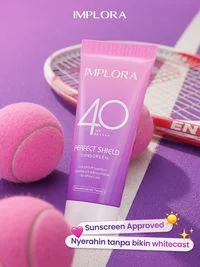
Maintaining optimal skin health requires a rigorous commitment to photoprotection, a fact underscored by dermatological consensus worldwide. Ultraviolet (UV) radiation remains the primary environmental factor contributing to premature skin aging, hyperpigmentation, and the increased risk of skin malignancies. While the initial application of sunscreen in the morning is a staple in most beauty regimens, the efficacy of these products diminishes significantly over time due to environmental stressors, sebum production, and physical contact. Consequently, the necessity for frequent reapplication—typically every two to three hours—is not merely a beauty suggestion but a clinical requirement for consistent protection.
Despite this, the practical challenges of reapplying sunscreen, particularly for individuals who wear makeup, often lead to a lapse in compliance. The friction between cosmetic layers and the physical inconvenience of carrying bulky skincare products have historically deterred many from maintaining their sun protection levels throughout the day. However, advancements in cosmetic formulation and packaging design have bridged this gap, offering innovative formats that allow for seamless integration into a busy lifestyle.
The Evolution of Photoprotection Portability
The shift toward portable sun protection reflects a broader trend in the beauty industry: the demand for multifunctional, time-efficient products. In the early 2000s, the market was largely dominated by heavy creams and lotions, which were difficult to layer over cosmetic products. The subsequent development of light-reflecting filters and volatile silicone carriers allowed for the creation of non-greasy, quick-drying formulas.
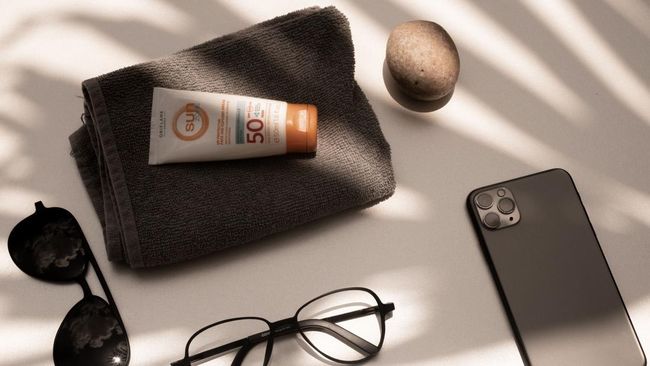
Industry analysts observe that the "on-the-go" skincare category has seen an annual growth rate of approximately 6% over the last five years. This is largely driven by the increasing awareness of the cumulative damage caused by UVA and UVB rays, even in urban environments. As public health initiatives continue to emphasize the dangers of prolonged sun exposure, consumers are increasingly seeking products that facilitate compliance without compromising their aesthetic goals.
Sunscreen Spray: Immediate and Even Coverage
Sunscreen spray technology represents one of the most significant leaps in user convenience. By utilizing either aerosol or pump-action mechanisms, these products deliver a fine mist that settles over the skin without the need for manual blending. From a chemical perspective, these sprays often incorporate alcohol or specialized solvents that ensure rapid evaporation, leaving a dry-touch finish that does not disturb pre-existing makeup.
Dermatologists generally advise that while sprays are highly convenient, they require careful application to ensure uniform coverage. A common error is applying the product too sparingly, which results in "holidays" or gaps in protection. To achieve the efficacy stated on the product label, the skin must appear visibly wet upon application. For those utilizing spray formats, holding the nozzle approximately 15 centimeters from the face and using a sweeping motion is recommended to cover the entire surface area of the face and neck.
Sunscreen Stick: Precision and Portability
Sunscreen sticks are arguably the most robust solution for targeted protection. Designed with a high wax content to maintain structural integrity, these sticks provide a concentrated layer of SPF that is resistant to migration. This makes them particularly effective for high-exposure areas such as the bridge of the nose, cheekbones, and ears.
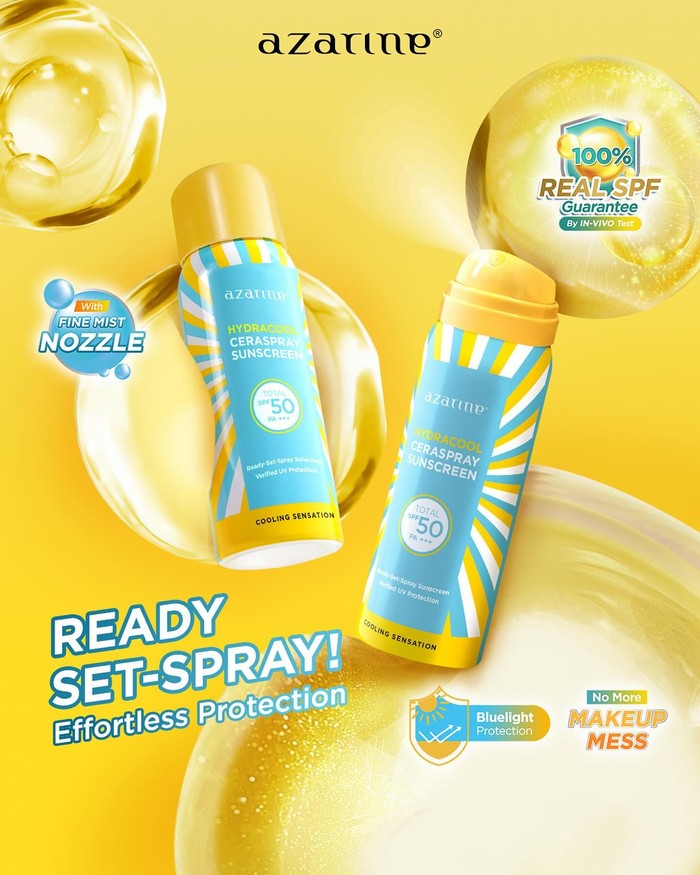
The primary advantage of the stick format is its tactile nature, which allows for precise application without the risk of product leakage—a common issue with liquid-based sunscreens. For individuals wearing makeup, the stick format is advantageous because it can be applied with a gentle dabbing motion rather than a dragging motion, thereby minimizing the risk of lifting or smearing foundation. Recent advancements in "invisible" stick formulations have further eliminated the white cast traditionally associated with high-zinc or titanium dioxide content, making them suitable for all skin tones.
Sunscreen Powder: The Hybrid Solution
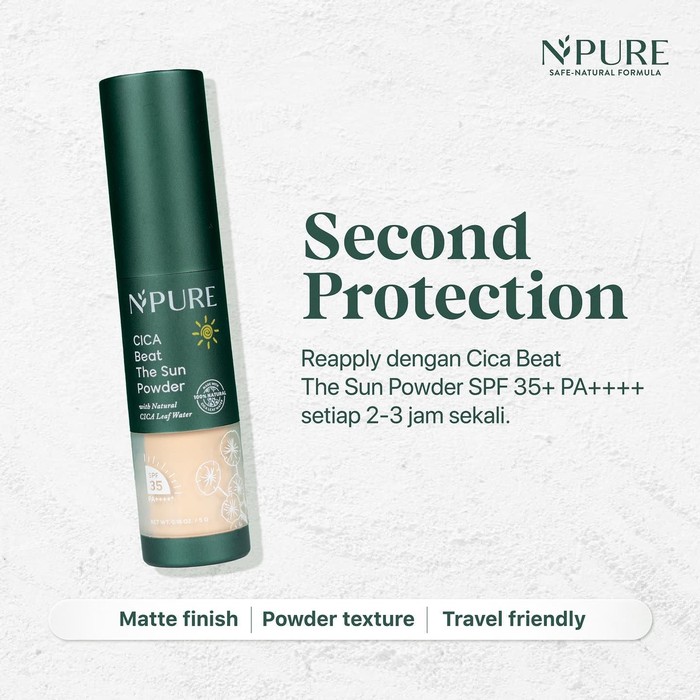
Sunscreen powder, often categorized as a mineral-based finishing product, occupies a unique space between skincare and color cosmetics. These products typically utilize physical filters—specifically zinc oxide and titanium dioxide—in a micronized powder form. They serve a dual purpose: providing an additional layer of SPF and absorbing excess sebum, which acts as a mattifying agent for the face.
From a practical standpoint, the powder format is the most discreet method for mid-day reapplication. It is particularly popular in professional settings where a liquid or spray application might be inconvenient. However, it is important to note that because powder is applied in a thin layer, it should be viewed as a supplemental layer of protection rather than a replacement for the primary morning application. To maximize efficacy, users are encouraged to use the provided applicator or a dense kabuki brush to ensure that an adequate amount of product is deposited on the skin.
Travel-Sized Liquids: Maintaining the Gold Standard
Despite the proliferation of innovative formats, the traditional cream or gel-based sunscreen remains the gold standard for clinical protection. These formulas generally offer the most consistent film-forming properties, ensuring a robust barrier against radiation. The trend toward "travel-sized" or "mini" versions of these standard formulas is a direct response to the consumer need for portability without sacrificing the familiarity and performance of their preferred daily products.
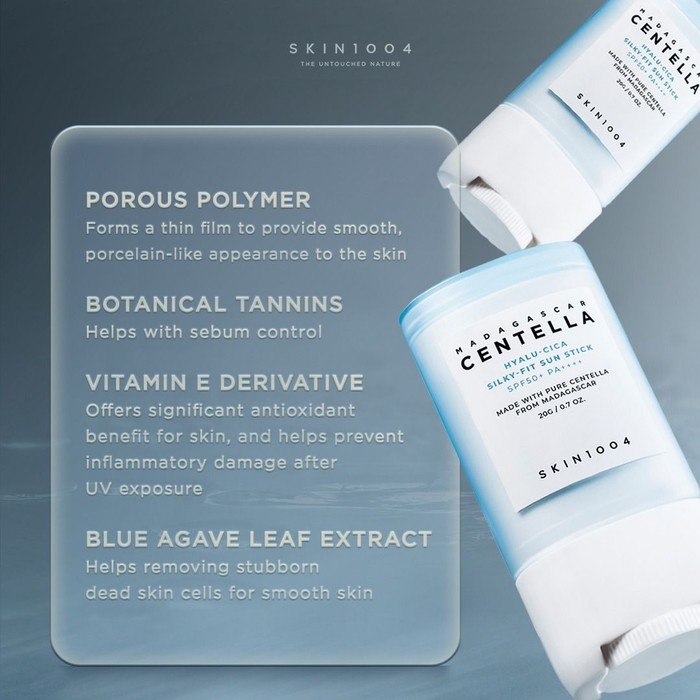
For those who prioritize deep hydration, travel-sized tubes are the most logical choice. While they require the user to cleanse the skin or at least blot excess oil before reapplication—which can be a time-consuming process—they remain the most reliable way to ensure that the entire face is adequately covered. Many leading dermatological brands have shifted to offering 20ml to 30ml versions of their best-selling products specifically to fit into handbags and carry-on luggage, catering to the growing demographic of commuters and travelers.
The Broader Implications for Skin Health
The cumulative nature of UV damage means that sporadic application is insufficient. The adoption of these four portable sunscreen types represents a shift in public behavior toward proactive, rather than reactive, skin health. By lowering the barrier to entry for reapplication, consumers are more likely to adhere to the recommended SPF usage, which has long-term implications for the incidence of dermatological conditions.
Data from recent clinical studies suggest that consistent daily sunscreen use, including timely reapplication, can reduce the risk of developing squamous cell carcinoma by approximately 40% and melanoma by 50%. Furthermore, the prevention of photoaging—characterized by fine lines, textural changes, and solar lentigines—is most effective when the skin is kept under a consistent protective shield.
Best Practices for Reapplication
To ensure that the reapplication process is effective, regardless of the format chosen, users should adhere to the following guidelines:
- Layering Strategy: If the skin is heavily congested with sebum or sweat, it is advisable to blot the face with an oil-control paper before reapplying sunscreen. This prevents the "pilling" effect and ensures better adhesion of the product to the skin.
- Coverage Checks: When using non-visible formats like sprays or translucent powders, ensure that the application is systematic. It is easy to miss areas around the hairline and jawline, which are common sites for UV-induced damage.
- Product Integrity: Always store portable sunscreens in a cool, shaded environment. Leaving a sunscreen stick or tube in a hot car can degrade the chemical filters and alter the texture of the product, rendering it less effective.
- Consistency: Reapplication should be treated as a routine appointment. Setting a reminder or linking the action to another habit—such as a lunch break or a specific transition in the day—can significantly increase the likelihood of success.
In conclusion, the modern beauty market has effectively removed the traditional excuses for skipping sunscreen reapplication. Whether through the rapid delivery of a spray, the precision of a stick, the mattifying effect of a powder, or the reliability of a travel-sized cream, there is a solution available for every lifestyle. By integrating these tools into one’s daily routine, individuals can take a significant, evidence-based step toward long-term skin health and resilience against the pervasive effects of solar radiation.
