
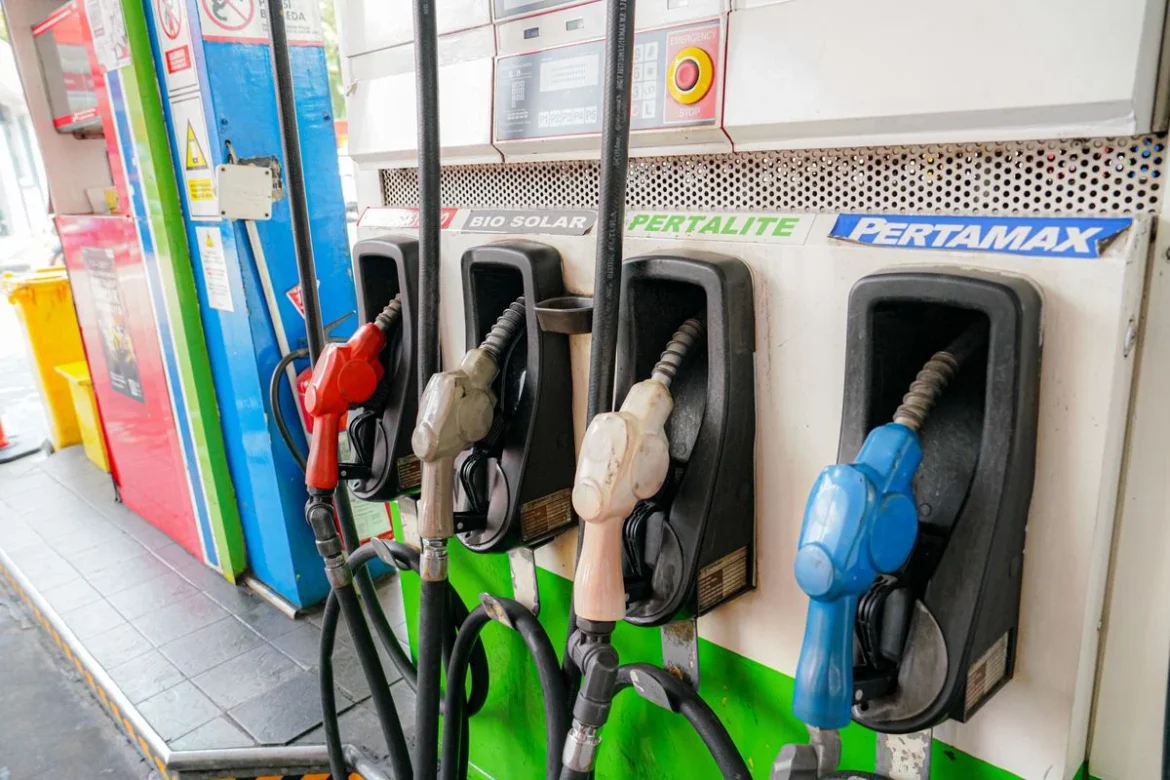
The fuel retail landscape in Indonesia remains in a period of relative equilibrium as of Tuesday, October 27, 2026. Motorists across the archipelago navigating major service stations—including state-owned Pertamina and international players such as Shell, BP, and Vivo Energy—will find that pump prices remain consistent with the rates established in the previous adjustment cycle. This stability provides a predictable environment for consumers and businesses alike, even as global energy markets continue to fluctuate under the pressure of geopolitical tensions and evolving supply chain dynamics.
Current Price Breakdown Across Major Retailers
As of early morning on October 27, 2026, the retail price architecture for liquid fuels remains unchanged across the primary service providers. Pertamina, the nation’s largest fuel distributor, continues to maintain its diverse portfolio of products, catering to a wide range of vehicle requirements.
At Pertamina outlets, the high-octane gasoline variant, Pertamax, is retailing at Rp15,950 per liter. The more specialized, eco-friendly Pertamax Green sits at Rp19,150 per liter, while the high-performance Pertamax Turbo is priced at Rp19,600 per liter. For diesel-powered vehicles, the industrial-grade Pertamina Dex is listed at Rp25,200 per liter, with the mid-tier Dexlite available at Rp23,700 per liter.
Crucially, the subsidized segments—which represent the backbone of the domestic transportation and logistics sectors—have remained untouched. Pertalite, the most widely consumed gasoline grade in the country, remains firmly at Rp10,000 per liter, while Biosolar (B35/B40 blend) continues to be sold at the government-mandated price of Rp6,800 per liter.
International retailers operating within the Indonesian market have mirrored this stability. BP and Vivo Energy are both offering their mid-tier 92-octane gasoline at Rp16,130 per liter, while their premium gasoline offerings (BP Ultimate and Revvo 95) are pegged at Rp19,330 per liter. Diesel options from these providers, namely BP Ultimate Diesel and Diesel Primus, are consistent at Rp25,420 per liter. Shell’s V-Power Diesel is similarly positioned in the market at Rp25,420 per liter.
The Mechanism of Price Stability
The lack of volatility in domestic fuel prices at this juncture is a testament to the complex balancing act performed by the Indonesian government and energy stakeholders. Prices in Indonesia are influenced by a variety of factors, primarily the Mean of Platts Singapore (MOPS) index, the volatility of the Indonesian Rupiah (IDR) against the US Dollar, and the government’s budgetary capacity to absorb subsidy costs.
Historically, the Indonesian government has utilized a "managed price" approach for subsidized fuels. When global crude prices experience significant spikes, the state-owned enterprise Pertamina often absorbs the difference, which is later reconciled through government subsidies or compensation funds. The current stability suggests that global crude prices have reached a temporary plateau, allowing retail margins to stabilize without necessitating immediate upward revisions for the consumer.
Chronology of Recent Energy Policy Trends
Over the preceding months of 2026, the energy sector has undergone several strategic pivots. In early 2026, the focus of the Ministry of Energy and Mineral Resources (ESDM) was heavily centered on the acceleration of biofuel integration. The transition from B35 to higher-ratio biodiesel blends has been a key pillar in reducing Indonesia’s reliance on imported crude oil, which has historically been a significant drain on foreign exchange reserves.

The second and third quarters of 2026 saw incremental adjustments as the government sought to rationalize fuel consumption. By maintaining stable prices for subsidized fuels while allowing non-subsidized options to float closer to market rates, the government has attempted to shield low-income households from inflationary shocks while ensuring the fiscal sustainability of the state budget. This "cautious normalization" strategy has been praised by economists for preventing sudden spikes in the Consumer Price Index (CPI), which would otherwise threaten the nation’s purchasing power.
Economic Implications for Logistics and Inflation
Fuel prices serve as the primary pulse of the Indonesian economy. Because the majority of goods are transported via road networks, the cost of diesel and gasoline is directly correlated with the cost of living and the price of basic commodities.
The current period of price stability is particularly beneficial for the logistics and transportation sectors. When fuel prices remain constant, logistics firms can maintain fixed contract rates, which in turn provides a stable pricing environment for retail goods. Should prices have shifted upward, the resulting "second-round effects"—whereby transport costs increase the price of food, building materials, and manufactured goods—would have likely triggered inflationary pressure across the broader economy.
Analysts note that for the remainder of 2026, the primary concern remains the potential for global supply chain disruptions. Should oil-producing regions see further escalations in conflict, the price of Brent Crude could see renewed upward pressure. However, for the current window of October, the domestic market is benefiting from a "wait-and-see" approach where inventory levels are sufficient and domestic refinery output has been optimized.
Official Perspectives and Future Outlook
While there have been no recent announcements regarding immediate price hikes, the Ministry of Energy and Mineral Resources maintains that it monitors global crude trends on a monthly basis. Decisions regarding retail price adjustments are not made in isolation; they are the result of rigorous analysis involving the Ministry of Finance, Pertamina, and independent energy consultants.
For the average motorist, the message remains clear: the current pricing structure is designed to support economic activity while managing the fiscal burden of energy subsidies. However, consumers are encouraged to remain mindful of their fuel efficiency. The push toward higher-octane, cleaner-burning fuels, such as Pertamax Green, reflects the national mandate to lower emissions and improve vehicle engine longevity, even if these options carry a premium over subsidized alternatives.
Conclusion
As of October 27, 2026, the Indonesian fuel market stands as a model of consistency. By keeping prices stable across Pertamina, Shell, BP, and Vivo, the government and private operators are providing a vital anchor for economic stability. While global factors remain volatile, the domestic landscape for the final quarter of the year appears set on a course of predictability. Motorists are advised to utilize official mobile applications provided by these retailers to stay updated on real-time station availability and potential loyalty promotions, which remain the most effective way to manage individual transportation costs in a period of static pricing.
Moving forward, the focus of the energy sector will likely shift toward the long-term transition to renewable energy sources and the further refinement of the B-series biodiesel programs. For now, however, the focus remains on the reliability of the supply chain and the maintenance of affordable access to traditional hydrocarbon-based fuels for the Indonesian public.
