

The initiative comes at a time when China has significantly eased its entry requirements and enhanced its tourism infrastructure to attract Southeast Asian visitors. By focusing on the dual-city experience of Beijing and Shanghai, Mister Aladin aims to provide a balanced perspective of China’s dual identity: its deep-rooted imperial history and its status as a global leader in modern urban development. The tour is structured to provide an all-inclusive experience, covering essential needs such as accommodation, transportation, and curated sightseeing, thereby removing the complexities often associated with navigating a foreign country with distinct linguistic and cultural landscapes.
Strategic Timing and Market Context
The selection of the July to December 2026 window is a strategic decision by Mister Aladin, reflecting an understanding of Indonesian travel patterns and Chinese seasonal transitions. The period encompasses the school holiday season in July, the pleasant autumn months of September and October, and the festive year-end atmosphere in December. Historically, these months represent peak travel times for Indonesian tourists seeking cooler climates and unique cultural festivals, such as the Mid-Autumn Festival or the Golden Week celebrations in China.
Industry analysts suggest that the "Super Sale" pricing of Rp12 million is a move to capture the middle-income demographic, which has shown a high propensity for "revenge travel" and a preference for guided tours that offer value for money. By offering departures from four major Indonesian cities—Jakarta (CGK), Bali (DPS), Surabaya (SUB), and Medan (KNO)—Mister Aladin is effectively decentralizing the travel market, ensuring that residents outside the capital city have direct access to international leisure opportunities without the added cost of domestic transit to Jakarta.
Comprehensive Chronology of the Eight-Day Itinerary
The itinerary for the Super Sale China tour is meticulously planned to maximize the traveler’s exposure to iconic landmarks while maintaining a manageable pace. The journey begins with departures from the respective Indonesian airports, converging into a centralized route that highlights the stark contrasts between the north and the east of China.
The first phase of the trip focuses on Beijing, the political and cultural heart of the nation. Over the first few days, travelers are immersed in the grandeur of the Ming and Qing dynasties. Key destinations include the Great Wall of China, a UNESCO World Heritage site that serves as a testament to ancient engineering and defense. Visitors typically explore the Mutianyu or Badaling sections, which offer panoramic views of the rugged mountain terrain. The tour continues to the Forbidden City, the world’s largest palace complex, which housed 24 emperors over five centuries. The architectural precision and symbolic layouts of the Temple of Heaven and the Summer Palace are also central components of the Beijing leg, providing insights into the spiritual and recreational lives of the Chinese imperial families.
Transitioning from the ancient to the avant-garde, the tour utilizes China’s world-renowned high-speed rail network to transport travelers from Beijing to Shanghai. This journey itself serves as a highlight, showcasing the country’s technological prowess as the train traverses hundreds of kilometers in a matter of hours.
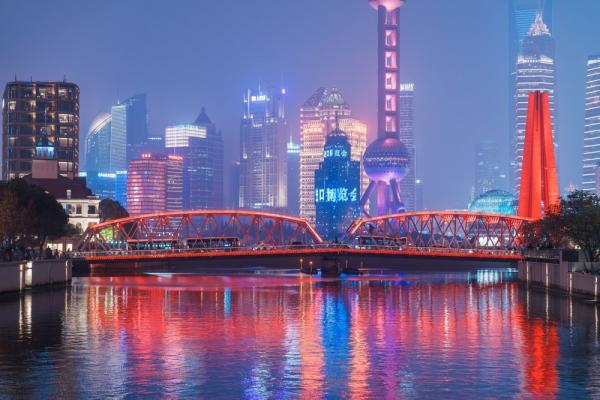
The second phase of the journey unfolds in Shanghai, China’s largest city and a global financial hub. The itinerary contrasts the traditional Yu Garden, with its classical Ming-style pavilions and rockeries, against the futuristic skyline of the Pudong District. A walk along The Bund provides a historical perspective on Shanghai’s colonial past, featuring early 20th-century European-style buildings that face the neon-lit skyscrapers across the Huangpu River, including the Oriental Pearl Tower and the Shanghai Tower. The final days are often reserved for exploring the vibrant shopping districts of Nanjing Road and experiencing the city’s cosmopolitan culinary scene before departing for Indonesia.
Supporting Data on Indonesia-China Tourism Trends
The launch of this package is supported by data indicating a steady increase in bilateral tourism between Indonesia and China. According to reports from the Indonesian Central Bureau of Statistics (BPS), China has consistently ranked among the top five sources of foreign tourists for Indonesia, and conversely, China remains a top-tier destination for outbound Indonesian travelers. The year 2026 is projected to be a milestone year for regional travel, as infrastructure projects and increased flight frequencies between the two nations are expected to reach new heights.
Furthermore, the "all-in" nature of the Mister Aladin package addresses a significant trend in consumer behavior: the desire for risk mitigation. The Rp12 million price point includes round-trip airfare, star-rated hotel accommodations, group insurance, and the services of a professional tour leader. In a post-pandemic world, travelers have shown a marked preference for packages that include health and safety protocols, as well as clear cancellation policies. Mister Aladin’s inclusion of these elements ensures that travelers can focus on the experience rather than the logistics.

Official Responses and Industry Outlook
While specific executive statements regarding this 2026 launch are framed within the company’s broader expansion strategy, Mister Aladin has consistently emphasized its commitment to "democratizing travel." In previous briefings, company representatives have noted that the "Super Sale" series is designed to make premium destinations accessible to a wider audience through volume-based negotiations with airlines and hotel chains.
Tourism experts in Indonesia view this move as a proactive step to secure market share in the highly competitive travel agency sector. "By announcing packages for 2026 as early as now, platforms like Mister Aladin are tapping into the early-bird planning culture," says a Jakarta-based travel consultant. "It allows families and groups to budget effectively over a longer period, which is essential for international trips that involve visa processing and significant financial commitment."
The Chinese tourism authorities have also been vocal about their desire to welcome more Southeast Asian visitors. Efforts to simplify the visa application process for Indonesian citizens and the promotion of "Smart Tourism" apps that facilitate payments (such as Alipay and WeChat Pay for foreigners) are expected to enhance the overall traveler experience by 2026.
Broader Impact and Implications for the Travel Sector
The implications of the "Super Sale China" tour extend beyond the immediate travelers. For the Indonesian aviation industry, the demand generated by such packages supports the sustainability of direct flight routes from cities like Surabaya and Medan to Chinese hubs. This, in turn, fosters stronger economic ties and cultural exchange between the two nations.
Moreover, the focus on Beijing and Shanghai highlights the importance of "Twin City" tourism models. By linking a historical capital with a commercial metropolis, travel providers create a narrative of a nation’s evolution. This model is likely to be replicated for other destinations, such as Tokyo-Osaka or Seoul-Busan, as travel platforms seek to offer multi-faceted experiences within a single trip.

From an economic perspective, the success of these packages contributes to the growth of the digital economy in Indonesia. As more consumers use platforms like Mister Aladin to book complex international tours, the trust in digital payment systems and online travel agencies (OTAs) continues to solidify. This shift is driving innovation in how travel products are marketed, with a heavy emphasis on social media integration, influencer partnerships, and real-time customer support.
Conclusion and Future Prospects
As 2026 approaches, the "Super Sale China: Beijing – Shanghai" tour stands as a testament to the resilience and creativity of the travel industry. By combining affordability with a high-quality itinerary, Mister Aladin is positioning itself as a bridge for Indonesians to explore one of the world’s most influential cultures. The blend of ancient wonders like the Great Wall and modern marvels like the Shanghai skyline ensures that the eight-day journey is more than just a vacation; it is an educational and transformative experience.
For those interested in securing a spot on this journey, Mister Aladin has streamlined the booking process through its official website and dedicated customer service channels. As global travel continues to evolve, such initiatives will play a crucial role in shaping the future of outbound tourism in Indonesia, making the world more accessible, one "Super Sale" at a time. The anticipated success of this program may lead to further expansions, potentially including other Chinese regions such as Sichuan for its giant pandas or Xi’an for the Terracotta Army, further enriching the travel portfolio available to the Indonesian public.
